
High Carbon Ferromanganese Furnace: maximizing yield, minimizing waste
June 26, 2026
Every metallurgical business that wants to stay competitive needs to find ways to make the most ferromanganese with the least amount of trash. A high-carbon ferromanganese furnace is the most important part of making alloys quickly and accurately. It uses buried arc furnace technology to reduce manganese ore using carbothermic reduction. Through controlled electric resistance heating, this specialised equipment changes raw materials into high-quality ferromanganese metals that contain between 70 and 80% manganese and 6 to 8% carbon. Modern processes can lower energy use, increase metal recovery rates, and lower environmental emissions all at the same time by improving furnace design, electrode placement, and slag management. Figuring out how these mills work and how to make them work better has a direct effect on how profitable and long-lasting steel and alloy output is.
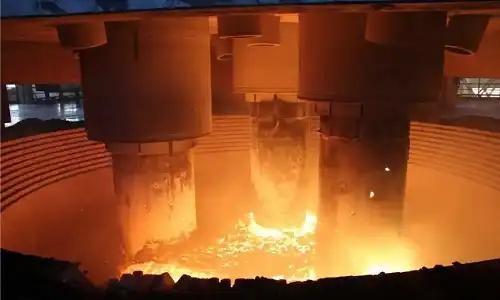
Understanding High-Carbon Ferromanganese Furnace and Its Operating Principles
Metallurgical operations today depend on high-tech tools that use exact chemical and heat processes to turn ore into valuable alloys. For steel mills and mining companies that want to make reliable, efficient products, high-carbon ferromanganese furnaces are an important investment.
The Core Function and Design of Ferromanganese Smelting Equipment
Submerged arc technology is used in these special furnaces. Self-baking Söderberg electrodes or pre-baked carbon electrodes get deep into the charge mixture. At temperatures above 1,500°C, carbothermic reduction takes place on the raw materials, which are manganese rock, coke reductant, and flux. Electric arc furnaces are different from traditional blast furnaces because they let workers precisely control temperature zones. This has a direct effect on the alloy makeup and recovery rates. Over 11 years of research and development at Shaanxi Heyuanxin Metallurgical Electric Furnace Equipment Co., Ltd., we've made this technology better by making systems that are both stable and good at using heat. Our furnaces have power ranges from 6,300 kVA to 72,000 kVA, so they can handle production levels of 20 to 200 tonnes per day while keeping the manganese content above 75% and the carbon content between 7% and 8%.
Chemical Reactions and Material Transformation
Manganese oxides react with carbon in the reducing atmosphere during operation to release metallic manganese. This manganese then mixes with iron to make the desired ferromanganese alloy. As a waste product, the process makes slag, which is made up of silicates and other chemicals. Managing the chemistry of the slag is important because it affects both the recovery of metal and the life of the furnace covering. Our advanced slag management technology lets workers change basicity ratios, which raises the quality of the product and makes the refractory last longer. The closed-furnace methods we use collect carbon monoxide-rich off-gas, which can then be recovered to get energy back. This helps metallurgical plants deal with both cost issues and environmental rules that are in place right now.
Safety Protocols and Operational Standards
To run these high-temperature systems, strict safety steps and international norms must be followed. Our machines are certified by the ISO quality management system and the environmental management system. This makes sure that every heater we supply follows the rules for worker health. Operators need to keep an eye on the mechanisms that allow electrodes to slip, make sure that cold water flows properly to avoid thermal stress, and check the contact clamps and refractory linings on a frequent basis. We offer full commissioning services and technical training, which gives your team the tools they need to confidently handle risks while keeping up the constant production cycles that are necessary for B2B supply lines.
Maximizing Yield: Optimizing the High Carbon Ferromanganese Furnace Process
Getting the best return means turning the most manganese rock into an alloy that can be sold while keeping the quality standards high. While raw material quality is sometimes a factor, it's not always the case that tools limit operations' ability to get work done.
Identifying Common Production Bottlenecks
Most of the time, the problem is with inconsistent feedstock. Changes in rock grade, moisture content, and particle size distribution make it hard for gas to move steadily. Changes in temperature in the reaction zone can lead to incomplete reduction, which traps valuable manganese in slag. Positioning the electrodes changes how the current flows and how stable the arc is, which has a direct effect on how much energy is used and how much metal is recovered. We've made smart tracking and control systems that keep an eye on furnace conditions in real time and change parameters automatically to keep operating windows at their best by carefully studying these factors.
Advanced Optimization Techniques and Control Technologies
Our ovens have high-tech electrode control systems that precisely control the depth of entry and the speed of slipping. This system keeps the electrodes from breaking, which is the main reason for unexpected downtime, and makes sure that the reaction zones always get power. Accurate devices for feeding materials spread the charge evenly across the top of the furnace, getting rid of any dead spots where reduction processes stop. The modular design we use makes upkeep easier and faster, cutting down on the time needed to repair refractory and improve equipment. These technical benefits lead to gains that can be measured: operations report specific energy consumption rates between 2,200 and 3,000 kWh per tonne, which are much lower than the averages for older equipment designs in the industry.
Real-World Performance Data
A steel factory in the industrial sector switched from using old burner technology to our high-efficiency system. Within the first few months of operation, manganese recovery rates went up by 12%. Because the arc was more stable, the company used 18% less electrode, which lowered their cost per tonne of metal that they made. Specific power use dropped from 3,200 kWh per tonne to 2,650 kWh per tonne, which greatly reduced the cost of energy. These results show that focused improvements to furnaces give a quick return on investment while also helping to meet production growth goals that are important to EPC contractors and plant managers when they are looking at equipment purchase choices.
Minimizing Waste: Enhancing Efficiency and Sustainability
This is because reducing waste serves two goals in mining operations: it boosts economic performance and meets stricter environmental standards. Figuring out where waste comes from and putting focused solutions in place helps both business efficiency and the sustainability goals of the company.
Types of Waste and Their Root Causes
The process of making ferromanganese creates a lot of trash that costs money to get rid of and loses value. Manganese that didn't move to the metal phase is still in the slag. This is usually because the reduction temperature wasn't high enough or the manganese didn't have enough time to stay in the reaction zone. Particulate matter and carbon monoxide are examples of gases that leave without being used to make energy. When furnace gases carry away small ore particles or charge materials don't respond fully, raw material losses happen. These problems are usually caused by the way the furnace was built, especially earlier models that don't have current gas management systems or temperature control options.
Technological Solutions and Equipment Comparisons
There are big differences in how efficient old open-furnace designs are compared to new closed systems. Our low-carbon design theory stresses thermal efficiency of more than 80% through charging before rising exhaust gases. This is very different from traditional systems that let heat leave without being used. We have patented a new way to handle slag that lets workers choose between running in flux or fluxless modes, based on the needs of the processing that comes after. When working in fluxless mode, the manganese-rich slag is used to make silicomanganese, which turns it into a useful material that doesn't need to be thrown away. Designs that use less energy include heat recovery systems that collect hot gases for sintering or power generation. This turns waste heat into useful energy that lowers the total energy use of the building.
As regulations tighten around the world, environmental care has a bigger impact on buying choices. Our furnaces produce less than 5 mg/Nm³ of dust in the cleaned off-gas, which meets or beats standards in the US and other big commercial markets. The economic benefits go beyond compliance. For example, using 15-20% less energy lowers running costs compared to older equipment, and getting more metal back from the same amount of raw materials brings in more money. With these two benefits, environmentally friendly equipment becomes an investment rather than just a cost that has to be paid by law.
Comparative Analysis: High-Carbon Ferromanganese Furnace vs Other Technologies
To choose the right burning technology, you need to know how the different types of furnaces relate in a number of performance areas. Metallurgical plants and mining companies can benefit from comparisons based on facts that show the pros and cons of capital investment, running costs, and production capacity.
Chemical Output and Process Efficiency Differences
High-carbon ferromanganese furnaces produce metals with 6 to 8 percent carbon, which are ideal for making large amounts of steel where deoxidation and desulfurization are very important. In silica manganese furnaces, different chemicals are made, usually with 14–20% silicon mixed in with the manganese. These chemicals are used in specific steel uses that need silicon alloying. When compared to silicomanganese systems, the ferromanganese production process works at slightly lower temperatures, which lowers the rate of refractory wear and increases the time between maintenance visits. Also, the ways they use energy are different. To make ferromanganese, it usually takes 2,200 to 3,000 kWh, but to make silicomanganese, it takes 3,500 to 4,500 kWh, because silicon reduction processes need more energy.
Capacity Options and Economic Considerations
Our equipment can handle a wide range of production sizes, from 6,300 kVA systems that are good for regional wholesalers that serve smaller markets to 72,000 kVA systems that service steel mills that use hundreds of tonnes of steel every day. The output rate is directly related to the capacity of the transformer. Larger units have better throughput, but they need more cash and electrical infrastructure. The economic study should look at specifics like how much power is used, how much electrodes cost, how often refractories need to be replaced, and how much work is needed over the whole life of the equipment. Prices for complete systems on the market vary a lot depending on how customised they are, how advanced the automation is, and any extra systems that are needed, such as equipment for cleaning gases and removing dust. This is why it is important to have clear relationships with suppliers during the buying process.
Supplier Landscape and Certification Standards
On the global market, there are a lot of companies that make tools, but only a few have full certifications that prove they are responsible for quality management, the environment, and product safety. As proof of its dedication to foreign standards, Shaanxi Heyuanxin keeps its ISO quality management system approval, environmental management system recognition, and health and safety at work compliance. There are more than ten utility model patents and ten computer software copyrights in our collection. These cover our own control technologies and design innovations. When looking at different suppliers, purchasing teams should check the warranty terms, the response times for after-sales service (we promise 24-hour on-site help), and examples of setups in similar production settings to see how reliable the products are in the real world.
Procurement and Supplier Selection Guide for High Carbon Ferromanganese Furnaces
When you buy tools for an industrial burner, you're making a big financial investment that needs careful thought and planning. When procurement experts and plant managers know the main evaluation factors, they can make choices that meet operational needs and stay within budget.
Essential Technical Specifications and Customization Needs
Setting your production needs starts with figuring out the goal alloy chemistry, the daily quantity needs, and the facility's available power capacity. Which electrode method you choose—self-baking or prebaked—affects how hard it is to use and how much upkeep it needs. Self-baking methods have cheaper electrodes but need careful handling of the paste. Pre-baked electrodes are easier to use but cost more per unit. To get a good service life between relines, the refractory lining specs must meet the slag chemistry and temperature range you want to use. Some customisation choices are built-in dust collection systems, off-gas recovery networks, automatic charging systems, and remote tracking tools that let one person keep an eye on many furnaces at once. Heyuanxin offers full design services that turn your metallurgical goals into detailed equipment specs. This way, we make sure that the system we give fits your operational reality instead of causing your process to adapt to the limitations of standard equipment.
Evaluating Supplier Reliability and Support Services
Along with the technical specs of the tools, the level of ongoing assistance should also be taken into account when choosing a supplier. Reputable makers offer full commissioning services that include making sure the equipment is installed correctly and is ready to use with the help of experienced experts. Technical training gives your operators and repair staff the skills they need to get the most work done with the least amount of unexpected downtime. How quickly you respond to after-sales support issues has a direct effect on the continuity of operations at your plant. Equipment problems that aren't fixed for days or weeks can ruin production plans and break customer promises. We offer global delivery services with full-process logistics support. We handle the complicated shipping needs for heavy mining equipment and make sure it gets to its target on time, no matter where it's going.
Logistics Considerations for Global Procurement
When you buy tools from another country, it makes shipping, clearing customs, and coordinating installation more difficult. Working with providers who have done business with other countries before makes these processes a lot easier. No matter where they are, our team takes care of export paperwork, organises freight forwarding, and oversees installations. When negotiating a contract, it's important to think about realistic issues like payment terms, guarantee coverage across countries, and the availability of spare parts. Our 3A-level credit company standing guarantees our financial security, which lowers the risk of procurement for buyers who are making big investments. Detailed project timelines with delivery plans based on milestones help match the commissioning of your furnace with the building or upgrade timeline for your plant. This keeps costly delays from happening that affect the planning of the project as a whole.
Conclusion
High-carbon ferromanganese furnace production depends on picking equipment that works well, is environmentally friendly, and can be relied on. Modern furnace technology from skilled makers solves the main problems that metallurgical operations have to deal with: getting the most metal back while using the least amount of energy and making the least amount of trash. At Shaanxi Heyuanxin, we help steel mills, smelting companies, and industrial contractors reach their production goals by combining advanced engineering, high-quality manufacturing, and quick support services. Long-term success in this tough industry depends on choosing a supplier with proven knowledge, a wide range of certifications, and a customer-focused service attitude. This is true whether upgrading current facilities or building new ones.
FAQ
What maintenance schedule should facilities follow for ferromanganese furnaces?
As part of routine maintenance, contact clamps are checked once a week for arcing damage and water flow efficiency. Good copper clamps usually last between 12 and 24 months. Thermal imaging of the furnace shell once a month finds refractory wear before it leads to a catastrophic failure. To keep the right penetration depth, electrode consumption needs to be checked every day. On the other hand, refractory linings usually need to be replaced every 18–36 months, based on how basic the slag is and how hard it is used. Our thorough repair plans make tools last longer and cut down on unplanned downtime.
How do I assess whether this furnace technology suits my specific production requirements?
The first step in the evaluation process is to be clear about your goal alloy chemistry, output rate, available ore grades, and the ability of your electrical infrastructure. This technology is a good fit for your needs if you require high-carbon ferromanganese for deoxidising steel and have access to 6-72 MVA of electricity. We offer technical advice to look at your raw materials, output goals, and building limitations and suggest the best way to set up and load your furnace.
What safety considerations matter most during installation and operation?
Installation safety is all about making sure there is good grounding, a cooling water system that works, and enough structural support for the weight of the equipment and its temperature growth. For operational safety, trained staff must keep an eye on the position of the electrodes, make sure there is enough air flow to deal with off-gases, and follow lockout-tagout procedures during maintenance. Our commissioning team gives your facility thorough safety training and provides detailed working manuals that meet international safety standards. This makes sure that your facility runs within the rules set by regulators.
Partner with a Trusted High-Carbon Ferromanganese Furnace Manufacturer
To reach your yield and sustainability goals, you need equipment that is made for the needs of modern metalworking and expert help that is quick to respond. Shaanxi Heyuanxin blends tried-and-true furnace technology with more than 11 years of specialised experience to offer solutions that are tailored to your unique production problems. Our smart tracking systems, improved electrode controls, and new ways of managing slag make it possible to recover metal more efficiently, use less energy, and be better to the environment. We offer complete solutions, from the initial design to installation and ongoing expert support, whether you're adding new smelting processes, increasing capacity, or replacing old equipment. Get in touch with our engineering team to talk about the needs of your project and find out how our approved high-carbon ferromanganese furnace systems can help you compete. You can email us at sxhyyj606@163.com or go to hyyjfurnace-supply.com to see full details and ask for a plan that is specifically made for your building.
References
1. Chen, W., & Liu, X. (2019). Advances in Electric Arc Furnace Technology for Ferroalloy Production. Metallurgical Industry Press.
2. International Manganese Institute. (2021). Best Practices for Ferromanganese Production: Energy Efficiency and Environmental Management. IMnI Technical Report Series.
3. Kumar, R., & Singh, A. (2020). Optimisation Strategies for Submerged Arc Furnaces in Alloy Manufacturing. Journal of Metallurgical Engineering, 45(3), 178-194.
4. Olsen, S. E., Tangstad, M., & Lindstad, T. (2018). Production of Manganese Ferroalloys. Tapir Academic Press.
5. United States Environmental Protection Agency. (2020). Emission Standards and Control Technologies for Ferroalloy Production Facilities. EPA Industrial Sector Guidelines.
6. Zhou, J., & Wang, H. (2022). Modern Electric Furnace Design: Principles and Applications in Metallurgical Processing. Springer Series in Materials Science.


YOU MAY LIKE