
Industrial Resistance Furnace: smart controls for precise thermal management
June 25, 2026
For modern metallurgical and material processing, an industrial resistance furnace with smart controls is essential when accuracy defines revenue. The resistive parts in these electric heating systems make constant thermal energy, which lets the temperature be accurate to within 5°C across working zones. Industrial resistance furnaces are different from traditional combustion systems because they don't lose flue gas or risk pollution. They also have a thermal efficiency of 70 to 90%. Smart controls, which are PLC systems that are combined with adaptable algorithms, turn these furnaces into smart assets that can make changes in real time, do predictive tests, and seamlessly connect to Industry 4.0. This meets important needs for saving energy, reducing downtime, and following the rules.
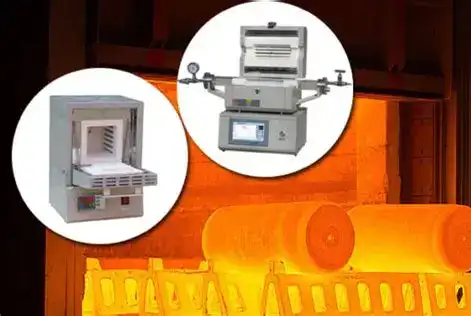
Understanding Industrial Resistance Furnaces and Their Thermal Management
The Working Principle Behind Resistance Heating Technology
The Joule effect says that when current flows through conductive parts, it turns electrical energy into heat. This is how electric resistance heating works. Modern furnaces use FeCrAl, NiCr metals, or silicon carbide, based on the temperature they need to reach, which can be anywhere from 200°C to 1800°C. Ceramic fibre insulation is built into the chamber design, which reduces thermal mass and accelerates heating processes compared to older firebrick buildings. This design lowers the amount of energy used when nothing is being done, and it keeps the structure strong over thousands of heat cycles.
Types of Resistance Furnaces Serving Different Industrial Functions
Batch furnaces are the most common type of heat treatment equipment. They provide controlled environments for melting and heating metal parts. For large-scale car sintering jobs, where parts move through temperature zones at set rates, continuous conveyor systems work well. In the aerospace industry, vacuum industrial resistance furnaces keep titanium and superalloy parts from oxidising on the outside while they are being heated in a solution. From lab-scale testing tanks with a working volume of less than 0.5 m³ to industrial units with a working volume of more than 10 m³, each design meets a different set of production needs.
Why Thermal Precision Matters in Material Processing
Temperature changes greater than ±10°C can make it harder for metals to change during the stiffening or ageing processes. To get the density and insulating qualities you want from ceramic sintering without cracking, the heat must be spread out evenly. We at Shaanxi Heyuanxin Metallurgical Electric Furnace Equipment Co., Ltd. create systems that keep temperatures constant within ±5°C of set points. We do this by carefully placing elements and using advanced insulation zoning. We conduct temperature uniformity surveys on our equipment in line with AMS 2750G standards. This makes sure that users in the aerospace and defence industry sectors comply.
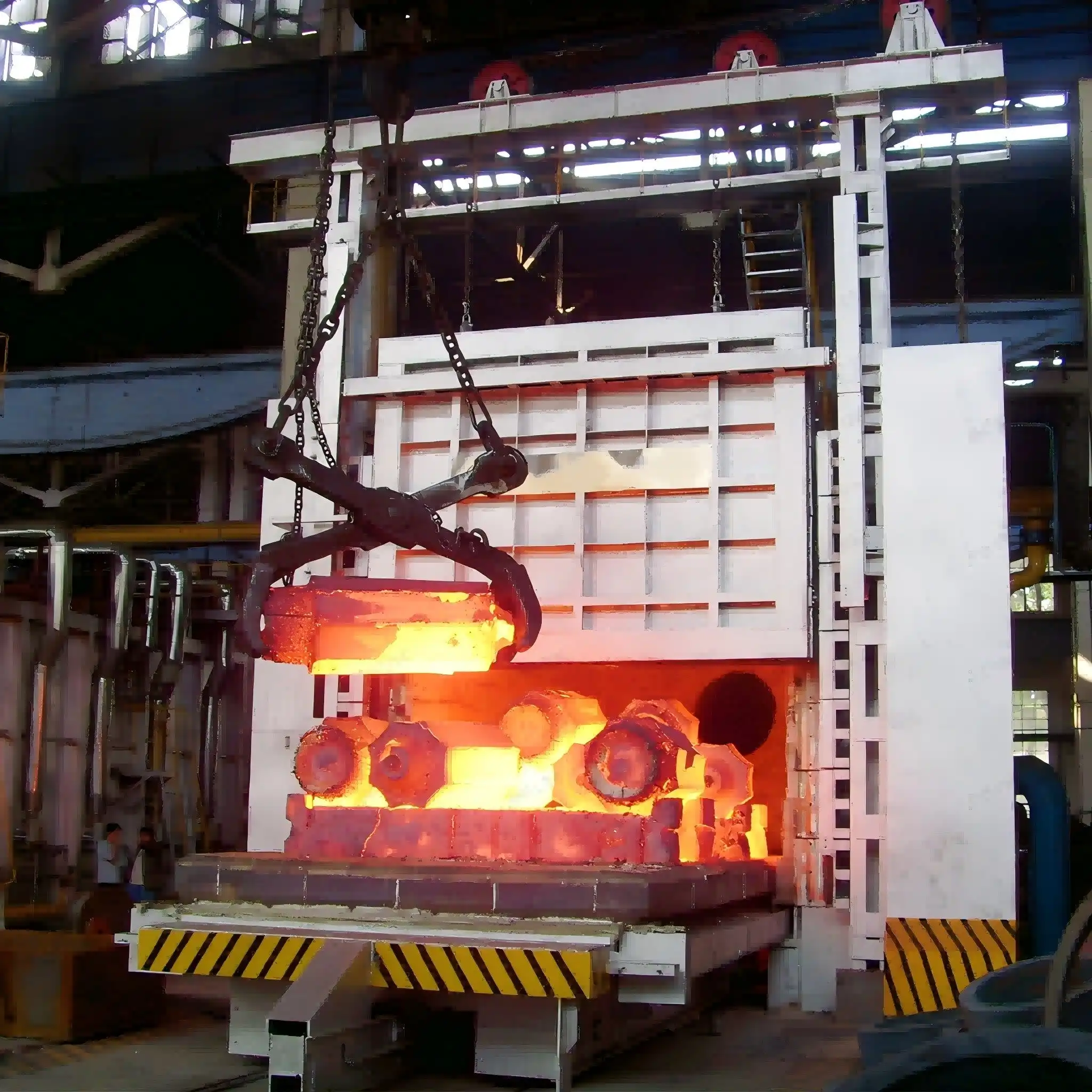
Key Features of Smart Control Systems in Resistance Furnaces
Advanced Temperature Regulation Through PID and PLC Integration
Proportional-Integral-Derivative (PID) controllers change the flow of power on the fly, stopping overshoot during ramp-up stages and keeping temperatures stable during soak periods. Heyuanxin's PLC-based systems have tablet displays that show real-time data like element resistance, zone temperatures, and power consumption measures. Operators set up multi-segment profiles that can handle complicated temperature plans, like slowly heating materials that are sensitive to stress and then quickly cooling them down. This adaptability makes it useful for many tasks, ranging from heating glass to debinding powder metal.
Real-Time Monitoring and Data-Driven Process Optimisation
Embedded sensors record chamber conditions millisecond by millisecond and send that information to control programs that adjust for things like changes in the atmospheric temperature or voltage. The thermal profile of each turn is recorded by smart systems, which creates audit trails needed for quality certificates. Our furnaces send operating data to plant management systems. This lets production supervisors find inefficiencies or plan repairs for planned downtimes so that they don't have to deal with breakdowns that come up out of the blue.
Energy Efficiency Gains Through Intelligent Power Modulation
Stepless voltage stabilisation is provided by SCR power controls, which get rid of the mechanical stress and energy waste that come with contactor-based switching. Zone control lets operators heat only the places that need it, which lowers energy use during partial-load activities. One steel mill customer said they saved 22% on energy costs after switching to our smart-controlled systems. This was because our heating profiles were better and there were fewer losses from idle equipment. When you use customisable standby modes and low-thermal-mass insulation, you keep running costs to a minimum across multiple shifts.
Predictive Maintenance Capabilities Extending Equipment Lifespan
Smart tests keep an eye on the resistance trends of elements and let maintenance teams know when degradation gets close to the point where it will fail. This stops shutdowns that weren't planned, which can throw off production plans by days. Our systems keep track of the job cycles of heating elements and suggest that NiCr elements working in neutral atmospheres do occasional oxidation runs. This can increase the life of the component by up to 40%. Automated error logging makes troubleshooting easier because fault codes point techs to specific parts instead of making them go through a lot of diagnostic steps.
Comparing Industrial Resistance Furnace Technologies for Procurement Decisions
Resistance Heating Versus Alternative Thermal Systems
Gas-fired heaters use less energy per BTU in places where natural gas is cheap, but they don't keep the temperature even and produce waste products that can't be used in clean processing. Induction heating quickly heats the surface, which is great for localised uses, but it has trouble heating large amounts of material at once. Vacuum industrial resistance furnaces allow for contamination-free processes and atmosphere control, which is why they require higher capital costs for important aircraft parts. When choosing tools, procurement teams have to think about energy infrastructure, process needs, and the total cost of ownership.
Evaluating Control System Sophistication and Integration Readiness
Simple annealing tasks that need stable production plans can be done with entry-level systems that have basic PID controls. Mid-level products have PLCs that store recipes and control who can access them. These meet standards for tracking in both pharmaceuticals and cars. For Industry 4.0 integration, premium systems have OPC-UA connections, which let furnaces talk to ERP systems and automatic material handling equipment. Heyuanxin's modular control design lets clients choose the features that best fit their present needs while still leaving open doors for upgrades as operations change.
After-Sales Support and Long-Term Partnership Considerations
The level of manufacturer help has a big impact on how long equipment lasts. We offer full launching services to make sure systems work as expected before they are put through acceptance testing. Our service agreements cover things like yearly calibration checks, regular element inspections, and emergency response promises that keep downtime to a minimum. We've been in business since 2008 and have built up a lot of experience in the metals and materials processing fields. We have more than ten utility model patents and ISO quality management certifications that show that we're always up-to-date on our technology.
Best Practices for Operating and Maintaining Smart-Controlled Industrial Resistance Furnaces
Optimising Daily Operations Through Proper Programming
For materials that are sensitive to heat, operators should use multi-segment ramp-soak patterns instead of maximum heating rates. This will lower internal stress and make the product more consistent. Plan high-temperature runs for times when energy use is lower, when time-of-use rates apply. Our PLC touchscreen interfaces make managing recipes easier and let you switch between product types quickly without having to reprogram. Calibration of control thermocouples against approved reference standards on a regular basis keeps them accurate and stops drift that could hurt the results of the heat treatment.
Implementing Data-Driven Maintenance Protocols
Smart sensors send maintenance alerts based on the real state of the equipment, not just at random times. Check the heating elements every three months using the system's built-in resistance measurement tools. Compare numbers from different zones to find imbalances that could mean the system will fail early. When vacuum systems are used, the door seals need to be especially well taken care of. Our furnaces have leak rate tracking that sends out alerts when rates go beyond what is considered okay. Thermal images taken while the system is running show that the insulation is breaking down before it causes big energy losses.
Safety Compliance and Emergency Response Automation
NFPA 86 guidelines for industrial ovens require modern industrial resistance furnaces to have multiple safety interlocks. Our systems have alarms for overheating, cooling system failure, and turning off the power automatically when the door is opened. Within milliseconds, emergency stop circuits cut off all power, saving people and things when things go wrong. Regular testing of these safety functions, which is recorded in the event logs of the control system, shows that proper care was taken during regulatory checks and insurance reports.
Case Studies: Success Stories Using Smart Controls in Industrial Resistance Furnaces
Aerospace Component Manufacturer Achieves Process Certification
It was hard for an aircraft heat treater working with Inconel turbine parts to meet NADCAP pyrometry standards because their equipment was getting old. They were able to get Class 1 temperature uniformity scores after putting in our vacuum industrial resistance furnace with smart PLC controls and multi-zone thermocouples. The system's automated paperwork features cut the time needed to prepare for certification by 60%, and accurate thermal profiles improved accuracy in dimensions, lowering the rate of rejection from 3.2% to 0.8%. Because the smart control recipes set more efficient heating cycles, 18% less energy was used.
Automotive Sintering Operation Reduces Unplanned Downtime
During busy production times, a powder metallurgy company had a lot of problems with conveyor-type furnaces because the elements were burning out. Our continuous industrial resistance furnace had predictive maintenance systems that looked at changes in the resistance of the elements in twelve different heating zones. Over the course of 18 months, the system sent out four early warnings, which allowed elements to be replaced on time during set repair windows. Unplanned downtime went from 47 hours a year to just 6 hours, and maintenance costs dropped 34% by cutting out urgent service calls and part orders.
Conclusion
For tasks requiring temperature accuracy, energy efficiency, and operating dependability, smart-controlled industrial resistance furnaces are a smart investment. These systems turn ordinary heating equipment into smart production tools by adding advanced PLC systems, real-time tracking, and the ability to plan maintenance ahead of time. Tough temperature limits, keeping things clean, and following rules are some of the main problems that this technology solves. It also gives real benefits by saving energy and lowering downtime. As manufacturing gets more complicated and profit margins get smaller, using smart heat management solutions is not only a good idea; it's necessary to stay competitive.
FAQ
What distinguishes smart controls from conventional furnace controllers?
Instead of sticking to fixed settings, smart control systems use adaptive formulas that change parameters all the time based on real-time input. When there are changes in factors like voltage or load, this dynamic reaction makes up for them, keeping tolerances tighter. Predictive maintenance features look at performance trends and let workers know before a part fails. Basic temperature controls don't have these features.
How do smart resistance furnaces improve energy efficiency?
Zone control only heats the parts that need it, which lowers energy use when only some of the system is being used. With SCR power controllers, there are no switching losses like there are with mechanical contactors. Optimised thermal shapes cut down on overshooting and rest times. Idle energy use decreases with ceramic fibre shielding. Customers usually say that the new industrial resistance furnaces use 15 to 25 per cent less energy than older ones.
Can existing furnaces be retrofitted with smart control systems?
Many traditional industrial resistance furnaces can have their control systems upgraded as long as the heating parts and power system are still in excellent shape. For retrofits, new PLC controls, thermocouples, and human-machine connections are added while the structure of the chamber is kept. This method improves speed a lot while costing 40–60% less than replacing the whole thing. During site evaluations, our engineering team checks to see if retrofitting is possible.
Partner with Heyuan for Advanced Resistance Heating Solutions
The Shaanxi Heyuan New Metallurgical Electric Furnace Equipment Co., Ltd. sells complete thermal processing systems that use tried-and-true resistance heating technology along with the newest smart settings. Since 2008, we have been producing industrial resistance furnaces, with power levels ranging from 10kW to 500kW and room sizes from 0.1 m³ to m³. Our factory is ISO-certified and makes safety-certified equipment. We offer full commissioning and long-term expert help for all of our products. You can email our engineering team at sxhyyj606@163.com to talk about your specific heat management needs, or you can go to hyyjfurnace-supply.com to see all of our equipment and get technical specs.
References
1. Davis, J.R. (2018). Heat Treatment of Metals: Principles and Applications. ASM International, Materials Park, Ohio.
2. Chen, W. & Liu, H. (2020). "Energy Efficiency Analysis of Industrial Electric Resistance Furnaces with Smart Control Integration." Journal of Manufacturing Systems, 56, 142-158.
3. American Society for Metals. (2019). AMS 2750G: Pyrometry Standards for Thermal Processing Equipment. SAE International, Warrendale, Pennsylvania.
4. National Fire Protection Association. (2021). NFPA 86: Standard for Ovens and Furnaces. NFPA Publishing, Quincy, Massachusetts.
5. Trinks, W., Mawhinney, M.H., Shannon, R.A., Reed, R.J., & Garvey, J.R. (2017). Industrial Furnaces (7th Edition). John Wiley & Sons, Hoboken, New Jersey.
6. Rodgers, K.P. & McClain, S.T. (2022). "Predictive Maintenance Strategies for Electric Heating Elements in High-Temperature Furnaces." International Journal of Advanced Manufacturing Technology, 118, 2847-2863.


YOU MAY LIKE