Silicon Manganese Furnace: innovations driving modern metallurgy
June 15, 2026
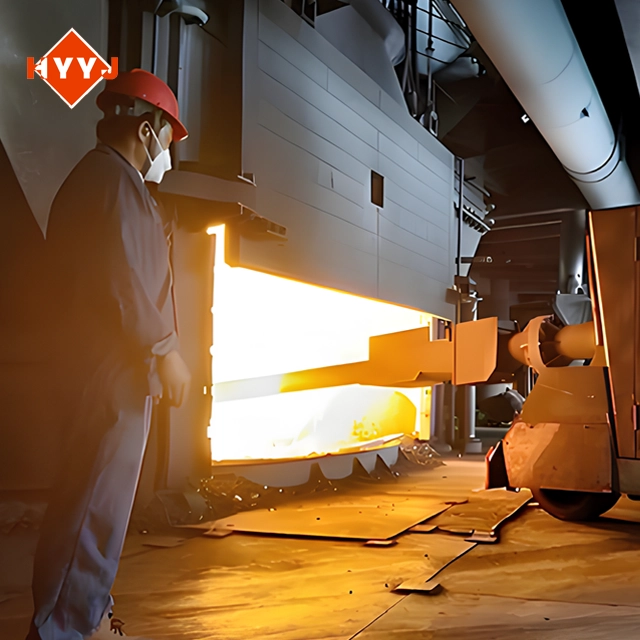
The silicon manganese furnace is an important piece of modern ferroalloy production technology. It is a specialised submerged arc furnace that uses carbothermic reduction to turn manganese rock and silica into high-quality silicon-manganese alloys. At Shaanxi Heyuanxin Metallurgical Electric Furnace Equipment Co., Ltd, we have seen how this equipment solves important problems in the steelmaking process by providing effective deoxidisers and desulfurizers that improve steel quality while keeping operations energy-efficient. Since we've been selling over 400 furnace systems around the world for ten years, we've seen how new developments in electrode control, refractory engineering, and process automation are changing the way metallurgical plants make alloys. These furnaces are now necessary to meet production goals and environmental standards.
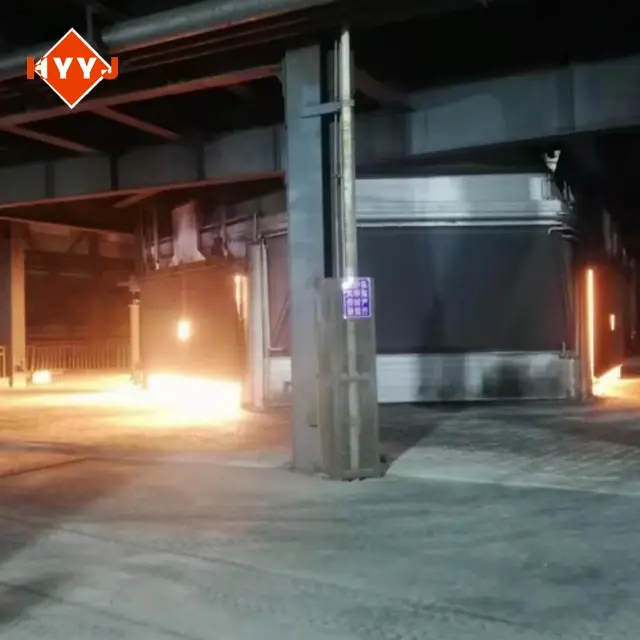
Understanding the Silicon Manganese Furnace and Its Operating Principles
Core Definition and Metallurgical Role
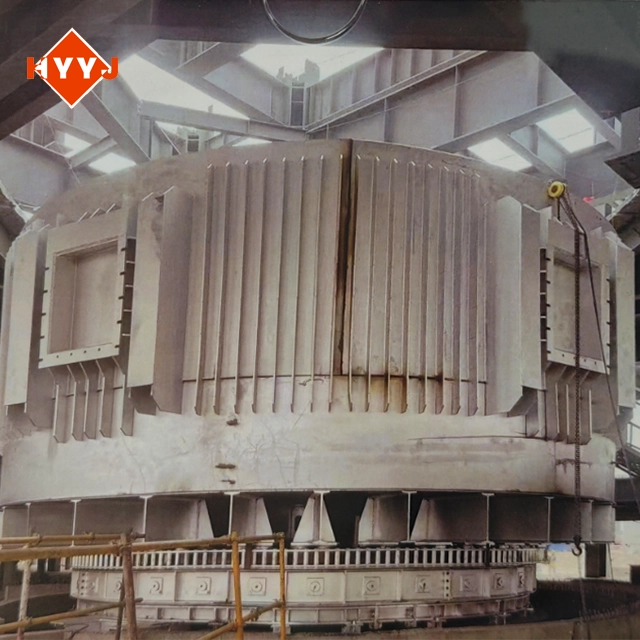
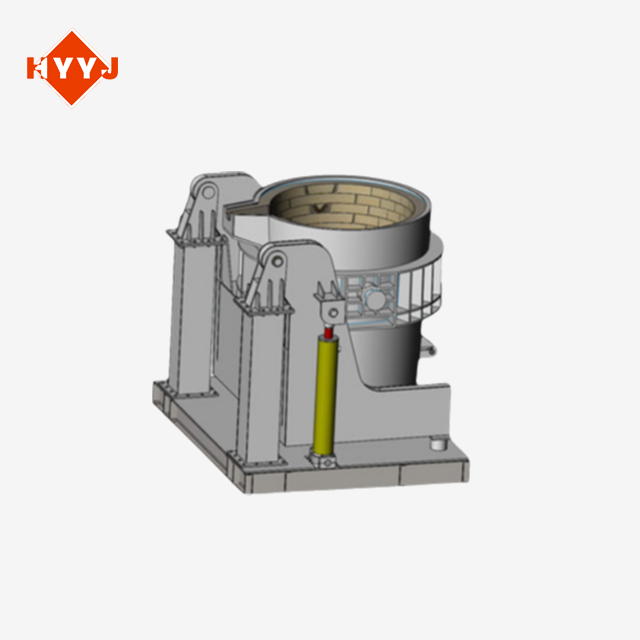
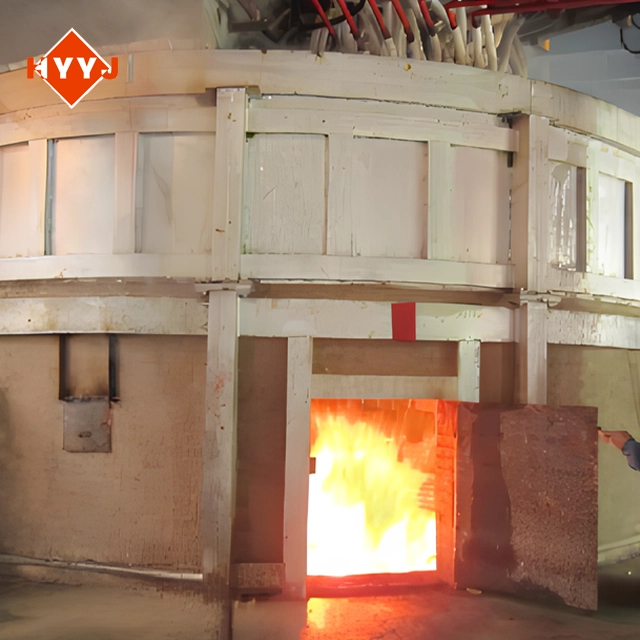
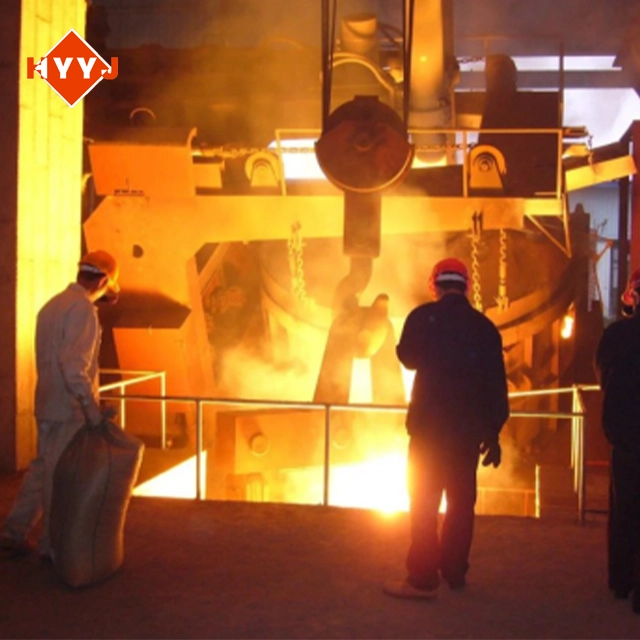
A silicon manganese furnace works as a continuous reduction reactor, which means that it uses electricity to change raw materials into ferrosilicon-manganese metals. In contrast to most steel-melting equipment, this furnace keeps the electrodes buried in the charge mix and uses electrical resistance to keep the temperature between 1600°C and 1700°C. Manganese rock, quartzite, and coke are put into the furnace room while three electrodes supply a high-amperage current. Coke's carbon acts as a reducing agent, taking oxygen away from metal oxides to make liquid alloy that builds up at the bottom of the furnace. Making consistent-grade metals like SiMn60/14 and SiMn65/17 is something that steel mills need for deoxidation processes during ladle processing. This technology fills that need.
Temperature Regulation and Charge Management
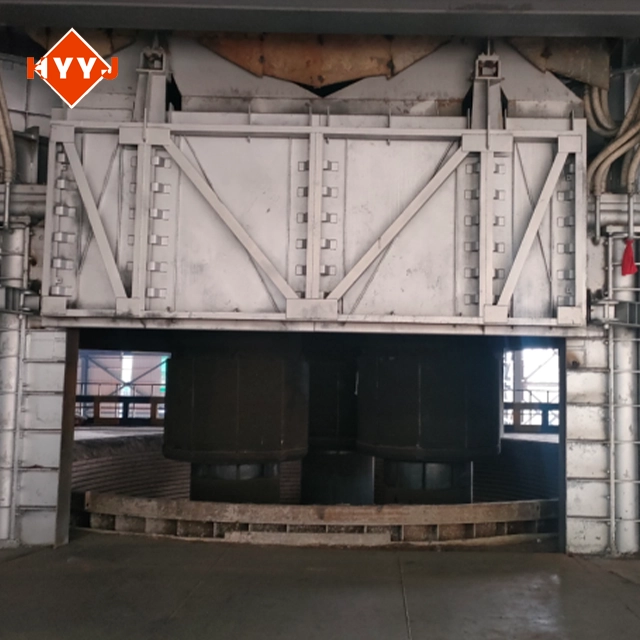
To keep the temperature stable inside the furnace, you need to carefully control many different factors. When the resistance in the charge bed changes, the electrode placement system changes the entry depth automatically. This system keeps the arc length the same and prevents the electrodes from being overused. The furnace shell has an improved refractory covering made of high-alumina bricks and carbon blocks that can withstand the corrosive slag conditions. The shell is 6 to 12 metres in diameter. Heyuanxin's systems have smart tracking that keeps real-time track of the fire temperature, slag basicity, and power input. This method, which is based on data, lets workers change the amounts of raw materials and keep the best conditions for reduction, resulting in power use rates of 3,800 to 4,200 kWh per ton of metal made.
Energy Efficiency and Environmental Considerations
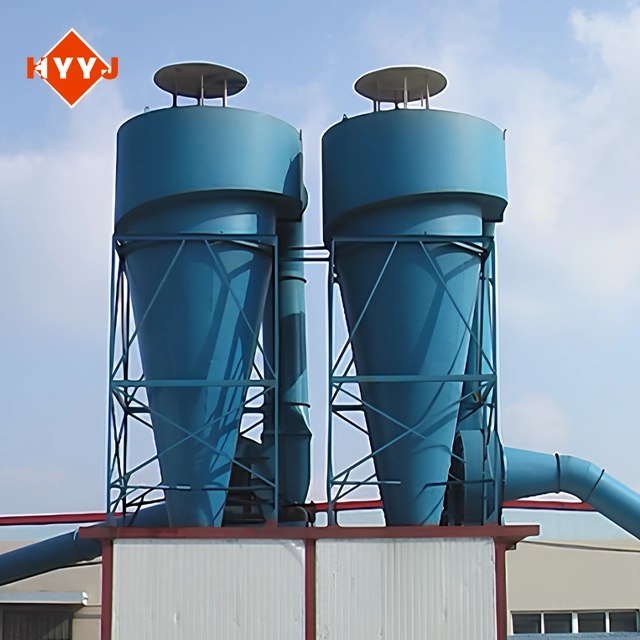
For modern ferroalloy production to work, the equipment needs to be able to balance high output with resource saving. The closed-top style we use collects off-gas that is high in carbon monoxide and has a lot of energy in it. Plants can send this gas to systems that make electricity, which can recover up to 30% of the energy that was put in. The low-reactance secondary circuit design raises the power factor, which lowers the amount of electricity that is lost as it moves from the transformer to the contacts. Our Silicon Manganese Furnaces collect more than 80% of the manganese that is put into them, which cuts down on waste and the cost of raw materials. Environmental compliance is also critical. Modern dust reduction systems built into the furnace hood collect particulate emissions, making sure that processes meet strict air quality standards and protecting the health of workers.
Innovations Enhancing Silicon Manganese Furnace Performance
Advanced Electrode Control Systems
New technologies have changed how silicon manganese furnaces control the working of electrodes. Automated slide devices that react in milliseconds to changes in electricity have replaced the old ways of adjusting by hand. Pressure sensors and current counters are used in these systems to keep the electrodes in the best position, which keeps them from breaking and keeps the arc stable. Compared to older designs, the new idea cuts electrode use by about 15%, which directly lowers production costs. We've added prediction algorithms that look at past performance data to guess what work needs to be done and let operators know about it before it goes wrong. This preventative method cuts down on unplanned downtime, which can cost businesses thousands of dollars an hour in lost production.
Enhanced Refractory Materials and Insulation
During operation, the furnace lining is under a lot of chemical and temperature stress, so the choice of material is crucial for how long it lasts. Carbon-bonded magnesia bricks are a new improvement in refractory technology that better stop slag from penetrating than older materials. These improved refractories make campaigns last longer, from 18 months to over 30 months. This means that they don't have to be rebuilt as often, which means less downtime. Better shielding layers under the refractory guard the steel shell and cut down on heat loss, which makes the whole process more energy efficient. Our engineering team chooses lining materials based on the specific chemistry profiles of the slag. This procedure makes sure that the materials work with the manganese-silica systems that are used to make ferroalloys.
Automation and Digital Monitoring Integration
Using Industry 4.0 ideas in furnace operation has enabled control in ways that have never been seen before. Digital twin technology lets workers test changes to a process before putting them into action. This cuts down on the need for trial-and-error testing. Centralized control systems use real-time data streams from thermocouples, gas monitors, and power meters to find the best settings for many factors at the same time. Machine learning algorithms can spot small changes in patterns that mean new problems are starting to show up, like hearth erosion or charge bridging. This lets problems be fixed before they get worse. We've seen that sites that use these digital tracking systems achieve 98% operating uptime, compared to 85-70% for equipment that people handle the old-fashioned way.
These new ideas all help with the most important problems in industrial processes: using less energy, making tools last longer, and making sure the quality of the finished products stays the same. Production managers know that investing in new furnace technology pays off in the long run by lowering costs and making the company more competitive in global ferroalloy markets.
Comparing Silicon Manganese Furnaces to Other Furnace Types
Operational Cost and Production Capacity Analysis
When people are looking at different ways to make ferroalloys, they need to compare the silicon manganese furnace to others, such as blast furnaces and electric induction furnaces. Silicon manganese furnace technology is more energy efficient than blast furnaces for making high-silicon alloys; it uses 3800–4200 kWh per ton instead of 4500–5000 kWh for similar processes. Depending on the size of the transformer, the continuous operation type can produce a steady 80 to 350 tonnes per day. Our systems can work with transformer values of 6.3 MVA to 72 MVA, so they can be expanded to meet the needs of any building. The 60–90-minute tap-to-tap cycle makes sure that the metal is discharged regularly without stopping the reduction process. This keeps the temperature stable in a way that batch-style furnaces can't.
Alloy Quality and Element Recovery
Because silicon-manganese furnaces have a deep-hearth geometry, they are perfect for full reduction processes. This design gets the most silicon and manganese out of raw materials while getting the least amount of phosphorus and sulphur. The alloy made meets the requirements of ISO 5447, with phosphorus levels below 0.1% and sulphur levels below 0.03%. These are important factors for steel quality. When using a blast furnace, it's harder to get the same level of purity because the temperature can't be controlled as precisely and the dwell time is shorter. Because these furnaces can make high-silicon grades (>28% Si), they are perfect for providing low-carbon ferromanganese production further down the line. The alloy is used as a reducing agent in the process.
Market Trends and Adoption Patterns
As the world moves toward lowering emissions, closed furnace designs that collect process gases are being used more and more. Environmental control systems are being bought because of rules in developed markets. For new installs, silicon manganese furnace technology is the best option. Case studies from steel mills in North America show that switching to more modern furnace systems cuts carbon emissions by 25–35% while keeping production levels the same. Our work with factories on three countries has shown us that buyers want tools that can help them run their businesses better right away and also meet long-term safety standards. For the next ten years, silicon manganese furnaces will be the most popular technology.
Buying Guide: Selecting and Procuring the Right Silicon Manganese Furnace
Critical Procurement Criteria
To choose the right silicon manganese furnace, you need to look at a number of factors that are all linked. Transformer capacity must match production levels. For example, a 25 MVA system usually makes 120–150 tonnes of steel every day, while a 60 MVA system can make 300 tons or more. The total cost of ownership is affected by energy costs in your area in a big way. Places with lower power costs can afford larger systems that take advantage of economies of scale. There should be at least 12 to 24 months of coverage under the warranty for major parts like transformers and refractory linings. After-sales support is very important during the commissioning and early operation stages, when expert help stops mistakes that cost a lot of money. We suggest that you judge suppliers by how many installations they have in your area. This is because suppliers that are close by can respond quickly to repair requests and send spare parts.
Manufacturer Selection and Regional Considerations
There are different types of producers in the ferroalloy tools market. China's Heyuanxin and other suppliers offer reasonable prices and a wide range of customisation options. They have supplied systems to a wide range of working situations around the world. Our portfolio includes silicon manganese furnaces that work in temperatures ranging from -20°C to +45°C, showing that they can be used in a variety of locations. European makers usually put a lot of emphasis on using advanced technology, but their products often come at high prices that may be hard for people on a tight budget. American suppliers focus on making sure that their products meet local standards and that support networks in North America are quick. When weighing your choices, you should think about the total cost of the project, which should include shipping, installation, control, and user training. These are all things that have a big impact on your budget, in addition to the price of the equipment itself.
Installation Services and Spare Parts Management
For furnace operation to go smoothly, installation must be done carefully. The electrical system has to be able to handle secondary lines with a lot of amps and little reactance. This calls for special busbar design and placement of transformers. Foundation engineering makes sure that structures stay stable even when they are heated and cooled and when they are vibrated by machines. Our team of 11 top experts and 400 professionals makes sure that systems are installed correctly by making sure they meet all the design requirements. Setting up a collection of extra parts before production starts keeps downtime from being too long when a part fails. Electrodes, refractory bricks, and hydraulic system parts are all important spares. When you work with makers that offer regional storage or fast shipping, you can avoid problems in the supply chain that could leave expensive production tools idle.
Future Trends and Strategic Outlook in Silicon Manganese Furnace Technology
Digitalization and Predictive Maintenance
The next step forward in silicon manganese furnace management is the coming together of metallurgical tools with advanced data systems. Predictive maintenance systems look at electrical factors, vibration patterns, and thermal imaging data to figure out when a part will break down before it actually does. With this feature, maintenance can go from being an emergency reaction to being planned work done during scheduled downtime times. Facilities that use prediction methods say that their repair costs go down by 40% and their technology is available 25% more of the time. Cloud-based tracking lets equipment makers offer technical help without having to visit the site, which cuts down on response times and service costs. We are working on platforms that will combine process control with maintenance planning. These platforms will provide complete operating data that will improve both the efficiency of production and the life of assets.
Sustainability and Regulatory Compliance
As environmental laws around the world get stricter, they require constant improvements in energy economics and reducing emissions. The next version of Silicon Manganese Furnaces will have better gas capture systems that can get rid of 99% or more of the particles and allow full use of the off-gas. Carbon capture technologies that are still being worked on could someday be built into furnaces so that CO₂ is stored instead of released into the air. Energy recovery systems will no longer be a choice; they will be required. Waste heat will be used for extra tasks like preheating raw materials. Our research and development efforts are focused on lowering the specific energy needed below 3500 kWh per ton while keeping the quality of the metal. This helps customers meet their environmental goals and fulfill their corporate social responsibility duties.
Strategic Investment Alignment
Given that furnaces usually last between 20 and 30 years, decisions made today about what to buy will affect your competitive place for decades. Buying new equipment should be in line with long-term business plans that include plans to grow the business's potential, create new products, and find its place in the market. For facilities that want to sell quality steel, they need mills that can make alloys with very few impurities. This means they need to be able to control the process very well. Businesses that compete in commodity markets that are sensitive to price put a high value on high supply and energy economy to keep production costs as low as possible per ton. During the planning stages of a project, we work with clients to do viability studies that show how the project would perform financially in different situations. This consultative method makes sure that the specifications of the equipment meet the strategic goals. This way, neither too much money is spent on capabilities that aren't needed nor too little is spent on capabilities that limit future growth.
Conclusion
Modern metallurgy relies on ferroalloy production methods that strike a balance between quality, efficiency, and care for the environment. Electrode control, refractory engineering, and process automation improvements have turned basic silicon manganese furnaces into complex systems that provide clear operating benefits. Before making a choice about procurement, technical requirements, supplier skills, and long-term support infrastructure must be carefully considered. As rules get stricter and competition in the market heats, places that invest in new furnace technology will be able to stay competitive. Heyuanxin's main goal is to provide equipment that works better than expected and to provide the technical support that makes sure the equipment will continue to work well in the long run.
FAQ
What temperatures do silicon manganese furnaces keep when they are working?
In the reaction zone, these silicon-manganese furnaces keep the temperature between 1600°C and 1700°C, which is needed for the full carbothermic reduction of manganese and silicon oxides. The areas around the electrode tips get even hotter, getting close to 2000°C. The fire stays between 1550°C and 1650°C so that the slag and metal can separate properly.
How does the amount of energy used compare to other ways of making things?
Silicon manganese furnaces use 3800–4200 kWh per ton of alloy, which is about 15–20% less than blast furnaces that make the same grades. By using flammable off-gas to make electricity, the closed-top form with gas recovery cuts net energy needs even more.
What kinds of upkeep keep operations from getting interrupted?
By checking electrodes often and replacing them when they break, you can keep refractory linings from getting damaged. Temperature mapping and regular checks are used to track refractory wear, which lets planned fixes happen during planned outages. Regular checks of the cooling circuits and upkeep on the hydraulic systems keep them from breaking down without warning, which would require emergency shutdowns.
Partner with New Heyuan for Advanced Ferroalloy Solutions
New Heyuan has been making silicon manganese furnaces for over ten years and has provided solid systems to metallurgical companies all over the world. As a reliable source, we offer transformers with outputs ranging from 6.3 MVA to 72 MVA, and we can make any changes you need to fit your production needs. Our ISO-certified quality control systems and full after-sales support help make sure that your investment works at its best for as long as it's in use. Get in touch with our expert team at sxhyyj606@163.com to talk about how our tried-and-true furnace technology can help you make more ferroalloys, save you money on energy, and meet changing environmental standards. You can look at full specs and set up a meeting with one of our engineering experts by going to hyyjfurnace-supply.com.
References
1. Gasik, M. (2013). Handbook of Ferroalloys: Theory and Technology. Butterworth-Heinemann Technical Publications.
2. Tangstad, M. (2019). Manganese Ferroalloys Technology. Norwegian Institute of Science and Technology Press.
3. Olsen, S.E., Tangstad, M., & Lindstad, T. (2017). Production of Manganese Ferroalloys. Tapir Academic Press.
4. International Organization for Standardization. (2018). ISO 5447: Ferromanganese — Specification and Delivery Requirements. ISO Standards Publication.
5. Zhang, L. & Thomas, B.G. (2021). State of the Art in Evaluation and Control of Steel Cleanliness. Iron and Steel Institute Journal, Volume 48, pp. 271-306.
6. Holappa, L. & Xiao, Y. (2020). Ferroalloy Production: Raw Materials, Energy Sources, and Emerging Technologies. Metallurgical Transactions B, Volume 51, pp. 1853-1869.


YOU MAY LIKE