Can a Furnace Charge Car optimize workflow and productivity?
June 15, 2026
A well-designed furnace charge car greatly improves speed and efficiency by automating the movement of materials, lowering furnace downtime, and making operators safer. These specialised cars speed up charging, eliminate the inefficiencies of human handling, and position materials precisely. Charge cars keep production processes going by using advanced control systems and heat-resistant engineering to reduce thermal losses. This directly leads to improvements in productivity, energy efficiency, and total operating success for metallurgical plants.
Introduction
In today's competitive metallurgy world, organisational efficiency isn't just a goal; it's a must if you want to stay in business. Your bottom line is affected by every minute your furnace isn't working, every safety issue, and every tonne of energy that is lost. That's where cutting-edge tools for moving things around change the game. We've seen how furnace charge cars change production floors by making charging operations that used to be messy and time-consuming into smooth, repeatable processes.
This article talks about how these strong transportation systems make steel mills, foundries, and smelting plants more productive. We'll look at new designs that can handle high temperatures, different ways to buy things, care methods that keep things from breaking down and costing a lot of money, and real-life case studies that show a real return on investment. Whether you're replacing old equipment or adding more space, knowing about charge-car technology helps you make smart choices that protect your investment and help you meet your production goals faster.
What Is a Furnace Charge Car and How Does It Enhance Workflow?
Defining the Core Function
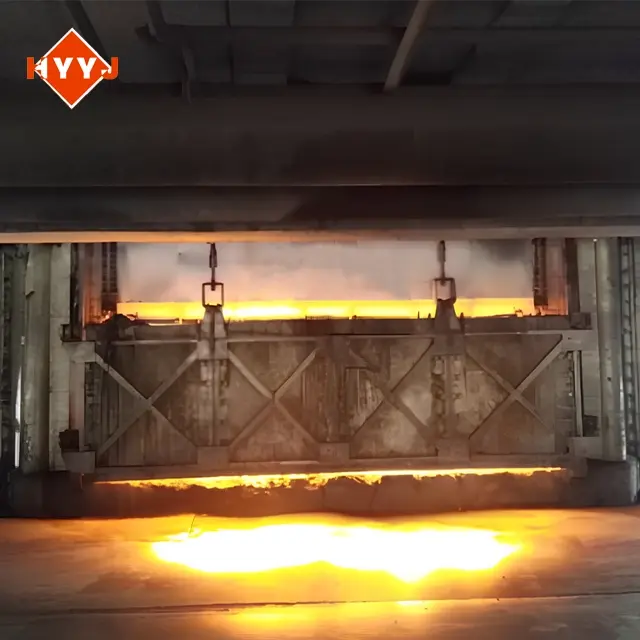
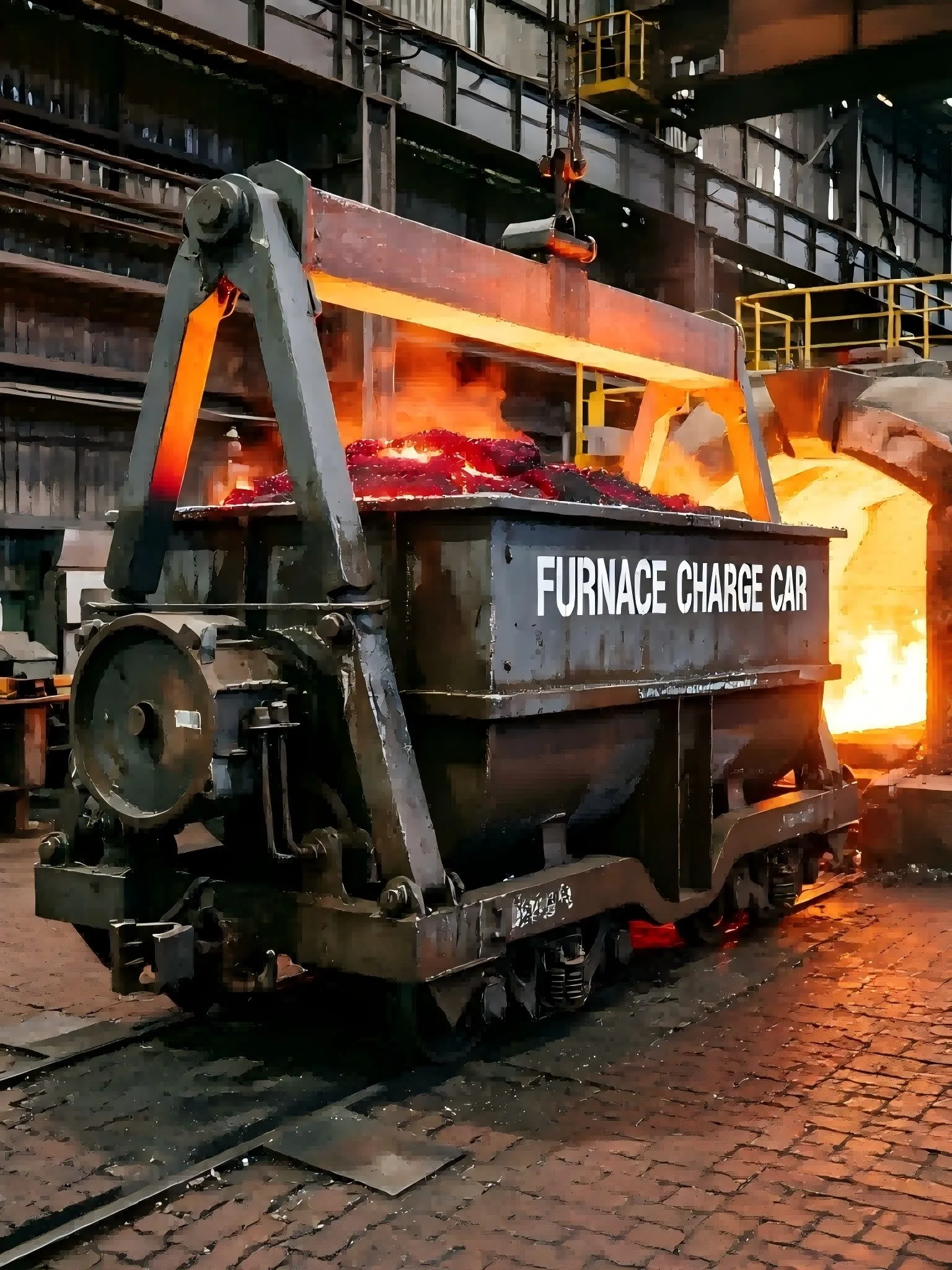
A furnace charge car is a heavy-duty industrial car designed to safely and accurately move raw materials like scrap metal, alloys, additives, or ingots to the holes of a furnace. Unlike overhead cranes, which drop things suddenly, these cars use controlled feeding systems, such as vibration systems or hydraulic moving platforms, to keep the flow of things in check. This controlled delivery keeps workers away from dangerous high-temperature areas and saves the furnace's refractory linings from damage caused by impacts.
In many places, modern charge cars are used as mobile mixing units. With built-in load cells, they can weigh materials while they're in motion and provide exact recipe amounts, so there's no need to guess and fewer mistakes in the metalworking process. This dual role—transportation and measurement—combines two important tasks into a single automatic system, which reduces the need for human work and speeds up cycle times.
Key Design Features Driving Efficiency
The engineering behind these cars takes harsh situations into account. Radiant heat over 1200°C can't hurt the heavy-gauge steel frames, and insulated electrical boxes keep sensitive PLC control systems safe from thermal stress. Variable frequency drives allow for soft starts and stops, which keep the load from moving and make sure that the acceleration is smooth even when 80-tonne loads are being carried.
At NewHeyuan, our charge cars have positioning devices that ensure the furnace mouths line up properly, so you don't have to make any changes by hand. Splash protection screens keep workers and equipment nearby safe from molten metal splashes while the machine is charging. These useful design features lower the risk of accidents while keeping production speeds steady. Heat-resistant parts make equipment last longer, which lowers the cost of repair and cuts down on unexpected maintenance stops.
Industrial Applications Across Sectors
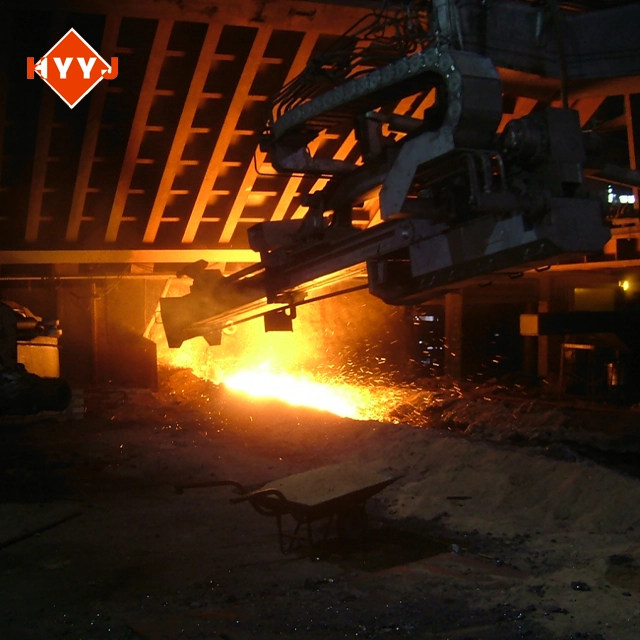
Steel companies use charge cars to back-charge electric arc furnaces. To maximise the melting process, they place heavy scrap at the bottom and lighter turnings on top. When iron is fed into reverberatory furnaces in aluminium-making plants, stainless steel-lined cars keep the iron from getting dirty. Automatic charge cars in non-ferrous metal plants can handle a wide range of materials, from copper concentrate to ferroalloys. Feeding rates can be changed using touchscreens.
Accurate mixing makes it possible for glass factories to obtain silica sand and flux materials in the right amounts. Smaller models are used on ceramic production lines to move raw clay and additions to the kilns. This range of uses across industries shows how flexible material handling technology boosts productivity no matter the needs of the business.
Comparing Furnace Charge Cars: How to Choose the Right Solution for Your Plant?
Charge Cars vs. Ladle Cars: Understanding Operational Differences
Furnace charge cars and ladle cars both help with metalworking processes, but they do different things. Ladle cars move melted metal from one processing station to the next, while charge cars move solid raw materials to furnaces. Charge cars need turning or vibrating systems to control the rate at which materials are fed in, and ladle cars require strong support systems to keep molten metal from spilling out while they're moving. Buying teams can choose the right tools for each stage of production when they know about these changes in function.
Charge cars usually run on straight train tracks that line up with the fronts of furnaces. This lets charging processes happen over and over again. Depending on the size of the oven and the mass of the material, they can hold anywhere from 5 to 80 tonnes. Ladle cars, on the other hand, have to deal with more complicated steering systems because they often have to go along curved lines that connect several stops. Knowing these operating differences will help you buy tools that really fix your workflow problems instead of just adding to what you already have.
Electric vs. Diesel Models: Balancing Performance and Environmental Impact
Electric charge cars are most common in current setups because they are clean to use and have accurate speed controls. Cable reel systems or conductor train power sources get rid of emissions inside buildings, which improves the air and lowers the cost of ventilation. Electric drives are better at controlling force at low speeds, which is critical when putting big loads close to furnace openings. Energy use stays stable, which makes practical planning easier.
Diesel models are particularly well-suited for use outside or in places that don't have stable electrical connections. They don't depend on the power grid and are easier to install because they don't need cable control systems. But the price of fuel changes quickly, and diesel engines need to be serviced more often than electric motors. Environmental laws are making it harder for diesel equipment to work in areas with many people, which could limit operating freedom in the future. Most mining plants prefer electric models for use in furnaces and diesel models for moving materials around the yard.
Capacity Selection and Material Compatibility
To choose the right load size, you need to look at how much your heater wants to heat and how often it charges. Undersized cars have to make more than one trip per heat, which extends the cycle time and makes the operators fatigued. Oversized equipment costs more to buy and takes up more space on the floor. We suggest figuring out the usual charge weights per heat and then adding 20% to allow for operational freedom.
The features of the material affect the design requirements. Hardox wear-resistant hopper linings are needed for abrasive materials like steel scrap, while stainless steel structures are needed for toxic materials. Materials with a high bulk density put most of their weight at the bottom of the bin, so the frame needs to be strengthened. Talking to manufacturers about your unique material mix will make sure that the equipment comes properly set up and doesn't need expensive changes during commissioning.
Automation Advantages for Consistent Output
Automated charge cars get rid of the need for human error by following the same charging routines during all jobs. Programmable logic devices store many recipes and have touchscreen displays that let workers choose the right mixes of materials. Before starting a feed cycle, sensors check the hopper's level and position to make sure they are correct. This stops costly charging mistakes.
Integrating with company SCADA systems lets you keep an eye on production in real time. From central control rooms, supervisors keep an eye on charging times, material use rates, and machine usage. Predictive maintenance algorithms look at motor vibration patterns and heat fingerprints to let maintenance teams know about problems that are starting to happen before they happen. Compared to reactive maintenance strategies, this data-driven method cuts down on emergency fixes by as much as 40%.
Maintenance and Safety Best Practices to Maximise Productivity
Establishing Routine Inspection Schedules
Regular preventative maintenance keeps machinery reliable and makes it last longer. We suggest that you look over the machine every day to look for hydraulic leaks, broken wires, and loose bolts. As part of your weekly routine, you should grease the wheel bearings, test the emergency stop features, and make sure the temperature sensors are accurate. Deep inspections are done once a month to check for cracks in the structure, worn brake pads, and broken electrical connections.
Vibratory motors are the most stressed parts, and their bearings need to be re-greased with high-temperature lithium complex grease every 500 hours of use. Over time, eccentric weight settings change, which makes feeds less efficient. Every three months, the settings are adjusted to keep the best material flow rates. Keeping track of these tasks in digital maintenance logs helps find problems that keep happening and supports guarantee claims when they do.
Safety Protocols Protecting Personnel and Equipment
When working near molten metal, you need to follow strict safety rules. Before each charge cycle, splash guards must stay in place and not come off. Instead of guessing, operators should use laser tracking systems to check furnace mouth clearances. This will keep refractory linings from getting damaged in crashes. The emergency stop buttons must be checked once a week and never be blocked.
Thermal image cameras can find when electrical boxes or drive motors are getting too hot, which is an early sign that the insulation is wearing down. Setting up "exclusion zones" around busy charge cars keeps people who aren't supposed to be there from getting into dangerous places. Regular safety training encourages the right way to do things, which lowers the risk of accidents and lowers the cost of insurance.
Selecting Suppliers With Comprehensive After-Sales Support
When you buy a furnace charge car, you're starting a long-term relationship, not just a one-time deal. Check to see if possible providers have the parts you need, how quickly they can help you with technical issues, and what kind of warranties they offer. Heyuanxin keeps a large stock of extra parts to make sure that important parts ship within 48 hours. Our expert team can diagnose software problems remotely over secure internet connections, so you don't have to pay for expensive site trips.
The structure should be covered by the warranty for at least five years, and the electrical parts should be covered for two years. Make it clear if the cost of work for warranty repairs is included or paid extra. Suppliers who offer on-site training during approval help operators get better faster and have fewer problems when starting. With full after-sales help, investments in equipment become reliable production assets instead of constant upkeep headaches.
Procurement Insights: How to Buy or Lease a Furnace Charge Car Efficiently?
Evaluating Total Cost of Ownership
The price of buying a furnace-charge car is only one part of how much it will cost over its lifetime. Figure out how much energy is used by using daily working hours and the current cost of power in your area. Use the service schedules and part prices given by the seller to figure out how much you expect to spend on upkeep. Include the costs of teaching operators and the possible gains in output that could come from using automation.
Leasing agreements lower the amount of money that needs to be paid up front while keeping credit lines open for other purchases. The monthly lease payments are always the same, which makes budgeting easier. Some deals cover repair services, which shift the risk of breakdowns to the lessors. But over the life of the tools, overall lease costs usually end up being higher than outright buy prices. To find the best way to buy something, you should look at your facility's finances and output schedule.
Custom Manufacturing vs. Standard Models
Standard charge cars are reliable and work with most burner setups and types of materials. They also offer faster delivery times. Custom designs are made to fit the plan of a specific building, meet specific material handling needs, or work with current automation systems. Heyuanxin has designed charge cars that can go around corners, fit into buildings with low space, and work with rare earth materials that are poisonous.
Lead times are 4–8 weeks longer for custom models than for standard models, but the equipment is perfectly matched to practical needs. If you ask for specific CAD models before production starts, you can avoid having to make expensive changes after delivery. Talk openly about how much change costs; some features add very little cost, while others have a big effect on prices. Customisation and uniformity should be balanced to get the best performance and value for money.
Sourcing Trusted Furnace Charge Car Suppliers
Manufacturers with a good reputation keep certificates that prove their safety standards and quality management systems. ISO 9001 certification proves that production processes are stable, and ISO 45001 certification shows that a company is dedicated to managing worker health. Check to see if the patents and intellectual property holdings show real progress and not just copied designs.
When you can, go to factories and watch how they weld, where they get their parts, and how they test them. Ask for client references from similar businesses and get in touch with those clients personally to ask about how well the equipment works and how quickly the supplier responds. Established providers, like Heyuanxin, which has been serving the metallurgy industry for over 11 years, have track records that lower the risk of buying. Building ties with trustworthy partners is the best way to make sure that projects go smoothly and that you have effective long-term support.
Case Studies & Future Outlook: Real-World Workflow Optimisation with Furnace Charge Cars
Steel Mill Achieves 18% Productivity Increase
A steel mill in the Midwest switched from charging cranes by hand to using automatic furnace charge cars across three electric arc furnaces. In the past, two workers were needed per furnace to coordinate the moves of the crane, the placement of the bucket, and the timing of when the material would be released. Refractory damage happened every six months because of charging methods that weren't regular. This led to expensive repairs and output stops.
The plant cut the time it took to charge from 12 minutes per heat to 7 minutes per heat after putting in PLC-controlled charge cars with vibratory feeds. Refractory impact damage was removed by automated material placement, which increased the life of the covering to 18 months. Moving workers around let operators focus on keeping an eye on the melt chemistry, which made the steel quality more consistent. Calculations of yearly output showed that throughput increased by 18% while upkeep costs dropped by $340,000.
Aluminium Smelter Cuts Material Waste by 23%
When physically filling reverberatory furnaces, an aluminium smelting plant had trouble keeping recipes accurate. Operators guessed the amount of trash by looking at it, which led to uneven alloy compositions and higher refusal rates. Inefficient handling of the materials led to the furnace lid being opened many times, which lost heat energy and made melt times longer.
Using charge cars with built-in scales made sure that the recipes were followed exactly, to within ±0.5 per cent. By automating charging, the time it took to open the lid was cut by 40%, which saved 15% of the energy used. As a result of exact batching, compositional mistakes were removed, and material waste dropped by 23%. Within 14 months, the building got its money back from the tools it bought by saving money on energy and scrap metal.
Emerging Trends in Smart Material Handling
Next-generation charging cars have AI systems that figure out the best way to charge based on the conditions of the charger at the moment. Machine learning systems look at thermal image data and change the rate at which materials are fed in so that melt pool temperatures stay the same. Wireless sensor networks keep an eye on the health of all the equipment on a whole production floor and plan repair work for times when the factory is not running.
Battery-powered self-driving charge cars get rid of the need for wire management systems because they use LiDAR and RFID positioning marks to find their way around sites. These changes should lead to even higher output while making systems simpler. When plants buy flexible, upgradeable equipment, they can use these new technologies without having to replace whole systems.
Conclusion
Furnace charge cars improve workflow by automatically moving materials, mixing them correctly, and making the workplace safer. There have been big efficiency gains in steel mills and smelting plants, with shorter cycle times, longer equipment lives, and lower running costs. To choose the right equipment, you have to weigh your output needs against the equipment's capacity, power systems, and amount of automation.
Long-term success depends on regular maintenance and good relationships with suppliers. Regular checks keep expensive breaks from happening, and full after-sales help makes sure that problems are fixed quickly. When you buy or rent something, it's better to look at the total owning costs instead of just the purchase price to protect your investment.
Smarter, more self-sufficient systems are what the future of moving things looks like. By using current charge car technology today, plants lay the groundwork for incorporating tomorrow's innovations, which helps them stay ahead of the competition in markets that are becoming more demanding.
FAQ
What distinguishes a charge car from a ladle car in metallurgical operations?
Furnace charge cars use controlled feeding systems to move solid raw materials to furnaces, and ladle cars move melted metal from one processing station to another. To control the flow of materials and keep furnace linings from getting damaged by impacts, charge cars need systems that vibrate or tilt. Ladle cars need special stabilisation to prevent liquid metal from spilling out while they move. Even though they both serve metallurgical processes, their operating roles and engineering needs are completely unique
How often should vibratory motors be serviced?
High-temperature lithium complex grease needs to be re-greased in the bearings of vibratory motors every 500 hours of use. To keep feeding working as well as possible, the eccentric weight sets should be checked every three months. Thermistor protection methods let workers know when something is too hot. Regular repair keeps motors from breaking down too soon and extends their useful lives to 8–10 years in tough foundry circumstances.
Can charge cars be customised for unique facility layouts?
Of course. Custom solutions for curved trains, low-clearance buildings, special material handling, and integrating with current robotic systems are made by companies like Heyuanxin. Custom designs add 4 to 8 weeks to the delivery time, but they make sure that the equipment exactly meets the needs of the business. Talking about building limitations and material properties during the design phase keeps changes that are expensive after delivery from being needed.
Partner With a Trusted Furnace Charge Car Manufacturer
NewHeyuan is an expert at designing strong ways to move materials in harsh industrial settings. Our furnace charge cars can handle temperatures of up to 1200°C and use modern PLC control systems to put materials precisely. With load sizes ranging from 5 to 80 tonnes and customisation choices to fit your furnace's layout, we offer equipment that actually increases productivity rather than just taking up space on the floor.
We know the operational problems you face every day because we've been in this business for over 11 years and have multiple patents. Our full after-sales service includes quick access to parts, online tests, and training on-site for commissioning. Our ISO-certified manufacturing methods make sure that the standard of every unit we make is the same.
To talk about your material handling needs, email our tech team at sxhyyj606@163.com. We'll give you full technical specs, personalised quotes, and rough estimates of when the goods will be made. You can look at all of our products and ask for a meeting at hyyjfurnace-supply.com. Let's work together to make your process better.
References
1. Chen, W., & Liu, X. (2021). Advanced Material Handling Systems in Modern Steel Production. Metallurgical Equipment Engineering Press.
2. Thompson, R.J. (2020). "Automation Impact on Furnace Operations: A Productivity Analysis." Journal of Industrial Process Optimisation, 14(3), 287-304.
3. Patel, S.K., & Andersson, M. (2022). Safety Engineering for High-Temperature Material Transport Equipment. Industrial Safety Publications.
4. Zhang, Y. (2019). "Vibratory Feeding Systems: Design Considerations for Metallurgical Applications." International Conference on Furnace Technology Proceedings, 112-129.
5. Morrison, D.L. (2023). Total Cost of Ownership Models for Industrial Equipment Procurement. B2B Manufacturing Press.
6. Kumar, A., & Yoshida, T. (2021). "Predictive Maintenance Strategies for Heavy-Duty Material Handling Systems." Maintenance Engineering Quarterly, 28(2), 45-63.