
Is a Waste heat power generation device Worth It?
October 13, 2026
A waste heat power generation device is worth the investment for most energy-intensive industrial operations. Steel mills, cement plants, glass manufacturers, and chemical processors routinely discard 20–50% of total energy input as flue gas, cooling water, or hot exhaust streams. A properly engineered waste heat power generation device captures that thermal discharge and converts it into usable electricity without burning additional fuel. Based on field data from operating facilities, typical payback periods run 3–5 years, after which the electricity produced represents pure cost reduction. For plants spending millions annually on grid power, that return is difficult to ignore.
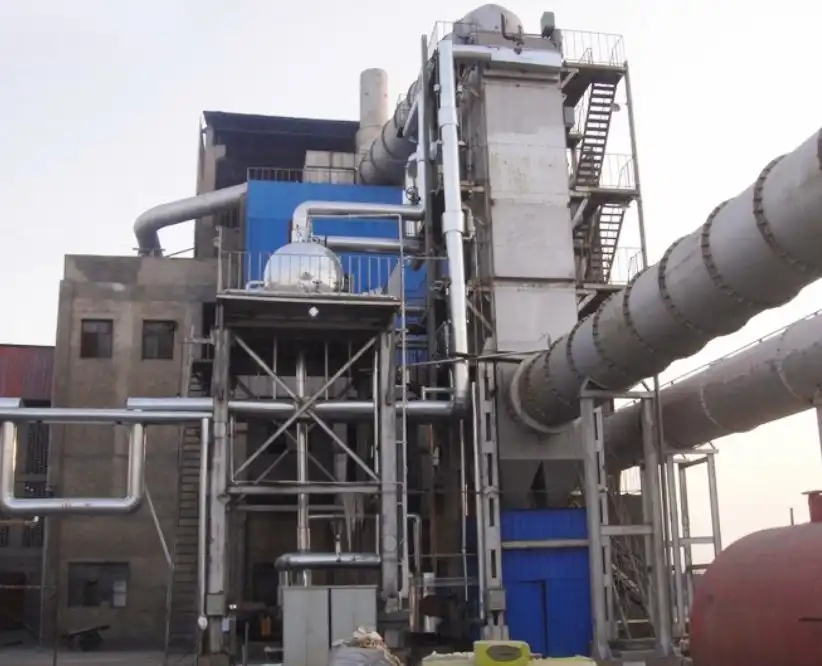
What Is a Waste Heat Power Generation Device?
The Basic Operating Principle
A lot of heat is released by industrial boilers, kilns, and reactors, and most sites just let it out into the air. The heat comes from high-temperature flue gas, process cooling water, or solid waste streams. A waste heat power generation device takes that heat and sends it through a heat recovery boiler. After the heat energy is recovered, it powers a steam turbine or an organic Rankine cycle (ORC) expander that is connected to a generator. This makes electricity without adding any extra fuel.
Key Technologies Inside the System
Today, business waste heat recovery systems are powered by three main thermodynamic processes. High-grade heat above 350°C is easily handled by Steam Rankine cycle (SRC) equipment. More types of heat can be used with ORC systems, even lincluding-grade heat from 80°C and up. Thermoelectric generators are used in specific situations where traditional generators would not work. Before making a commitment, procurement teams must compare the unique heat source traits to each cycle's efficiency profile, upkeep needs, and capital cost structures.
What the Numbers Look Like
The waste heat power generation device made by Heyuanxin can work in temperatures between 200°C and 1,200°C and can make between 1 MW and 50 MW of electricity. Its waste heat recovery efficiency is ≥70%. The rate at which energy is converted is between 25% and 40%, based on the heat grade. The system is designed to last more than 15 years and runs completely on its own with little help from an operator. Based on these specs, it fits right into the performance range that North American steel mills, cement plants, and big chemical facilities need.
How It Compares to Conventional Power Supply Options
Fuel Cost and Carbon Footprint
For every kilowatt-hour they create, traditional diesel or gas engines use primary fuel, which adds to their ongoing costs and releases CO₂ into the air. As a byproduct of a procthess, thermal energy that would otherwise be lost is used by a waste heat power generation device. After installation, the electricity that is made has almost no carbon emissions. This difference is important for facilities working to meet Scope 1 and Scope 2 emission reduction goals or to follow the U.S. EPA Clean Air Act because it affects their finances and rules.
Maintenance and Integration Complexity
Regular maintenance for conventional generators includes buying fuel, overhauling the engine, and fixing problems with the emission control system. Contrarily, combustion-related wear points are less common in waste heat recovery systems. The Heyuanxin system operates completely automatically and without supervision, which means that less work is needed when it is running normally. Integration with existing furnace infrastructure does require engineering work up front, but the company handles the whole process, from evaluating resources and designing schemes to installation and commissioning. This makes the buyer's engineering team's job a lot easier when it comes to integration.
Scale Flexibility for Different Operations
These are the main features that make these kinds of tools flexible in terms of scale:
- Power output range: 1 MW–50 MW, covering small processing facilities through large integrated steel mills.
- Applicable heat sources: High-temperature flue gas, process wastewater, and solid waste residuals from steel, cement, glass, and chemical operations.
- Temperature tolerance: Handles heat sources from 200°C up to 1,200°C, including the extreme exhaust temperatures produced by electric arc furnaces.
- Delivery timeline: 15–45 days, supporting both new plant construction schedules and retrofit timelines.
With these specs, a single piece of equipment can meet the needs of both a medium-sized cement plant and a big steel mill, without the need for a completely different system design. When looking for a waste heat power generation device to sell at more than one plant, procurement teams can stick to one supplier and one service framework.
Installation, Maintenance, and Operational Realities
Planning the Installation
A thermal recovery power system is not something that can be put in place and left alone. Before choosing equipment, the site must be properly evaluated. This includes measuring the volume of flue gas, making temperature profiles, and analyzing flow consistency. Heyuanxin's expert team evaluates resources up front to make sure that system requirements match up with real-world plant conditions. This step keeps you from making the common mistake of either undersizing or oversizing the heat recovery boiler, which would greatly hurt the overall economics of the system.
Scheduled Maintenance Requirements
For systems that use steam, major checks should be done every 30,000 to 40,000 hours of running. Sometimes, ORC variants need to have their working fluid topped off and their mechanical seals checked. Shaanxi Heyuan backs up its waste heat power generation device with long-term O&M services. This makes sure that the supply of spare parts and the speed of technical support don't become production risks. The company has been installing furnaces for over 11 years and has finished more than 400 installations around the world. Its service infrastructure is already well-established in major industrial markets.
Common Operational Challenges
One problem that comes up in steel and metalworking is that batch processing creates heat flows that aren't steady and can make turbine output unstable. Shaanxi Heyuan solves this problem with adaptive control logic that keeps power production stable even when the furnace runs in cycles. Cement rotating kilns, on the other hand, constantly release hot gases that also carry large amounts of dust. The company builds special cleaning systems into cement plants to keep heat exchangers from getting clogged up. This keeps the efficiency of heat transfer over time without having to schedule unplanned downtime.
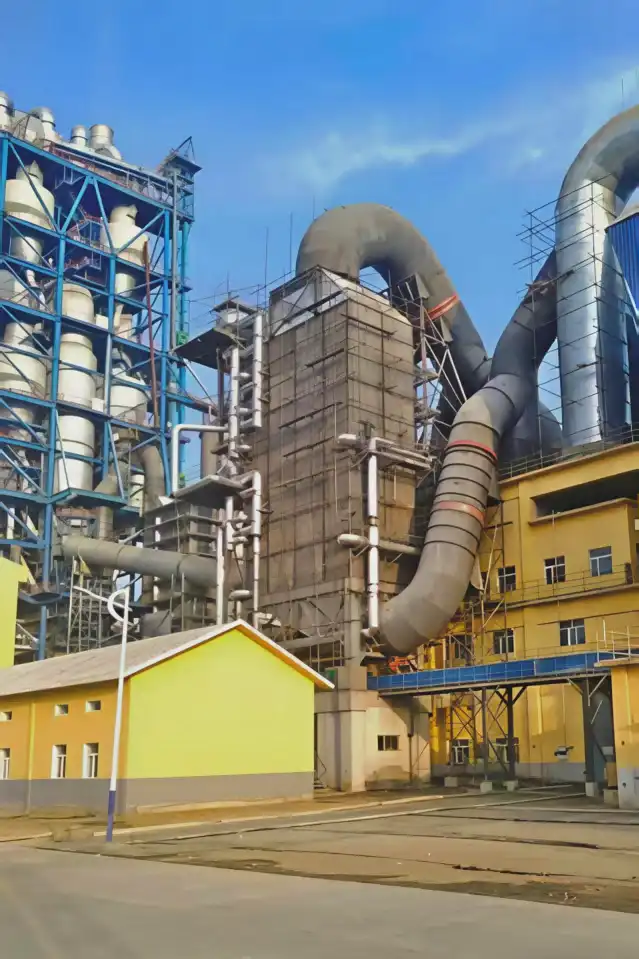
Economic and Environmental Impact
ROI Analysis Across Industrial Scenarios
In high-temperature situations (usually above 500°C), the initial investment usually pays for itself in two to three years. Lower-grade ORC units that work below 300°C usually need three to five years to pay for themselves, though this depends on the cost of power in the area and how many hours the plant is run. If an American steel mill runs an electric arc furnace 300 days a year and the cost of electricity is the same as it is now, it should be able to recover its investment costs within that time frame and make money from selling extra power or buying less power from the grid.
Environmental Compliance and Incentives
The U.S. government investment tax credit (ITC) and different state-level energy efficiency incentive programs can make it much cheaper to buy the equipment needed to build waste heat recovery systems that qualify. In addition to getting incentives, facilities that show they have reduced greenhouse gas emissions in a way that can be measured also get reporting breaks from the EPA and can improve the ESG information they give to investors and customers. A properly documented installation of a waste heat power generation device gives energy recovery data that can be checked and helps with both government reporting and voluntary carbon reduction commitments.
Trusted Suppliers and Procurement Options
What to Look for in a Waste Heat Power Generation Device Manufacturer
A good company that makes waste heat power generation devices should have ISO 9001 quality management certification, be able to show that their products have been installed in similar industrial settings before, and offer expert help after the devices have been set up. For the U.S. market, equipment should meet the requirements of the ASME Boiler and Pressure Vessel Code.
The people at Heyuanxin have certifications in workplace health management systems, ISO 9001 quality management, and ISO 14001 environmental management. The business also has more than ten utility model patents and more than ten computer software copyrights. It has also been recognized at the provincial level as an enterprise and has 3A credit enterprise status, which are all credentials that B2B procurement teams can check on their own.
Procurement Models Available
Heyuanxin can be hired as a direct waste heat power generation device provider for simple equipment purchases, or the job can be set up as a full turnkey project that includes design, manufacturing, installation, and testing. The turnkey model makes it easier for large EPC contractors to coordinate projects with multiple vendors when they are working on industrial builds in more than one location. The company has a 400-person technical team with 11 top industry experts who can also make custom engineering solutions for heat sources that don't fit standard setups.
Conclusion
For steel mills, cement plants, glass factories, and chemical processors that work in places that use a lot of energy, a waste heat power generation device is a real asset. The economic case—lower energy costs, payback in two to five years, and government incentives—is backed up by field statistics, not just projections. Benefits to the environment are in line with changes in U.S. law. Businesses looking at thermal energy recovery choices don't really need to know if the technology works or not. What they need to know is how to choose the right tools and supplier for their project.
FAQ
What industries benefit most from waste heat recovery power systems?
These byproducts include electric arc furnace exhaust, rotary kiln gases, and reactor cooling streams.
What is a realistic ROI timeline?
In high-temperature situations above 500°C, the investment usually pays for itself in two to three years. Lower-grade heat sources usually need three to five years, but this depends on the cost of electricity, how long the plant is open, and any government incentives that are available.
Can the system operate independently from the grid?
Yes. If the system has a synchronous generator and the right switchgear, it can run in island mode, which means it can provide backup power when the grid goes down. This is a big benefit for factories that need to keep making things.
What temperature range does the equipment support?
Heyuanxin's system can handle heat sources from 200°C to 1,200°C, which includes almost all industrial exhaust conditions, from low-level process heat to very high temperatures from an electric arc furnace.
What maintenance does the system require?
Every 30,000 to 40,000 operating hours, there will be a major review. Sometimes, ORC variants need more working fluid added to them. Heyuanxin offers long-term O&M help to make sure that maintenance doesn't cause an unexpected interruption to operations.
Ready to Calculate Your Plant's Energy Recovery Potential? Contact Shaanxi Heyuan Today
Shaanxi Heyuan's waste heat power generation device can handle power levels from 1 MW to 50 MW, recovers over 70% of the heat, and lasts for more than 15 years. As a well-known company that makes waste heat power generation devices with more than 400 installations around the world, ISO certifications, and a dedicated expert team, we offer full project support from the initial review to long-term operation and maintenance. To get a site-specific energy recovery study, email our engineering team at sxhyyj606@163.com.
References
1. Tchanche, B. F., Lambrinos, G., Frangoudakis, A., & Papadakis, G. — Renewable and Sustainable Energy Reviews, 2011.
2. Vélez, F., Segovia, J. J., Martín, M. C., Antolín, G., Chejne, F., & Quijano, A. — Renewable and Sustainable Energy Reviews, 2012.
3. Brückner, S., Liu, S., Miró, L., Radspieler, M., Cabeza, L. F., & Lävemann, E. — Applied Energy, 2015.
4. U.S. Department of Energy, Industrial Technologies Program — Waste Heat Recovery: Technology and Opportunities in U.S. Industry, 2008.
5. Peris, B., Navarro-Esbrí, J., Molés, F., & Mota-Babiloni, A. — Applied Thermal Engineering, 2015.
6. Jouhara, H., Khordehgah, N., Almahmoud, S., Delpech, B., Chauhan, A., & Tassou, S. A. — Energy, 2018.


YOU MAY LIKE