
Industrial Refining Furnace vs. Melting Furnace: Key Differences
August 14, 2026
When planning metallurgical equipment investments, understanding the distinction between an industrial refining furnace and a melting furnace becomes essential for achieving production goals. An industrial refining furnace specialises in purifying molten metals by removing impurities such as sulphur, phosphorus, and dissolved gases while precisely adjusting alloy compositions to meet stringent quality standards. Melting furnaces, conversely, focus on converting solid metal scraps or raw materials into liquid form for casting or further processing. These fundamental differences in purpose directly influence operational efficiency, product quality, and long-term cost management for steel mills, mining enterprises, and metallurgical equipment contractors across the United States.
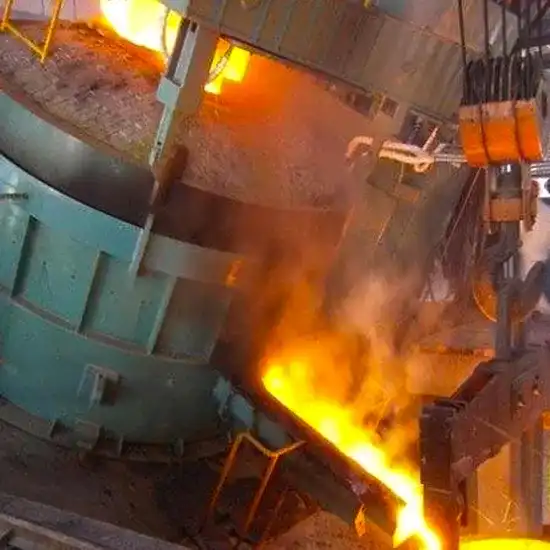
Understanding Industrial Refining Furnaces and Melting Furnaces
Primary Functions of Refining Systems
For the secondary steelmaking and metal purification processes, industrial refining furnaces function as complex chemical reactors. These systems work with liquid metals that have already been through the first stages of melting. They only care about getting rid of impurities and making sure the makeup is correct. In refining, metallic processes happen in carefully controlled atmospheric conditions that include vacuum degassing, argon stirring, and precise temperature control. The refining systems at Shaanxi Heyuanxin can get rid of more than 99.5% of impurities, turning standard-grade metals into high-performance materials that can be used in aerospace parts, automotive chassis, and electronic-grade tasks. The equipment keeps the temperature accurate to within ±5°C, which makes sure that the metallurgical results are the same from batch to batch.
Core Capabilities of Melting Furnaces
Melting furnaces focus on using heat efficiently and breaking down solid metals quickly. To quickly reach melting points, these units use induction heating, electric arc technology, or fuel combustion. They then turn scrap metal, alloyed materials, or new ores into uniform liquid states. The main goal is to get full melting at the right temperatures, not to fine-tune the chemical control. Most melting systems can work with a wider range of temperatures and different types of feedstock. This makes them perfect for foundries and casting processes that need to get things done quickly rather than using very exact chemicals.
Process Workflow Distinctions
The different ways these furnaces work show what specific roles they play in the metal production chain. Different solids can be turned into uniform liquids in melting furnaces, and good melts can be turned into precision-engineered alloys by refining equipment. In most production processes, melting comes first, then moving to systems for processing, where controlled desulfurisation, deoxidation, and alloying take place. This separation lets each type of furnace do its job well without lowering efficiency because it has to work for more than one purpose.
Key Technical Differences and Performance Comparison
Structural Engineering and Design Philosophy
Advanced refractory linings made of high-purity magnesia-carbon or alumina bricks are used in refining equipment to protect it from the harmful effects of slag during the cleaning process. Instead of just being able to handle high temperatures, the furnace's body is made to be resistant to chemical attack. The industrial refining furnace from Shaanxi Heyuanxin is made of materials that don't rust and can be used continuously for more than three years without stopping. This reduces the cost of upkeep and the amount of time that production is interrupted. Designs for refining include vacuum-tight seals, precise electrode positioning systems, and high-tech gas pumping ports that make it possible for the complicated metallurgical processes needed to get rid of impurities.
Optimised crucible geometries and insulation configurations that speed up heat transfer are used in melting furnaces to make them more thermally efficient. The main job of structural parts is to handle sudden changes in temperature and thermal shock from cold charge materials. In return for faster melting times and easier operational routines, the design theory is willing to accept higher rates of refractory wear.
Temperature Control Precision Requirements
Management of temperature is a key performance difference between these types of furnaces. Because compositional changes and degassing processes take place within small temperature windows, industrial refining furnaces require exceptional thermal stability. The systems at Shaanxi Heyuanxin keep the temperature within ±5°C of accuracy across all working areas. This allows for precise metal control during all refining cycles. Because of this steadiness, chemical processes don't happen by accident, and the same high-quality results happen every time. Refining steel usually takes place between 1500°C and 1700°C, while handling aluminium and copper alloys needs temperatures between 700°C and 900°C, with the same level of accuracy.
Since the main goal of melting furnaces is to get enough superheat above the liquidus point, they can work with a wider range of temperatures. Temperature changes of at least 20°C are still fine as long as the material melts completely. This makes control systems easier and heating processes faster.
Energy Consumption and Efficiency Patterns
Different types of furnaces use a lot of energy in very different ways because they are used for different things. Depending on their size, refining processes use between 100kW and 500kW of energy. This energy is used to keep the temperature stable and power extra systems like vacuum pumps, stirring mechanisms and equipment that controls the atmosphere. Because of the long waiting times needed for complete purification, energy use stays steady instead of going through high-demand waves. Shaanxi Heyuanxin's refining systems make the best use of power by distributing it evenly among heating elements and process equipment. This saves more energy and keeps the exact conditions needed to remove impurities and change the metal.
The most energy is needed during the initial heating stages of melting, when solid materials are absorbing the most heat. Once the melting is done, a lot less energy is needed, which creates cyclical patterns of energy use. Total energy per tonne melted often looks lower than refining, but this doesn't take into account the quality changes that refining makes that add value.
Capacity and Throughput Considerations
Different types of furnaces have different ways of working, which can be seen in their capacity specs. Industrial refining furnaces usually weigh between 5 and 50 tonnes, and their shapes can be changed to fit the needs of each production. The capacity is for holding and working with molten metal, not solid materials. The throughput is based on the length of the refining cycle, which is usually 30 to 90 minutes but can be longer or shorter depending on the quality of the initial melt and the target specifications. For each customer, Shaanxi Heyuanxin creates refining systems that are exactly the right size for their output needs. This makes sure that the process works as efficiently as possible without needing too much capital.
Melting furnaces list their capacity based on the weight of the solid charge and the speed at which it melts. The output is measured in tonnes per hour. Higher daily tonnage numbers are possible because melting equipment can cycle faster, but the output needs to be refined later to meet strict quality standards for demanding applications.

Operational Considerations and Maintenance Best Practices
Maintenance Protocols for Refining Equipment
Specific upkeep methods are needed to keep refining systems working at a high level of accuracy. Regular checks use laser profiling to measure the thickness of the refractory lining and find wear patterns before they become major problems. To keep the arc properties and heating even, methods for placing the electrodes need to be calibrated on a frequent basis. Checks of the vacuum system's soundness, such as finding helium leaks, make sure that the degassing works as expected. In addition to quick technical help and detailed upkeep advice, Shaanxi Heyuanxin uses proactive intervention strategies to keep downtime to a minimum. The company's maintenance procedures keep the performance levels of furnaces at a high level so they can keep making high-quality metals.
Porous plugs and gas injection lances for stirring with argon need to be replaced every so often because clogged pores make stirring less effective. Modern refining operations depend on automated monitoring tools that are kept up to date with software updates for control systems and sensor calibrations. Maintenance times are usually planned to happen during planned breaks in production, so there are no sudden stops.
Safety Standards and Compliance Protocols
Following safety rules keeps people safe and makes sure that operations run smoothly every time. For structural stability, industrial refining furnaces must adhere to Section VIII of the ASME Boiler and Pressure Vessel Code, especially for water-cooled parts that could explode from steam. For vacuum refining equipment, there need to be more safety rules about how to use pressure vessels and how to depressurise them in an emergency. Following AMS 2750 standards for temperature uniformity studies confirms consistent heating patterns that stop areas from getting too hot and could cause structure failures.
Operator training programs stress the right way to handle an emergency, how to use personal protective equipment correctly, and how to spot warning signs that equipment isn't working right. Shaanxi Heyuan gives full training to workers during system setup to make sure they are ready for work before it starts. Environmental management system approvals show that the company is dedicated to environmentally friendly production methods that meet stricter government standards.
Critical Component Management
To keep performance standards from dropping, key parts need to be carefully tended to. The main thing that wears out is the refractory lining, which should be replaced every three years under standard working conditions. High-purity refractory materials can handle slag corrosion and thermal cycling better than standard grades. This makes their higher cost worth it because they last longer between repairs. In electric arc refining furnaces, electrode systems slowly lose their power, so they need to be watched and adjusted to keep the power flow steady and the burning even.
Seal repairs and oil changes are timed to match the vacuum pump's working hours to make sure that degassing works as well as it should. For accurate atmosphere management during refining cycles, gas flow control valves and pressure regulators need to be calibrated.
Procurement Insights: How to Choose Between Refining and Melting Furnaces?
Evaluating Production Requirements and Quality Targets
Before choosing equipment, it's important to have a clear understanding of the mechanical goals and quality standards. While manufacturers of aerospace alloys, automotive safety components, or electronic-grade materials need industrial refining furnace technology to achieve the required purity levels, operations producing commodity-grade castings may only require melting capability. Ladle refining is something that melting furnaces can't do for steelmakers who want to make ultra-low carbon grades with less than 30 parts per million. Aluminium makers who make parts for semiconductors need refining systems to get rid of gases and precisely control the composition of their products.
The type of metal has a big effect on the burner that is chosen. Temperatures between 1500°C and 1700°C that can remove sulphur and oxygen are needed for steel refining. Copper and aluminium metals need to be able to work in temperatures between 700°C and 900°C and have gas removal devices that work well. Shaanxi Heyuanxin can make configurations that are specific to ferrous and non-ferrous metals and uses. This makes sure that the equipment specs exactly match the production goals.
Cost-Benefit Analysis and Return on Investment
Due to their advanced control systems, suction capabilities, and refractory materials, industrial refining furnaces require a higher initial investment than melting equipment. But for makers who sell to high-value markets, the extra cost is worth it because processing improves the quality. Getting rid of impurities from 0.05% to less than 0.005% lets you get supply contracts for aircraft and automotive, which have much better profit margins than sales of commodity metals. Controlling component variation to within ±0.05% gets rid of the expensive rejection rates and rework costs that come with materials that don't meet specifications.
Operating costs include the amount of energy used, the cost of replacing refractories, and the cost of repairs. Shaanxi Heyuanxin's efficient designs keep power use to a minimum and extend the service life of refractories beyond three years. This lowers the total cost of ownership compared to less advanced options. Long periods of downtime that would otherwise hurt production plans and customer responsibilities are avoided by being able to respond quickly to maintenance needs. Over the course of a normal 10 to 15-year equipment lifetime, investments in refining systems pay off in a big way through higher quality standards, less waste, and access to higher-end market groups.
Supplier Selection Criteria
Picking reliable tool sellers has a huge effect on the long-term success of an operation. Manufacturers with a lot of patents and quality certifications show that they know a lot about technology and want to keep getting better. Shaanxi Heyuanxin has ISO quality management, environmental management, and workplace health certifications. It is also recognised as a provincial company and has 3A-level credit standing, which shows that it runs a trustworthy business. The company has been doing metallurgical engineering for over 11 years and has installed more than 400 systems around the world. This proves their technical skills and track record of happy customers.
Offering turnkey services that include planning, manufacturing, installation, commissioning, and ongoing expert support makes it easier to carry out projects and coordinate people. Customisation features make sure that the configurations of equipment meet the specific needs of each production run, instead of making practical compromises to fit standard designs. After-sales support responsiveness has a direct effect on production continuity. This is why a quick repair answer is one of the most important things to look at when choosing a seller.
Industry Use Cases and Future Trends
Steel Production Applications
The main use of industrial refining furnace technology is in the production of secondary steel. Ladle furnaces and vacuum oxygen decarburisation systems clean up liquid steel that comes from basic oxygen furnaces or electric arc furnaces by getting rid of impurities and changing the makeup to meet strict requirements. To make ultra-low carbon steel for car frames and structural parts, the carbon content has to be lowered below 30 parts per million, while the temperature has to be carefully controlled before the steel is poured continuously. Argon stirring is used in the refining process to move non-metallic inclusions into slag layers, where they can be removed. This makes the steel much cleaner and better at its mechanical qualities.
The end product's performance is based on how accurately the alloy is added. Industrial refining furnaces are controlled settings where expensive alloying elements can be added without losing any of their properties through oxidation. This makes the best use of materials and ensures precise composition. This skill helps make special kinds of steel that are used in construction, energy infrastructure, and manufacturing equipment.
Non-Ferrous Metal Processing
To make high-purity copper, kilns that go through oxidation-reduction processes remove sulphur and oxygen. This makes the copper 99.9% pure before it is electrolytically processed. Suppliers to the semiconductor industry need this level of refinement to meet strict material requirements. Refinement of aluminium alloys is mostly about getting rid of dissolved gases by vacuum degassing or inert gas purging. This gets rid of hydrogen, which would otherwise make castings have porosity problems. The imperfection levels in Shaanxi Heyuan's systems are less than 0.005%, which meets the high quality standards needed in electronics, aircraft, and precision manufacturing.
Using tilting rotary refining furnaces to separate gold and silver from other materials in complex material streams is a new way to recover precious metals from electronic waste. For these processes to work, the linings need to be chemically strong so they can handle harsh fluxing agents and still reach 99.99% purity levels that are acceptable for the jewellery and gold markets.
Emerging Technologies and Automation
Integration of Industry 4.0 changes how furnaces work by collecting data in real time, using predictive maintenance algorithms, and automating process optimisation. Modern industrial refining furnaces have smart control systems that constantly watch hundreds of factors and look for small changes that could mean the equipment is breaking down or the process is drifting before they have an effect on the quality. Machine learning algorithms change how power is distributed based on real melt conditions instead of set plans. This makes the best use of energy.
Sustainability in the environment leads to the creation of more efficient heating methods and better systems for controlling emissions. Improvements in refractory materials make them last longer and produce less waste. Automation lowers the work that operators have to do while also making the process more consistent. This helps industrial sectors that have trouble finding workers. Because of these changes in technology, refining equipment is becoming more complex. It gives companies measurable competitive advantages by making their products better and running their businesses more efficiently.
Conclusion
Selecting between industrial refining furnaces and melting furnaces requires a full understanding of their different operating purposes, technical capabilities, and economic effects. Melting equipment is very important for turning solids into liquids, and processing systems are needed for high-value uses that need precise cleaning and compositional control. When making investment choices, tools should be matched with specific output needs, quality goals, and strategies for positioning in the market. Shaanxi Heyuanxin offers complete solutions for all of your metallurgical equipment needs, from the initial melting to the final refining. Their solutions are backed by a lot of technical know-how and dependable customer service.
FAQ
What metal purity levels can industrial refining furnaces achieve?
Modern refining systems regularly get rid of more than 99.5% of impurities, and the most advanced ones can get valuable metals and electronic-grade materials to levels of purity above 99.99%. The equipment made by Shaanxi Heyuanxin lowers the impurity content to below 0.005%, which meets the needs of the aerospace and semiconductor industries. How pure something can be relies on the quality of the melt at the start, how long the refining process lasts, and the specific metallurgical methods used to maintain the industrial refining furnaces at peak performance.
Can one furnace perform both melting and refining functions effectively?
There are mixed burners, but most of the time, specialised equipment works better for each job. When melting, fast heating and thermal efficiency are most important. Refining, on the other hand, needs exact temperature control and management of the atmosphere. When trying to do two things at once, you often end up hurting both of your skills. The most efficient ways to make things use separate melting and refining systems that are best for their jobs.
How does temperature control accuracy affect final product quality?
Accurate temperature has a direct effect on the rates of metallurgical reactions and the conditions of equilibrium during refining. Changes bigger than ±5°C can affect how well desulfurisation works, how well degassing works, and how well metal elements are recovered. The systems at Shaanxi Heyuanxin keep the temperature stable within ±5°C, which makes sure that the quality of the results is always the same. Precise thermal management stops processes that aren't supposed to happen and could change the makeup or add new impurities.
Partner with Shaanxi Heyuan for Superior Metallurgical Solutions
If you want to improve your metal production, you need equipment that combines technical performance, operational dependability, and long-term cost effectiveness. Shaanxi Heyuan provides complete solutions that include design, installation, testing, and ongoing technical support as a certified industrial refining furnace maker with over 11 years of metallurgical engineering experience. Our processing systems can get rid of more than 99.5% of impurities while keeping the temperature within ±5°C. This means they can meet the high-quality standards your users need. Get in touch with our technical team at sxhyyj606@163.com to talk about custom furnace configurations that will work best for your production needs. Visit hyyjfurnace-supply.com to see our full line of metallurgical equipment solutions, which are backed by ISO certifications and more than 400 successful installations around the world.
References
1. American Society of Mechanical Engineers. (2021). Boiler and Pressure Vessel Code, Section VIII: Pressure Vessels. ASME International.
2. Johnson, K.M., & Peterson, R.L. (2019). Secondary Steelmaking: Principles and Applications. Metallurgical Industry Press.
3. Zhang, L., & Thomas, B.G. (2020). "Inclusions in Continuous Casting of Steel." International Materials Reviews, 65(3), 133-181.
4. World Steel Association. (2022). Sustainable Steel: Indicators 2022 and Steel Applications in a Low-Carbon Future. Brussels: worldsteel.
5. Anderson, T.F. (2018). Industrial Furnace Design and Engineering: Principles and Practice for Metallurgical Applications. Cambridge University Press.
6. Fruehan, R.J. (2020). The Making, Shaping and Treating of Steel: Steelmaking and Refining Volume. Association of Iron and Steel Technology.


YOU MAY LIKE