
Need a Custom Furnace Dust removal chamber Solution?
August 14, 2026
A custom furnace dust removal chamber solution is essential when your metallurgical operations demand precise particulate control under extreme conditions. Standard off-the-shelf systems rarely accommodate the unique specifications of electric arc furnaces, intermediate frequency furnaces, or ladle furnaces operating at temperatures exceeding 1000°C. Tailored dust collection chambers capture initial smelting fumes directly at the source, preventing diffusion throughout your facility and reducing the burden on downstream filtration equipment while ensuring compliance with stringent environmental regulations.
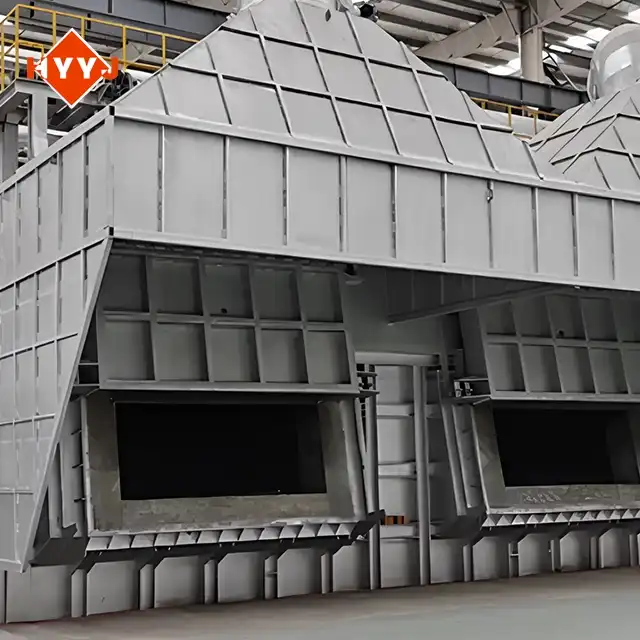
Designing Your Custom Furnace Dust Removal Chamber: Principles and Best Practices
A careful process study is the first step in designing a furnace dust removal chamber that works well. Your furnace type, production volume, dust characteristics, and space limitations can all affect the best way to set up your equipment. Cookie-cutter solutions don't work because each operation has its own specifics that need to be taken into account.
Core Design Principles
The results of success depend on how the air flows. The shape of the chamber needs to allow enough time for particles to settle while keeping their speeds low enough to avoid re-entrainment. Computational fluid dynamics modelling helps figure out how fluids will move and find areas where dust might build up without being collected. The placement of the inlet and exit has a big impact on how well the separation works. The right location creates swirling patterns that use centrifugal force to help separate particles.
The choice of materials affects how long a system will last in harsh conditions. The refractory-lined steel design can handle temperatures up to 1200°C and doesn't react with acidic or alkaline fumes. In vital zones, high-temperature metals stop warping and thermal fatigue. Expansion joints allow for heat growth without affecting the strength of the structure or the way the cover works.
Selecting the Right Chamber Type
Different uses for furnaces benefit from different chamber configurations. Electric arc furnaces that make ferrous metals produce strong heat spikes and large particles. For these processes, you need strong chambers with water-cooled panels and big settling volumes. When non-ferrous metals are melted in intermediate-frequency furnaces, they produce finer dust that needs more retention time and maybe even secondary cyclonic stages. During refining, ladle furnaces send out short bursts of dust, which means that rooms with surge capacity and quick cleaning systems are needed.
Small induction furnaces have chamber volumes of 0.5 m³, while big EAF sites have chamber volumes of 50 m³. This gives manufacturers a choice of how much to make. With modular designs, you can add more space as your business grows without having to replace the whole system.
Maintenance Strategies for Extended Service Life
Planned repair keeps the collection working well and stops surprise downtime. Online systems that clean ash using reverse air pulses or mechanical rappers get rid of dust buildup without stopping the furnace from working. This ability to clean continuously keeps the pressure difference low, which lowers the amount of energy used by the fan and keeps the furnace's draft control stable.
Inspection ports placed in key spots allow visual checks of the condition of the refractory, the level of filling in the hopper, and the structure's strength. When replacement is needed, quick-change wearing parts like throat sections, baffle plates, and discharge valves cut down on the time it takes to fix the problem. Our stock of high-temperature wearing parts ships within 48 hours, so you don't have to wait long for repair.
These ideas are shown through real-world examples. A steel mill in the Midwest combined our custom chamber with its 100-tonne EAF. This achieved 85% primary dust capture and cut the number of times they had to change their baghouse filters by 60%. A Californian company that makes ferroalloys got rid of its submerged arc furnace's obvious emissions by using a chamber made just for its own metal dust. These results show that engineering accuracy is matched with real-world operations.
Comparing Furnace Dust Removal Chambers: Finding the Right Fit for Your Business
There are a lot of different dust control methods on the market for industrial buyers, and each one works differently and costs differently. Knowing these differences can help you choose equipment that fits your needs and the needs of the government.
Efficiency and Performance Metrics
Furnace dust removal chambers are great at catching big particles, but they let smaller ones go through to secondary filters. For particles bigger than 20 microns, the main chamber usually works 80 to 85% of the time. Cyclone separators do the same thing, but they cause bigger drops in pressure, which means that bigger fans are needed. Baghouse filters catch 99.9% of particulates, but they can't handle direct furnace gas contact without cooling, which makes the equipment more complicated and costs more to buy.
Patterns of energy use are very different. Chambers cause very little pressure drop, usually less than 500 Pa, which keeps the fan power low. When cyclones happen, pressure drops by 1000 to 2000 Pa, but baghouses need 1500 to 2500 Pa. This makes the cost of electricity much higher over the life of the equipment. Which configuration gives you the best economic return depends on your energy rates and work hours.
Custom Engineering Versus Standard Products
Most off-the-shelf dust catchers don't meet the needs of industrial furnaces. Standard units can't handle high temperatures, can't be used with existing furnaces, and can't be changed to fit the chemistry of the dust. Custom-engineered chambers get around these problems by being designed to fit a specific purpose.
By adapting to the size of your furnace's mouth, you can get the best gas catch without using too much force, which would mess up the furnace's atmosphere or waste energy. Instead of using general, conservative ratings, make sure that the material specifications match the actual temperatures and levels of corrosion that will be used. Control interaction with furnace automation systems synchronises the collection of dust with production cycles, starting cleaning processes when production is low.
Aligning Selection With Business Objectives
When you decide what to buy, you should think about more than just the initial purchase price. Chambers with online cleaning and redundant discharge systems are helpful for facilities that want to keep their systems running as much as possible. When operations are focused on recovering products, chamber designs that keep the dust's chemical makeup for later handling are given the most weight. For factories that have to follow strict emission rules, chambers are necessary as part of multi-stage systems where primary capture lessens the load on high-efficiency final filters.
Environmental factors are becoming more and more important in choosing tools. As rules move toward lowering pollution limits and covering more pollutants, strong primary capture is more likely to happen. Investing in better dust control is a good thing for public relations because people are worried about visual emissions. Operators who think ahead know that today's voluntary emission reductions will become tomorrow's legal requirements.

Procurement Insights: How to Buy and Partner for Your Custom Furnace Dust-Removal Chamber?
To buy equipment successfully, you need to find a mix between technical specs, business terms, and the supplier's skills. Knowing about these factors helps get the best value while lowering the project's risk.
Evaluating Manufacturers and Suppliers
Assessing a supplier starts with looking at their expertise. Qualified sellers can tell the difference between general fabricators and those who have experience specifically with high-temperature dust gathering. For similar setups, ask for information about the working temperatures, types of dust, and number of years they've been in use. When you visit reference installations, you can see how well they really work compared to what the marketing claims say.
Getting certified shows that you are serious about quality management. Systematic process control is shown by ISO 9001 certification, while environmental and occupational health certifications (ISO 14001 and ISO 45001) show a greater sense of operational responsibility. Accreditations and organisations that are specific to an industry show that you are involved in developing professional standards.
Schedules for projects are affected by production ability and wait times. Companies that make their own parts have better control over quality and delivery times than companies that outsource major parts. Our 15–45 day completion plan shows that we can develop, make, and install everything in-house, with the help of 11 senior engineers and nearly 400 technical workers.
Understanding Commercial Terms
The prices for unique chambers depend on how complicated they are. Standard chamber configurations are included in the base price. However, engineered additions like special alloys, complex geometries, and instrumentation integration cost extra. Ask for detailed breakdowns that show the costs of materials, labour for fabrication, and engineering. This makes it easier to tell if the price is based on the real value or if the profit is too high.
Warranty coverage keeps your investment from breaking down too soon. Most structural warranties last between 36 and 60 months, while shorter warranties cover things like seals and refractories. To avoid disagreements, make it clear what issues are not covered by the guarantee, such as improper operation, lack of upkeep, or changes to the process. If you don't mind taking risks, the extra-cost extended guarantees might be a good idea.
Installation Support and Ongoing Service
Turnkey setups make it easier to coordinate and speed up the start-up process. When you get on-site inspection, design, installation, and testing services from the same provider, it's easier to keep track of the project and know who is responsible when problems happen. Before handing over, we do a site survey, make sure the base design is correct, plan the rigging, connect the utilities, and test the system's performance.
Long-term satisfaction depends on support after the sale. Quick technical support helps fix operational problems quickly, avoiding long periods of downtime. Our high-temperature parts ship within two business days, so repair windows are kept short. Performance audits done on a regular basis can help you find ways to make your system more efficient, even as production conditions change. Building relationships with dependable furnace dust removal chamber suppliers gives you an edge over your competitors. Most of the time, preferred vendor deals get you better technical help, priority booking, and bulk savings. Standardising on equipment that works with multiple furnaces makes training and keeping track of parts easier for facilities that use more than one burner.
Optimizing Performance and Future-Proofing Your Dust Removal System
To get the most out of your dust collection investment, you need to keep an eye on improving performance and being ready for regulatory changes. As time goes on, static installs become less useful, and as standards change, even systems that work may no longer be legal.
Advanced Performance Enhancement Techniques
Checking that the design conditions meet the real process is the first step in optimising airflow. Periodic measurements of speed at the chamber's entrances show that the capture is good enough without too much draft. When more than one burner uses the same collection system, adjusting the positions of the dampers evens out the flow of air. By adding variable frequency drives to induced draft fans, you can match the airflow to the level of production. This cuts down on energy waste during times when production is low.
Filtration media are always getting better at separating things and being able to handle different temperatures. Ceramic fibre screens can now handle temperatures above 900°C and catch particles smaller than 5 microns. Catalytic filter coatings break down dioxins and volatile organic compounds, which removes more than one pollutant at the same time. Adding better baffles, vortex finders, and particle detectors to existing chambers improves performance without replacing the whole thing.
Monitoring and Verification Systems
Objective performance data helps with choices about optimisation and keeps track of legal compliance. Continuous opacity monitors at the chamber outlets show emissions in real time and let operators know when efficiency is dropping before visible plumes appear. Pressure difference gauges placed across different chamber parts find unusual buildups or broken seals. Temperature monitoring at several locations finds hot spots, that mean there are problems with the structure and refractory breakdown.
Systems that log data make performance records that show how things have changed over time. As the pressure drops, it means that dust is building up and needs to be cleaned more often. Rising source opacity means that the media is breaking down or there is a seal leak that needs to be fixed right away. These insights make predictive maintenance possible, so problems can be fixed during planned outages instead of having to be fixed during emergency shutdowns.
Preparing for Evolving Regulations
As we learn more about how environmental factors affect health and as control tools improve, environmental standards keep getting stricter. Along with the old PM10 limits, the EPA now has rules for particulate matter below 2.5 microns (PM2.5). Metal-specific emission guidelines for mercury, cadmium, and lead say that dust collection systems need to be able to catch more dust and close better.
When you plan strategically, you think about these changes ahead of time instead of reacting after the fact. Creating a regulatory buffer means designing chambers with extra space for longer residence times, secondary filtration stages, and better monitoring tools compared to what is currently needed. As standards change, modular construction lets you make small improvements without tearing down existing infrastructure.
New technologies offer even more changes. Adding electrostatics to mechanical cells makes it easier to catch fine particles by clumping together charged particles. Hybrid systems that combine several ways of separating things into small packages save space and work better. By keeping up with these changes through technical conferences and industry groups, your facility will be ready to use new ideas as they become more mature.
Conclusion
Custom furnace dust removal chambers are important pieces of equipment for metallurgical processes that need to reliably control particulate matter in harsh circumstances. These specialised systems collect the first burning dust right where it comes from. This protects equipment further down the line and makes sure that regulations are followed and workers are safe. Long-term performance and value depend on how well the design takes into account airflow dynamics, material choice, and ease of maintenance. Choosing makers with a lot of experience who offer combined planning, high-quality fabrication, and quick after-sales support lowers project risk and raises operational return. Strategic investments in system changes and performance tracking keep things running smoothly while getting ready for stricter environmental standards. This keeps you competitive as regulations change.
FAQ
What makes a furnace dust-removal chamber different from standard dust collectors?
With the help of refractory materials and special construction, furnace chambers can withstand temperatures well above 1000°C. They connect directly to furnace openings so that they can collect high-concentration dust where it comes from instead of treating exhaust that has been watered down further downstream. This placement lets large particles be removed before gases reach temperature-sensitive filtration equipment. This keeps collection efficiency high while protecting capital investments. Normal industrial dust catchers can't handle the amount of particles and chemicals in mining fumes, and they can't handle heat either.
How do I determine the right chamber size for my furnace?
The size of the chamber depends on the amount of gas in the boiler, the amount of dust, and how well the target is captured. Engineers figure out how long the particles need to stay in the chamber based on their sizes and how fast they settle. They then describe the room's space. For example, chambers that are 20 to 40 m³ are usually needed for electric arc furnaces that produce 50,000 to 100,000 cubic meters of exhaust per hour. For smaller intermediate frequency furnaces that produce less than 10,000 cubic meters per hour, chambers that are 2 to 5 m³ work just fine. A professional evaluation of your unique situation is needed to ensure the best sizing so you don't waste money or time on something that is too small.
Can chambers be added to existing furnaces?
It is still possible to retrofit furnaces as long as there is good access and structural support near the openings. Site studies look at things like available utilities, space limitations, and how well the new system will fit with the old pipes. Modular chamber shapes make placement easier in crowded plant areas where single-piece vessels can't go. For retrofits to work, they need to be carefully coordinated with production plans so that there is as little downtime as possible during installation and testing, which are usually finished within two- to three-week outage windows.
Partner With Shaanxi Heyuan for Engineered Dust Collection Excellence
Shaanxi Heyuan is an expert at making custom dust removal systems for tough metallurgical tasks. Our furnace dust removal chamber regularly works at temperatures up to 1200°C and collects more than 80% of the furnace dust that comes in with, leakage rates below 0.3%. We take care of the whole project, including site studies, custom structural design to fit the layout of your furnace, precise manufacturing, professional installation, and full testing. Over 400 successful setups around the world show how skilled we are and how much we care about our clients' success. Our team of 11 senior engineers and almost 400 skilled professionals makes sure that we can deploy quickly and provide responsive support over time. Get in touch with our technical experts at sxhyyj606@163.com to talk about your dust collection problems and find out how our furnace dust removal chamber manufacturer can help you find reliable, legal, and cost-effective solutions that fit your needs. You can look at all of our metallurgical equipment and technical resources at hyyjfurnace-supply.com.
References
1. Smith, J.R., & Chen, W. (2021). High-Temperature Particulate Control in Metallurgical Processing. Industrial Environmental Engineering Press.
2. American Iron and Steel Institute. (2022). Best Practices for Electric Arc Furnace Emission Control Systems. Technical Report Series 47-B.
3. Patterson, M.K. (2020). Optimising Primary Dust Collection in Steelmaking Operations. Journal of Metallurgical Environmental Technology, 15(3), 234-251.
4. European Commission. (2021). Best Available Techniques Reference Document for the Ferrous Metals Processing Industry. Joint Research Centre Publications.
5. Zhang, L., Rodriguez, A., & Thompson, D.H. (2023). Performance Comparison of Furnace Dust Collection Technologies. International Journal of Industrial Air Quality, 29(2), 145-167.
6. National Emission Standards for Hazardous Air Pollutants. (2020). Compliance Guidelines for Iron and Steel Foundries: Dust Collection System Design and Operation. EPA Publication 453/R-20-004.


YOU MAY LIKE