
How to Optimize Temperature Control in an Industrial Resistance Furnace?
July 3, 2026
Optimising temperature control in an industrial resistance furnace requires a strategic approach combining proper heating element selection, advanced control systems, and regular maintenance protocols. The industrial resistance furnace operates via electrical resistance heating, where current passes through specialised elements to generate thermal energy with precision. Effective optimisation hinges on matching element materials to their operating ranges, implementing PID or PLC control architectures for real-time adjustments, and maintaining insulation integrity to minimise thermal loss. These integrated strategies ensure temperature uniformity within ±5°C tolerances, enhance energy efficiency by up to 30%, and extend equipment lifespan while maintaining consistent product quality across metal treatment and ceramic sintering applications.
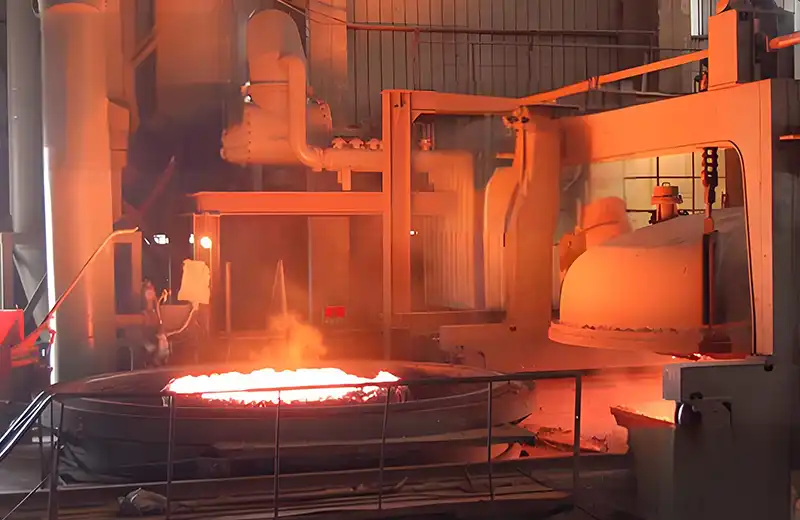
Understanding Temperature Control Challenges in Industrial Resistance Furnaces
Controlling temperature in industrial resistance furnaces is difficult and affects both product quality and production speed. Many places experience temperature changes that damage the metal's properties during heat treatment or cause the ceramic's dimensions to misalign during forming. Usually, these changes are caused by heating elements breaking down. Over time, rust and temperature cycling lower resistance values, which changes how much power they produce.
Common Thermal Inconsistencies
Uneven heating zones are still a problem in many commercial settings. There are hot and cold spots inside the furnace room because of temperature differences, which causes batch-to-batch unpredictability. This problem gets worse when working with a lot of materials or with materials that have different thermal masses. It's harder to achieve uniform soak temperatures because of the thermal lag between the room walls and the core zones. This is especially true during rapid heating cycles, when some areas reach setpoint temperatures before others stabilise.
Root Causes of Control Limitations
Loss of insulation is a major cause of temperature instability. Over time, ceramic fibre linings lose their shape, lowering thermal resistance and making it easier for heat to escape through the furnace walls. At the same time, the materials that make up heating elements go through surface oxidation, which at first forms protected oxide layers but finally causes the elements to fail when these layers break apart. Control system flaws, especially old relay-based temperature controls, make it difficult to manage temperatures precisely, so temperatures rise too quickly during ramp-up and fall too slowly during hold times.
When procurement professionals understand these problems, they can choose equipment with strong design features that meet the needs for thermal uniformity and set up repair procedures that keep control accuracy throughout the equipment's working life cycle.
Key Principles for Optimising Temperature Control
To get better temperature control, you need to pay attention to three things that are all connected: how well the heating elements work, how complex the control system is, and how well the insulation works. All of these things work together to make stable temperature conditions that are necessary for making precise parts.
Selecting Appropriate Heating Elements
Different types of heater elements work best in a range of temperatures and weather situations. Nichrome alloys (NiCr) work effectively up to 1150°C in oxidising environments, making them suitable for a wide range of tasks. Silicon carbide (SiC) elements can work at temperatures up to 1600°C, which makes them very resistant to thermal shock for uses that need to cycle quickly. Molybdenum disilicide (MoSi₂) elements can reach 1800°C, which meets the needs for very high temperatures in making aircraft parts and advanced ceramic sintering. Surface loading parameters—usually 2–5 W/cm² for metal elements—must be taken into account when choosing elements so that they don't break too soon from too much watt density.
Implementing Advanced Control Systems
These days, modern control systems have changed how temperature is managed beyond simple thermostats. PID controllers use integral, derivative, and proportional methods to figure out the best way to change the power based on sensor input in real time. When tuned correctly, PID systems stop temperatures from going too high or too low and cut down on the time it takes for things to settle down, making conditions stable faster than older controls. Programmable logic controllers (PLC) with touchscreen displays add more advanced features, such as the ability to profile temperatures across multiple zones, handle recipes that store dozens of thermal cycles, and log data for quality assurance. Type K, type S, or type R thermocouples are carefully placed within working volumes in these systems to continuously monitor the temperature range.
Enhancing Insulation Performance
The quality of thermal insulation directly affects both temperature stability and energy consumption. Modern ceramic fibre materials have a much lower thermal conductivity than traditional firebrick designs. This means that furnace walls can't store as much heat, and heating and cooling cycles happen faster. The thickness of the insulation must match the highest temperature that it can handle. For example, for uses that need to work at higher temperatures, the insulation layers need to be thicker to keep the shell temperatures below 50°C. Vacuum-formed ceramic units have a uniform density and don't settle like blanket insulation does, so they keep their thermal resistance over time.
Based on these optimisation principles, you can build thermal processing settings that are reliable, meet strict quality standards, and keep costs low by using less energy and requiring less upkeep.

Effective Maintenance and Troubleshooting for Temperature Stability
Preventive maintenance plans fix wear patterns before they cause problems in the process, which keeps temperature control accurate and extends the life of the furnace. Systematic inspection plans that are tuned to the level of activity prevent unexpected failures that cause expensive downtime.
Routine Inspection Protocols
Inspections of heating elements should happen every three months in places with a lot of use or every six months in places with average use. Visual inspections show rust patterns on the surface, sagging between support points, and weak spots that mean the material is about to break. Using precision ohmmeters to measure resistance can detect changes in impedance that indicate element degradation. Usually, a 10% increase from baseline values means that a replacement needs to be planned. Checking the thermocouple's accuracy against recognised standards makes sure it's within ±2°C, which stops control mistakes caused by measurement shifts.
Using thermal imaging cameras to assess the integrity of insulation shows hot spots on the outside that show compression or hole formation in the refractory linings. These temperature changes usually happen before big drops in energy efficiency and faster element failure from reflected radiant heat.
Troubleshooting Common Issues
Temperature overshoot during heating cycles is usually caused by PID setting factors that are not set correctly. The proportional band setting determines how quickly the controller cuts power as temperatures get close to the setpoint. A band that is too narrow causes overshoot, while a band that is too wide causes reaction time to be slow. Modern controllers have auto-tune features that do controlled test runs to find the best settings automatically for these parameters.
Temperature differences of more than ±10°C between work areas show that the energy is uneven. Usually, such a situation happens because of broken parts in multi-zone setups, blocked convection paths from not arranging the job correctly, or damaged insulation that makes heat loss routes more likely. Systematic zone testing that separates each heating circuit identifies specific trouble spots that need fixing.
Sensor problems show up as temperature readings that aren't consistent or control that won't stay stable. Thermocouples can get joint slip from changing temperatures or from getting dirty in furnace atmospheres. Changing type K thermocouples every 12-18 months in oxidising atmospheres is a good way to prevent measurement mistakes that could hurt product quality.
These maintenance methods and debugging steps give operations teams the tools they need to keep furnaces running at their best, ensuring the precise temperature control needed for tough metal and ceramic working tasks.
Comparing Temperature Control Solutions Across Furnace Types
To choose the best heating equipment, you need to know what makes Industrial resistance furnaces different from other methods in terms of performance. Each way of heating has its own benefits that make it better for certain business needs.
Resistance Versus Gas-Fired Systems
Electric resistance heating is better at keeping the temperature even than systems that use burning. Gas stoves generate heat by allowing flames to contact surfaces, which naturally creates temperature differences between the burner areas and the waste gas exits. There is a chance that combustion products will pollute the air, which could damage the finishing on precise parts. These worries go away with resistance heating, which creates clean thermal conditions important for processing aircraft metals and advanced ceramics without oxidation.
Comparisons of thermal efficiency show that resistance furnaces turn 70–90% of the electricity they receive into useful heat. This is a lot more than the 30–50% efficiency that is common of gas systems, which lose a lot of energy through exhaust gases. Even though natural gas may be cheaper per unit than electricity, the fact that electricity is more efficient usually means lower total running costs. This scenario is especially true when processing high-value materials that need consistent quality, which supports using more expensive energy sources.
Configuration Impact on Performance
The size and shape of the furnace and room have a big effect on how evenly the warmth is distributed and how well the controls work. Because there is less thermal mass and shorter heat transfer lengths, smaller working areas heat up faster and keep the temperature more even. For larger rooms, it's necessary to have heating elements set up in multiple zones, each with its control, so that the temperature stays comfortable across large work areas.
Customisation options from experienced makers meet the needs of unique applications. Heyuanxin can make custom setups with power ratings ranging from 10kW to 500kW. The chamber designs are perfect for different loading methods, such as front-loading for easy access, top-loading for tall items, and conveyor systems for ongoing production. Our modular design mindset makes it easier to do upkeep and add more capacity in the future without having to replace all of the equipment.
Manufacturer Selection Criteria
When evaluating furnace providers, you have to look at more than just their basic technical specs. Manufacturers with multiple patents demonstrate their commitment to innovation, and ISO quality management approval ensures that they consistently meet production standards. Full support after the sale, including help with installation, training for operators, and quick technical support, keeps downtime to a minimum when problems happen.
The Shaanxi Heyuanxin Metallurgical Electric Furnace Equipment company has over ten application model patents and is certified in ISO quality management, environmental management, and workplace health. Our 3A-level credit rating and product after-sales service certifications show that we care about keeping customers happy throughout the lifecycles of our products.
Practical Case Studies: Successful Temperature Optimization
Real-life examples show the real benefits of optimising temperature control in a structured way. These examples show how return on investment can support buying new tools or making upgrades to old ones.
Metal Heat Treatment Quality Enhancement
A company in the Midwest that makes parts for cars had trouble with heat-treated gear having different hardness values. This led to 12% rejection rates and quality issues from customers. An analysis showed that their old relay-based temperature monitor caused changes of ±15°C during important rounds of austenitising. When a PLC-based control system with multi-point thermocouple tracking was added, temperature changes were cut down to ±3°C. Hardness equality got a lot better, which cut rejection rates to less than 2% and got rid of the need for expensive repairs. The tools paid for themselves in eight months by cutting down on waste and increasing output.
Energy Consumption Reduction
A clay company that used old kilns lined with firebricks had to deal with rising energy costs that cut into its profits. Thermal imaging showed that the furnace walls were losing a lot of heat, with temperatures above 120°C on the outside. Upgrading to efficient MoSi₂ heating elements and adding high-temperature ceramic fibre insulation cut energy use by 28% while making the heating rate more even. Temperature recovery time between runs went down by 40%, which increased the amount that could be made each day. Even though a lot of money was spent on the upgrade, it paid for itself in three years, showing that modern materials and design principles can lead to long-term operating savings.
Batch Furnace Troubleshooting Success
An aerospace parts maker saw temperature changes that couldn't be explained during vacuum heat treatment processes that were very important for the properties of a titanium alloy. Systematic tests showed that the thermocouple signal was sometimes weakening because it was exposed to temperatures higher than what the sensor could handle. When platinum-rhodium (type R) thermocouples rated for long, high-temperature service were upgraded, measurement errors were removed. Small problems with the control loop were fixed with more PID tuning optimisation. These focused steps made the process stable again, which allowed the plant to keep up with the temperature uniformity studies needed for NADCAP certification.
These success stories show how important it is to work with skilled equipment providers who can help you reach your optimisation goals by providing both cutting-edge technology and application knowledge.
Conclusion
To get the best temperature control in Industrial resistance furnaces, you need to pay attention to the tools you choose, the control system's skills, and how well you take care of it. To make thermal processing safe, you need to make sure that the heating element fits the needs of the application, use complex PID or PLC controls, and keep the insulation's integrity. Regular repair plans that find worn-out parts before they break down save money by avoiding expensive production delays and increasing the life of the equipment. Procurement professionals should look for furnace solutions from companies that offer customisable configurations, proven control system performance, and full technical support to ensure long-term operational success in demanding ceramic and metal processing applications.
FAQ
What temperature ranges suit different heating element materials?
Nichrome alloys work successfully up to 1150°C in oxidising environments and can be used for a wide range of heat treatment tasks on metals. Silicon carbide elements make the power go up to 1600°C, which can handle the most complex ceramic sintering needs. Molybdenum disilicide elements can hit 1800°C, which is very hot for processing aircraft parts. When choosing a material, it's important to think about how well it will work with the environment. For example, reducing atmospheres need special element shields or other materials that stop the oxidation layer from wearing away too quickly.
How often should heating elements be replaced?
Replacement times depend on how hard they are used and how often they are thermally cycled. Continuous use at the highest recommended temperatures may mean replacing it every year, but modest duty cycles can extend its life to 24 to 36 months. When resistance tracking finds 10-15% increases from average values, it means that the component is getting close to the end of its useful life and needs to be replaced before it fails and delays production.
Can existing furnaces be retrofitted with modern controls?
Most standard furnaces can have their control systems upgraded by replacing old relay controllers with more current PID or PLC designs. For retrofits to work, the thermocouple inputs must be suitable, and the power switches must be strong enough. When you upgrade both the control systems and the power controllers to SCR-based ones at the same time, the voltage regulation is better, and the heating elements don't get shocked by heat, which often means that the elements last 30-40% longer than when they were switched by relays.
Partner with Shaanxi Heyuan for Advanced Temperature Control Solutions
Shaanxi Heyuan New Metallurgical Electric Furnace Equipment Co.ltd makes heating systems that are precisely designed to meet the strictest temperature control needs. Our Industrial resistance furnace options have chamber configurations that can be changed to fit working sizes from 0.1m³ to 10m³ and power levels from 10 kW to 500 kW, with temperature ranges from 200°C to 1800°C and uniformity of ±5°C. Modern PLC control systems with easy-to-use touchscreens let you handle recipes and keep a lot of data, which helps meet the requirements for quality paperwork. We offer full turnkey solutions that include design, installation, testing, and ongoing technical support as an established Industrial resistance furnace maker serving metallurgical plants, aircraft processors, and ceramics producers since 2008. Get in touch with our team at sxhyyj606@163.com to talk about your unique thermal processing problems and find out how our proven skills can help you make more.
References
1. Chen, W., & Roberts, M. (2021). Advanced Electric Furnace Design for Metallurgical Applications. Industrial Heating Systems Press.
2. Martinez, J. (2020). "Temperature Uniformity Standards in Heat Treatment Furnaces." Journal of Thermal Processing Technology, 45(3), 112-128.
3. Nakamura, T., & Yamamoto, K. (2022). Heating Element Materials: Properties and Selection Criteria. Materials Science Publishers.
4. Thompson, R. (2019). "PID Controller Optimisation for Industrial Furnace Applications." Process Control Engineering Quarterly, 38(2), 67-84.
5. Wilson, D., & Anderson, P. (2023). Energy Efficiency in Industrial Thermal Processing. Manufacturing Technology Institute.
6. Zhang, L. (2021). "Maintenance Strategies for Electric Resistance Furnaces in Continuous Production Environments." Industrial Equipment Reliability Journal, 29(4), 201-218.


YOU MAY LIKE