
Furnace Charge Car Technology for Advanced Furnace Automation?
July 3, 2026
Precision, safety, and economy are all important in modern metalworking. In order to carry and send raw materials to melting furnaces with unrivalled control and dependability, a Furnace Charge Car serves as the cornerstone of advanced furnace automation. Traditional human charging methods can be dangerous and cause delays in operations. Automated charging cars, on the other hand, have advanced control systems, heat-resistant construction, and the ability to place materials precisely. These specially designed trucks keep the production line moving and protect people and tools from the harsh conditions and high temperatures that are common in steel mills and foundries.
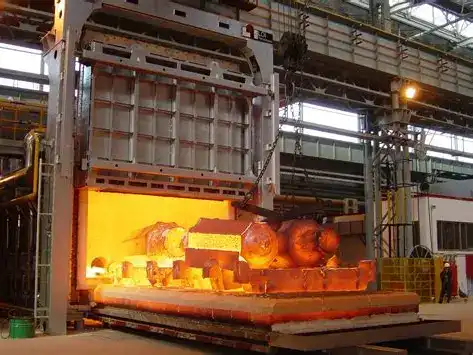
Understanding Furnace Charge Cars: Technology and Functions
In steel plants, foundries and industrial facilities, Furnace Charge Cars are essential material handling tools. These special trucks move scrap metal, alloys, and additives straight from storage areas to the mouths of furnaces. This makes sure that charging operations are safe and controlled.
Core Operational Principles
For a charged car to work, it must move precisely along fixed train systems placed next to furnaces. The electric motors in these cars are driven by spring-loaded cable reels or conductor rails, which makes moving them across factory floors easy. During the filling process, vibratory or hydraulic tilting devices control the flow of materials and stop rapid dumps that could damage refractory linings. Programmable logic processors (PLCs) are used in modern systems to coordinate movement, speed, and output rates based on the needs of the boiler. This level of control makes sure that the melt works as well as it can while also lowering the amount of heat lost during charging processes.
Structural Components and Design Features
The building of charge cars puts a lot of emphasis on longevity and resistance to heat. The frame is made of heavy-gauge steel that has been strengthened with heat-resistant protection that can withstand temperatures of more than 1500°C. Wear plates made of Manganese steel or Hardox materials can be replaced on load-bearing platforms. This makes them last longer in rough settings. Variable frequency drives (VFDs) are used in power transfer systems to allow soft start and stop features that keep the load from shifting when the system speeds up. With integrated load cells, the accuracy of the weight is within ±0.5%, so the batch makeup is always correct. Safety systems include thermal monitors, emergency stop devices, and proximity recognition that keep people and furnace structures from colliding.
Comparing Vehicle Types for Different Applications
Electric charge cars are most common in modern setups because they are reliable, don't produce pollution, and can be controlled precisely in terms of speed. These units work nonstop without stopping to refuel, which makes them perfect for places with a lot of production. Diesel versions are used in remote areas that don't have stable power lines and need ventilation systems to control pollution fumes. Operators don't have to get close to furnace doors with automated models that come with remote-control interfaces. This greatly reduces heat exposure and safety risks. Some smaller foundries still use manual systems because they can't afford to invest in automation. These systems need skilled workers and are less safe.
Advancements in Furnace Charge Car Technology for Automation
Workers who use high cranes and move ladles by hand are exposed to molten metal splashes, extreme heat, and random material movements when they use traditional filling methods. Using these methods also makes charging take longer, uses more energy, and makes the boiler less productive overall. Modern Furnace Charge Cars use powerful robotic technologies that change how furnaces work.
Integration of Smart Control Systems
Every part of the charging cycle is coordinated by PLC-based control systems, from the original positioning to the precise release of the material. Touch-screen interfaces let workers see where the car is, how much it weighs, how fast it's going, and what problems are happening with the system in real time. With remote control, you can keep an eye on things from a climate-controlled room, keeping people away from the dangerous heater. Sensor networks constantly check the temperature of equipment to find instances of burning before they cause a component to break. Integrating data with SCADA systems used across the whole plant makes it possible to keep track of production, handle inventory, and plan preventative repair.
Real-World Performance Benefits
Steel plants that use automatic charge cars say their operations run much more smoothly. When compared to crane-based ways, charging cycle times drop by 30 to 40 per cent, which directly increases furnace output. Controlled vibration feeds protect the refractory lining, helping the boiler last longer and saving money on upkeep. Accurate alloy formulas are made possible by precise weighing devices, which lowers metallurgical mistakes and scrap rates. The number of safety incidents drops by a huge amount when workers work from home instead of near open boiler mouths. Less time spent charging means less heat loss when the boiler lid is opened, which makes the energy economy better. When added together, these benefits give a big return on investment, usually paying for themselves in 18 to 24 months after installation.
Enhanced Safety Through Technology
Automation solves important safety problems that come up when charging a heater. When anti-collision tracking systems see an object in the way, they stop the car before it hits it. Thermal image cameras check the conditions of the furnace mouth and let workers know if there are too many splash risks or lining wear. When boiler conditions get too high, interlocked safety devices stop charging activities. Following emergency reaction measures lets the car be retracted right away if something goes wrong with the equipment or the furnace acts in a way that wasn't expected. With these safety steps in place, the workplace is safer while output stays steady.
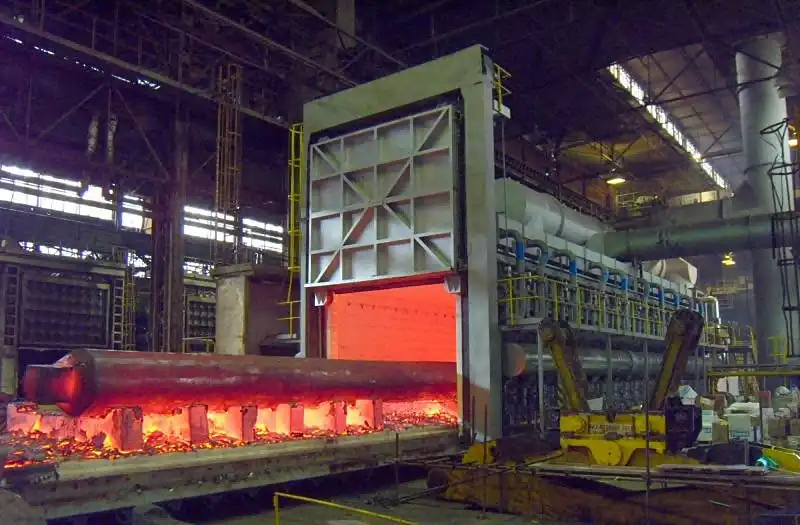
Furnace Charge Car Comparison and Market Solutions
To choose the right Furnace Charge Car handling tools, you need to know how the different methods meet the needs of different operations. Depending on the structure of the plant, the amount of output, and the budget, each method has its own benefits.
Equipment Comparison Analysis
Overhead cranes are flexible because they can work with more than one boiler and move different kinds of things beyond charging tasks. But they pose more safety risks, need skilled workers, and often damage refractory linings by dumping materials without being watched. While ladle cars are great at moving liquid metal between furnaces, they don't have the exact feeding control needed to charge them with solid scrap. Dedicated charge cars are safer for operators, better at controlling the flow of materials, and cause less damage to the covering. However, they need fixed train infrastructure. In indoor settings, electric cars work better than gasoline options because they are cleaner, make less noise, and need less upkeep. Even though they cost more to install, electric systems are better in the long run because they have more stable power supplies.
Market Solutions and Capacity Ranges
In 2024, the best makers make charge cars with capacities ranging from 5 to 100 tonnes so they can be used by a wide range of businesses, from small speciality foundries to big integrated steel mills. European and American markets want more and more cars that meet strict safety and environmental standards, such as EPA emissions standards and OSHA safety standards. Different plant layouts can be accommodated by customisation choices such as track gauges that can be changed, hopper designs that can be changed, and custom control interfaces. Suppliers offer complete solutions that include designing the equipment, installing the rails, integrating the electricity, and training the operators. Prices depend on how much they can do and how automated they are. Simple 20-tonnene manual units start at about $150,000, and fully automated 80-tonnene systems cost around $500,000, which includes installation.
Maintenance, Safety, and Operational Best Practices
To keep a peak Furnace Charge Car running well, it needs regular repair and strict obedience to safety rules. Preventive measures protect large capital investments and cut down on unplanned downtime.
Preventive Maintenance Protocols
Programmes to improve reliability are based on structured review processes. As part of the daily checks, the cable reels are looked at visually, the emergency stop feature is tested, and the train alignment is checked. As part of weekly maintenance, high-temperature lithium complex grease is used to grease the drive components. Electrical connections are also thermally scanned, and the load cell's accuracy is checked. Every month, steps include checking the state of wear liners and structural welds with ultrasound and cleaning the thermal sensors. Vibratory motors need extra care. Every 500 hours of operation, the bearings need to be checked, and the eccentric weight needs to be confirmed. When wear levels go beyond what the maker recommends, which usually happens after 2,000 to 3,000 charging cycles based on how rough the material is, hopper linings need to be replaced.
Safety Standards and Compliance
Car businesses are governed by international rules and regulations. The structural stability of the equipment must meet FEM 1.001 standards, and the electrical safety systems must meet IEC 60204-1 standards. Load measuring systems follow OIML R60 metrological standards, which makes sure that batching is done correctly. Lockout-tagout methods are used during maintenance, confined space protocols are used to get to equipment, and all workers are required to wear personal protective equipment. Emergency reaction plans cover all the possible situations that could happen, such as power outages, thermal monitor alarms, and fires. Regular safety checks make sure that rules are being followed and look for ways to make things better.
Troubleshooting Common Operational Issues
Operational teams face problems that can be predicted and need to be systematically diagnosed. Inconsistent travel speeds are often caused by mistakes in the VFD setting or old wheel bearings that need to be fixed or replaced. Weighing errors suggest that the load cell has shifted, which means that it needs to be recalibrated with approved test weights. Erratic vibratory feeding is usually caused by an unbalanced eccentric weight or a motor bearing that is too free. Thermal sensor fake alarms could mean that the sensor is dirty and needs to be cleaned or replaced. Keeping direct lines of contact open with equipment makers guarantees access to technical help that can solve problems that are too complicated for the plant to handle.
Procurement and After-Sales Support for Furnace Charge Cars
A successful equipment purchase includes more than just negotiating the price. It also involves evaluating the seller, figuring out what customisations are needed, and making long-term support promises. When making strategic choices about purchases, it's important to weigh short-term budgets against long-term costs and operating dependability for a Furnace Charge Car.
Evaluating Supplier Reliability
Suppliers you can trust have a lot of knowledge with metallurgical tools, project references that can be checked out, and a wide range of quality certifications. ISO 9001 quality control systems show that industrial processes are well-established and that output standards are always met. Companies with multiple useful patents show that they are constantly coming up with new ideas and are technically skilled. Stable finances help producers stay in business throughout the life of the equipment, which supports warranty responsibilities and spare parts availability. Site visits to manufacturing facilities, like Shaanxi Heyuanxin Metallurgical Electric Furnace Equipment Co., Ltd, reveal production skills, quality control methods, and engineering tools. We make high-temperature-resistant steel transfer cars that can hold up to 80 tonnes of weight and are designed to move furnace charges and ladles. Our company has more than ten utility model patents and ten computer software copyrights, and we keep our ISO quality management, environmental management system, and workplace health certifications up to date.
Customisation and Lead Time Considerations
Standard charge car designs don't usually meet the needs of a specific business. Customisation services cover things like specific track gauges, hopper sizes, control system connections, and connecting to automated systems that are already in place at the plant. Engineering consultations help find the best specs for each furnace type, output rate, and space limitations. Lead times range from 12 to 16 weeks for basic units to 20 to 24 weeks for systems that are highly customised and need unique parts. Rental choices can help temporarily while a plant grows or equipment is fixed up, but the monthly costs usually go over 3–5 per cent of the buying price. The used equipment market offers cheaper options, but owners should do thorough checks to make sure the structure is sound and the equipment has enough life left.
Comprehensive After-Sales Support
The level of help after installation has a big impact on how reliable the equipment is. Full installation services include building rail systems, integrating electricity systems, writing PLCs, and training programmes for operators. The warranty should cover production flaws and early component breakdowns for at least 18 to 24 months after the system is put into service. Downtime during repairs is kept to a minimum by having extra parts stocks that are easy to get to. Important parts like drive motors, load cells, and control panels can be shipped quickly. Technical help systems that offer both remote analysis and on-site service make sure that problems are fixed quickly. With an annual maintenance contract, you can get regular checks, preventative maintenance, and faster emergency reactions.
Conclusion
Advanced Furnace Charge Car technology changes the way metalworking is done by automating tasks more precisely, making safety rules stricter, and making production more efficient. Modern systems have advanced control features, heat-resistant construction, and smart tracking features that get around the problems with older charging methods. To buy tools successfully, you need to carefully consider business needs, supplier skills, and promises for lifecycle support. When you combine tried-and-true engineering with full customisation and quick expert support, you get equipment that works perfectly for a long time. By increasing output, lowering upkeep costs, making workers safer, and improving product quality, smart investments in automated charging systems pay off in a way that can be measured.
FAQ
What factors should procurement teams prioritise when purchasing charge cars?
The main standard is that the capacity needs to match the highest Furnace Charge Car weights, with enough safety margins for overload situations. How complex the control system is should match the level of skill of the user and the level of automation that is wanted. The heat protection requirements must exceed the actual temperatures in the furnace, with sufficient safety margins. Things like supplier track records, guarantee terms, and the availability of spare parts affect long-term ownership costs. Following the rules for safety and the environment ensures that workers follow them and protects them.
How does automation improve safety and efficiency simultaneously?
Automated systems keep workers away from dangerous furnaces so they don't have to manage the high heat, hot metal splashes, and toxic fumes. Remote operation lets tracking go on all the time without people having to be in danger zones. Precise control systems make the most of charging rates, which cuts down on boiler open time and heat loss while increasing output. Consistent computerised processes eliminate mistakes that people make when placing materials and counting batches. Integrated safety interlocks stop activities when they are not safe, which protects both people and equipment.
Are electric-charge cars suitable for large-scale steel operations?
Electric drive systems work great in places with a lot of output because they can keep running without stopping to refuel. Getting power through wire reels or conductor tracks lets machines run for as long as they need to, so they can keep up with 24/7 production plans. Variable frequency drives let you precisely control the speed, which lets you use the best charging rates for each boiler situation. The higher original investment pays off with lower running costs compared to diesel options, especially when fuel prices change often. Zero pollution and lower noise levels benefit the environment and comply with stricter rules that steel production facilities must follow.
Partner with Shaanxi Heyuan for Advanced Furnace Automation Solutions
Shaanxi Heyuan has all the answers that metallurgical plants need to update their furnace processes with reliable robotic technology. As a well-known Furnace Charge Car maker, we offer engineered systems with capacities ranging from 5 to 80 tonnes, each one tailored to meet the unique needs of the operation. Our equipment includes precision control systems that can work at temperatures up to 1200°C. It also has PLC-based automation with tablet interfaces and advanced safety features like emergency stops and thermal tracking. We offer full quality management certifications, over eleven years of specialised knowledge, and turnkey solutions that include planning, manufacturing, installation, and commissioning. You can look through our full catalogue of products at hyyjfurnace-supply.com or email our expert team at sxhyyj606@163.com to talk about your needs for furnace control.
References
1. Mechanical Engineering Society, "Material Handling Systems in Modern Steel Production," Journal of Metallurgical Equipment Engineering, Vol. 45, 2023.
2. Anderson, R.J., "Automation Technologies for High-Temperature Industrial Processes," Industrial Safety and Efficiency Quarterly, 2024.
3. International Foundry Association, "Best Practices for Furnace Charging Equipment Maintenance and Operation", Technical Standards Publication IFA-2024-07.
4. Chen, L. and Williams, M., "Comparative Analysis of Electric versus Diesel-Powered Industrial Transfer Systems," Energy Efficiency in Manufacturing, Vol. 18, No. 3, 2023.
5. National Institute for Occupational Safety and Health, "Safety Guidelines for Metallurgical Furnace Operations," NIOSH Publication 2024-112.
6. European Committee for Standardisation, "Structural Design Requirements for Heavy-Duty Material Handling Equipment", EN Standard 15011:2023.


YOU MAY LIKE