
How Does a Positive Pressure Dust Collector Reduce Emissions Effectively?
July 6, 2026
Controlling industrial emissions is still a problem for steel mills, chemical plants, and mining companies in the United States. With stricter EPA rules and more people becoming aware of the quality of the air in the workplace, choosing the right dust collection equipment is no longer a choice; it's a must. A Positive Pressure Dust Collector successfully lowers pollution by pushing air full of dust through high-efficiency filter media in a pressurised system where the fan is placed upstream, creating higher internal pressure than atmospheric pressure. Particle capture rates of over 99.9% are possible with this setup, even for particles as small as 0.3 microns. This makes it ideal for places with a lot of dust, like electric arc furnaces and mining plants.
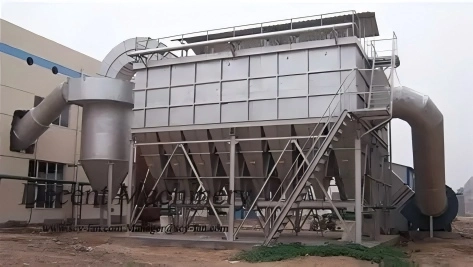

Understanding Positive Pressure Dust Collectors
Core Operating Principles
A negative pressure system is very different from a positive pressure system in terms of how it is built. In this set-up, the centrifugal fan or blower is placed before the filtering box instead of after it. When the fan turns on, it pushes dirty air right into the filter case. This creates a static pressure inside the collection room that is higher than the pressure in the surrounding air. Traditional "pull-through" methods make vacuums, which is different from this "push-through" way.
When you look at how particles move, the technical edge becomes clear. As pressurised air full of dust comes in, particles hit the filter media with more kinetic energy, helping them go deeper into the structure of the filter cake. This better touch between particles and filter surfaces makes capture more effective, especially for submicron particles that are widespread in metalworking processes. The pressurised environment also stops raw air from getting around the media through small holes or flaws. This is a common problem in vacuum-based systems where air can pass through plugs that aren't working right.
Key System Components
Three important parts work together to get better pollution reduction. The first load of dust is taken care of by the fan assembly, which usually has backward-inclined or radial-blade impellers made of metals that don't wear down easily. How well something is captured depends on the filter media that is used. Advanced PTFE membrane filters work very well because they combine surface filtration with depth filtration. The housing structure is made of 12-14 gauge steel, which makes it lighter while still keeping its structural integrity. It was intended to be a pressure vessel instead of a vacuum chamber. This lighter building means lower costs for installation and fewer structural support needs for integrating the facility.
Positive Pressure Dust Collector vs. Other Dust Collection Technologies
Comparative Performance Analysis
When procurement pros look at dust collection options, it's important to know how the different methods perform. Negative pressure baghouses push air through filters, which is hoovered within the house. These systems work well in many situations, but they need stronger building materials to keep the house from collapsing under pressure stress. The extra steel raises the cost of the unit and makes fitting more difficult, especially for big units that handle 50,000 or more CFM of airflow.
Cyclone collectors use rotational force to sort particles, but for particles bigger than 10 microns, they only work 85–90% of the time. They work well as pre-cleaners, but they can't meet today's emission guidelines when used on their own. When you combine cyclones with downstream filtering, the system becomes more complicated and the pressure drops, which uses more energy. Positive pressure devices get rid of the need for multiple stages because they can achieve 99.9% performance in a single small unit.
In industrial settings, the ability to control emissions becomes a clear benefit. Electric arc furnaces make dust with particle sizes ranging from 0.1 microns to 100 microns and amounts between 5 and 50 grains per cubic foot. Negative pressure systems that handle these kinds of loads have a lot of filter loading, which means they need to be cleaned more often, which lowers their operating availability. Positive pressure designs work better in these situations because the pressurised airflow keeps the filter cake release steady during pulse-cleaning cycles. This increases the filter's service life and shortens the time between maintenance visits.
Energy Efficiency Considerations
Another important difference is shown by operational cost research. Positive pressure systems make blowers use less power because they don't have to fight both system resistance and the difference in air pressure at the same time. Fans in negative pressure devices have to work against the air pressure around them while pulling air through filters, which uses two times as much energy. Positive pressure fans just push air at a slightly higher pressure, usually between 1 and 6 inches of water gauge. This uses 15 to 25 per cent less power for the same amount of movement. Over the course of ten years, this difference in energy use will save a lot of money and make the purchase much more worthwhile.
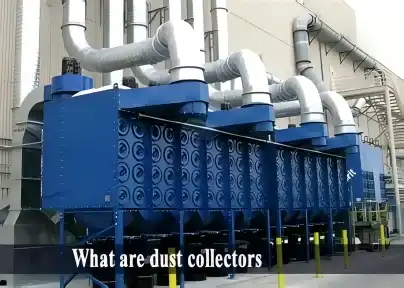
Design Principles and Key Features that Enhance Emission Reduction
Advanced Filtration Media Technology
The efficiency of reducing emissions in a Positive Pressure Dust Collector is directly related to the choice and arrangement of filter media. The PTFE membrane technology we use in our Positive Pressure Dust Collector systems makes a microporous shield on the filter surface. This membrane stops particles from going deep into the filter base. This keeps the filtration surface clean so that the Positive Pressure Dust Collector filter works well for a long time. Particles can get stuck in traditional felted filter bags that haven't been treated with a layer. This makes the bags less permeable over time and causes the pressure drop to rise. Membrane filters keep the difference in pressure fixed, which lets you plan cleaning processes and control emissions consistently in a Positive Pressure Dust Collector.
The air-to-cloth ratio, which is usually set between 3:1 and 6:1, shows how the amount of airflow and the overall surface area of the filter relate to each other. Lower ratios make the filtering speeds slower, which makes the filters last longer but requires bigger collection areas. Higher ratios make the best use of space, but they may speed up filter wear in places with a lot of dust. Our research team figures out the best ratios by looking at things like particle size distribution, dust loading, and chemical makeup of the process dust. This makes sure that each system has the right mix of performance and durability.
Intelligent Pressure Management
Keeping the ideal internal pressure is very important for reducing emissions over time. Our systems have smart pressure control systems with differential pressure sensors that keep an eye on the drop in pressure across the filter media all the time. When dust builds up and resistance goes above setpoints that have been preset, the PLC controller starts automated cleaning processes using pulses of compressed air. This cleaning method temporarily breaks filter bags or cartridges, releasing dust cakes that fall into hoppers below for collection.
Pay close attention to the cleaning process because if it's not done right, it will make emission control less effective. The time, length, and pressure of the compressed air must all be perfectly regulated. When cleaning with too much energy, compressed air is wasted and filter wear is sped up by mechanical stress. If you don't clean well enough, cake builds up and gradually blocks the filters. Adaptive cleaning algorithms in our systems change settings based on real-time pressure data. This makes the systems work better in a variety of production situations without any help from a person.
Maintenance Protocols for Continuous Compliance
Systematic repair procedures are needed to keep performance at its best. Every month, the state of the filter should be checked for mechanical damage, chemical breakdown, or strange patterns of dust buildup. Monitoring pressure gives early notice of problems that might be happening; slowly rising baseline pressure means that filters are becoming blind or hoppers are getting clogged, which needs attention. It is very important to check the integrity of the seals because positive pressure systems let out filtered air that is still under a little pressure. If the housing breaks, fugitive emissions happen instead of air from the outside coming in.
Some common operating problems are coarse particles wearing down filters, moisture condensation that sticks cakes together, and hopper bridges that stop dust from escaping properly. Addressing these problems early reduces downtime. When there are many particles in the fluid, installing pre-filters that don't wear down easily saves the media further down the line. Keeping the process air temperature above the dew point prevents problems that can occur due to humidity. Setting high hopper angles (at least 60 degrees from horizontal) and adding vibrators or air cannons makes release more reliable, especially for types of dust that stick together, which are common in metallurgical processes.
Practical Applications and Industry Use Cases
Metallurgical and Steel Production
Working with an electric arc burner is a tough job that can be made easier with positive pressure systems. Furnaces give off a lot of dust that includes iron oxides, carbon particles, and smoke from alloying elements when they melt and charge scrap. Temperatures can hit 400 to 600°F, and emission levels often go above 20 grains per cubic foot. Our systems can handle these hard conditions because they are built to last, with housings made of carbon steel or stainless steel that are made to work continuously in harsh settings. Temperature-resistant filter media keeps the structure strong while capturing enough to keep stack pollution below 0.01 grains per dry standard cubic foot, which is well below EPA guidelines.
Ladle furnace refining processes need special ways to collect dust because the processes of adding calcium and removing sulphur create high-surface-area fine particles that are hard for regular filters to handle. In these situations, positive pressure systems work best because the pressurised airflow keeps small particles from getting out through tiny flaws in the filters. One steel mill in the Midwest switched from a negative pressure baghouse to our positive pressure system for collecting dust from the ladle furnace. Over two years, they saw a 40% drop in stack opacity readings and a 30% drop in the cost of replacing filters.
Mining and Ore Processing
Crushing, grinding, and moving activities in mines release large amounts of dust into the air, which is bad for both workers' health and the environment. The silica in many mineral dusts makes them very dangerous to breathe in and needs to be controlled in a way that meets OSHA standards. At transfer points, crusher release points, and screening stations, positive pressure collectors catch dust where it starts. The small size is especially helpful in mines that don't have a lot of room for big negative pressure systems because they would need a lot of structural changes.
Our portable Positive Pressure Dust Collector system was put in place by a copper concentrate plant in Arizona to control the pollution from their grinding circuit. The Positive Pressure Dust Collector system was able to catch 99.8% of particles smaller than 10 microns, which is the most dangerous amount for health. IoT-enabled tracking of the Positive Pressure Dust Collector system lets support staff keep an eye on its performance from afar, finding problems with filter cleaning before they get so bad that they break the rules. When compared to their old system, which needed manual on-site checks, the Positive Pressure Dust Collector remote diagnostics cut the time it took for support to respond by 60%.
Chemical and Pharmaceutical Manufacturing
In chemical production, handling powder needs to be completely contained to keep the product from getting lost, contaminated, or exposed to dangerous substances. For combustible dust uses, safety features like explosion venting and grounding protection built into positive pressure systems are important. NFPA 68-certified explosion vents that are set up to work with positive pressure make sure that deflagration events can end safely without causing the structure to collapse. The pressurised container can also be used with constant powder processing equipment, which protects workers and the environment while keeping the quality of the product high.
Buying Guide and Considerations for B2B Procurement
Capacity Matching and Performance Specifications
Accurate process characterisation is needed to choose the right-sized tools. Purchasing teams should collect a lot of information, such as the amount of airflow needed (in cubic feet per minute), the amount of dust (in grains per cubic foot), the particle size distribution (ideally from a sieve analysis), the makeup of the dust, the temperature, and the amount of wetness it contains. Systems that are too small don't catch pollution well enough, and systems that are too big waste money and energy. When clients give us process data, our engineering team does free capacity calculations to make sure that the system is the right size for the job without being too exact.
Filtration efficiency specs need to be carefully interpreted. If you don't give details about the particle size ranges and test methods, marketing claims of "99.9% efficiency" don't mean anything. Standardised testing methods, like EPA Method 5 for particulate emissions or ASHRAE 52.2 for filter efficiency tests, should be used in the procurement requirements. For industrial uses, systems should be able to catch more than 99.5% of particles smaller than 2.5 microns. This is the size range where particles are most likely to escape and cause visible stack emissions.
Customization vs. Standard Models
Standard catalogue units have benefits like shorter wait times (8–12 weeks on average), performance data that has been collected for a long time, and lower prices because of economies of scale in production. Customised solutions give the best performance for each process, but they take 14 to 20 weeks longer to achieve and cost 20 to 35 per cent more than standard catalogue units. The framework for making decisions should weigh how important the process is against the limited budget. Standard tools can usually handle routine tasks involving non-hazardous dust and mild loads. Custom engineering is needed to ensure the safe and legal operation of processes that use dangerous materials, high temperatures, or deadly dust atmospheres.
Our modular design method fills in this gap by giving you standard parts that can be put together in different ways to meet your needs. Base units can handle airflows between 1,000 and 100,000 CFM. Adding more modules increases capacity in normal steps, so you can add more in the future without having to replace whole systems. This ability to grow or shrink is useful for factories that need to plan gradual production increases or don't know how much capacity they will need in the future.
Evaluating Manufacturers and After-Sales Support
When looking for trusted equipment partners, you need to look at more than just the initial buy price. Long-term dependability is based on the quality of the manufacturing process. ISO 9001 approval is a basic guarantee of quality management practices. Environmental management system certification (ISO 14001) and workplace health certification (OHSAS 18001) show that a company is committed to running a responsible business. Our facility has all three certifications and 3A-level credit business standing, which shows that it is financially stable and guarantees the availability of parts and warranty support throughout the lifecycle of all equipment.
The ability to provide technical help is what sets exceptional makers apart from commodity sellers. Installations of complex equipment always run into problems in the field that need quick help from experts. Make sure that the makers offer full commissioning services that include testing to make sure the system works well, training for operators, and paperwork. The average member of our expert team has worked in the metallurgical industry for more than ten years. This gives us the skills to solve complex integration problems and improve system performance when starting up. For ongoing help, spare parts are available with fast shipping choices, diagnostics can be done remotely, and there are yearly performance audits that look for ways to improve things.
Warranty coverage merits careful review. Most standard guarantees cover problems with the way the product was made for 12 to 18 months after it has been put into use. Longer warranties or performance promises give you more peace of mind, but they cost more up front. Carefully read through the guarantee terms and make note of any exclusions for wear items like filter media, which need to be replaced regularly. Our normal warranty covers structural parts and control systems for 18 months. If you'd like, we can offer you extra extended coverage and filter life guarantees, and we're sure that the PTFE membrane will last.
Conclusion
Positive Pressure Dust Collectors are very good at lowering emissions because they are made with new, clever ideas that take into account the problems that come up in high-concentration industrial dust situations. With pressurised filtration, catch rates are higher than 99.9%, and even submicron particles that get past other systems can be handled. In rough settings, fan wear is still a problem, but this problem can be fixed by choosing the right materials and following proper repair procedures. The technology works really well in places like mines, chemical processing plants, and industrial operations where space-saving design, low energy use, and steady performance are very important. When purchasing, professionals are looking for ways to collect dust, positive pressure systems are a tried-and-true option that balances capital efficiency with operational effectiveness. These systems deliver long-term value by using less energy, extending filter life, and ensuring consistent regulatory compliance.
FAQ
What maintenance schedule ensures optimal collector performance?
Filters, seals, and the way the hopper discharges should all be looked at visually once a month to make sure they are in good shape. Checking the compressed air system, calibrating the differential pressure monitor, and diagnosing the control system are all part of the quarterly maintenance. As part of yearly thorough checks, planning when to change filters is done based on analysis of pressure trends, fan bearings are oiled, and the structure's strength is checked. Our systems have predictive maintenance features that look at working data to suggest the best time for service. This cuts down on unneeded downtime and stops unexpected problems.
Can existing negative-pressure systems be retrofitted to positive-pressure operation?
While retrofitting is scientifically possible, it is usually not a good idea from a business point of view. To make the change, the fans have to be moved, the building has to be strengthened for pressure loads instead of vacuum loads, and the piping has to be rearranged. These big changes often get close to the cost of a whole new system without fully improving efficiency. Buildings that want to make big changes or replace old equipment may find that installing new positive-pressure systems is cheaper than adapting old ones.
How do positive pressure systems comply with EPA and OSHA standards?
Our systems can keep emissions below 0.01 grains per dry standard cubic foot, which meets the EPA's New Source Performance Standards for industrial point sources. The high-efficiency filter lowers the amount of respirable particulates that people are exposed to at work, which helps companies follow OSHA's permissible exposure limits. For dangerous dust uses, systems are made with containment features and tracking tools that show compliance through ongoing emission monitoring or regular stack testing as required by regulations.
Partner with Shaanxi Heyuan for Advanced Dust Collection Solutions
Choosing the right Positive Pressure Dust Collector provider affects how well the business does for years after the unit is installed. At Shaanxi Heyuan New Metallurgical Electric Furnace Equipment Co., Ltd., we have over fifteen years of experience with metallurgical equipment and full technical skills that include designing, making, installing, and starting up the equipment. Our systems have smart PLC controls with touchscreens, advanced PTFE membrane filtration technology, and flexible designs that can be changed to meet changing production needs. Along with ISO 9001, ISO 14001, and OHSAS 18001 certifications that ensure quality and safety, we have more than ten utility model patents that show how we are always coming up with new ideas.
In addition to high-quality tools, we offer full turnkey solutions, from figuring out the starting capacity to improving performance. Our technical team works with your engineers to design systems that are perfectly suited to your process conditions. This makes sure that you have reliable emission control and follow all the rules. Full after-sales support includes fast delivery of extra parts, remote diagnostics, and regular performance checks that keep equipment running at its best for as long as it lasts.
Find out how our Positive Pressure Dust Collectors can change the way you control emissions. Email our engineering team at sxhyyj606@163.com to talk about your unique needs and get a quote for a solution that fits them. You can look at all of our products and download detailed specs by going to hyyjfurnace-supply.com. Work with a company that cares about your long-term success and will do everything they can to provide excellent technical support and quick customer service.
References
1. Cooper, C.D., and Alley, F.C. (2011). Air Pollution Control: A Design Approach. Fourth Edition. Waveland Press, Long Grove, Illinois.
2. Environmental Protection Agency. (2020). AP-42: Compilation of Air Pollutant Emission Factors, Volume I: Stationary Point and Area Sources. U.S. EPA Office of Air Quality Planning and Standards.
3. National Fire Protection Association. (2018). NFPA 68: Standard on Explosion Protection by Deflagration Venting. NFPA, Quincy, Massachusetts.
4. Occupational Safety and Health Administration. (2019). Respiratory Protection Standard 29 CFR 1910.134. U.S. Department of Labour, Washington, D.C.
5. American Conference of Governmental Industrial Hygienists. (2021). Industrial Ventilation: A Manual of Recommended Practice for Design. 30th Edition. ACGIH, Cincinnati, Ohio.
6. Seville, J.P.K., Tüzün, U., and Clift, R. (1997). Processing of Particulate Solids. Blackie Academic & Professional, London, United Kingdom.


YOU MAY LIKE