
How to Optimize Output in a Calcium Silicon Furnace Operation?
July 8, 2026
To maximise your alloy production, you first need to understand the key factors that affect how well the furnace operates. It is called a Calcium Silicon Furnace, and its main job is to make silicon-calcium alloys (Ca 28–31%, Si 55–65%). To get uniform results, it needs to be carefully controlled for temperature, load composition, and regular tracking. Finding the right balance between heat efficiency and the quality of the raw materials is key to getting the most work done while following preventative maintenance rules. If metallurgical companies want to make more, they need to repair broken equipment, make sure electrodes are placed correctly, and keep the charge permeability at its best. This will stop gas explosions and production stops that hurt yield and profits.
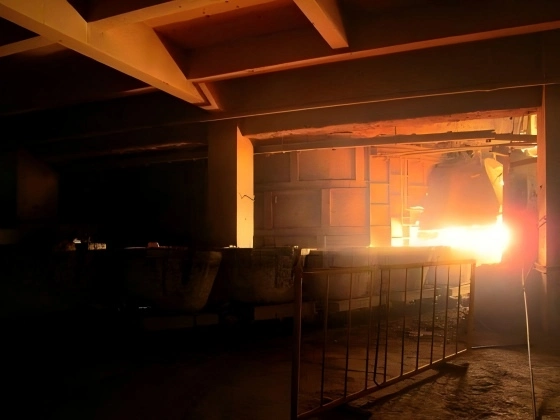
Understanding the Calcium-Silicon Furnace and Its Operation
The Role of Calcium Silicon Alloys in Modern Metallurgy
Calcium silicon alloys play a big part in modern metalworking. Calcium silicon alloys are essential for making steel because they remove oxidation and sulphur. They also help with quality control issues that steel mills face every day. During continuous casting, these metals change solid alumina particles into liquid calcium aluminates. This keeps the nozzles from getting clogged, which would otherwise mean expensive production stops. The metal is also crucial for changing the inclusions, which makes the steel smoother and better at its job of making things work. Calcium silicon is also used by foundries to make inoculants for grey and ductile iron. This helps keep the spread of graphite even and stops carbides from forming in complex automobile castings.
Core Components and Operating Principles
Modern Calcium Silicon Furnaces use specialised submerged arc systems that are designed to handle the unique thermodynamic problems of reducing calcium. The tools include a deep carbon-lined hearth, a high-voltage transformer with different tapping setups, and hydraulic electrode placement systems that ensure millimetre-level accuracy. Layers of quartz, lime, coke, and wood chips are carefully put together to keep the load porous, which is a key part of controlling the high carbon monoxide emissions that come with making calcium.
The furnace works at temperatures between 1,500°C and 1,800°C, but during peak reduction times, reaction zones often reach temperatures above 2,000°C. To stand up to the acidic molten calcium and high-basicity slags in this harsh climate, you need special refractory materials that conduct heat better. When compared to standard ferroalloy units, the electrical setup usually has lower power factors. This means that strong capacitor adjustment is needed to keep the arc stable and improve grid efficiency.
Material Flow and Process Dynamics
The raw materials come in through a top-feeding system. As they move down through different temperature zones, they are gradually heated and cooled. Silica reduction happens at room temperature, but calcium oxide needs a lot more energy to break out of its thermodynamic stability. During the process, the burden mixture needs to stay permeable. This is why wood chips don't just act as fuel but also as structural agents that create empty spaces that let carbon monoxide gas leave safely without causing dangerous explosions.
The molten alloy collects on the floor of the furnace. It is regularly tapped into ladles through specially designed holes so that it can be shaped into ingots or granulated forms. The off-gas system collects and filters exhaust that contains amorphous silica dust. To meet environmental compliance standards, which are usually set below 50 mg/Nm³ particulate pollution, high-efficiency baghouse filtering is needed.
Identifying Output Bottlenecks in Calcium Silicon Furnace Operations
Temperature Inconsistencies and Thermal Management Challenges
One of the most common reasons for production losses in alloy making is electrode placement, which changes all the time in a Calcium Silicon Furnace. When the electrodes go too far into the load, too much localised heating can make the tips of the electrodes silicify, which creates electrical bridges that mess up the normal behaviour of the arc. On the other hand, electrodes that are placed too high don't let enough heat through, which causes incomplete reduction processes and products that don't match what was expected. These changes in temperature have a direct effect on how much energy is used. For example, processes that aren't well controlled use 11,000 to 13,000 kWh per tonne, while systems that are well managed use about half that much.
It is very hard to use technology to measure temperature in these harsh settings. Traditional thermocouples can't handle being exposed to molten alloy and corrosive atmospheres for a long time. Because of this, operators have to depend on other signals, like power input curves, load descent rates, and viewing ports that let them see if the arc is stable. Because of this lack of information, it's hard to quickly fix temperature imbalances before they hurt the quality of the product.
Raw Material Quality and Contamination Issues
Variability starts in the material makeup and spreads through the whole production process. Quartz with a lot of alumina changes the chemistry of slag, making it thicker and making it harder for metals and slag to separate. Lime that is tainted with magnesium or phosphorus adds impurities to the metal that stay there. This means that it can't be used for clean steel uses where sulphur and phosphorus levels need to be closely monitored. When carbonaceous reducing agents have too much ash in them, they make more slag, which lowers the useful hearth capacity and the effective output per heat cycle.
It is important to pay close attention to the amount of moisture in the raw materials because water vapour entering the high-temperature reaction zone can cause violent steam bursts that mess up the load stratification and damage the refractory linings. Many businesses have had to shut down unexpectedly and at high costs because their storage facilities or methods for drying raw materials weren't up to par or because they let wetness return when it was humid outside.
Equipment Degradation and Maintenance Gaps
Patterns of refractory wear show the operational pressures that make furnaces work less well over long missions. Cracks form in the hearth lining's carbon block joints when the furnace shuts down and starts up again, which could allow molten metal to get in. When these cracks get big enough, catastrophic run-outs can happen, letting out thousands of kilograms of molten metal and needing months to fix. Thermal imaging and ultrasonic testing can find weak spots early on, but many sites don't have set checking procedures to find problems before they get worse.
When an electrode breaks, production stops right away, and the broken piece gets stuck in the load until it can be removed. This wastes materials. Most of the time, these breakdowns are caused by bad charge transmission or physical shocks from events where the load collapses. Higher breakage rates happen in facilities that use lower-grade carbon electrodes that don't have enough mechanical support. Replacement costs and downtime fees have a big effect on the operational economics.
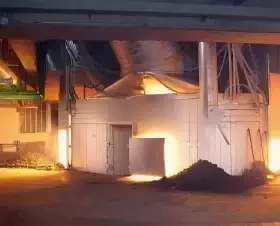
Proven Strategies to Optimise Calcium Silicon Furnace Output
Advanced Temperature Control Through Automation Systems
When real-time tracking tools are used, Calcium Silicon Furnace operation changes from reactive adjustments to predictive control. These days, programmable logic controllers keep an eye on a huge number of factors all the time, such as the position of the electrodes, the amount of current flowing across the stages, the secondary voltage, and the load level sensors. When the electrical resistance changes, these systems instantly change the mechanisms that slip the electrodes. This keeps the ideal arc length even as the makeup of the load changes during the heat cycle.
Automated systems cut down on mistakes made by humans and operator tiredness, which is especially helpful at night when people are usually less alert. The technology makes it possible to have smaller process windows, which results in metals with less variation in makeup that can be sold for higher prices in markets that care about quality. Energy efficiency usually increases by 5 to 8 per cent after automation is implemented. This directly leads to lower production costs and a better position in the market.
Rigorous Raw Material Qualification and Preparation
Setting up seller evaluation programmes ensures that the quality of the feedstock remains consistent, which is the foundation of stable production. Specifications should be very detailed about what ranges of chemical composition, particle size distribution, and moisture content are allowed. Before the material can be accepted, it must be tested in batches. Long-term relationships with dependable providers lower the chance of unexpected changes in quality that throw off production plans and lead to products that don't meet specifications and need expensive reprocessing.
On-site facilities for material preparation let workers screen, mix, and dry raw materials right before charging them. This is the last quality control step. Covered storage areas with good drains stop moisture from reabsorbing, and equipment for size gets rid of fines that would otherwise make it hard for loads to pass through. Some high-tech businesses use automatic batching systems with electronic load cells to make sure they follow recipes exactly. This stops composition drift caused by mistakes made when filling by hand.
Preventive Maintenance Programs and Equipment Upgrades
Regular repair times based on hours used and heat counts keep breakdowns from happening out of the blue and causing long power blackouts. Important wear items that should be checked during inspections are refractory thickness readings, electrode contact state, the performance of the transformer cooling system, and finding hydraulic component leaks. When maintenance teams have thermal cameras, they can find hot spots in electrical bus work or furnace shell penetrations before they break.
Long-term gains in dependability from strategic equipment upgrades support capital investments through less downtime and higher production capacity. Using new alumina-graphite alloys to replace old tap hole blocks makes them last longer before they need to be fixed. Breakage rates drop by a huge amount when you switch to bigger electrodes with steel casing support. Putting in energy recovery systems that take useful heat from off-gas streams can make the whole system more thermally efficient, which means it uses less energy and has less of an effect on the environment.
Operator Training and Process Standardisation
Comprehensive training programmes make sure that furnace workers understand not only the steps they need to take to do their jobs, but also the metallurgical principles that govern how the furnace works. When operators know how slag basicity affects metal yield or how load permeability affects gas evolution, they can make better decisions in real time when things go wrong that automatic systems can't fully handle. Using past data from real production interruptions in simulation-based training helps people learn how to fix problems without damaging equipment while they're learning.
Standardised operating procedures write down the best ways to do things that have been learned over many years of experience. This way, information isn't lost when experienced workers leave or move to other facilities. These steps should include clear instructions for when to turn off the heat in the furnace and when to continue charging the load. They should also include clear instructions for how to change the electrodes during different stages of production. Regular reviews of procedures that include lessons learned from recent events make sure that operational success keeps getting better.
Comparing Calcium Silicon Furnace Solutions for Maximum Efficiency
Technology Selection Considerations
The most common way to make calcium silicon is in a submerged arc Calcium Silicon Furnace, which can keep the deep burden beds needed for full reduction processes. These systems are great at getting to the very high temperatures needed while keeping metal losses through the protective load layer to a minimum. Other designs, like open-arc and induction systems, have trouble with calcium's high vapour pressure. They lose yield, which makes them economically unusable, even though they might be better for making other alloys.
In submerged arc designs, the size of the furnace and the capacity of the generator must match the production goals and the electrical infrastructure that is available. Facilities that need to handle 10,000 tonnes of weight every year usually ask for transformers with secondary voltages that let electrodes go deep into the metal. Smaller businesses may be able to get the most out of 8–12 MVA units, putting up with a little higher specific energy consumption in return for lower capital costs and shorter minimum economic output runs.
Energy Efficiency and Cost Analysis
40–50% of the total cost of making an alloy is the electricity used, so energy economy is one of the most important things to think about when buying something. Modern furnaces with short-net electrical designs reduce reactance losses by sending more power straight to the reaction zone instead of letting it heat up the wires and transformers. Using off-gas heat to warm up raw materials in energy recovery systems can cut net consumption by 8–12%, with payback times of less than three years in most working situations.
To compare the total cost of ownership, you need to look at more than just the initial equipment price. You also need to consider how hard the installation is, how much refractory material is used, how much electrode is used, and how often upkeep needs to be done. Over the course of its working lifetime, a furnace that costs 15% more but uses 10% less energy and has a 20% longer refractory campaign life is more profitable. Teams in charge of buying things should ask for detailed technical plans that include guaranteed performance standards and terms that punish companies that don't meet their goals.
Supplier Reliability and Technical Support
When you choose a furnace manufacturer with a track record of producing alloys, you can be sure that you will have access to specialised technical knowledge that general equipment providers can't offer. Established companies like Heyuanxin have been making metallurgical tools for over 11 years, so they have a deep knowledge of the operating issues that come with making calcium silicon. Their experience helps them make design improvements that solve problems in the real world. For example, they can make electrode positioning systems that are better for high-calcium metals and better refractory setups.
When the product is being set up and when operational problems arise during production efforts, full after-sales support is very important. Suppliers who can do online diagnostics can quickly figure out what's wrong and often fix the problem without having to come to the site, which can delay settlement. Bringing customer employees to the manufacturer's building for training so they can use similar tools in real life speeds up the learning process and improves the company's technical skills.
Case Studies and Real-World Applications
Steel Mill Deoxidation Efficiency Improvement
A big steel company in North America kept having problems with nozzles getting clogged up while continuously casting high-strength car grades. This stopped production for an average of 12 hours a month and cost the company a lot of tonnes. The provider of their calcium-silicon alloy was sending them inconsistent makeup, with calcium levels ranging from 26-34% instead of the 28–31% range that was asked for. Because of this, metallurgists couldn't correctly figure out injection rates, which caused either too little deoxidation or too much calcium, which led to new inclusion problems in the Calcium Silicon Furnace.
The steel mill worked with an expert in furnace equipment to open a new production facility. The new facility uses advanced robotics systems to keep the makeup within a 1% tolerance. The new process included a chemical study of tapped metal in real time, with feedback loops that changed the makeup of the burden automatically for future heats. With seventy-eight per cent fewer opening clogs in just six months, the mill was able to start making ultra-low-sulphur types that sold for fifteen per cent more. The project showed that putting money into improving burner technology pays off in many ways, including higher-quality products and more reliable operations.
Foundry Inoculant Production Optimisation
A European company that sells casting tools was having trouble keeping up with the rising demand for special inoculants that are used to make ductile iron. Their old factory, which was built in the 1990s and had electrodes that were controlled by hand, had electrodes that broke down often and uneven product quality that made customers unhappy. They were at a disadvantage when compared to foreign suppliers with more modern facilities because they used an average of 12,800 kWh of energy per tonne.
After a careful analysis, they decided to update the whole furnace by adding an automatic electrode placement system, a new transformer with a wider tapping range, and a new refractory package that is meant to last longer during campaigns. Instead of teaching operators how to fix problems after they happen, they were taught how to make preventative changes to keep the electricity factors at their best. After modernisation, performance got a lot better: electrode breakage dropped from two to three times a month to less than once every three months; energy use dropped to 11,200 kWh per tonne; and product composition variability got tight enough to get ISO certification for quality management. Production capacity went up by 35% without any extra floor room being added. This was made possible by better tools and better ways of running the business.
Conclusion
To get the most out of Calcium Silicon Furnace production, you need a methodical plan that includes the right tools, great operations, and smart partnerships with manufacturers who have a lot of experience. Modern automatic systems offer precise temperature control and process steadiness needed for consistently making high-quality alloys. Thorough qualification of raw materials gets rid of compositional differences that hurt furnace performance. Regular repair keeps expensive breakdowns from happening out of the blue, and thorough operator training makes sure that workers can get the most out of their machines in a variety of settings. If steel mills, foundries, and alloy producers want to stay ahead of the competition, they need to compare their current operations to best practices in the industry. This will help them find ways to improve their processes and add new technologies that will help them make more products, use less energy, and make sure the quality of their products meets strict customer requirements.
FAQ
What raw materials are essential for optimal calcium-silicon furnace operation?
The silicon source is high-purity quartz that has at least 98% SiO₂ and very little alumina pollution. The calcium source is calcium oxide that comes from good limestone. Carbon for reduction processes comes from carbonaceous reducing agents like industrial coke and charcoal. Wood chips are an important part of the structure because they create load porosity, which keeps dangerous gases from building up. To keep steam from messing up the heating process, all materials need to have a fixed moisture level below 2% for the Calcium Silicon Furnace to work properly.
How frequently should maintenance be performed to ensure peak furnace performance?
Thermal imaging should be used every day to check the state of the electrodes, the trends in the electrical parameters, and any resistant hot spots. Every week, tests are done to check the soundness of the tap holes, the performance of the cooling system, and the usefulness of the hydraulic parts. Electrical contact resistance tests and measuring the thickness of the refractory are part of the monthly thorough evaluations. Transformer service, full refractory inspection with ultrasonic testing, and mechanical system overhaul of the electrode arm are all part of the annual major maintenance programme. This tiered method finds problems early on and plans for heavy maintenance to happen during planned breaks in production.
What distinguishes submerged arc furnaces from other technologies in calcium-silicon production?
Submerged arc designs keep deep load beds that create the very high temperatures (above 2,000°C) needed to reduce calcium oxide while limiting the loss of very volatile calcium through evaporation. The burden layer keeps the arc and metal bath clean from outside contaminants and improves heat efficiency compared to open-arc designs. Because other induction systems can't produce the exact thermal profiles needed for reliable production of high-calcium alloys, submerged arc technology has become the standard for this particular use.
Partner with Shaanxi Heyuan for Superior Calcium Silicon Furnace Solutions
Shaanxi Heyuan New Metallurgical Electric Furnace Equipment Co., Ltd. sells complete systems for making alloys that are designed to be as efficient as possible and reliable for a long time. Our high-tech Calcium Silicon Furnaces use 95% less energy than traditional ones while keeping exact temperature control across the 1,500–1,800°C range needed for stable alloy composition. We offer full solutions, from the initial design to installation, commissioning, and ongoing expert support. We have more than ten utility model patents and over 11 years of specialised knowledge. Our ISO 14001-certified factory makes products that meet international quality and environmental standards. We also offer full after-sales service to make sure your heater has minimal downtime over its 10+ year lifetime. Get in touch with our expert team at sxhyyj606@163.com to talk about how Heyuanxin, a reputable Calcium Silicon Furnace maker, can help you improve your metalworking processes by creating solutions that are unique to your needs.
References
1. Chen, W., & Morrison, K. (2019). Advanced Metallurgical Furnace Design: Principles and Industrial Applications. International Metallurgical Publishers, pp. 287-314.
2. Holappa, L., & Taskinen, P. (2020). "Thermodynamic Considerations in Calcium-Silicon Alloy Production," Journal of Sustainable Metallurgy, Vol. 6(3), pp. 445-462.
3. Gasik, M. (2018). Handbook of Ferroalloys: Theory and Technology. Butterworth-Heinemann Technical Publications, Chapter 12.
4. Zhang, J., & Liu, Y. (2021). "Energy Optimisation Strategies in Submerged Arc Furnace Operations," Metallurgical and Materials Transactions B, Vol. 52(4), pp. 2156-2170.
5. International Chromium Development Association (2020). Best Practices in Ferroalloy Production: Operational Excellence and Environmental Compliance, Technical Report ICDA-2020-08.
6. Smelting and Refining Technology Association (2022). Industrial Furnace Systems: Maintenance, Troubleshooting, and Performance Optimisation, Professional Development Series, Vol. 15.


YOU MAY LIKE