
What Are the Key Benefits of a High Carbon Ferromanganese Furnace?
July 6, 2026
High Carbon Ferromanganese Furnace technology has many transformative benefits, including improving energy efficiency by up to 95%, allowing precise alloy composition control (7–8% carbon content with 75% manganese), lowering production costs by optimising reductant consumption, and ensuring reliable continuous operation. These specialised submerged arc furnaces help steel mills produce regular, high-quality ferromanganese metals while also meeting strict environmental standards. This makes them essential tools for modern metallurgical companies that want to get ahead in the global steel market.

Introduction: Why Do Ferromanganese Furnaces Matter in Modern Steel Production?
To create steel, you need alloying procedures that maintain quality even when conditions get tough. The High Carbon Ferromanganese Furnace is essential for metallurgical companies that want to create international-standard high-strength steel.
For over ten years, Shaanxi Heyuanxin Metallurgical Electric Furnace Equipment Co., Ltd. has worked with steel mills, metal producers, and foundries worldwide. We've seen how the appropriate furnace technology can transform production cost and quality. The relationship between manganese and steel is still relevant after Robert Hadfield invented manganese steel in 1882. Manganese, an alloying element, eliminates oxygen from steel and makes it stronger, tougher, and less brittle.
Procurement managers and plant engineers have to balance capital expenditure and regular costs, follow the rules, minimise downtime, and ensure product uniformity between production runs. In this book, dedicated ferromanganese smelting tools address these difficulties and provide practical and economical benefits.
Understanding the High-Carbon Ferromanganese Furnace
What Defines This Specialized Metallurgical Equipment?
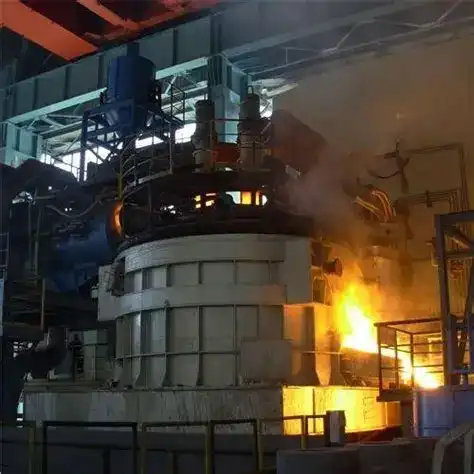
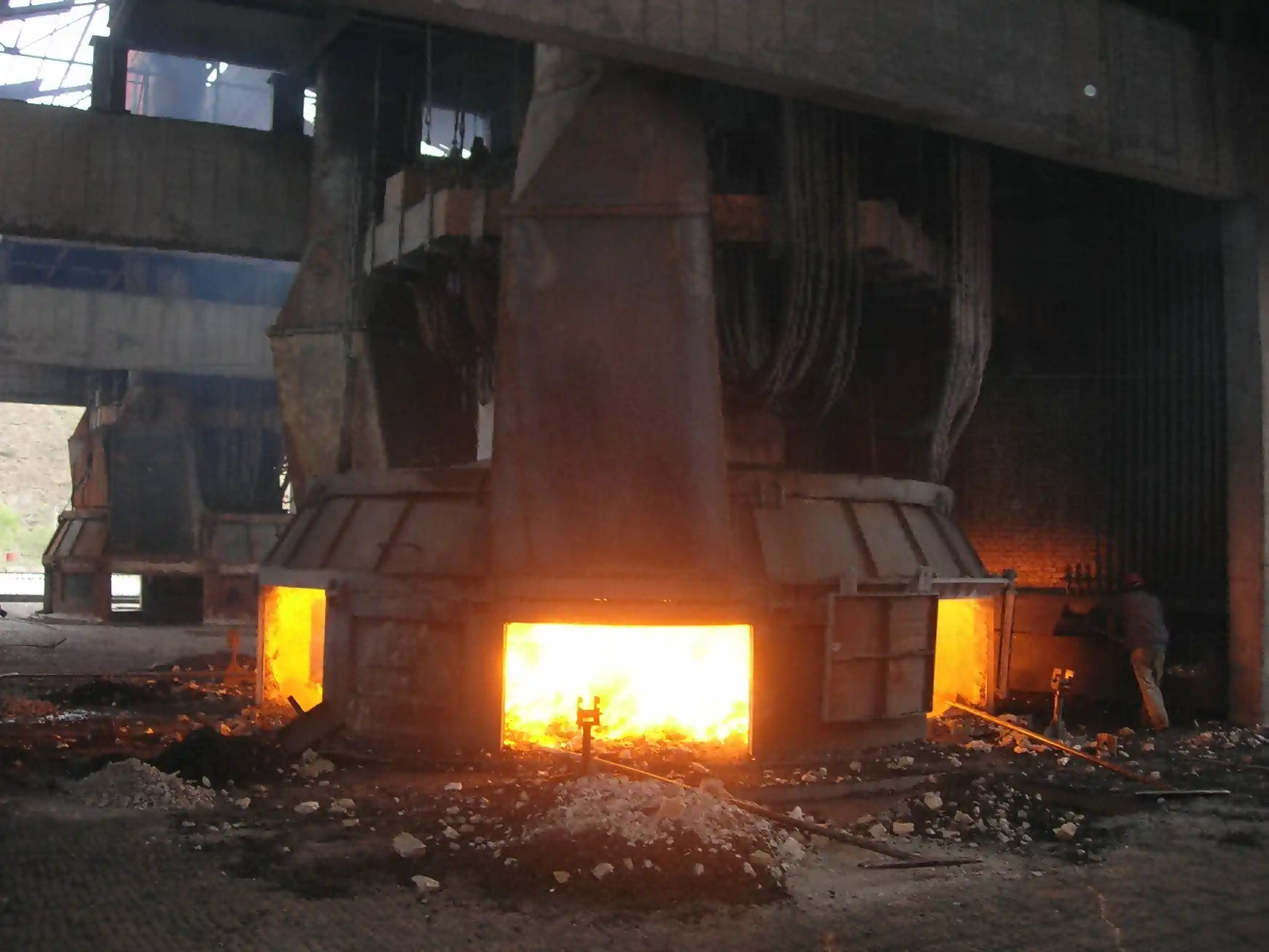
The High Carbon Ferromanganese Furnace production system is a special submerged arc furnace that was made to reduce manganese ore using carbo-thermic reduction. Instead of being general-purpose electric arc furnaces, these units are designed in a way that makes the complicated thermodynamic processes needed to make alloys with 70–80% manganese and controlled carbon amounts between 6 and 8% easier.
At temperatures between 1500°C and 1600°C, the smelting process takes place. At these temperatures, self-baking or pre-baked electrodes go deep into a carefully balanced charge mixture of manganese ore, carbonaceous reductants, and flux materials. When an electric current flows through this charge, it creates resistance heating, which is what reduction processes need to happen. This method is very different from blast furnace technology because it allows for better temperature control and processing of different types of ore.
Core Operating Principles and Production Process
The furnace receives its raw materials through controlled feeding systems that keep the charge makeup constant. Carbon acts as the reductant in the reaction zone. It takes oxygen away from manganese oxides through a series of complicated processes. Modern closed-furnace designs collect the carbon monoxide-rich off-gas for energy recovery, which meets both economic and environmental goals at the same time.
When it comes to operating steadiness, refractory materials are essential. In the hearth area, carbon-based conductive linings can handle the acidic touch of molten metal, and in the sides, alumina-magnesia bricks can handle the highly basic slag chemistry that is common in manganese smelting. The choice of material for these covering systems has a direct effect on the campaign life of the furnace, which can go beyond 12 months with the right design and upkeep.
Temperature control systems continuously monitor and adjust the position of the electrodes to maintain the correct arc length and power supply. This exact control keeps the alloy's chemistry stable and stops electrode breakage, which is the main reason for unexpected production stops. In comparison to older human control methods, automated control systems created in the past 20 years have made operations much more stable.
Key Benefits of Using a High-Carbon Ferromanganese Furnace
Superior Energy Efficiency and Cost Reduction
The most changeable cost in making ferromanganese is the amount of energy used. Modern designs for buried arc furnaces use between 2,200 and 3,000 kWh of energy per tonne of metal, which is a big improvement over how they used to work. Heyuanxin's heating systems are up to 95% energy efficient thanks to several built-in features.
Closed-furnace designs take in sensible heat from rising process gases and use it to warm up materials that are coming in as charge. This heat return lowers the overall demand for electricity and makes the whole system more thermally efficient. When the factory is running all the time, making between 20 and 200 tonnes of steel every day, based on the transformer's capacity, it has a big effect on the economy.
A well-designed furnace not only uses less electricity, but it also uses fewer carbonaceous reductants. In the past, standard coke-based processes made alloys with 52–76% manganese and high phosphorus levels (0.4%–0.6%). Today, carbothermic reduction in properly built submerged arc furnaces produces better metal results. Using different types of reductants, like metallurgical coke, anthracite, and charcoal, gives you operating freedom that helps you deal with changes in the cost of raw materials.
Precise Alloy Composition Control
As steel finds more use in cars and buildings that need predictable mechanical qualities, standards are becoming stricter about compositional tolerances. These days, modern furnaces have powerful electrode control systems that let workers change the carbon and manganese ratios with exceptional accuracy.
To keep the carbon content at 7-8% and the manganese percentage at ≥75%, you need to use complex process control. Intelligent monitoring systems track multiple working factors at the same time. These factors include electrode position, power input, charge level, tapping temperature, and slag chemistry. These systems make constant small changes that can't be made by hand. This technological ability directly leads to less variation in alloys and higher customer happiness for steel makers who produce steel for tough uses.
Pay close attention to the slag control methods we've created at Heyuanxin. Operators can choose between "flux" operation, which makes waste slag, and "fluxless" operation, which makes manganese-rich slag that can be used to make silicomanganese. This adaptability raises the total manganese recovery across linked production sites, lowering the amount of ore needed for each finished product.
Enhanced Reliability and Reduced Downtime
Production interruptions generate steel mill-wide issues. The sturdy structure and modular design of professional-grade High Carbon Ferromanganese Furnaces avoid unexpected malfunctions and make maintenance easier.
Long-lasting refractory systems can withstand high-temperature metalworking, chemical and heat stresses. Our engineers chose lining materials by analysing decades of field performance data and matching refractory types to furnace sections that work differently. This concentrated approach extends the campaign, protects the shell, and keeps personnel safe.
Dependability also depends on the electrode system. Self-baking Söderberg electrodes eliminate electrode change downtime, but paste quality and slipping mechanism tracking must be monitored. In certain job scenarios, pre-baked electrodes are beneficial. Both approaches function successfully with solid repair plans and high-quality parts.
Real-world contact clamp repair methods can prevent electrode breaks from electrical breaks. If checked weekly for arcing damage and cooling water flow, high-quality copper-forged clamps endure 12–24 months under demanding electrical and thermal circumstances.
Safety Features and Operational Stability
When working with metal, you're likely to be around dangerous things like melted metal at very high temperatures, high electrical currents, flammable gases, and chemicals. Modern high-carbon ferromanganese furnaces have many safety features that keep people safe and allow them to run continuously and steadily.
Thermal image tracking lets you see the temperatures of the furnace shell in real time and find "hot spots" that mean refractory erosion or metal penetration before they become too big to fix. With this ability to predict the future, maintenance teams can plan fixes for planned outages instead of having to react to emergencies.
Off-gases that are high in carbon monoxide must be safely handled by gas handling systems in closed furnaces. This off-gas is both an energy source and a safety risk. When designed correctly, scrubber systems lower the amount of particles in the air to less than 5 mg/Nm³ while safely sending flammable gases to systems that can use them or flare them. Safe gas buildup is stopped by pressure release devices, and good air quality is maintained in work areas by interlocked ventilation systems.
Applications and Industry Advantages
Primary Applications Across Steel and Alloy Production
Integrated steel factories employ ferromanganese alloys as deoxidisers and alloying agents most often. To manufacture liquid or solid alloys that meet tight chemical standards, the furnace must run 24/7. Steelmakers enjoy that the equipment regularly produces high-quality steel with known features.
High-strength low-alloy (HSLA), stainless, and tool steel manufacturers need precision ferromanganese chemistry. High-carbon grades provide the mechanical effects these purposes demand due to their fixed carbon content. Manganese enhances hardening, heat resistance, and strength through solid-solution hardening and grain refining.
Ferromanganese ensures mechanical properties in foundries and casting processes. The auto industry prefers manganese-containing structural steels because their strength-to-weight ratio affects gas mileage. Manganese steel's strength, hardness, and weldability enable long-term structural stability in bridges, buildings, and pipes.
Meeting Stringent Performance and Environmental Standards
Today, metallurgical businesses must follow stringent environmental regulations. Modern High Carbon Ferromanganese Furnace technology addresses emissions concerns while maintaining commercial viability with its low-carbon design.
Closed-furnace installations gather process gases that would otherwise pollute and waste energy. Carbon monoxide used to generate power or as process heat in sintering increases plant heating efficiency and reduces greenhouse gas emissions per unit of production. Particulate capture systems reduce workplace and environmental dust.
Meeting foreign standards like ISO 13579 for industrial furnace energy measurement and alloy quality requirements like ASTM A99 or ISO 5446 demonstrates to buyers worldwide that you can do your job. International steel mills appreciate furnace systems that meet these requirements because they make it easier to qualify consumers and reach more expensive market niches.
Heyuanxin's modular construction makes future enhancements easy when environmental regulations or industry needs change. Making simple system improvements can assist in achieving new business goals without replacing all the equipment and protecting the core investment in furnace infrastructure.
Comparing High-Carbon Ferromanganese Furnaces with Other Types
Composition and Production Parameter Differences
Knowing the differences between high-carbon, medium-carbon, and low-carbon ferromanganese helps buying teams match the output goals of each piece of equipment to its capabilities. These high-carbon types are made in submerged arc furnaces using carbothermic reduction to combine 6-8% carbon with ≥75% manganese. Medium-carbon grades (1–2% carbon) need more steps of processing after the main casting process. Different ways of making low-carbon and extra-low-carbon grades are needed. Usually, oxygen blowing or silicothermic reduction processes are used.
The basic science determines which tools to use. When steel standards allow it, high-carbon production is the best way to go because it maximises output and minimises processing steps. The exact energy used, the rate at which electrodes are used up, and the patterns of refractory wear are very different between these production variants, which changes how the total cost of ownership is calculated.
Technology Comparison: Submerged Arc Versus Alternative Furnace Types
Induction furnaces are useful for small-scale production and remelting, whereas submerged arc furnaces offer economies of scale. Induction heating's electromagnetic stirring keeps makeup uniform, although it loses money when generating more than a few tonnes per hour.
Electric arc furnaces for steel production are comparable to ferromanganese smelting facilities but differ in crucial aspects. Steel-making arc furnaces use many charge-discharge cycles to swiftly alter temperature. High-carbon ferromanganese furnaces run constantly in a semi-sealed mode to maintain steady-state temperatures for long-term reduction processes instead of short melting cycles.
Blast furnace technology was once vital for manganese production, but electric furnaces have superseded it in developed countries. Even though power costs more in many regions, electric smelting has greater temperature control, more raw material quality possibilities, and less environmental harm.
Scalability and Suitability for Specific Production Volumes
The amount of production needed has a big impact on the choice of furnace. Small businesses that make 20 to 50 tonnes of goods every day can use furnaces with a transformer capacity of 6,300 to 12,000 kVA without breaking the bank. Mid-sized sites that need to handle 50 to 100 tonnes per day usually choose 25,000 to 45,000 kVA systems that combine the cost of capital with the cost of running the business.
Large combined businesses that make 100 to 200 tonnes of goods every day can afford to buy 48,000 to 72,000 kVA furnaces that get the most out of economies of scale. Larger systems like these can handle a lot of gas and have advanced robotics, gas cleaning equipment, and energy recovery built in, which smaller systems can't afford. In addition to the furnace itself, the electrical equipment that is needed, such as specialised substations and power factor correction systems, costs a lot more.
Capacity choices should be based on things like the cost of energy, the supply of raw materials, and the infrastructure for logistics. Electric smelting lines give businesses in places with cheap hydropower a competitive edge. Being close to sources of manganese ore or steel mill customers lowers shipping costs, which has a big effect on the economics of supplied alloys.
Procurement Insights and Brand Reliability
Evaluating Supplier Credentials and Technical Capability
Choosing a High Carbon Ferromanganese Furnace maker has ten-year consequences. The equipment seller becomes a long-term partner and sets up the furnace, trains personnel, maintains it, and adds new technologies as needed.
Certifications demonstrate a company's abilities. ISO 9001 certification proves standardisation in innovation, production, and quality control. Business accreditation in occupational health and environmental management (ISO 45001 and ISO 14001) shows responsibility. Heyuanxin's 3A credit firm status and product after-sales service certification demonstrate our comprehensive customer service.
Patents can distinguish true inventions from marketing claims. Over years of fieldwork, we've developed over 10 utility model patents and software copyrights to solve operating challenges. Advanced electrode control systems, innovative slag management methods, and sophisticated tracking systems improve performance more than minor upgrades.
Critical Considerations During Equipment Selection
The overall cost of ownership exceeds the initial price. A complete economic study should examine how much energy is required at the local power rate, how much electrode and refractory material is used, how many maintenance workers are needed, and how long the campaign will last between significant rebuilds. An inexpensive furnace that wastes energy or is unreliable will cost more over time.
Commissioning and user training determine how quickly the installation reaches stable output. Full operational support, like our 24-hour on-site service response, helps customers avoid quality issues and lost productivity with unsupported setups. When knowledge is imparted well during commissioning, working behaviours affect the furnace's lifetime performance.
Logistics abilities are crucial for international purchases. Our global delivery services and full-process logistics support can carry heavy, large items internationally. For instance, export permissions, customs paperwork, and local installation crew coordination require more than manufacturing capabilities.
Building Long-Term Supplier Partnerships
Support after the sale is what determines whether the High Carbon Ferromanganese Furnace works as planned over long-term operating missions. Quick access to replacement parts, help with technical issues, and regular reviews of speed optimisation keep things running smoothly and stop small problems from becoming major fails.
Heyuanxin's approach to customised solutions takes into account the fact that each location has its own set of raw materials, output goals, site conditions, and operational tastes. Instead of pushing customers to use standard setups, we tailor tried-and-true core technologies to each customer's needs. This is possible thanks to our more than 11 years of experience in metallurgical research and development in a wide range of settings.
The terms of the warranty show that the maker trusts the stability of the equipment. Purchasing teams can lower their risks by getting warranties that cover a wide range of things, such as materials, skills, and performance. Another important thing is that clear warranty claim processes and quick service show that you care about your customers after the sale.
Conclusion
The High Carbon Ferromanganese Furnace technology has measurable benefits that make steel producers more competitive in tough global markets. These specialised systems are important for modern metallurgical processes because they are very good at saving energy, controlling precisely what is being mixed, being reliable, and being good for the environment. When making long-term purchases, suppliers' technical skills, full support services, and track records of operating success in a wide range of situations must be carefully considered. Patents, licences, and long-term customer partnerships from manufacturers that demonstrate true innovation give investors the confidence they need to make these large capital investments.
FAQ
What temperature range do these furnaces typically operate within?
In the reaction zone where reduction processes happen, ferromanganese is smelted at temperatures between 1500°C and 1600°C. The exact temperature profile changes depending on where in the furnace it is. The hottest areas are near the electrode tips, which is where electrical energy is turned into heat through resistance heating.
How does carbon content affect steel manufacturing outcomes?
The amount of carbon in ferromanganese affects both the amount of metal that needs to be added and the qualities of the finished steel. High-carbon grades effectively move manganese while adding carbon that, based on the goal steel specs, may be wanted or needs to be removed later. The 7–8 per cent carbon level helps deoxidation work well and supports strength growth in the right steel types.
What maintenance practices extend furnace operational life?
Regular checks of refractories using thermal imaging can find problems early on, before they become too big to fix. Electrode-breaking events that lead to long power outages can be avoided by checking the contact clamps once a week. Stable electrical conditions are kept by regularly checking the quality of the electrode paste and making sure the slipping mechanism works correctly. With these preventative measures and fixes done on time during scheduled maintenance windows, campaigns often last longer than 12 months between big rebuilds.
Partner with Shaanxi Heyuan for Your Ferromanganese Production Needs
Metallurgical companies all over the world depend on Shaanxi Heyuan New Metallurgical Electric Furnace Equipment Co., Ltd to produce high-quality high-carbon ferromanganese furnaces. Our full range of services includes planning, production, installation, commissioning, and full expert support—everything that is needed to set up smelting processes that are productive and efficient. With production rates of up to 200 tonnes per day and transformer sizes ranging from 6,300 kVA to 72,000 kVA, we can make solutions that are exactly what you need. Email our technical team at sxhyyj606@163.com to talk about your project needs and get full specs. You can see all of our products at hyyjfurnace-supply.com, which also has detailed information to help you make smart choices about equipment.
References
1. Olsen, S.E., Tangstad, M., and Lindstad, T. "Production of Manganese Ferroalloys." Tapir Academic Press, 2007.
2. Gasik, M. "Handbook of Ferroalloys: Theory and Technology." Butterworth-Heinemann, 2013.
3. Eric, R.H. "Carbothermic Reduction of Manganese Ore in the Production of High-Carbon Ferromanganese." Journal of the Southern African Institute of Mining and Metallurgy, vol. 112, 2012.
4. International Manganese Institute. "Manganese Ferroalloys Production: Technology and Environmental Impact Assessment." IMnI Technical Report Series, 2018.
5. Tangstad, M. "Manganese Ferroalloys Technology." The Thirteenth International Ferroalloys Congress, Almaty, Kazakhstan, 2013.
6. American Society for Testing and Materials. "ASTM A99: Standard Specification for Ferromanganese. "ASTM International, West Conshohocken, PA, latest edition.


YOU MAY LIKE