
How to Choose the Best Ferrosilicon Furnace for Industrial Production?
July 16, 2026
Choosing the right Ferrosilicon furnace affects every part of your production process, from energy costs to metal quality and environmental compliance. For large-scale production, a Ferrosilicon furnace must handle temperatures above 2000°C, control the release of dangerous silica fumes, and keep the silicon-to-iron ratio stable while minimising downtime. Whether your facility makes money or loses money because of expensive inefficiencies and frequent repair breaks depends on the equipment you choose. It should be energy efficient, well-built, and easy to control the process with.
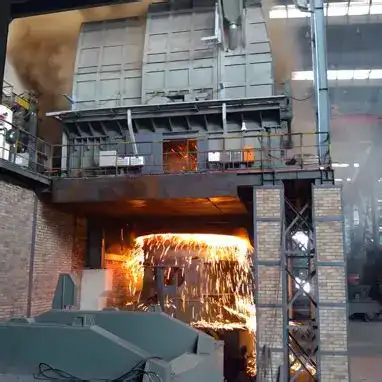
Understanding Ferrosilicon Furnaces: Types, Technology, and Operation
When looking at tools for making ferroalloys, knowing the basic differences between furnace types can help you find the right technology for your needs.
Submerged Arc Furnaces vs. Electric Arc Configurations
For constant ferrosilicon production, submerged arc furnaces are the norm. Self-baking Soderberg electrodes are inserted deeply into the charge mix in these systems. This creates resistance heating zones that help the carbothermic reduction of quartzite and iron sources. The thermal efficiency of this design is high because it keeps reaction temperatures stable between 1400°C and 1900°C. Even though Electric Arc Furnace designs are good for melting steel, they don't always spread heat evenly enough to make high-grade silicon alloys. The submerged arc design cuts down on the use of electrodes and gives you better control over the volatile reduction processes that are needed to make FeSi75 and similar grades.
Modern Automation and Control Systems
Modern Ferrosilicon furnaces have PLC-based machinery that checks where the electrodes are placed, how the load is spread across three-phase power systems, and the temperature differences in the hearth in real time. In more advanced systems, there are predictive maintenance programmes that look at electrical resistance patterns and heat imaging data to see if problems with the electrode paste or the refractory lining will happen before they stop production. These smart tracking features lower specific energy use, which is a key factor since FeSi75 production standards are between 8,000 and 8,800 kWh per metric tonne.
Production Capacity and Temperature Management
Industrial Ferrosilicon furnaces have output amounts that are suitable for both small-scale ferroalloy plants and large-scale steel mill operations. Their output capacities range from 6300 kVA to 72000 kVA. Water-cooled furnace frames keep their shape under long-term heat stress and let you precisely control how heat is distributed. The rotation mechanism in good designs stops charge bridging and makes sure that gas permeation is the same throughout the load layers. This directly improves the alloy's stability and electrical efficiency.
Core Criteria for Choosing the Right Ferrosilicon Furnace
Before making a purchase choice, you need to carefully compare the technical specs to your facility's output goals and the rules and regulations that apply.
Energy Efficiency and Power Factor Considerations
The highest cost of doing business in ferrosilicon production is energy. Look for Ferrosilicon furnaces with power factors of 0.92 or higher. This means they convert electricity efficiently and lose very little reactive power. Equipment with optimised transformer voltage taps and low-reactance secondary busbar systems achieves better performance. Modern designs achieve general energy efficiency scores of up to 95%, meaning that they use less electricity to produce each tonne of metal. When comparing vendors, you should ask for specific power usage data that has been recorded from sites that have already been used in similar raw material situations.
Environmental Compliance and Emission Control
The United States has strict rules about controlling particulate pollution, especially the dangerous amorphous silica dust that is made when silicon is reduced. Choose Ferrosilicon furnaces that have built-in baghouse filter systems that can keep emission levels below 50 mg/Nm³. Low-hood and semi-closed furnace configurations are the best ways to catch off-gases and recover heat, which improves total energy performance even more. Systems with automated dust removal processes reduce the need for human involvement and ensure that standards are always met during production campaigns.
Maintenance Requirements and Component Longevity
The total cost of ownership is much higher than the price of the equipment itself. The total cost of ownership is much higher than the price of the equipment itself. Assess how long important parts like carbon block linings are expected to last (usually 5 to 10 years with proper use), how much electrode paste is used, and when to replace refractory materials. When ferrosilicon furnaces are made with repair ports that are easy to access to and standard replacement parts, they require less downtime during regular maintenance. Because real spare parts are available through established supply networks, production doesn't have to stop for long periods of time when a part needs to be replaced.
Safety Protocols and Risk Mitigation
Handling liquid metal, working with high-voltage electrical systems, and being around dangerous gas atmospheres are all risks that come with making industrial ferrosilicon. Many safety features are built into effective Ferrosilicon furnace designs, such as emergency electrode retraction systems, over-temperature alarms for the furnace shell, and linked tracking of the flow of cooling water. Check that the equipment you want to buy has all the necessary safety certifications and that the company that made it offers full operating training that includes how to handle emergencies and how to lower risks.
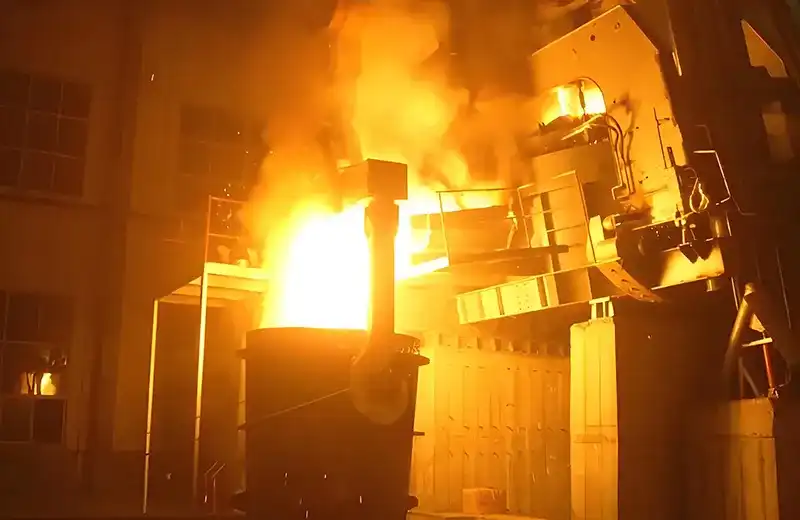
Comparing Leading Ferrosilicon Furnace Solutions on the Market
Over 400 successful installations around the world have helped Shaanxi Heyuanxin Metallurgical Electric Furnace Equipment Co., Ltd. build a good name. Our Ferrosilicon furnaces have power ranges from 6300 kVA to 72000 kVA, so they can be used by both small ferroalloy plants and large combined steel plants. The company's self-baking electrode systems have advanced paste feeding processes that keep the electrode geometry in the best shape during long production runs, which means they use less material than traditional designs.
Technical Specifications That Differentiate Quality Equipment
The body of our Ferrosilicon furnace is made of water-cooled copper plates that are designed to be able to handle changes in temperature while keeping their exact dimensions. This new design makes the heat spread more even, getting rid of hot spots that speed up the breakdown of refractory. The built-in PLC automation platform checks 47 operational factors at the same time, so the electrode pressure, charge layer depth, and power input distribution can be changed in real time across all three stages.
The dust-removal systems we offer use pulse-jet baghouse technology and automatic cake release to keep filtering efficiency above 99.7% throughout the production cycle. This makes sure that environmental rules are always followed and recovers valuable microsilica as a waste that can be sold. Independent third-party tests show that energy efficiency scores always hit 95% in customer installations.
Custom Engineering vs. Standard Configurations
Metallurgical processes are very different in terms of the types of raw materials they use, the power infrastructure that is available, and the amount of output that needs to be produced. Facilities that use standard quartzite and coke as feedstocks can save money by using standard Ferrosilicon furnace types. Custom engineering is useful when there are certain limitations, like a transformer's limited capacity, electrodes with non-standard sizes, or the need to integrate with existing systems for moving materials. Our engineering team looks at the specific working needs of each client and suggests the best mix of standardisation and customisation.
Evaluating Supplier Credentials and Support Capabilities
Check a possible supplier's track record by asking for examples of work they've done in similar production settings. Shaanxi Heyuan New is a 3A-level credit company and has ISO quality management system certification, environmental management system certification, and quality management system certification. We have more than ten utility model patents in our library. These cover new ways to control electrodes, make furnace shells better, and reduce emissions. Full service includes helping with the design, making the product, overseeing the installation, helping with the approval process, and ongoing expert support. Reliable partners are different from transactional sellers because they offer 24/7 customer service and quick on-site service.
Best Practices for Ferrosilicon Furnace Operation and Maintenance
Disciplined operational routines and proactive repair strategies are needed to get the most out of equipment's lifespan and production efficiency.
Routine Maintenance Focused on Critical Systems
Set up regular checks for refractory linings using embedded thermocouples and thermal imaging to find changes in temperature that show how wear is progressing. Keep an eye on the quality factors of the electrode paste, such as its flexibility and volatile matter content. Any changes will have a direct effect on how fast it breaks and how much it is used. To keep the electrodes in the right place, hydraulic locking systems need to check the pressure every so often. Every year, dissolved gas research should be done on the transformer oil to find electrical stress problems before they become failures.
Optimising Energy Consumption Through Process Control
Controlling the charge load makeup and layer thickness carefully keeps the gas permeability at its best, which cuts down on energy loss from channelling effects. The system that spins the Ferrosilicon furnace breaks up surface crusts that would otherwise cause burning in certain areas. This makes the electricity use more efficient overall. Advanced operators use real-time tracking data to change the amount of power they use based on changes in the quality of the raw materials. This keeps the specific energy consumption stable even when the source isn't always the same.
Safety Protocols for Personnel Protection
When working with molten ferrosilicon, there are certain risks that need to be taken into account. For example, when water touches melted metal, it can cause fires. Set up areas where people can't go while tapping is being done, and make sure that everyone wearing thermal safety equipment does so. Plans for what to do in an emergency should include steps for pulling back electrodes, backup systems for cooling water and how to get out of the building. Regular safety training helps people remember how to handle things properly and spot potential dangers.
Procurement Guide: How to Buy a Ferrosilicon Furnace for Industrial Use?
To get through the buying process, you need to carefully consider technical needs, budgetary concerns, and the supplier's skills.
Defining Your Production Requirements
Start by figuring out how much ferrosilicon you want to produce (in metric tonnes per month), what alloy types you want (FeSi75, FeSi65, or custom specs), and how much power you have available. Keep track of where your raw materials come from and what chemicals they usually contain, because the clarity of the silica and the reactivity of the coke have a big effect on the size of the Ferrosilicon furnace that you need. When choosing a transformer's capacity, think about how you want to grow in the future. This is because electrical systems that are too small limit the growth of production.
Evaluating Quotations and Total Cost of Ownership
Ask for full quotes that cover the whole system, including the structure of the furnace, the generator and electrical distribution, the control systems for the electrodes, the equipment for removing dust, the cooling water systems, and the automation platforms. When you compare specific energy consumption promises, like a Ferrosilicon furnace that uses 8200 kWh/tonne vs 8600 kWh/tonne, you can save a lot of money over the course of 10 years. Look at upkeep cost estimates that include when to change refractories, how much electrode paste to use, and how much spare parts cost. The warranty terms and commissioning support measures show that the seller is sure that the equipment will work.
Checking the Manufacturer's Credentials
Visit working installations to get references from possible providers. This will let you see how the equipment works firsthand and talk to plant staff about their real-life maintenance experiences. Make sure that the makers have the right quality certifications and the engineering skills to offer technical help after the installation is complete. Shaanxi Heyuanxin has over 400 installations in foundries, steel factories, and ferroalloy production facilities. These installations show that the company can perform well in a wide range of operating circumstances.
Installation and Commissioning Considerations
For equipment distribution to go smoothly, the supplier's delivery team and your facility's engineering staff need to work together. Make it clear who is responsible for preparing the base, connecting the power lines, providing cooling water and building the infrastructure for handling off-gas. As part of full commissioning services, electrode paste preparation training, initial load charging supervision, and operating parameter optimisation during the startup phase should all be included. You should make sure that the maker gives you clear, thorough working and repair manuals that are translated into English.
Conclusion
To pick the best Ferrosilicon furnace, you need to carefully look at its technical specs, working needs, and the supplier's abilities. Long-term success is directly affected by how well you use energy, how well you protect the environment, and how easy it is to do upkeep. Advanced electrode control, strong refractory design, and built-in pollution reduction systems make equipment that works better over long production runs. Working with a well-known company that offers full engineering support, proven installation experience, and quick expert service is the best way to make sure that the implementation goes smoothly and that operations continue to run at a high level.
FAQ
What determines the energy efficiency of a ferrosilicon furnace?
Power factor rates, electrode immersion level, and load permeability all affect how well electrical energy is converted. When transformer taps are optimised, and power factors are above 0.92, reactive losses are kept to a minimum. Gas channels that lose heat can be stopped by rotating the Ferrosilicon furnace properly, and water-cooled shell designs can restore thermal energy.
How often should refractory linings be replaced?
If they are used properly, good carbon block linings should last between 5 and 10 years. Degradation is sped up by frequent temperature cycling during shutdowns. Thermal images and integrated thermocouples make it possible to plan replacements ahead of time, before major problems happen. Taking good care of a Ferrosilicon furnace greatly increases its useful life.
Can ferrosilicon furnaces produce other ferroalloy grades?
Even though these Ferrosilicon furnaces are designed to make FeSi, they can also be used to make silicon metal or calcium silicon by changing the voltage settings, the makeup of the load, and the shape of the fire. For these kinds of changes to work safely and well, engineers need to be involved.
Contact Shaanxi Heyuan—Your Trusted Ferrosilicon Furnace Manufacturer
With more than ten years of experience in metalworking, Shaanxi Heyuan New Metallurgical Electric Furnace Equipment Co., Ltd. brings new ideas to every job. Our ferrosilicon furnace solutions are designed to solve the problems that steel makers, ferroalloy makers, and foundries all over the United States face. We offer tools with capacities ranging from 6300 kVA to 72000 kVA, self-baking electrode systems, and PLC-based automation that saves 95% of energy. This helps you get the most out of your production while keeping costs as low as possible. Our full range of services includes design advice, precise manufacturing, installation supervision, help with testing, and ongoing expert support. Heyuanxin is ready to offer creative solutions that meet your specific production needs. They have ISO certifications and multiple patents and have been used in over 400 sites around the world, and have been proven to work. You can email our engineering team at sxhyyj606@163.com or visit hyyjfurnace-supply.com to talk about how our services as a ferrosilicon furnace supplier can help your mining work.
References
1. Gasik, Michael. Handbook of Ferroalloys: Theory and Technology. Butterworth-Heinemann, 2013.
2. Olsen, Sverre E., Merete Tangstad, and Tor Lindstad. Production of Manganese Ferroalloys. Tapir Academic Press, 2007.
3. American Society for Testing and Materials. ASTM A100-04: Standard Specification for Ferrosilicon. ASTM International, 2018.
4. International Electrotechnical Commission. IEC 60146: Semiconductor Converters—General Requirements and Line Commutated Converters. IEC Standards, 2015.
5. Eric, R. H. Minerals, Metals and Sustainability: Meeting Future Material Needs. CRC Press, 2014.
6. Schlesinger, Mark E. Extractive Metallurgy of Copper, Nickel and Cobalt. Elsevier Science, 2011.


YOU MAY LIKE