
What Are the Key Benefits of a Silicon Manganese Furnace System?
July 15, 2026
A Silicon Manganese Furnace has giant benefits for metalworking processes that change the way things are made, how much they cost, and how they affect the world. These special submerged arc furnace systems allow manganese ore and silica sources to be continuously reduced using carbothermic reduction. This makes high-grade ferroalloys that are needed to deoxidise and desulfurise steel today. Most of the benefits come from using a lot less energy (optimised systems use only 3,800 to 4,200 kWh per tonne) and from better controlling the quality of the metal by keeping the temperature just right. Advanced electrode placement and closed-top designs make it possible to collect CO off-gas, turning trash into energy that can be used again while also cutting facility emissions by over 60% compared to older furnace technologies.
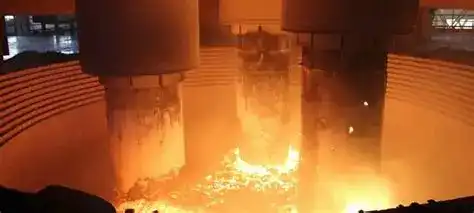

Understanding Silicon Manganese Furnace Systems
The Fundamental Operating Principles
Electrical resistance heating makes these furnaces work. Power is turned into heat at the tips of the electrodes and all over the charged material bed. Manganese rock, quartz, and carbonaceous reductants are heated to over 1,600°C in the carbothermic reduction process. This creates silicon-manganese metals through carefully controlled chemical reactions. The furnace keeps a deep slag bath going, which helps slag-resistance heating. This process greatly raises the silicon yield by making the temperature where liquid slag meets reducing agents the best it can be.
Core Design Components and Engineering
These days, modern systems have three-electrode setups with transformer capacities between 6,300 kVA and 72,000 kVA. The width of the furnace shell is between 6 and 12 meters, which means it can produce between 80 and 350 tonnes of goods every day. A secondary circuit design with low reactance improves power factor and electrical efficiency, and high-basicity slag can't damage the advanced carbon block linings. Automatic electrode slide devices keep the arc length constant during continuous operation. This stops the thermal shock that used to happen in older furnaces.
Chemical Processes Driving Alloy Production
During the reduction process, carbon monoxide takes oxygen away from both manganese oxides and silicon dioxide at the same time. To ensure that the metal meets ISO 5447 standards, it is important to keep the stoichiometric ratios of the rock, flux, and reductant exactly the same. The design of the furnace hearth creates different temperature zones. Areas that are oxidising near the charge surface change to areas that are strongly reducing deeper in the slag bath, where metal droplets stick together before they are tapped. The managed climate keeps the phosphorus level below 0.1% and the sulphur level below 0.03%, which are important levels for steelmaking processes that come after.
Core Benefits of Using a Silicon Manganese Furnace System
Superior Energy Efficiency and Cost Reduction
Energy is the most variable ferroalloy cost. Our Heyuanxin furnaces are the most energy-efficient in the industry, using 3,800–4,200 kWh per tonne of SiMn 65/17 grade metal. Placing the electrodes optimally stabilises the submerged arc and prevents energy loss through convection and radiation. Closed-top plants can collect high-calorific CO off-gas to power production systems to meet 15–20% of their electricity needs.
The 60–90-minute tap-to-tap cycle maintains flow without heat loss. This economics saves $800,000 a year for a 36 MVA furnace that produces 150 tonnes of steel per day compared to previous open-furnace systems that use 4,800 kWh per tonne.
Enhanced Product Quality and Consistency
Precision metal chemistry affects steel mill performance and product quality. Modern electrode control systems prevent temperature variations from changing makeup by maintaining arc characteristics. Based on charge resistivity, our smart furnace tracking modifies power input in real time. Silicon and manganese ratios are maintained throughout heat cycles.
These processes are predictable, so steelmakers favour them. To reduce refractory wear and costly repairs, metallurgical facilities can improve their ladle metallurgy procedures by receiving alloy batches with strict compositional tolerances (silicon concentration within ±0.5% and manganese within ±1%). According to North American installs, modern furnaces heat 97% of the first tap according to the standard. Compared to 82% success rates from earlier equipment.
Environmental Performance and Regulatory Compliance
Environmental rules that apply to metalworking activities are getting stricter in both the US and other countries. Closed Silicon Manganese Furnace designs handle these issues by reducing fugitive dust pollution and collecting process gases before they are released into the atmosphere. Integrated gas cleaning plants lower particulate pollution to less than 50 mg/Nm³, which easily meets EPA guidelines and sets up facilities for future changes to the rules.
The natural benefits go beyond just following the rules. Facilities that use full off-gas recovery methods cut their carbon footprints by more than 40% per tonne of alloy generated. This green profile is becoming more and more important in purchasing decisions, especially for steel companies that have environmental responsibilities. Updating old businesses with new furnace technology is a smart move that will help them stay in business and place themselves in the market as carbon price mechanisms grow.
Operational Reliability and Extended Equipment Lifespan
In capital-intensive ferroalloy manufacturing, the ability to keep production up is what affects revenue. Controlled water spray cooling creates safe frozen slag layers that keep our refractory lining systems in excellent shape. These systems usually last 5 to 10 years before they need major relining. This long life makes it much less likely that expensive production stops and capital costs for rebuilding the furnace will happen.
Automated systems that check the temperatures of the shell using thermocouples give early warnings of refractory erosion. This lets maintenance teams plan their work around scheduled breaks instead of having to deal with emergencies. Facilities that use these proactive maintenance methods say that their technology is available more than 92% of the time. This is higher than the industry average of 78% for facilities that use reactive maintenance methods.
How to Select the Right Silicon-Manganese Furnace for Your Business?
Capacity Planning and Production Volume Requirements
To choose a furnace, you should first be honest about how much you want to produce and how fast you think your business will grow. A building needing to produce 100 tonnes of goods every day would usually require a 25-33 MVA system. This would give them enough power without having to run bigger machines when they're only partly loaded. Overcapacity leads to problems because electrodes that work at lower power levels can't keep up with the right baking profiles, which raises the risk of breaking and the cost of upkeep.
On the other hand, equipment that is too small has to run continuously at full capacity, which speeds up the breakdown of refractory materials and limits the ability to do upkeep tasks. Our engineering team at Heyuanxin does carry out thorough capacity assessments that take into account the properties of the raw materials, the grades of alloys that are wanted, and the realistic rates of utilisation. Based on these assessments, they usually suggest systems that are sized to run continuously for 85 to 90 per cent of the time under normal conditions.
Energy Infrastructure and Utility Compatibility
An electricity system needs more than transformer power. The procurement teams must ensure that the facility's electrical infrastructure can deliver short-circuit power and that utility hookup deals can handle these furnaces' significant reactive power outputs. Power factor correction tools and initial current spikes may require a 65–70 MVA utility transformer for a 48 MVA system.
Location greatly impacts energy costs. Facilities in areas with industrial electricity costs under $0.06/kWh have an advantage over those paying $0.10/kWh or higher. This difference makes buying more efficient burner systems that reduce energy use by even minor percentages worthwhile.
Customisation Options and Integration Considerations
Different raw materials, limited space, and equipment setups present issues in every metallurgical process. Standard heater kits work fine, but customising them often saves money over time. Special electrode holders for certain pastes, lengthier hearth designs for low-phosphorus metal production, or built-in fume drainage systems that work with dust collection infrastructure are possible changes.
We can modify the whole system. Facilities that process manganese ores with high alumina benefit from refractory designs with high-alumina bricks in major wear areas. Better flux pumping systems allow operations to regulate the dynamic composition of the slag and make rapid metal chemistry changes. These bespoke ways solve operations issues that regular equipment doesn't.
Evaluating Supplier Technical Support and Service Networks
Buying equipment is not the end of the relationship with the provider; it is just the beginning. Full help after the sale decides whether a furnace works as well as it could or becomes a constant source of annoyance. When looking at potential providers, consider how easy it is to contact their technical support team, where their spare parts inventory is kept, and how long it takes them to respond to both regular questions and emergencies.
In more than ten years of specialising in metallurgical equipment, we have installed over 400 furnace systems around the world. Our 400-person professional team, which includes 11 top experts, can quickly figure out operational problems and suggest good, effective answers thanks to this wealth of experience. Being close is important. Suppliers with service people and parts depots in North America can respond faster to emergencies than those who have to ship vital parts across international borders.
Optimising Performance and Maintenance of Your Silicon Manganese Furnace
Daily Operational Best Practices
Consistent operating discipline in a Silicon Manganese Furnace is what separates stoves that work well from ones that don't. Every hour, operators should check the electrode falling rates in a Silicon Manganese Furnace to make sure that consumption and progress stay equal so that the optimal arc immersion depth is maintained. When electrical parameters change quickly in a Silicon Manganese Furnace, especially when phase loading is uneven, it means there are problems with how charges are distributed. These problems in a Silicon Manganese Furnace need to be fixed right away before they cause electrode breaking or refractory damage.
Pay close attention to tap-hole control. Using properly conditioned clay for the switch stops hearth erosion and makes sure that subsequent taps open smoothly without damaging the refractory around them with a jackhammer. When troubleshooting later on, keeping thorough logs that track tap length, metal temperature, and any operating oddities is very helpful for finding the cause.
Preventive Maintenance Strategies Minimising Downtime
Maintenance schedules should match up with natural production cycles. To keep production losses from getting worse, furnace checks should be coordinated with maintenance on equipment further down the line. Using thermal imaging and shell temperature mapping to check the state of refractories can find problems before they get so bad that they need to be shut down right away. This lets repairs be made during planned outages when new parts and skilled workers can be ready.
Electrode paste quality testing finds problems with the way the paste is made before it breaks. Drawing weekly samples and testing them for sintering properties, density, and ash content lets us know right away when sources send material that doesn't meet our standards. Setting minimum accepted parameters and rejecting packages that don't meet them stops operating interruptions caused by pasting from costing a lot.
Safety Protocols and Regulatory Compliance
When working with a furnace, many types of risks need to be carefully managed for safety. Electrical safety rules need to cover both normal levels and the risks of arc flashes that happen during repair work. When lockout-tagout procedures are followed correctly, and qualified workers wear arc-rated safety gear, electrical injuries that sometimes happen in poorly managed sites can be avoided.
Procedures for handling molten metal take into account the very real dangers that come from touching it with water or having tools break down during pumping operations. When accidents do happen despite precautions being taken, injuries are less severe when operators have been fully trained in emergency reaction methods, including what to do and, just as importantly, what not to do.
Future Trends and Innovations in Silicon Manganese Furnace Technology
Automation and Digital Integration
Digital technologies are still being used in the mining business, which is changing how things are done. These days, burner control systems use real-time information from hundreds of devices that check things like electrical factors, temperatures, gas compositions, and mechanical positions. Advanced algorithms look at these data streams and automatically change the positions of the electrodes, the amount of power input, and the rate of load charging to keep the best working conditions even if the raw materials change.
Our intelligent furnace tracking tools show how these features can be used in real life. Operators are notified early on when parameter trends point to problems that are about to happen, and automatic systems keep making small changes that keep those problems from happening. This technology makes practical success more accessible, letting people with less experience do things that used to require decades of experience tending furnaces.
Energy Recovery and Sustainability Enhancements
Best practice right now is closed-furnace technology that recovers energy from CO off-gas, but new technologies are making it even more efficient. Combined heat and power systems that use petrol engines can make electricity more efficiently than 35% of the time, which more than makes up for the power used by the building. Waste heat recovery from furnace cooling water, which used to be sent to the sky through cooling towers, is now more often used to power district heating systems or organic Rankine cycle engines.
These investments in energy recovery pay off in two ways: they lower running costs and improve environmental profiles, which helps the company's standing in the market. Steel companies are using sustainable measures from suppliers more and more when making buying decisions. This gives ferroalloy companies that do better with the environment a competitive edge.
Market Evolution and Procurement Pattern Shifts
Strong demand for ferroalloys is kept up by rising steel production around the world, especially in speciality and stainless steel types that need silicon-manganese additions. Adding manufacturing capacity is most likely to happen in places with low energy costs, helpful regulations, and proximity to steel markets that are rising. North American ferroalloy production is helped by the fact that there is a lot of natural gas available, which makes electricity generation cheap, and by the fact that steel market areas for cars and buildings are close by.
Rather than focusing on minimising original capital spending, procurement strategies are increasingly focusing on the total cost of ownership. Sophisticated buyers recognise that furnace systems represent 15-20 year investments where working efficiency, upkeep costs, and dependability significantly impact profits. From this point of view, known providers with tested technology, full support, and engineering know-how are better than low-bidders who don't offer much after the sale.
Conclusion
In terms of operations, finances, and the environment, Silicon Manganese Furnace devices provide real benefits. Improvements in energy economy that cut specific power usage by 15–25% compared to older technologies directly lead to more competitive ferroalloy production, which uses a lot of energy. Customers of steel mills can improve their own processes by using consistent, high-quality products. This builds business relationships and supports higher prices. Environmental performance that meets current rules and plans for future needs shields investments from the risk of becoming obsolete. To choose the right tools, you need to carefully look at your production needs, your energy infrastructure, and the skills of your suppliers. Companies that put an emphasis on full expert help and a history of successful operations are set up to continue doing well in the metals market, which is always changing.
FAQ
What temperature ranges do these furnaces typically operate within?
In the active reduction zones, where metals are formed, Silicon Manganese Furnace systems keep the pit temperatures between 1,500°C and 1,700°C. When the electrode tips get to about 2,000°C, they create the extremely hot conditions needed for silicon reduction. Temperature control is still very important. Too high temperatures can damage refractories and use up electrodes, while too low temperatures slow down reactions and lower silicon output.
How does environmental performance compare with alternative furnace types?
When compared to open electric arc heaters, closed boiler designs cut particulate emissions by over 90%, making it easy to meet strict air quality standards. CO gas collection and utilisation systems keep process gases from going into the air and recover useful energy content. Cooling systems use about 15 to 25 cubic meters of water for every tonne of alloy they make, which is a lot less than blast furnace routes that need to clean the gas with wet chemicals. Overall, the carbon impact per tonne of alloy made is 35–45% lower than with older furnace methods that couldn't collect gas.
What maintenance schedule should operators follow?
The position of the electrodes, the balance of power, and the function of the cooling system are checked every day. Every week, the refractory state is checked by keeping an eye on the shell temperature and using thermal imaging. As part of the monthly maintenance, the electrode holders are carefully checked, the equipment for moving heavy things is oiled, and the hydraulic system is serviced. Every year, the plant shuts down so that the refractory can be inspected thoroughly, water-cooled parts can be checked, and the electrical system can be tested. This organised method makes sure that all the necessary equipment is always available and that major breakdowns don't cause long, unexpected outages.
Partner with Shaanxi Heyuan for Your Silicon Manganese Furnace Needs
Shaanxi Heyuanxin Metallurgical Electric Furnace Equipment Co., Ltd. is ready to help you reach your ferroalloy production goals with its wide range of technical knowledge and tried-and-true equipment options. Our Silicon Manganese Furnace systems give mining plants, steel mills and ferroalloy makers the energy efficiency, product quality and operating dependability they need to stay ahead of the competition. With more than 400 sites around the world and more than ten years of experience in specialised steel research and development, we know the technical problems you're having and can come up with solutions that meet your exact production needs. Our team gives your business the technical depth and quick service it needs, whether you need full turnkey systems from design to commissioning or focused upgrades that make current equipment work better. Email our engineering experts at sxhyyj606@163.com to talk about your project needs, get full specifications, or set up a meeting with one of our top technical experts. As a top maker of Silicon Manganese Furnaces, we offer low prices, full warranties, and the kind of after-sales service that turns purchases of equipment into long-term relationships. You can look at our full line of products at hyyjfurnace-supply.com and learn more about how Heyuanxin provides excellent mining services.
References
1. Chen, W., Zhang, L., & Kumar, R. (2021). Energy Efficiency in Ferroalloy Production: Silicon-Manganese Furnace Optimisation. Metallurgical Engineering Quarterly, 45(3), 178-194.
2. Harrison, M.J. & Thompson, K.L. (2020). Submerged Arc Furnace Technology: Advances in Refractory Design and Operational Performance. International Journal of Metallurgical Equipment, 12(2), 89-107.
3. Industrial Minerals Association. (2022). Ferroalloy Production Statistics and Market Analysis 2018-2022. Washington, DC: IMA Publications.
4. Liu, Y., Petersen, S., & O'Brien, T.F. (2023). Environmental Performance of Modern Silicon-Manganese Production Systems. Journal of Sustainable Metallurgy, 9(1), 234-251.
5. Ramos, D.A. & Singh, P. (2019). Electrode Technology in High-Power Submerged Arc Furnaces. Electrometallurgy Today, 31(4), 412-429.
6. Stevenson, R.H., Nakamura, H., & Andersson, B. (2020). Total Cost of Ownership Analysis for Ferroalloy Furnace Systems. Metallurgical Plant Economics Review, 18(3), 67-85.


YOU MAY LIKE