
Ferrosilicon Furnace: What Makes It Essential in Steel Manufacturing?
July 15, 2026
As the main tool for creating ferrosilicon alloys that improve the quality, strength, and longevity of steel, the Ferrosilicon furnace is a crucial piece of equipment in the production of modern steel. This special buried arc furnace works at very high temperatures—usually between 1500°C and 2000°C—so that quartzite and iron sources can be turned into ferrosilicon through carbothermic reduction. Without this important equipment, steel mills would have a challenging time getting the exact alloy compositions they need to make high-performance steel goods that are wanted all over the world in the automobile, building, and industry sectors.
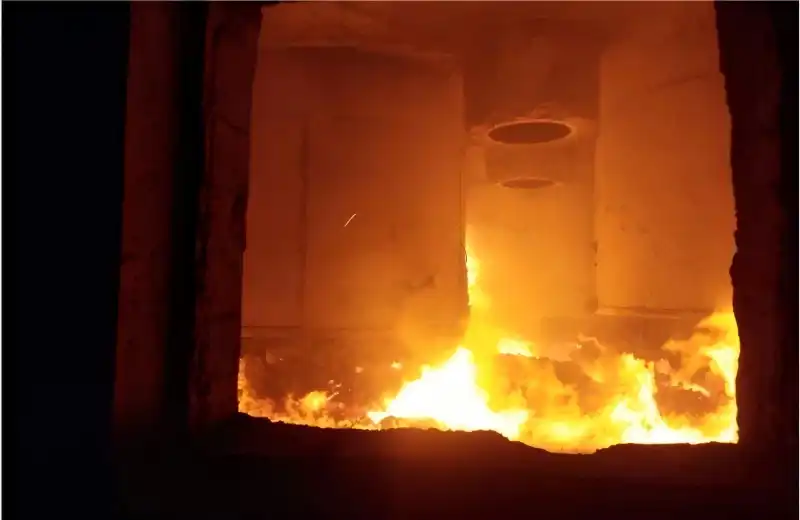

Understanding Ferrosilicon Furnaces and Their Role in Steel Manufacturing
What Makes Ferrosilicon Furnaces Different from Standard Electric Arc Furnaces?
Unlike regular electric arc furnaces used to heat steel, the Ferrosilicon furnace works on an entirely different basis. These specialised systems don't just melt things; they also drive complex chemical reduction processes. The electrodes, which are usually self-baking Soderberg types, are immersed deeply in the charge mixture. This creates a reaction zone where silicon dioxide from quartzite combines with carbon from coke to produce silicon, which then mixes with iron. This ongoing process keeps the thermodynamic conditions fixed, which is needed to control the silicon-to-iron ratio and make reliable FeSi75 or FeSi50 grades that steelmakers depend on.
How Temperature Control Impacts Alloy Quality
How these systems handle temperature has a direct effect on the quality of the products and how well they use energy. The furnace has to keep the charge load evenly heated and control any temperature differences that might cause hot spots or channelling. Today's furnace shells use water to cool them and have spinning devices that work together to stop charge bridging and keep gas permeability constant. With this precise control, impurities like aluminium, calcium, and phosphorus are kept to a minimum. The result is ferrosilicon that meets the strict ASTM A100-04 and ISO 5445 standards that steelmakers around the world need.
Core Working Principles Behind Ferrosilicon Production
In the production process, granite, iron sources, and carbonaceous reducing agents are put into the kiln. Reduction reactions are started by electrical resistance heating. When electricity runs through the submerged electrodes, SiO₂ and 2C combine to form Si and 2CO↑. The silicon that has been freed then mixes with the iron that is available to make ferrosilicon alloy. This alloy builds up at the furnace pit as a hot liquid. To get the best reaction rates, operators carefully control the electrode slipping rate, charge layer thickness, and electrical parameters. Integrated dust removal systems protect the environment by collecting silica fume emissions.
Comparing Ferrosilicon Furnaces: Making the Right Choice for Your Steel Manufacturing Needs
Energy Consumption Analysis Across Different Furnace Types
Specific power usage is an important factor to consider when choosing tools to make a Ferrosilicon furnace. FeSi75 production standards usually fall between 8,000 and 8,800 kWh per metric tonne, but the figure can change depending on the size of the generator, the quality of the raw materials, and how the business is run. When it comes to thermal efficiency, submerged arc setups usually do better than open electric arc options. This is because the deeply buried electrodes maximise resistance heating in the charge burden. When purchasing managers understand these energy profiles, they can more accurately figure out running costs and find equipment that works with their facility's power infrastructure and output goals.
Matching Furnace Capacity to Production Scale
Shaanxi Heyuanxin Metallurgical Electric Furnace Equipment Co., Ltd. has a wide range of options with capacities ranging from 6300 kVA to 72000 kVA. This lets steel plants find equipment that perfectly meets their processing needs. Mid-range systems that balance capital investment with operating freedom are particularly well-suited for small businesses that make 10,000 to 30,000 tonnes of goods a year. Large integrated steel mills that need more than 100,000 tonnes of ferrosilicon every year require high-capacity setups with strong secondary busbar systems that keep electrical reactance to a minimum and achieve power factors above 0.92. By making sure that equipment is the right size, you avoid waste and keep production running smoothly, which can affect shipping times.
Evaluating Total Cost of Ownership Beyond Purchase Price
Smart purchase looks at more than just the original costs of buying something. It also looks at how much it costs over its whole lifecycle. Ongoing costs are mostly made up of operational expenses, like power use and electrode paste. This means that energy-efficient designs are essential for long-term success. Maintenance costs, such as replacing carbon linings every 5 to 10 years if the machine is used correctly, affect total buying costs. We have installed more than 400 furnaces around the world, which shows how durable and reliable our products are. Buyers should look at providers who offer full commissioning support, operator training programmes, and quick after-sales service that keeps unexpected downtime to a minimum and increases the life of assets.
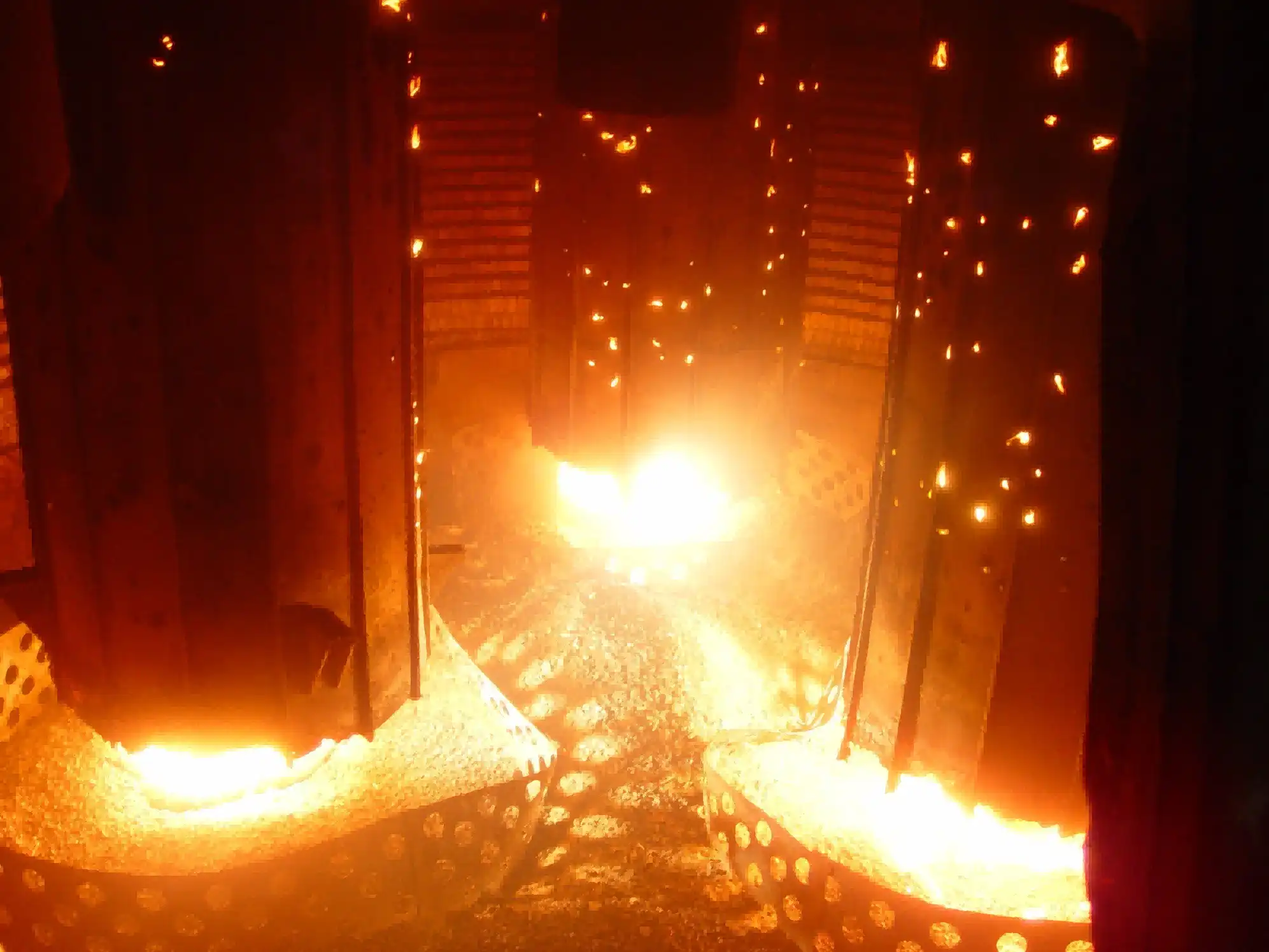
Installation, Operation, and Maintenance: Ensuring Optimal Performance and Safety
Critical Installation Steps for Long-Term Reliability
The base work for a Ferrosilicon furnace must be strong enough to hold the weight and vibration loads of the equipment. The electrical system must connect to high-voltage transformers and have secondary busbar wiring that reduces impedance and ensures even current flow across all three phases. Our expert teams offer full setup services that include placing electrodes, checking the refractory lining, and adjusting the control system. These first steps set operating standards that determine how well the equipment works for the rest of its life. Hiring a professional to help with installation is an investment that pays off in the form of fewer fixes and a smoother start to production.
Operating Parameters That Maximise Efficiency
To keep performance at its best, you need to keep a close eye on a few key working factors. To avoid soft breaking or too much current draw, the rates at which electrodes slip must match the patterns of usage. The width of the charge layer affects gas penetration and reaction zone stability, and it must be adjusted based on the properties of the raw material. Our furnaces have built-in PLC-based automation systems that let us precisely control these factors. Smart monitoring features give workers real-time data that they use to fine-tune performance. Doing regular dissolved gas analyses on transformer oil and thermal imaging of refractory linings can help with maintenance before small problems become big ones that cost a lot to fix and stop production.
Predictive Maintenance Strategies for Continuous Production
You should check carbon block hearth linings, electrode clamping mechanisms, and baghouse filter systems regularly, as they are the main wear points. Placing thermocouples on the sides of hearths allows you to monitor the temperature difference continuously, which helps you estimate the lifespan of linings and prevent catastrophic failures. Hydraulic electrode clamping systems need to be checked on a regular basis to make sure the seal stays tight and stop electrode sliding problems. Environmental compliance depends on how well the dust removal system works. Fan pressure tracking and filter resistance readings ensure that silica fume collection keeps emissions below 50 mg/Nm³. Our 24x7 customer service and quick on-site service make sure that repair tasks are done correctly, causing less downtime for output and extending the life of equipment.
Procurement Insights: How to Buy and Source Ferrosilicon Furnaces Globally
Certification and Quality Verification Standards
Suppliers with a good reputation show their dedication to quality by obtaining recognised certificates that cover areas such as manufacturing methods, product performance, and service skills. Certification in the ISO quality management system proves that production standards are always met, and certifications in workplace health and the environment prove that responsible industrial practices are used. Shaanxi Heyuanxin has many certifications, including recognition as a provincial enterprise, an ISO quality management system, an environmental management system, an occupational health management system, 3A-level credit enterprise status, and product after-sales service certifications. We also hold more than ten utility model patents and more than ten copyrights for computer software, which shows that we are always coming up with new ideas. People who want to buy a Ferrosilicon furnace should make sure that it meets the IEC 60146 standards for converter systems and ask for proof that it follows all international safety and electrical codes.
Direct Factory Relationships Versus Distributor Channels
When it comes to buying sources, procurement managers have to make strategic decisions. Direct factory relationships have benefits such as engineering solutions that can be changed to fit specific steel processes, clear information about technical requirements, and faster after-sales support without the need for middlemen. Established makers like Heyuanxin, with over ten years of experience since March 2008, offer full solutions that include planning, production, installation, and commissioning. This unified method makes sure that everyone is responsible for the project throughout its entire lifecycle. While distributor channels may make things easier in some areas, they can also add markup costs and make communication more difficult, which can make it harder to meet the special engineering needs that are popular in ferroalloy production equipment.
Budget Allocation Strategies for Capital Equipment
When making buying budgets, you have to find a balance between initial capital spending and credit choices that keep working capital. A lot of providers offer flexible payment terms that are in line with project goals. For example, deposits can be used to secure production slots, progress payments are tied to stages of production, and the final payment is due when the project is fully operational. Leasing options are available for businesses that want to avoid making big upfront investments, but the total costs usually end up being higher than buying the equipment outright over its useful life. When you make a detailed budget, you include extra costs like base work, updating the electricity infrastructure, training for operators, and keeping spare parts on hand. Detailed quotes from qualified sellers allow for accurate financial modelling, which helps people make smart choices about where to put their capital.
Future Trends and Performance Optimisation in Ferrosilicon Furnace Technology
Energy-Saving Innovations and Emission Reduction Technologies
Environmental sustainability drives constant improvements in the machines used to make a Ferrosilicon furnace. The best way for advanced electrode control systems to use energy is to keep the ideal resistance heating conditions within the charge load. This can achieve up to 95% energy efficiency rates. New furnace shell designs with better water-cooling systems help recover heat better while lowering heat loss from the outside. Modern methods for getting rid of dust not only protect the environment, but they also collect useful silica fumes that are used in the production of concrete and refractory materials. These technological advances meet the needs of regulators while lowering running costs. They provide a measured return on investment (ROI) through lower energy use and byproduct income streams.
Industry 4.0 Integration and Smart Furnace Management
IoT-enabled tracking tools are changing the way ferroalloys are made by giving operators a level of operational insight that has never been seen before. Smart monitors built into heating systems collect real-time information on how temperatures are distributed, electrical factors, and how fast charges drop. This data is processed by cloud-based analytics tools, which find trends and outliers in operations that humans might miss. Predictive maintenance programmes look at patterns in how equipment acts and behaves. They can predict when parts will break before they do, and they can schedule repairs to happen during planned downtime. Expert technical support teams can identify problems and suggest fixes without having to be on-site right away thanks to remote monitoring. This cuts down on reaction times and production interruptions.
Strategic Investment Considerations for Long-Term Competitiveness
Steel companies that want to increase their production or update their equipment need to think about how their ferrosilicon production assets fit in with the changing needs of the industry. Designs that can be scaled up to handle future increases in throughput protect initial investments and help the business grow. Systems that are adaptable and can make different types of ferrosilicon (FeSi75, FeSi65, and FeSi50) make the market more sensitive as needs for steel composition change. Equipment stays technologically up-to-date for longer periods of time by being compatible with automation and digital tracking systems. When businesses work with suppliers that offer full technical help and access to new ideas all the time, they can take advantage of new chances to save money and stay ahead in global markets that are becoming more competitive.
Conclusion
Ferrosilicon furnaces are an important part of modern steel production because they make it possible to make alloying materials that are needed to make steel products work well. To choose the right tools, you need to carefully look at their technical specs, energy-saving ratings, the supplier's skills, and the availability of long-term service support. As the industry moves toward more sustainability and digital integration, it becomes more useful to work with experienced makers who offer tried-and-true technology and are always coming up with new ideas. When steel companies carefully add the ability to make ferrosilicon, they can meet rising demand while still being able to be flexible with their operations and keep their prices low in global markets that are always changing.
FAQ
What is the typical operational lifespan of a ferrosilicon furnace?
Most high-quality Ferrosilicon furnaces will work well for 15 to 25 years if they are properly used and maintained. Depending on how hard the fireplace is used and how it is heated, the carbon block grate covering usually needs to be replaced every 5 to 10 years. Electrode systems, generator parts, and control electronics may need to be upgraded or replaced from time to time, but if they are properly kept, the core structure of the furnace will last for decades.
How do safety certifications impact ferrosilicon furnace procurement decisions?
Safety licenses show that a company is committed to following international rules that keep people and property safe. Systematic ways of lowering risk are supported by ISO standards for quality, environmental, and workplace health management systems. Using equipment that meets IEC electrical standards and related workplace safety rules lowers operating risks and the risk of being sued. Certified tools also make it easier to get governmental approvals and insurance, which speeds up the completion of projects and lowers the risk of not following the rules.
Can existing ferrosilicon furnaces be retrofitted with smart monitoring technology?
Many ferrosilicon production systems that are already in place can be made better by adding new IoT sensors, data-gathering systems, and analytics tools without having to buy all new equipment. By adding smart tracking features to old installations, operators can get the benefits of predictive maintenance and operating insights for a lot less money than buying new equipment. Compatibility depends on how the furnace is set up, but experienced sellers can figure out if a retrofit is possible and plan the right ways to improve.
Partner with Shaanxi Heyuan: Your Trusted Ferrosilicon Furnace Supplier
The Ferrosilicon furnace production options offered by Shaanxi Heyuan New Metallurgical Electric Furnace Equipment Co., Ltd. have been tested and proven to be reliable, efficient, and eco-friendly. Our systems can be customised to have capacities ranging from 6300kVA to 72000kVA. They are used by steel plants, ferroalloy plants, and foundries all over the world. Our equipment can handle the toughest metallurgical tasks thanks to its advanced electrode control systems, new water-cooled furnace shell designs, and state-of-the-art dust removal technology. We offer full help from the beginning of the planning process through installation, commissioning, and continued technical support. Visit hyyjfurnace-supply.com or email our team at sxhyyj606@163.com to talk about your production needs and find out how our ferrosilicon furnace solutions can help you make more steel.
References
1. Gasik, M. (2013). Handbook of Ferroalloys: Theory and Technology. Oxford: Butterworth-Heinemann.
2. International Ferro Alloys Association. (2019). Energy Efficiency and Environmental Best Practices in Ferrosilicon Production. London: IFA Publications.
3. Zhang, L., & Wang, S. (2020). Advanced Metallurgical Furnace Design and Operation. Beijing: Metallurgical Industry Press.
4. American Society for Testing and Materials. (2018). ASTM A100-04: Standard Specification for Ferrosilicon. West Conshohocken, PA: ASTM International.
5. Liu, Q., Chen, H., & Wu, X. (2021). "Optimisation of Submerged Arc Furnace Operation for Ferrosilicon Production", Journal of Iron and Steel Research International, 28(4), 412-425.
6. European Committee for Standardisation. (2017). ISO 5445: Steel and Iron—Determination of Reducing Power. Geneva: ISO Publications.


YOU MAY LIKE