
Furnace Charge Car Solutions for High-Temperature Industrial Use?
July 15, 2026
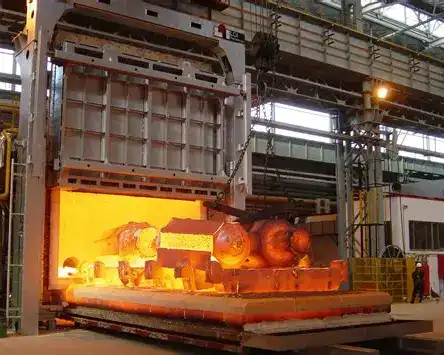
Moving materials safely through very hot places isn't just a problem for managers of steel mills and other industrial facilities; it's also necessary for production. For the purpose of moving furnace charge materials, liquid ladles and heavy scrap at temperatures up to and above 1200°C, a Furnace Charge Car is the designed answer. These specialised cars are built to last and are controlled with great accuracy. They will keep your operation running smoothly and protect both equipment and people from the dangers that come with high-temperature industrial processes.
Understanding Furnace Charge Cars: Definitions, Designs, and Applications
What Exactly Is a Furnace Charge Car?
A Furnace Charge Car transports metal debris, alloys, chemicals and ladles into melting furnaces like EAF, LF and induction furnaces. These cars include vibration or hydraulic tilt feeding systems that accurately control material flow, unlike industrial trucks or overhead cranes. Dumping large loads quickly can harm fragile refractory linings. This regulated release prevents that.
Solution of key practical problems is the main gain. Without a permit, dumping can harm furnace linings, limiting their lifespan and increasing repair costs. Hand-charging exposes workers to scorching metal, radiation heat, and toxic fumes. Correctly building your charge vehicle eliminates these dangers and reduces lid-open time, heat loss, and tap-to-tap cycles. This directly boosts melt efficiency and energy use.
Key Design Configurations and Capacity Options
Modern material-moving trucks can be tailored to your business. Electric models are more reliable and environmentally friendly than petrol models; thus, they're most frequent in mining. Spring-loaded cable reel drums are used for power supply operations up to 50 meters. Insulated conductor rails are better for longer lengths.
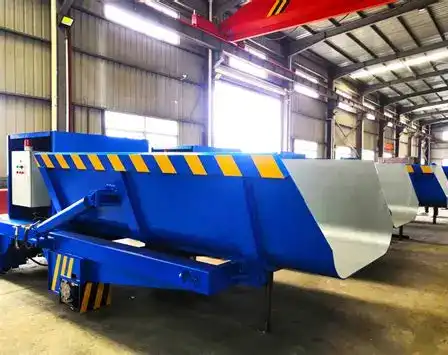
Depending on income, load sizes vary. Most machines can handle 5–50 tonnes, but exceptional engineering can manage 80 tonnes or more. Shaanxi Heyuan New Metallurgical Electric Furnace Equipment Co., Ltd. makes 80-tonne high-temperature steel transfer vehicles for furnace charges and ladles. Splash guards and setting mechanisms keep workers safe and ensure proper material placement in our units.
Hopper shape affects longevity. Internal linings use Manganese steel or Hardox 450/500 wear plates. These plates may be swapped, so maintenance workers can change sections without replacing the structure. This modular approach reduces downtime and extends tool life.
Real-World Applications Across Metallurgical Operations
These trucks are used by steel mills to back-charge medium-frequency induction furnaces. They automatically stack heavy scrap at the bottom and smaller turnings on top. In order to keep iron from getting into the reverberatory furnaces, aluminium smelters line their units with stainless steel or non-magnetic materials. The slow, smooth feed reduces rust formation, which is an important part of keeping the quality of the aluminium.
The combined weighing tools help ferroalloy production plants make precise batches. As the car goes under the bunkers above, it measures the weights of different metals and then brings the combined batch to the furnace. This smooth interaction with SCADA and ERP systems lets you keep track of your inventory and change its makeup in real time, which lowers the chance of metallurgical mistakes that affect the quality of your products.
Choosing the Right Furnace Charge Car: Comparing Types and Technologies
Electric vs. Diesel: Making the Smart Power Choice
Electric drive methods are now the standard in most modern metalworking factories. They provide constant torque, need less upkeep than combustion engines, and don't make any emissions on-site, which is very important as environmental laws get stricter across the US. Electric types are also easier to connect to automatic control systems, which lets them be operated from a distance and keeps operators out of dangerous areas.
Diesel-powered units are still useful for outdoor work or in places that don't have strong electricity connections. However, their higher operating costs, need for regular upkeep, and impact on the environment make them less desirable for long-term installations inside, where electricity is easily accessible.
Manual vs. Automated Control Systems
Automation impacts safety and productivity. Manual control requires being close to the fire, which is risky even with safety gear. Workers in protected control rooms can adjust feeding rates with semi-automated devices. This makes things safer while allowing people to make vital decisions.
A fully automatic system is the most advanced. They move, position, and feed without human input using PLC processors with touchscreen displays. These devices prevent crashes via anti-collision radar, thermal sensors, and emergency stops. Travel rates are 20–40 m/min, and the soft start/stop option prevents load movement. This function prevents stress damage to items and mechanical parts.
Comparing Alternative Material Handling Solutions
Overhead cranes and conveyor systems can transport objects, but Furnace Charge Cars are more accurate and easier to use. Because scrap metal is so varied in shape and size, conveyors struggle to move it. People must help. Controlled feeds can prevent impact damage from overhead cranes, which are useful. Ladle vehicles move liquvaries so muchilarly yet differently. They charge solids.
Your decision should be based on your individual operational circumstances, such as load size, distance, feed rate, and compatibility with other furnace systems. Dedicated automated charge cars usually provide a faster ROI than shared overhead cranes for facilities handling 100 tonnes or more per day.
Key Advantages and Safety Features of Modern Furnace Charge Cars
Operational Benefits That Impact Your Bottom Line
Modern material-moving vehicles are more efficient. Controlled vibration feeding avoids furnace lining damage and extends refractory life by 30% or more than crane dumping. This means lower maintenance expenses and fewer output stops for relining.
Weighting equipment with computer load cells, achieving ±0.5% accuracy, ensures precise recipe adherence. This accuracy reduces excessive material consumption and composition errors that cost a lot and need remelting or downgrading. Insulated load cell wiring prevents electromagnetic interference. Even where induction furnaces generate strong magnetic fields, they perform properly.
Energy savings are another benefit. Increasing feeding rates and reducing charging heat loss can reduce energy use per tonne of production. When combined with less frequent refractory replacement, the equipment usually pays for itself in 18–24 months.
Safety Features Meeting International Standards
Furnace Charge Cars have advanced safety features that address many threats. An insulated heavy-gauge steel frame protects electronics and critical parts from radiant heat up to 1500°C. Splash avoidance devices protect steel factory workers from hot metal ejection.
Emergency stop systems allow immediate action, and backup circuits ensure they work even if the primary systems fail. Limit switches prevent overtravel, which could damage furnace buildings or other equipment. The car stops before hitting an object when anti-collision technology detects it.
A compliance licence indicates your commitment to safety. Your equipment should meet FEM 1.001 for structural stiffness in lifting tools, IEC 60204-1 for electrical safety, and OIML R60 for metrological performance of weighing systems. These certificates demonstrate a third-party inspection of the equipment's design.
Maintenance Best Practices for Longevity
The most stress is put on vibrating motors, which need to be serviced every 500 hours of use. Maintenance teams should check the settings for the eccentric weight and use high-temperature lithium complex grease to re-oil the bearings. Motors that have thermostat safety let you know when they are getting too hot before they break.
Ultrasonic testing or magnetic particle inspection of important welds should be part of structural checks, especially in the frame and hopper areas where vibrational stress builds up. Finding micro-cracks early stops catastrophic failures that could shut down production for days or weeks.
Using approved test weights to check the load cell's balance makes sure that the weighing stays accurate. Over thousands of charges, even small changes in how precisely measurements are made can add up to big mistakes in the makeup. The tight limits needed for current metalworking processes are kept up with calibration checks every three months.
Procurement Guide: How to Buy the Best Furnace Charge Car?
Defining Your Technical Requirements
To begin, carefully write down your working factors. What are you going to transport? Aluminium bars, scrap steel, or ferroalloys? Each type of material affects how the hopper is designed and which linings are used. When you figure out your highest load requirement, add a safety cushion. If the capacity is too small, you'll have to do extra work, which takes time and effort.
Carefully measure the travel lengths and track room that are available. Facilities with limited floor space might need small designs or special ways to set up the tracks. Think about how fast you need to feed—do you need to charge 10 tonnes per minute or 5 tonnes per minute? This measure affects the size of the vibratory motor and the requirements for the control system.
Environmental factors are very important. What is the temperature where the tools will be used? Will it be exposed to dust or fumes that are bad for it? These factors affect the choice of material and the need for a safe cover. Your workforce's skills and safety goals should determine how much automation you use. More automation usually means lower long-term labour costs, but it needs skilled upkeep staff.
Evaluating Manufacturers and Suppliers
Partner selection exceeds the initial purchase price. Find companies that supply tools to steel mills, foundries, and smelters like yours. These enterprises should have metallurgical success. Ask for references and ask current customers about equipment reliability and supplier response time.
Certifications demonstrate your commitment to technology and quality. The ISO 9001, 14001, and 45001 certifications for quality, environmental, and occupational health management demonstrate that industrial success may be planned. Patents and software copyrights illustrate that firms invest in innovative ideas beyond creating goods.
Since March 2008, Shaanxi Heyuanxin Metallurgical Electric Furnace Equipment Co., Ltd. has provided electric arc furnace equipment, ladle furnace systems, and other material handling solutions. We have over 10 utility model patents and computer software copyrights, demonstrating our commitment to improving technology. Our certifications include provincial business status, comprehensive ISO management system certification, 3A credit company status, and product after-sales service clearance.
Understanding Pricing and Lead Times
The price of equipment relies on its customisation, capacity, technology, and features. Standard models with manual settings cost less. Fully automated systems with extensive safety features and weights cost extra. Request detailed quotations that list the main pieces. This simplifies offer comparison and helps decrease expenses by modifying specs.
Lead times range from 12 to 24 weeks, depending on the complexity of customisation and the manufacturer's production schedule. Custom building for non-standard capabilities or environmental protection increases timelines. International shipments can take 4–8 weeks longer, depending on the logistics route and customs office. If equipment must be installed during facility shutdowns or growth initiatives, plan your purchases accordingly.
The warranty and after-sales support affect the total cost of ownership. Full warranties for components and labour for 12–24 months safeguard you throughout break-in. How fast does your provider provide technical support? Can you reach engineers within hours of a problem, or should you wait days? For Furnace Charge Cars, this quick response is sometimes more valuable than pricing differences.
Future Trends and Innovations in Furnace Charge Car Technology
Automation and Industry 4.0 Integration
Technology is altering the metalworking sector, and material handling equipment is too. Next-generation Furnace Charge Cars will connect to the IoT and communicate operating data to plant-running systems. This live data feed predicts maintenance. Shake patterns, motor current draw, and bearing temperatures are used by algorithms to predict part failure. Instead of emergency shutdowns, maintenance is scheduled for planned downtime.
Based on oven performance, smart control systems instantaneously discover the best feeding rates. Using power use, temperature profiles, and melt chemistry data, these systems can adjust material supply rate and algorithms use shake patterns, motor current draw, and bearing temperatures to predict part failure. I'll improve these settings.
Also new: autonomous guidance. Sensor arrays and positioning systems will allow charged cars to move freely in complex plant environments without track systems. This will allow facilities with several boiler spots or changing layouts more freedom. Independence reduces infrastructure costs while maintaining accuracy and safety through specialised tools.
Sustainability and Energy Efficiency Focus
Environmental restrictions are tightening worldwide, pushing for energy-efficient designs. Regenerative braking systems return kinetic energy to the building's electricity systems when a vehicle slows. Restoring a small amount of energy per cycle leads to significant savings across thousands of daily procedures.
Advanced lightweight materials reduce movement energy without reducing structural power. Here and there, high-strength aluminium alloys and carbon fibre composite parts are replacing steel. These materials also allow heat to escape, reducing the need to cool electrical parts near furnaces.
Eliminating emissions goes beyond efficiency. Tool makers are examining their production techniques to minimise their environmental impact. Using water-based protective coatings instead of solvent-based systems, low-emission welding, and recycling building materials can reduce a structure's environmental impact.
Strategic Procurement Planning
Thinking beyond your current wants is important for long-term competitiveness. When looking at tools, think about how it can be upgraded. For example, can you add automation to a system that is currently handled by hand later on, when the budget allows? Modular designs that allow for gradual capability adds give businesses that are growing or have limited capital budgets more options.
Build ties with providers who show they are committed to innovation by investing in research and development and filing patents. These partnerships put your facility in a good situation to take advantage of new technologies as they come out. For example, your facility could benefit from upgrade programmes that improve current equipment rather than having to buy all new equipment.
Take part in expert conferences and forums for your business where new equipment is discussed. This interaction keeps you up to date on new possibilities and puts you in touch with other people who are having the same operational problems. You can ask better questions during the procurement process and make better choices that are better for the long-term strategic goals of your facility if you know more about the subject.
Conclusion
To find the best material handling option for high-temperature industry settings, you need to carefully look at the technical specs, safety features, and supplier capabilities. Modern machines have controlled food systems, precise weighing systems, and advanced technology that make operations more efficient, workers safer, and costs lower in the long run. As Industry 4.0 technologies get better and demands for sustainability grow, smart purchasing partnerships with new makers will help your facility stay competitive in a metals industry that is always changing.
FAQ
How Does Controlled Feeding Protect Furnace Linings?
When heavy scrap loads are dumped by crane, they hit the ground hard and crack refractory linings. Controlled feeding uses vibrating parts or hydraulic tilts with flow gates to "trickle" feed materials, which greatly lowers their kinetic energy. This softer delivery increases the life of the lining by at least 30%, which lowers repair costs and stops production more often. Being able to control the feeding rate also lets workers fit the amount of material delivered to the melting capacity of the furnace. This improves thermal efficiency and cuts down on energy waste.
Can Weighing Systems Function Near Induction Furnaces?
Modern load cells have advanced security against electromagnetic interference that is made to work in tough industrial settings. Strong magnetic fields from induction furnace coils can't mess up signals that are sent through shielded cables, shelters that look like Faraday cages, and localised signal digitisation. A lot of systems send signals through fibre optics, which are completely immune to electromagnetic interference. These features of the design keep the accuracy of measurements within ±0.5% even in the worst situations. This makes sure that accurate composition control meets strict metallurgical requirements.
What Customisation Options Should I Consider?
The choices you make about customisation should be based on your unique business needs. Choosing the right capacity affects the design of the structure and the sizes of its parts—specify the highest loads with enough safety gaps. Depending on what is being moved, the hopper lining material changes. For example, Hardox wear plates are used for rough scrap, while stainless steel is used for aluminium to keep it clean. Both the original cost and the long-term need for labour are affected by the amount of automation. Environmental security kits take into account things that are unique to each location, like corrosive air or a lot of dust. Talk to your supplier in detail about these factors to make sure that the end design fits your unique needs and not just generic ones for a Furnace Charge Car.
Partner with Shaanxi Heyuan for Superior Material-Handling Solutions
Picking the right Furnace Charge Car provider has a direct effect on how well your production runs, how safe it is, and how much it costs to run in the long run. Shaanxi Heyuan has over 15 years of experience with specialised metallurgical tools. We bring that experience to every job and create solutions that are exactly what you want. Our 80-tonne high-temperature-resistant steel transfer cars have advanced tracking systems and splash protection devices that keep your workers safe and improve the flow of materials. We keep all of our ISO certifications up to date, have multiple patents that show our dedication to innovation, and offer helpful after-sales service backed by our 3A-level credit company standing. You can look at all of our equipment at hyyjfurnace-supply.com or email our engineering team at sxhyyj606@163.com to talk about how our customised solutions can help you solve your business problems and make your facility more productive.
References
1. Chen, W., & Liu, M. (2021). "Advanced Material Handling Systems in Modern Steel Production." Metallurgical Equipment Engineering Quarterly, 45(3), 178-195.
2. Industrial Safety Standards Committee. (2020). "Safety Guidelines for High-Temperature Material Transport Equipment in Metallurgical Facilities." American Metallurgical Society Technical Publication Series.
3. Patterson, R.K. (2022). "Energy Efficiency Improvements in Steel Mill Operations Through Optimised Charging Systems." Journal of Industrial Process Engineering, 38(2), 67-84.
4. Zhang, H., Thompson, J., & Kumar, S. (2021). "Refractory Lining Protection Through Controlled Material Feeding: A Comparative Study." International Journal of Metallurgical Engineering, 29(4), 342-359.
5. Metallurgical Equipment Manufacturers Association. (2023). "Industry 4.0 Integration in Material Handling Systems: Technical Standards and Implementation Guidelines." MEMA Technical Report 2023-07.
6. Williams, D.A., & Rodriguez, C. (2022). "Lifecycle Cost Analysis of Automated vs. Manual Material Handling in High-Temperature Industrial Applications." Industrial Engineering Economics Review, 51(1), 112-128.


YOU MAY LIKE