
How Safe Is Operating a Calcium Silicon Furnace System?
July 16, 2026
Because of the high temperatures and complicated chemical processes needed to make silicon-calcium metals, running a calcium-silicon furnace comes with its own set of risks. But current systems that have improved automation, strong safety rules, and the right training can work in a very safe way. When built and maintained properly, these furnaces have risks similar to those of other metalworking tools. Understanding possible risks, putting in place a wide range of safety measures, and working with experienced makers who put safety first during the planning and testing processes are all important for safe operation.
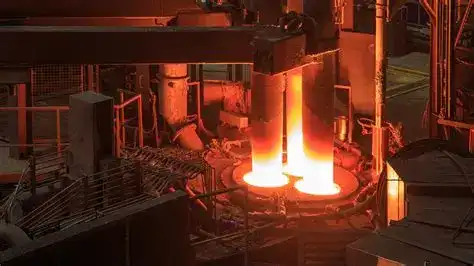
Understanding the Calcium Silicon Furnace System and Its Safety Considerations
Learn about the calcium silicon furnace system and how to keep yourself safe with it.
Calcium silicon furnaces are a special type of submerged arc furnace that is used to make silicon-calcium metals with 28–31% calcium and 55–65% silicon. In the process of making steel, these metals are necessary as deoxidisers and special additions. Understanding how these systems work on a basic level helps explain why safety issues are different from those that come up in regular ferroalloy production.
The Basic Operation Principle
Quartz (silica), lime (calcium oxide), and carbonaceous materials are mixed in the furnace at temperatures between 1,500°C and 1,800°C using carbothermic reduction. This process makes an extremely dynamic environment where managing heat, placing electrodes correctly, and making sure the load is porous are all essential for safety. The reduction process makes a lot of carbon monoxide gas, so it's important to plan the airflow carefully.
Temperature Management and Material Handling
The raw materials must be carefully mixed and added to the reaction zone. Extreme heat is needed to break through the thermodynamic stability of calcium oxide, which puts thermal pressures on refractory linings and structural parts. Sudden weather changes can damage equipment and put people in danger, so operators need to know how to avoid these problems. These days, operators constantly monitor systems to find problems before they worsen and become dangerous.
Electrical System Architecture
Usually, these furnaces work with lower power factors than regular ferroalloy units. To improve the grid work, they need special transformer setups and capacitor banks. The way the electrical system is built directly affects practical safety, since bad voltage control can cause electrodes to break or arcs to behave in ways that can't be managed. When workers understand this connection, they can spot warning signs during production cycles.

Common Safety Risks and Hazards in Operating Calcium Silicon Furnaces
When working with metals that require high temperatures, there is always more than one type of risk. By being aware of these risks, teams can come up with focused ways to protect workers while keeping production going smoothly.
Operating calcium silicon furnaces creates several categories of hazards that systematic mitigation strategies must address.
Thermal Hazards and Molten Material Exposure
The most obvious danger is coming into close contact with molten metal or being exposed to heat from the furnace chamber. During pressing activities, the temperature of molten calcium silicate stays above 1,400°C. Workers are very likely to get burnt if they don't have the right personal safety equipment and follow the right procedures. Splash accidents that happen while tapping or moving a spoon are especially dangerous and need extra attention and safety measures.
Gas Evolution and Atmospheric Risks
During the lowering process, a lot of carbon monoxide and other possibly dangerous gases are released. If there isn't enough air, oxygen-deficient environments can form, or CO can build up in work areas. If porosity gets too small, explosive gas pockets can form inside the load material. This can cause rapid 'blow-outs' that throw hot material out of the material. Keeping the load permeability high by using the right charge makeup and adding wood chips as a fluffing agent greatly lowers this risk.
Mechanical and Equipment-Related Dangers
Heavy devices for slipping electrodes, charging systems, and tapping tools are all mechanical dangers. When an electrode breaks because of poor contact or physical stress, it can damage nearby structures and pose a lethal danger. Hydraulic systems, electrode casings, and structure supports should be checked regularly to avoid catastrophic breakdowns. For workers working on energised or thermally active equipment during maintenance tasks, lockout/tagout processes are necessary to keep them safe.
Environmental Compliance Challenges
Complex filter systems are needed to get rid of the dust that is made when raw materials are handled and the particles that come off gases. Amorphous silica dust is dangerous to your lungs and needs to be constantly controlled and monitored. To meet environmental standards and protect worker health, modern facilities use baghouse filters to keep particulate pollution below 20 to 50 mg/Nm³.
Best Practices and Maintenance Tips to Ensure Safe Operation
To make calcium silicate safely, you need to use a methodical approach that includes technology, processes, and people. A lot of companies that have great safety records have similar ways of organising their operations and upkeep work.
Comprehensive Operator Training Programs
Not only do employees need to know how to use tools, but they also need to know why certain steps are necessary. Normal function, how to handle an emergency, and how to spot situations that aren't normal should all be covered in training. Simulations help workers learn how to make decisions that will help them handle unplanned events without putting real production equipment or safety at risk. Regular refresher training should be done to strengthen important skills and add new information based on practical experience.
Preventive Maintenance Scheduling
Systematic checking routines find patterns of wear before they lead to failures. The state of the refractory lining has a direct effect on both safety and the ability to keep making things. Thermal imaging finds hot spots that mean the lining is breaking down, and acoustic testing checks the strength of the structure at key points. To keep mechanical stress from building up, electrode control devices need to be precisely calibrated. Since furnace use trends change a lot from facility to facility, we suggest setting maintenance intervals based on operating hours instead of calendars.
Automation and Control System Advantages
Advanced PLC-based control systems keep the best working settings automatically, which cuts down on human mistakes. Monitoring electrical traits, load descent rates, and temperature patterns in real time lets you find problems early on. Automatic electrode positioning systems react faster than controls that are controlled by hand, so damage from quick changes in load is avoided. Data analytics lets you look at trends, which lets you figure out what work needs to be done before they become major problems.
Emergency Preparedness Protocols
Even though precautions are taken, emergencies do happen from time to time. If you have clear instructions on what to do in case of things like wire breaks, gas explosions, or cooling system breakdowns, the effects will be less severe. Regular drills make sure that teams can handle emergencies when they're under a lot of stress. Important investments in safety infrastructure include things like emergency air systems, the ability to put out fires, and clearly marked escape paths.
Comparing Calcium Silicon Furnace Safety with Alternative Furnace Types
When buying teams look at different furnace technology options for their specific uses and risk tolerance levels, knowing the relative safety ratings helps them make smart choices. Understanding the calcium silicon furnace profile is essential for risk assessment.
Calcium Silicon Versus Standard Ferrosilicon Furnaces
Both make silicon-based metals, but making calcium silicide has its own set of problems. Different risk profiles are made because of the higher temperatures needed and the unstable nature of calcium. Ferrosilicon burners work at slightly lower temperatures and give off less complicated gases. Calcium silicon systems, on the other hand, make up for it with special design features that deal with these problems. When you compare current, well-designed systems of either type, the safety gap gets a lot smaller.
Submerged Arc Furnace Technology Variations
Calcium silicon furnaces are specialised types of submerged arc furnaces that are best for certain metalworking needs. Generic submerged arc furnaces that work with different materials might have easier-to-understand operating profiles, but they don't have the specific safety features that calcium silicon production needs. In calcium silicon furnaces, deep hearth designs, strong refractory requirements, and improved load management systems actually make it safer to make this alloy.
Electric Arc Furnace Comparison
Submerged arc furnaces and electric arc furnaces used to make steel work in different ways. When it comes to safety, EAF technology's high power density and quick temperature changes can be dangerous. But once balance is reached, calcium silicon furnaces maintain a more stable temperature. The trade-off is longer starting times that need to be carefully managed. There are different safety concerns with each system, rather than a clear winner in every way.
Procuring a Safe and Reliable Calcium Silicon Furnace System
Choosing the right manufacturer and system setup could be the most important choice that affects operating safety in the long run. For this process to work, you must consider more than just the original cash cost when evaluating a calcium silicon furnace supplier.
Manufacturer Evaluation Criteria
Suppliers with a good reputation show they care about safety by having written quality control systems and the right certifications. Occupational health licenses, ISO 9001 quality certification, and ISO 14001 environmental management certification all show that a company takes a planned approach to making great products. Manufacturers with a long history of operation offer ideas that have been tested and improved through real-world use. Heyuanxin was founded in 2008 and has many certifications, such as ISO quality and environmental management systems and provincial-level business recognition, which shows that it is committed to industrial standards.
Technical Specification Assessment
By looking closely at the design specs, we can see that safety is a big part of how engineers make choices. The operating safety is affected by the capacity of the transformer, the accuracy of the electrode regulation, the quality of the refractory material, and the complexity of the instruments. Systems that save 95% of the energy they use usually have improved designs that make them safer by managing heat better. To precisely control temperatures between 1,500°C and 1,800°C, you need to use advanced tracking that also acts as safety oversight.
Installation and Commissioning Support
If it's not put correctly, even great tools won't work well. Manufacturers who offer full testing services make sure that systems work properly and that all safety features are checked before production starts. During this time, operators can learn how to use real tools while being supervised by experts. Quick installation that cuts down on downtime should never come at the cost of thorough safety system verification. Our team at Heyuanxin stresses the importance of following the right steps when starting up the equipment so that it can be used safely and effectively for more than 10 years.
After-Sales Service and Spare Parts Availability
Long-term safety counts on being able to get help quickly when problems appear. Manufacturers who keep extra parts on hand and offer expert support help facilities fix problems before they get worse. After-sales support programmes that include advice on preventative upkeep and help with fixing problems are very helpful for safety. When comparing possible providers, look at how quickly they respond to service requests and how much local support is available. Quick expert help during problem-solving stops safety incidents.
Conclusion
You can achieve safety when using calcium silicon furnaces by using the right tools, getting enough training, and doing regular repairs. Even though these systems have risks that come with working with metals at high temperatures, current technology and operating procedures keep those risks to safe levels. To be successful, operators who are dedicated to a culture of safety must work together with makers who offer well-designed systems and ongoing support. When companies prioritise safety when making purchasing choices, they set the stage for safe processes that protect workers while still meeting production goals. Putting money into advanced safety features, good tools, and the right training pays off in the form of fewer accidents, less downtime, and higher operational trust.
FAQ
What safety certifications should a calcium-silicon furnace manufacturer possess?
Manufacturers with a good reputation should have ISO 9001 quality management approval, which shows that they have systematic rules over their production. Getting ISO 14001 approval for environmental management shows that you care about reducing pollution and protecting the earth. Occupational health management system standards (ISO 45001 or a similar standard) show that the safety of workers is taken into account at all stages of production. Additional confidence comes from product-specific certificates that show agreement with electrical safety standards and, if necessary, pressure vessel laws. When put together, these certificates show that a maker takes safety into account in every aspect of operations.
How frequently should safety training and maintenance occur?
Before starting up production, operators should get safety training, and they should also get full refresher classes at least once a year. When methods change or there is a safety issue, more training is needed. Schedules for preventive maintenance change depending on how busy the machine is, but at the very least, important systems like electrode control, refractory stability, and ventilation need to be checked every three months. High-wear parts may need to be checked every month. Using data-driven methods to keep an eye on the real state of equipment allows for predictive repair that improves both safety and cost-effectiveness.
What role does automation play in mitigating operational risks?
Automation systems make things a lot safer because they keep the right working conditions more regularly than human control. When electrode setting is done automatically, damage from fast changes in load that humans might not notice quickly enough is avoided. With real-time tracking, problems are found quickly so they can be fixed before they become dangerous. Automation, on the other hand, doesn't replace operator knowledge; trained staff must understand how systems work and know what to do when automatic systems show problems.
Partner with Shaanxi Heyuan for Safe, Reliable Calcium Silicon Furnace Solutions
Shaanxi Heyuan New Metallurgical Electric Furnace Equipment Co., Ltd. has more than 11 years of experience developing, building, and starting up calcium silicon furnace systems that put safety first while still being efficient. Our fully automated systems use cutting-edge control technologies, special heating elements that make sure temperatures are even throughout, and new refractory materials that make furnaces last longer than 10 years. We are a qualified Calcium Silicon Furnace manufacturer with ISO quality, environmental and workplace health certifications. We offer complete solutions, from the initial design to installation, commissioning and full support after the sale. Visit hyyjfurnace-supply.com or email our technical team at sxhyyj606@163.com to talk about your unique needs and find out how our custom solutions can make your metallurgical processes safer and more productive.
References
1. Chen, W., & Liu, H. (2019). Safety Management in Ferroalloy Production: Practical Guidelines for Submerged Arc Furnace Operations. Metallurgical Industry Press.
2. International Labour Organisation. (2020). Safety and Health in the Iron and Steel Industry: Code of Practice. ILO Publications.
3. Miller, R.D., & Thompson, J.K. (2018). High-Temperature Industrial Processes: Risk Assessment and Mitigation Strategies. Industrial Safety Journal, 45(3), 112-128.
4. National Fire Protection Association. (2021). NFPA 86: Standard for Ovens and Furnaces - Safety Requirements for Industrial Furnace Operations.
5. Smith, A.J., & Patel, M. (2017). Advances in Metallurgical Furnace Design: Engineering for Safety and Efficiency. Materials Processing Technology Review, 32(4), 201-219.
6. World Steel Association. (2022). Steelmaking Process Safety: Best Practices for Alloy Production Facilities. WSA Technical Report Series.


YOU MAY LIKE