
How Does a Silicon Manganese Furnace Improve Alloy Production?
July 2, 2026
A Silicon Manganese Furnace greatly improves the production of alloys by using improved carbothermic reduction processes to turn manganese ore and silica into high-quality silicon-manganese alloys that are needed to make steel. These special submerged arc furnaces work at temperatures above 1,600°C and use electrical resistance heating to power complicated reduction processes. Modern silicomanganese smelting equipment gets better alloy quality, less energy use, and less production downtime than traditional methods by precisely controlling electrode placement, slag chemistry, and heat distribution. This directly leads to better deoxidation performance in steel processing, lower costs, and steady output that meets the strict ISO 5447 requirements.
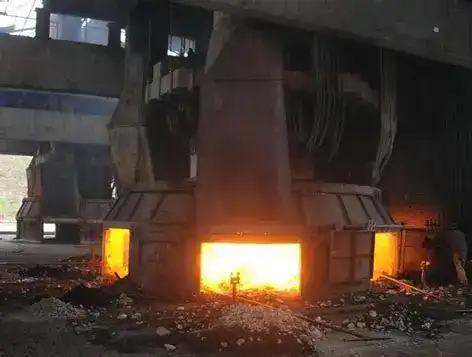

Understanding the Silicon Manganese Furnace Process
Making ferrosilicon manganese alloys is an important part of modern industrial work, and understanding how the process works helps people make better choices about buying tools and planning how to run the business.
Core Design Principles and Operational Workflow
The effective manufacture of silicomanganese uses submerged arc furnace technology. The furnaces' three self-baking electrodes are constantly charged with manganese ore, quartz, coke, and flux. Electrodes create response zones for reduction as electrical current flows. Heat is intense in these charge zones. Random tapping ensures production doesn't stop and flow is maximised in the continuous operation approach. Electrode sliding devices automatically advance used carbon paste. This maintains arc length and electrical conditions. The furnace shell can be 6–12 meters wide. It has carbon blocks and high-alumina refractories that function well in slag without losing heat. This technical method reduces heat loss and stabilises metal chemistry.
Key Chemical Reactions and Temperature Management
Manganese and silicon oxides are reduced by carbothermics in stages that happen in different temperature ranges. Coke gives smelting both the reducing agent and carbon it needs. During reduction, carbon monoxide gas is made. Manganese oxide reduces more easily at lower temperatures than silica. This creates a sequential reduction route that skilled operators can change by changing the electrical input and the burden makeup. In the hearth zone, where metal is collected, temperatures usually hit 1,500 to 1,700°C. In order to keep this temperature profile, the amount of electrical power input, the load permeability, and the efficiency of the cooling system must all be balanced. Modern furnaces have water-cooled panels or stave coolers that cover the furnace walls with a layer of frozen slag. This protects the refractory and stops carbon from eroding. Embedded thermocouples allow real-time temperature tracking, which helps workers avoid thermal runaway or insufficient reduction temperatures that damage the quality of the alloy.
Production Benefits and Energy Efficiency
Modern silicomanganese furnaces employ 3,800–4,200 kWh per tonne of alloy, a substantial improvement over prior technology. High-temperature carbon monoxide waste gas from closed furnaces can be cleaned and used to generate energy, lowering electricity costs. This energy recovery improves the energy balance at the manufacturing site. These furnaces measure energy and create metals with monitored silicon and manganese levels. They commonly achieve SiMn 65/17 grades with phosphorus below 0.1% and sulphur below 0.03%. High precision eliminates the need for costly extra processing, lowering production costs. Depending on transformer grade, contemporary systems may produce 80–350 tonnes per day. These furnaces are the most cost-effective option for integrated steel mills and specialised ferroalloy producers to compete globally, thanks to their high throughput, consistent quality, and low energy use.
Comparing Silicon Manganese Furnaces with Other Furnace Types
It's helpful for procurement teams looking at different types of metallurgical tools to know how the different furnace methods work in real-world production situations.
Production Capacity and Alloy Quality Differences
Submerged arc furnaces that are designed specifically for making silicomanganese have clear benefits over electric arc furnaces that can be used for other things. EAF technology works great for making steel, but its batch mode and shorter hearth shape make it less useful for making ferroalloys that need to be reduced at high temperatures for a long time. Dedicated silicomanganese units work all the time with deep slag baths that help separate the slag and metal better and get higher silicon rates. Even though induction furnaces are great for controlling temperature, they aren't big enough or cheap enough to make a lot of alloys. Because they require more electricity and have a higher capital cost per tonne of capacity, they can only be used for specific small-batch tasks or remelting. The submerged arc method produces enough steel to meet the needs of bulk steelmakers while keeping the precise metal chemistry that buyers who care about quality need.
Energy Consumption and Operational Cost Analysis
Power consumption matters while choosing a furnace. Standard open-type submerged arc furnaces use 4,500–5,000 kWh per tonne. Off-gas recovery and electrical circuit design in newer closed designs reduce energy use to 3,800–4,200 kWh per tonne. High-volume makers will save a lot each year with this 15-20% cut. Although good at melting, induction furnaces require 5,500 to 6,500 kWh per tonne for ferroalloy manufacture because oxide reduction requires a lot of energy. Refractory consumption habits differ beyond power cost. Submerged arc furnace liner campaigns can last 5-10 years with proper cooling. Ferroalloy EAF linings require greater maintenance. Continuous submerged arc methods may produce more with fewer personnel than batch-orientated furnaces.
Suitability for Different Production Scales
Choosing the right furnace technology depends a lot on how much you need to make and where you want to sell your products. Submerged arc furnaces can handle operations ranging from small regional suppliers to large integrated makers that serve national markets. They have transformer capacities ranging from 6 MVA to over 60 MVA. This ability to grow lets the business grow in stages as demand rises. Smaller businesses that make less than 50 tonnes of goods every day might look at used equipment or units with less capacity, but bigger sites are usually better because of economies of scale. When EPC companies are building new facilities, they should look at how well the whole system will work together. This is because submerged arc furnaces need extra infrastructure like systems for cleaning off-gas and handling slag. Because these systems cover so much ground, they need to be carefully planned out, but once they're up and running, they're very reliable. Induction furnaces can be useful for businesses that only work with speciality alloys or research projects because they are flexible. But for companies that want to sell common ferroalloys, dedicated submerged arc technology gives them the best results.
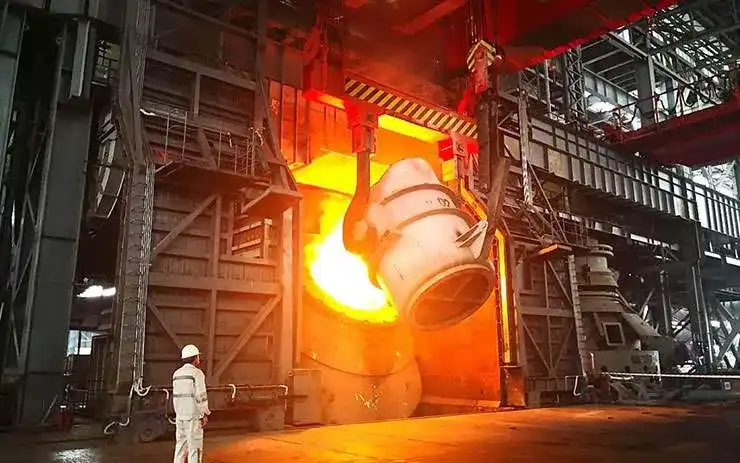
Optimizing Silicon Manganese Furnace Performance for Alloy Production
To get the most out of your equipment investment, you need to pay attention to practical details that make the furnace last longer, keep it safe, and keep the quality of the output constant.
Maintenance Best Practices for Extended Service Life
Electrode management in a Silicon Manganese Furnace is the most critical daily furnace maintenance duty. Keep a watch on the slipping rate in a Silicon Manganese Furnace to ensure electrode usage meets paste addition. This prevents electrode breakage and costly production delays in a Silicon Manganese Furnace. Checking Søderberg paste density and volatile content for quality concerns in a Silicon Manganese Furnace impacts electrode stability. Slipping patterns in a Silicon Manganese Furnace can indicate problems before they occur; therefore, operators should keep detailed logs. Regular shell temperature checks in a Silicon Manganese Furnace on the refractory can reveal lining damage hot spots. Early focused gunning fixes in a Silicon Manganese Furnace prevent catastrophic failures and lengthier shutdowns. The furnace's most delicate portion, the taphole in a Silicon Manganese Furnace, must be repaired after each casting cycle. Using the optimum clay ingredients and tap-hole length in a Silicon Manganese Furnace helps safeguard the hearth and restore clean metal. Electrical, cooling, and load distribution systems in a Silicon Manganese Furnace are regularly inspected. This prevents unexpected issues from disrupting productivity in a Silicon Manganese Furnace.
Safety Protocols and Environmental Compliance
High-temperature smelting tools must be used safely with strict electrical, hot metal, and air leak standards. Grounding and electrical checks prevent arc flashes. Workers are protected with PPE during tapping. Gas tracking systems detect carbon monoxide buildup around furnaces and initiate ventilation before it becomes harmful. Modern closed furnaces are safer than semi-closed ones because they can retain off-gas and prevent rogue emissions. To comply with environmental criteria in developed markets, dust collection systems for furnaces must produce particle pollution below 50 mg/Nm³. The off-gas cleaning plant is expensive, but it is essential to follow the rules and get along with neighbours. Advanced installations include continuous emission tracking systems that record data for legal reporting and alert workers to process issues.
Design Innovations Driving Efficiency Improvements
Recent improvements in technology have changed how well ferroalloy furnaces work by adding smart robotics and new materials. Real-time impedance monitoring is now built into electrode positioning systems. This means that as load conditions change, the depth of the electrodes is instantly changed to keep the ideal arc length. This responsiveness gets rid of the need to make changes by hand and keeps the power input fixed. Furnace tracking tools collect data from dozens of sensors and show it to operators in a way that lets them see the whole process and act before something goes wrong. Predictive maintenance algorithms look at past trends to guess when parts will break. They schedule maintenance for planned downtime so that the system doesn't have to shut down unexpectedly. Refractory materials with better protection to temperature shock and erosion make linings last longer, so they don't have to be replaced as often, which saves money. Water-cooled elements that are meant to better move heat make the frozen skull layers that protect the lining work better. These small changes add up to big performance gains, letting modern systems reach 95% operational availability, compared to the 80–85% that older designs usually managed.
Procurement Insights: How to Source the Best Silicon Manganese Furnace?
In order to get the right tools at a good price, you need to know how to tell the difference between good buys and bad purchases.
Evaluating Manufacturers and Quality Certifications
When looking for a trustworthy Silicon Manganese Furnace provider, the first thing you should do is check their manufacturing qualifications and quality control systems. Manufacturers with ISO quality management certification use organised methods to keep an eye on production. However, approval doesn't necessarily mean that the company knows how to use this type of specialized equipment. Patent portfolios that show ongoing R&D spending and installation references in high-demand markets are more telling signs. Heyuanxin has been providing over 400 furnace systems around the world for over ten years. This shows that we can make high-quality products, as shown by our more than ten utility model patents and software copyrights. Enterprise approval at the provincial level and credit standing at the 3A level are two more signs that a business is stable. The people in charge of buying things should ask for specific lists of references and then call current customers to check the accuracy of promises about uptime, support speed, and real running costs. Specification sheets can't show how well the equipment is working or how satisfied the operators are until you visit the site where the equipment is being used.
Cost Considerations and After-Sales Support
The total cost of ownership goes beyond the purchase price. Startup, startup time, energy use, maintenance, and disposal costs are also included. New equipment from well-known manufacturers costs more, but it comes with installation assistance, a guarantee, and spare parts to keep it working. Used equipment may seem enticing, but it frequently needs a lot of labour and no manufacturer support for critical wear parts. Poorly maintained equipment has a substantially longer tap-to-tap time than well-kept equipment, which affects daily production volume. After-sales support determines a company's success in the vital first year when operators learn new tools. Manufacturers with on-site professional support, training, and quick part access help reach design capacity faster. Heyuanxin has a 400-person competent team and eleven top experts to aid with technological issues immediately. They offer full after-sales support. This service feature, fair pricing, and a solid ROI make our equipment an excellent choice for procurement professionals who must balance performance and cost.
Customization Options and Technical Specifications
Standard furnace designs have many uses, but adding equipment to an existing plant or dealing with specific raw material qualities requires customisation. When choosing a transformer between 6,300 and 72,000 kVA, consider production goals and the installation site's restricted power source. Look at the projected load chemistry because electrode size and shape affect current flow and reduction. Residence duration and slag bath level affect silicon recovery rates depending on furnace shell width. Our engineers adjust these parameters for each production run to match local ore and product. Intelligent furnace tracking systems that optimise performance in real time help managers improve operations by showing them how things are going. New materials for durable refractory liner designs extend operating campaigns, reducing repair breaks and disruption. Environmental safety features, such as eco-friendly designs that fulfil international standards, become increasingly vital as global laws tighten. The procurement specs should specify these customisations so that the equipment works with the production infrastructure.
Future Trends and Innovations in Silicon Manganese Furnace Technology
Keeping up with changes in technology lets you make smart choices about tools that give you a competitive edge over the long life of your assets.
Automation and Digital Integration Advances
Metalworking is using Industry 4.0 concepts. These include adding modern sensors, data analytics, and automatic control systems to manual processes. Modern ferroalloy furnaces contain several instruments to monitor electrical variables, temperature distributions, gas compositions, and mechanical systems. Complex control programmes use this information to automatically change electrodes, distribute the load evenly, and maintain cooling systems. Stability boosts yield and reduces the need for specialised operator expertise, enabling seamless operation. Digital twin technology enables staff to visualise process improvements before they implement them. This reduces trial-and-error testing. Heyuanxin can diagnose problems and recommend solutions using real-time data from remote installations without costly site visits. Old manufacturing data shows minor trends that indicate difficulties when machine learning algorithms analyse it. Maintenance can be planned ahead, preventing errors. With these computerised characteristics, furnace operations are proactive rather than reactive.
Emerging Technologies for Emissions Reduction
Environmental concerns lead to constant improvements in pollution control methods that can be used in the production of ferroalloys. Better off-gas cleaning systems with baghouse filters, wet scrubbers, and electrostatic precipitators get rid of more than 99.5% of the particles, which means that almost no visible emissions are produced. Carbon capture technologies that are still being developed might one day allow us to collect CO₂ from off-gas that has been burnt. This would help reduce greenhouse gas emissions and could also lead to new sources of income from the trapped carbon. Improvements in burden preparation, such as pelletisation and coagulation, make it easier for gases to move through the furnace. This lowers dust production at the source, rather than just counting on capture further downstream. Low-reactance electrical circuit designs reduce the amount of harmonic distortion that is put into power systems. This helps utilities address their worries about power quality. These environmental technologies have higher upfront and ongoing costs, but as regulations become stricter and companies make bigger promises to be environmentally friendly, they are becoming increasingly important for staying competitive.
Strategic Recommendations for Equipment Upgrades
Operations that are in charge of old furnaces have to make tough choices about whether to fix, restore, or replace them. Furnaces that are getting close to their 15–20-year service life usually need major changes to the transformers, full relines, and overhauls of the cooling systems, all of which require large amounts of money. At this point, it's usually a good idea from an economic point of view to look at replacing old systems with new ones that are more energy-efficient and better for the environment. Using phased replacement methods lets you keep making things while switching to more modern technology. When planning when to buy something, you should think about how long it takes to make it. For complex custom heating systems, it can take 12 to 18 months from the time they are specified to the time they are put into service. Including equipment providers early on in the strategy planning process makes sure that there is enough time to prepare and might affect design decisions that are better for long-term operational goals. When businesses work with innovative makers like Heyuanxin, which has both a lot of production experience and busy research and development programmes, they can take advantage of the newest technologies without trying out methods that haven't been proven to work.
Conclusion
Silicon Manganese Furnaces are an important part of modern ferroalloy production because they make the high-quality metals that make steelmaking around the world more efficient. Procurement professionals and plant managers can make smart choices about equipment if they understand the technology's working principles, comparative benefits, and optimisation strategies. The industry is always changing because of new technologies that help the environment, automation, and higher levels of efficiency that reward workers who buy new designs. Long-term success depends on choosing the right provider, one that has proven production skills, customization knowledge, and a wide range of support services. Metallurgical operations are under more and more pressure to cut costs, protect the environment, and make output more efficient. As a result, smart investments in equipment become competitive differentiators that separate industry leaders from struggling operations.
FAQ
What capacity range suits different production scales?
Smaller businesses in the region that make 80 to 150 tonnes of steel every day usually ask for furnaces with 6,300 to 25,000 kVA transformers, weighing the cost of capital against the demand in the market. 25,000 to 45,000 kVA systems help mid-sized makers who want to make 150 to 250 tonnes per day because they take advantage of economies of scale. Large integrated makers or dedicated ferroalloy exporters need 45,000 to 72,000 kVA of power to send 250 to 350 tonnes of ferroalloy every day. This is the best way to get the most out of economies of scale.
How long does commissioning typically require?
It takes between 3 and 6 months for new silicon-manganese furnaces to reach stable rated production after they are properly commissioned. During this time, the refractories are heated slowly, the load is conditioned, the electrical system is optimised, and operators are trained. If you hurry through commissioning, you could cause irreparable damage and set up bad working habits. Experienced suppliers send expert teams to the spot to help with this very important step, which greatly improves the results.
What distinguishes closed versus semi-closed designs?
Closed furnaces have covered lids that collect all the waste gas to recover energy and control emissions. This meets strict environmental standards and makes energy more cost-effective. Some atmospheric venting is allowed in semi-closed designs, which makes building easier but loses some of the benefits of gas collection and has trouble meeting current pollution standards. Even though they cost more, all new installs use closed designs.
Partner with Shaanxi Heyuan for Superior Silicon Manganese Furnace Solutions
Shaanxi Heyuan is ready to be your trusted Silicon Manganese Furnace maker when your business needs reliable silicon-manganese production tools backed by years of experience. Our customization options meet your unique production needs, and our full after-sales help makes sure that your equipment is always working. Our furnaces meet world standards for eco-friendliness and performance, with modern electrode control systems, smart monitoring, and designs that are in line with those standards. Our 400-person team, which includes eleven senior metals experts, responds quickly to technical questions to keep your production on track. Visit hyyjfurnace-supply.com or email us at sxhyyj606@163.com to talk about how our tried-and-true solutions can help you make more alloys. We are dedicated to giving your business the long-term relationship it needs and competitive prices.
References
1. Gasik, M. (2013). Handbook of Ferroalloys: Theory and Technology. Butterworth-Heinemann, Oxford.
2. Olsen, S.E., Tangstad, M., and Lindstad, T. (2007). Production of Manganese Ferroalloys. Tapir Academic Press, Trondheim.
3. International Manganese Institute. (2019). Environmental Best Practice Guidelines for the Ferromanganese Industry. Paris.
4. Turkdogan, E.T. (1996). Fundamentals of Steelmaking. Institute of Materials, London.
5. Seetharaman, S. (2014). Treatise on Process Metallurgy, Volume 3: Industrial Processes. Elsevier, Amsterdam.
6. Electric Power Research Institute. (2018). Submerged Arc Furnace Technology Review and Energy Efficiency Opportunities. EPRI Technical Report, Palo Alto.


YOU MAY LIKE