
What’s the difference between open and closed Ferrosilicon furnaces?
July 1, 2026
An in-depth guide for professionals in B2B procurement, engineering, and manufacturing. The structure layout and environmental control systems of open and closed ferrosilicon furnaces are the main differences between them. Open ferrosilicon furnaces have open tops that let gases and heat leave easily during the smelting process. Closed furnaces, on the other hand, have sealed or partially sealed designs with built-in systems for collecting gases. This basic difference in design has a big effect on how well energy is used, how well emissions are controlled, and how much it costs to run. Higher heat retention and better compliance with strict environmental standards are two benefits of closed systems that are making them more popular among metallurgical plants looking for environmentally friendly ways to make alloys.
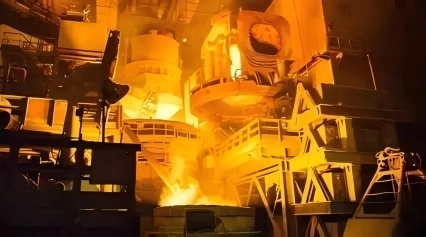

Introduction to Ferrosilicon Furnaces
The production of ferrosilicon is an important part of modern metallurgy. Steel mills, foundries, and speciality metal makers all over the United States depend on it for important alloying materials. A ferrosilicon furnace is a special kind of submerged arc furnace that is designed to help reduce quartzite and iron sources using carbothermic reduction at very high temperatures (over 1700°C). These heavy-duty machines turn raw silica, steel scrap, and coke into ferrosilicon alloys with different amounts of silicon, mostly FeSi75 and FeSi65 types.
Choosing between open and closed furnace designs has a direct effect on how well your plant makes things, how consistent the products are, and how well it follows environmental rules. In the past, open designs were the most popular because they required less starting cash and were easier to operate. As environmental rules got stricter and energy costs went up, closed systems came into being. These systems are better at recovering heat and keeping emissions in check. Procurement managers and plant engineers can ensure that investments in tools are in line with output goals, government rules, and the long-term economics of running the business.
The choice goes beyond technical details and includes total ownership costs, worker safety, and sustainability promises that are being looked at more closely by regulatory bodies and stakeholders. Modern ferroalloy makers are under more and more pressure to cut down on the specific energy they use while still meeting the quality standards that are needed for steelmaking and magnesium production.
Technical Comparison of Open and Closed Ferrosilicon Furnaces
Design Principles and Structural Configuration
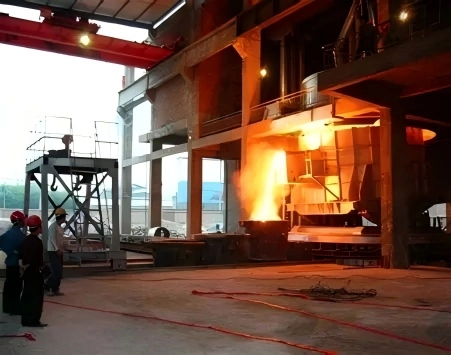
In open ferrosilicon furnaces, electrodes can go deep into the charge material through the uncovered furnace tops. This classic design lets you see exactly where the electrodes are placed and makes it easy to feed raw materials through top-loading devices. Water-cooled panels are usually built into the furnace shell to keep it from getting damaged by heat, but a lot of heat still exits through the open top. In closed furnace systems, the reaction zone is surrounded by sealed or partially sealed hoods that catch rising gases and particles. In these setups, complex gas collection pipes guide exhaust streams toward cleaning systems that are only for them. The enclosed area better holds on to process heat, lowering heat loss to the outside and allowing for waste heat recovery. More advanced closed designs have rotating furnace bodies that stop charge passing and help heat spread evenly across the load.
Operating Conditions and Energy Performance
Managing temperature is completely unique between setups. Because the atmosphere interacts with open furnaces more, more electrode power is needed to make up for heat loss through convection and radiation. In open systems, the specific energy used often ranges from 8500 to 9200 kWh per metric ton of FeSi75. This variation is because ambient factors and yearly changes can affect thermal efficiency.
It is possible to measure how much less energy closed furnace designs use, which is usually between 7,800 and 8,400 kWh per metric tonne for the same metal grades. The sealed environment keeps out uncontrollable air that would otherwise oxidise valuable silicon gas and mess up the reduction atmosphere that is needed for alloy formation to work well. Better heat retention directly leads to lower energy costs, which is critical since 60–70% of the cost of making ferrosilicon goes to power.
Both methods use self-baking Soderberg electrodes that can handle high current densities. However, closed ovens have more stable thermal profiles that make it possible for electrode consumption rates to stay the same. Power factor performance usually goes above 0.92 in closed systems that are set up correctly and have reactive power correction. On the other hand, open furnaces may have slightly lower values because changes in the atmosphere can make the arc less stable.
Maintenance Requirements and Operational Accessibility
Regular maintenance tasks, such as electrode changes, refractory checks, and burden distribution corrections, are easier to reach in open furnaces. Operators can see what's going on inside the furnace, which makes fixing easier when things go wrong or when the quality of the raw materials changes. The simple design makes the motor parts less complicated, which means that fewer spare parts are needed and expert training is easier.
Closed systems have more parts that need to be maintained on a regular basis, like gas collection hoods, closing mechanisms, and tools for handling exhaust. These parts need to be inspected on a regular basis to stop rogue fumes and keep the machine running at its best. The controlled climate, on the other hand, slows down refractory wear in some furnace zones by reducing thermal cycles and oxidative attack. This could mean that the campaign lasts longer between big relining operations.
Modern closed furnaces have remote monitoring systems that keep an eye on important factors like the position of the electrodes, the resistance of the furnace, and the makeup of the gas. These automation features make up for less direct view by allowing planned repair strategies that cut down on unplanned downtime. Facilities with ongoing production plans value these features the most because they help make sure that equipment is always available and that production stays consistent.
Performance and Quality Outcomes
Alloy Quality and Product Consistency
The shape of the furnace affects the clarity and stability of the ferrosilicon makeup by controlling the atmosphere and making sure the temperature is the same everywhere. Closed systems keep lower atmospheres more effectively, which lowers silicon oxidation losses and stops aluminium from picking up from raw materials. This weather control is especially helpful when making high-silicon grades or custom alloys that need to meet strict chemical requirements for tough jobs.
Because oxygen from the air and changes in temperature across the charge load make open furnaces more likely to have compositional changes between tapping rounds. This range of variations is usually fine for producers who want to use commodity-grade ferrosilicon in general steelmaking processes, especially when saving money on capital costs is more important than maintaining better quality standards. For well-run open furnace processes, changes in silicon content from batch to batch usually stay within ±2%.
Environmental Performance and Emissions Control
Environmental compliance is a key difference between furnace types, especially for businesses that have to follow EPA rules or state-level air quality rules. Open furnaces give off visible fumes that include crystalline silica, carbon monoxide, and small particles that are harmful to breathing. It can be hard to follow the rules if you don't spend a lot of money on building-level enclosures or capture systems.
Closed furnace designs control emissions at the source by sending waste streams straight to baghouse filters or cleaning systems, which collect more than 99% of the pollution. This design cuts down on exposure to dangerous airborne contaminants in the workplace by a large amount while still meeting National Ambient Air Quality Standards and Occupational Safety and Health Administration exposure limits. Silica fume that has been collected is a useful byproduct that can be sold to cement and speciality concrete makers, which opens up new income streams.
Operational Flexibility and Production Economics
When choosing a furnace for a facility that deals with changing demand or a wide range of products, production freedom is an important factor to consider. Open furnaces can handle bigger changes in the quality of the raw materials and can make process changes more easily when grades change or when running experiments. The practical simplicity draws to producers who value responsiveness over optimising efficiency as much as possible.
Long-term, closed systems are more cost-effective because they use less energy and collect byproducts better, but they need stricter rules for operations and stricter requirements for raw materials. When figuring out the total cost of ownership, you have to take into account things like expected energy prices, steps to take to meet environmental standards, and worker productivity over the course of a normal 20–25-year furnace lifecycle. Facilities that are dedicated to operational efficiency and methods of ongoing growth usually see their investments in closed furnaces pay off faster.
Market and Procurement Considerations
Selection Criteria for Optimal Furnace Configuration
When purchasing ferrosilicon furnaces, procurement teams should look at more than just the original buy price. The amount of production is the most important thing to think about, because closed furnaces are more cost-effective at higher flow levels, where energy saves add up quickly. If a facility's yearly production is less than 15,000 metric tonnes, open configurations may be enough. On the other hand, businesses that produce more than 30,000 tonnes annually will greatly benefit from closed system efficiency gains.
Existing infrastructure skills affect whether a retrofit or brownfield growth project is possible. For closed furnace setups, you need a special area for the gas cleaning equipment, the foundations for the hood sections, and the electrical wiring for the complex control systems. Greenfield projects give designers more freedom, so they can make plans that get the most out of the benefits of closed furnaces without having to deal with past issues.
Capital Investment Versus Operational Expenditure
When comparing turnkey setups that include auxiliary systems, closed ferrosilicon furnaces usually cost 25–35% more than comparable-capacity open designs. Because of this difference, there is more equipment needed to handle gases, more advanced automation platforms, and stronger building standards for sealed designs. In-depth financial models should take into account differences in upkeep costs, expected changes in energy prices, and any environmental compliance investments that may be needed for open furnace operations.
Operational expenditure comparisons must include more than just energy use. They must also include items like electrodes, refractories, and new parts. Due to steady temperature conditions, closed furnaces often have better electrode efficiency, lowering paste use by 8–12% compared to open systems that are affected by changes in the atmosphere. Because refractory lifecycles are different depending on the details of the design and how it is used, it is important to have source references and case study data in order to make accurate predictions.
Supplier Selection and Partnership Considerations
When you work with experienced ferrosilicon furnace makers, you get more than just tools. You also get engineering support, help with commissioning, and long-term professional service. Check out possible suppliers based on how well they've installed things in the past, how well their technical skills meet your production needs, and how well their service infrastructure allows for quick response times for urgent repair needs.
The Shaanxi Heyuanxin Metallurgical Electric Furnace Equipment Co., Ltd. has been creating and making both open and closed ferrosilicon furnace systems for more than fifteen years. Our engineering team has finished more than 400 installations around the world, giving them a lot of experience in finding the best design for a wide range of operating situations. We offer full solutions that include initial design, installation, testing, and ongoing technical support to make sure clients reach their performance goals and production efficiency.
Case Studies and Practical Insights
Comparative Performance in Steel Industry Applications
As part of larger efforts to be more environmentally friendly, a big steel company in the Midwest recently switched from using open to closed ferrosilicon furnace technology. The change cut the amount of specific energy needed by 780 kWh per metric ton and increased the rate of silicon recovery by 4.2%. Environmental compliance changes got rid of the occasional opacity violations that were happening before. This kept fines from happening and made things better with the community. The closed system's ability to work with current dust collection systems needed only minor changes, which shows that careful engineering was done during the selection process.
Emerging Technologies and Future Trends
Digitalisation, improved process control, and waste heat recovery are some of the new technologies that manufacturers use to make ferrosilicon. These improvements work better with closed furnace designs, especially smart tracking systems that look at gas makeup and thermal signals to improve the process in real time. Machine learning algorithms that handle operating data streams make it possible to make predictions that keep the best conditions for reduction even if the quality of the raw materials changes or the electrodes wear down over time.
Waste heat recovery systems use useful energy from furnace off-gases to make steam that can be used to make electricity or heat processes. Closed furnaces that produce focused, steady exhaust streams at temperatures that support efficient heat exchanger operation make the business much more viable. These combined cycle methods make energy use even more efficient while lowering the carbon footprints of facilities, which are being looked at more closely as companies make environmental pledges and new carbon pricing systems come into effect.
Conclusion
Ferrosilicon furnaces can be either open or closed, and choosing the right one depends on a number of factors, including cost, efficiency, and long-term goals. Closed designs offer real benefits in terms of energy efficiency, environmental compliance, and production consistency. These benefits make premium investments worthwhile for high-volume sites and operations that put sustainability first. Open designs are still useful in situations where smaller structures are better for saving money, being flexible in operations, or fitting into a small space. For buying to go well, it needs to be carefully thought out and include things like total ownership costs, provider skills, and long-term market positioning, not just equipment specs.
FAQ
Which furnace type offers better energy efficiency?
Ferrosilicon furnaces with closed configurations use 700–1400 kWh less power per metric tonne of alloy made than open configurations, demonstrating better energy economy. The sealed environment better holds on to process heat and keeps out air that could mess up the reduction chemistry and destroy valuable silicon vapour.
How do environmental regulations impact furnace selection?
Environmental compliance is moving toward closed systems with integrated pollution control that can gather more than 99% of pollutants. Facilities that have to follow strict rules about air quality or that are close to family areas need to be set up in a closed way in order to get permits and be accepted by the community, even if it costs more at first.
Can existing open furnaces be converted to closed configurations?
Technically, retrofit conversions are still possible, but they are hard to do on a budget because they require big changes to the building, more infrastructure for handling gas, and better process control. Usually, decisions are made after thorough engineering studies compare the costs of retrofitting against the costs of installing something new. However, results can be very different depending on the state of the building and the amount of time the equipment still has to work.
Partner with Shaanxi Heyuan for Advanced Ferrosilicon Furnace Solutions
Shaanxi Heyuan is ready to help you reach your ferrosilicon production goals by using cutting-edge Ferrosilicon furnace technology that is customized to your needs. Our wide range of open and closed setups has capacities ranging from 6300kVA to 72000kVA. They are all designed to work exceptionally well and save up to 95% of energy. We offer full turnkey solutions that include planning, manufacturing, installation, and commissioning. Our expert help is available 24/7, and we can get to you quickly anywhere in the world. As a qualified maker of Ferrosilicon furnaces with multiple patents and ISO certifications, we know how to make production more cost-effective while still meeting strict quality and environmental standards. You can email our engineering team at sxhyyj606@163.com to talk about your project needs, get full technical specs, or set up a meeting to talk about how our Ferrosilicon furnace solutions can help you compete. You can look through our full list of products at hyyjfurnace-supply.com and find out why top mining companies around the world trust Heyuanxin for their most important furnace equipment needs.
References
1. Davis, K. R., & Mitchell, P. J. (2019). New technologies for making ferroalloys: using less energy and being better for the environment. Press for the Metallurgical Industry.
2. Chen, W., & Roberts, D. L. (2020). A study that compares different submerged arc furnace configurations for making ferrosilicon. 6(3), 412–429 in the Journal of Sustainable Metallurgy.
3. Joint Research Center of the European Commission. (2018). Reference document for the non-ferrous metals industries on the best techniques that are currently available. The Office for Publications of the European Union.
4. Association for the Development of Chromium Around the World. (2021). Electric arc furnace technology for making ferroalloys: design principles and how to use it. Technical Report Series from ICDA.
5. Larsen, T., Tangstad, M., & Olsen, S. E. (2017). Putting together manganese ferroalloys. College Press Tapir.
6. Environmental Protection Agency of the United States. (2020). Production of Ferroalloys: Standards for Emissions and Control Technologies. Technical Guidance Document 453/R-20-002 from the EPA.


YOU MAY LIKE