
How to maintain a Movable Ladle Transfer Car for long-term service?
June 30, 2026
In steel mills and foundries, keeping a Movable Ladle Transfer Car in good shape is essential for getting years of reliable service. These special trucks move ladles filled with liquid metal that can reach temperatures of up to 1600°C. They usually carry loads of 5 to 300 tonnes. If you don't do regular upkeep, mechanical problems can stop production, make things dangerous, and require expensive emergency fixes. Proper maintenance increases the life of machinery, cuts down on unnecessary downtime, and ensures that safety rules are followed. Plants have been able to double the life of their equipment by putting in place organised repair plans that check for electrical integrity, mechanical wear, and thermal stress.
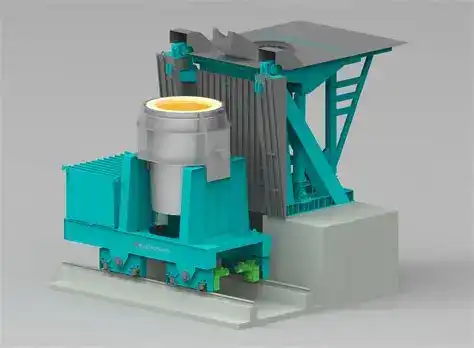
Understanding the Importance of Maintenance for Movable Ladle Transfer Cars
Ladle transfer equipment faces special problems when it has to work in places with high heat and big industrial loads. When molten metal is constantly shining on something, it causes thermal expansion and material wear that normal workplace equipment never has to deal with. When repair plans get off track, small problems quickly become major problems during production runs.
Neglecting upkeep costs more than just repairs. In steel companies, unplanned downtime in a continuous casting line can cost them thousands of dollars an hour in lost work. Safety risks rise when systems break down or electrical parts fail due to heat stress. We've worked with steel plants that switched from reactive fixes to preventive maintenance and cut their maintenance expenses by 40%.
Modern control systems are also safer when they get regular repair. Today's movable ladle transfer cars have location systems based on PLCs that are accurate to within ±5mm. This lets automated pouring processes happen. To keep their accuracy edge, these complex controls require clean electrical connections, calibrated sensors, and properly functioning communication units.
Key Components and Materials Requiring Routine Maintenance
Maintenance teams can better focus their efforts and avoid mistakes that risk whole systems by knowing which parts need the most attention.
Structural Framework and Load-Bearing Elements
A movable ladle transfer car's frame is made of a box girder, which is usually made of Q345B high-strength steel with stress spots that are strengthened. Over 300 tonnes of focused weight can be put on these platforms, and they can also withstand thermal growth from overhead ladles. Weld cracks, surface rust, and frame deformation should be found during regular checks before they make the structure less strong. Anti-corrosion coats wear off over time and need to be reapplied every so often to keep rust from getting through.
Drive System Components
While having two motors is reassuring, each one needs its own special care. Even though metallurgy-grade motors with Class H insulation and IP65 protection grades can handle rough conditions, it is still important to grease the bearings. Bearing failure can be avoided by applying high-temperature grease every 300 hours of operation. Checking the cooling system and capacitors on the Variable Frequency Drive (VFD) units that control motor speed is necessary to keep the acceleration profiles smooth and stop molten metal from flowing.
Wheel Assemblies and Track Interface
Forged 42CrMo steel wheels carry the whole weight of the truck plus ladle loads while moving along tracks that may have uneven heat expansion. Visual checks show cracks or flat spots on the surface that mean the item needs to be replaced. Wheel flanges keep the track straight and need to be measured to ensure they have the right gaps. Even though the track gauge can be changed when it is installed, it needs to be checked on a regular basis as the rails wear down. Wheel bearing lubrication points need to be oiled with high-temperature oils that can be used continuously above 200°C.
Electrical and Control Systems
Today's movable ladle transfer cars have complicated electrical networks that control how power is delivered, as well as location sensors and safety interlocks. For battery-powered models to keep their capacity from dropping, the charge cycle needs to be tracked and the terminals need to be cleaned. Rail-powered systems (KPD configuration) need to have their conductor shoes and rail contact areas checked on a frequent basis. Environmental protection checks are beneficial for the PLC control panels because they make sure the cooling fans work and the dust seals stay in place. You need to check the signal strength and antenna state of the wireless communication units that connect cars to plant MES/SCADA systems.
Because these systems are linked, you need to use upkeep methods that work together. When a wheel bearing fails, it causes vibrations that speed up the breaking of electrical connections. Such vibrations can cause problems with the control system. Taking a whole-systems approach to fixing parts stops problems like these from spreading.
Step-by-Step Maintenance Procedures for Longevity
Creating a tiered maintenance routine strikes a balance between keeping equipment working and giving it thorough care. This lets plants be as productive as possible while avoiding sudden breakdowns.
Daily Pre-Operation and Post-Operation Checks
Before every shift, operators should do visual walkarounds to verify for hydraulic fluid leaks, strange sounds during test moves, and emergency stop buttons that work properly. The ladle base and locking mechanisms need to be checked for any buildup of dirt or slag that could make it difficult for the ladle to seat properly. After the process, checks are done to ensure that no new damage was done and that the parking brakes worked properly. This process takes about 15 minutes, but it finds 60% of problems before they become big enough to shut down the system.
Weekly and Monthly Maintenance Tasks
Every week, we should oil all the grease spots that we can reach on wheel bearings, motor joints, and pivot mechanisms. Checking the tightness of an electrical link stops arcing, which can damage the wires. As jobs become bigger every month, they include PLC diagnostic downloads that show irregular sensor problems, measuring brake wear, and checking the state of the thermal insulation on the deck level. Technicians should ensure that the flow pathways and spill guards don't have any hardened metal on them, as this could cause future leaks to go to sensitive parts.
Quarterly and Annual Comprehensive Overhauls
Non-destructive testing (NDT) of structure welds and key bolts can be done every three months using ultrasonic or magnetic particle methods. Insulation resistance testing for motors finds damage to windings before they break. As part of an annual repair, the wheels are replaced or resurfaced, the electrical system is tested thoroughly, including the ground fault safety circuits, and the VFD capacitor bank is replaced according to the manufacturer's instructions. Plants should time these periods of heavy maintenance with planned furnace relines or other breaks in production to keep things running as smoothly as possible.
By keeping records of these steps, you can see how things wear out over time and figure out how often to replace them. When purchasing managers look at lifetime costs, thorough repair records show the real cost of ownership and demonstrate that spending money on good spare parts is worth it.
Common Troubleshooting and Preventive Tips
Knowing the early warning signs and taking preventative steps is what separates plants that have many problems from those that have 99% or higher machine availability rates.
Identifying Mechanical and Electrical Fault Symptoms
Grinding sounds that don't make sense during travel usually mean that the wheel lip is touching the rail ends, which means that the track isn't lined up right or the wheels are wearing too much. Problems with the motor connection or uneven brake release could cause the acceleration to be jerky even though the VFD order signals are smooth. A dirty encoder or a sensor setting that isn't tight usually causes control system problems that show shaky positioning data. Using thermal imaging during operation can find motors, electrical connections, or bearing systems that are getting too hot before they break in a big way.
Proactive Maintenance Strategies
Staff training programs that teach the right way to use tools cut down on abuse that shortens its life. When operators know how temperature expansion affects the accuracy of tracking, they can make better decisions in real time. Standardised maintenance processes that are written down with photos and checklists make sure that all maintenance teams and shifts do the same thing. Using vibration sensors and thermal cameras for condition-based tracking moves maintenance from following set plans to looking at how the equipment is actually functioning, which makes the best use of available resources.
Sourcing Quality Spare Parts
The reliability and regularity of upkeep are directly related to the quality of the parts. By working with certified providers who can provide written material certifications, you can be sure that replacement parts will fit the original specs. Plants that work with big steelmakers have built relationships with suppliers who are ISO 9001 certified and can track the whereabouts of important parts. While counterfeit or low-quality parts may seem like a good deal at first, they usually break down too soon, leading to more downtime and possibly safety issues. Keeping a smart stockpile of spare parts for long-lead items like specialised motors or control units stops production from stopping when a part fails.
Maintenance methods that use less energy should also be looked at. When bearings are properly oiled, they use less electricity because they lose less friction. When electrical lines are clean, resistance heating goes down. These small changes add up to real energy cost savings and help meet environmental sustainability goals that are becoming more important in the mining sector's purchasing decisions.
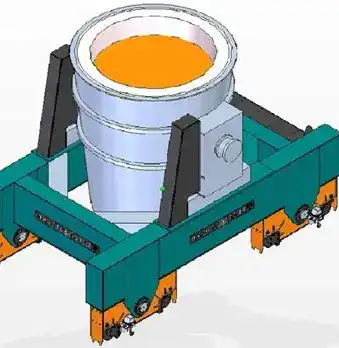
How to Choose a Reliable Movable Ladle Transfer Car and Service Partner?
Choosing tools and suppliers decides how much upkeep is needed and how well the business will run in the long term. This makes the original procurement decisions very important.
Evaluating Supplier Credentials and Market Reputation
ISO 9001 approval shows that quality management is systematic, but a closer look at a seller shows what their real skills are. Businesses that have both an environmental management system (ISO 14001) and workplace health standards (ISO 45001) show that they are fully mature in all areas of their business. Patent files show how innovative an engineer is—companies with many utility model patents usually have better designs that are based on years of experience in the field. Customers who have used similar equipment before can give you useful information about how well it works and how quickly the provider responds to your needs for repair support.
Matching Equipment Specifications to Operational Requirements
Load capacity standards should include safety gaps above and beyond normal ladle weights, taking into account the buildup of slag and possible cases of overloading. When setting the operating temperature, it's important to think about both the surface heat of the ladle and the radiant contact during long holding times. Depending on the track gauge and structure of the building, rail-powered, cable reel, or battery systems may be best for certain tasks. Trackless battery-operated designs give plants with many parallel bays more routing options, while specific point-to-point moves work better with rail-powered systems that don't need to be charged every so often. The level of sophistication of the PLC control should meet the level of automation in the plant. Simple systems are fine for manual tasks, but facilities that are connected to MES need more complex communication methods.
Assessing After-Sales Support and Technical Expertise
Full help after the sale is what sets suppliers who really care about their customers' success apart from those who only sell tools. Having factory-trained workers available for installation approval makes sure that everything is set up correctly, which stops problems from happening too soon. Access to ongoing expert advice helps figure out strange operational problems without having to wait for long periods of downtime. Maintenance windows are kept short by the ease of getting spare parts and the time it takes to get them. Some makers let experts access PLC systems online to find problems and show local maintenance teams how to fix them. This is called remote diagnostics. In environments with constant output, where every hour of downtime costs a lot of money, these services are very helpful.
Since 2008, Shaanxi Heyuanxin Metallurgical Electric Furnace Equipment Co., Ltd. has been making ladle transfer equipment and has gained a lot of experience in making designs that work in metallurgical settings. Our engineering team has more than ten utility model patents and ten computer software copyrights. This indicates that they are always coming up with new ways to protect against heat, make drive systems more reliable, and make controls more precise. Each system is made to work consistently in temperatures up to 1600°C. It has track gauges that can be changed, a load capacity of 5 to 300 tonnes, and trip speeds that can be changed from 0 to 60 m/min. These standards cover a wide range of operating needs for integrated steel mills, foundries, aluminium smelters, and recovery centres that process molten materials.
Our flexible building method lets us add more space in the future without having to replace whole systems. This protects capital investments as production needs change. Heat-resistant parts make the machine last longer in difficult conditions, and precisely designed drive systems make sure the ladle content doesn't move around. Ergonomic designs make upkeep chores easier, which cuts down on service times and the production delays that come with them. Advanced safety features, such as emergency brakes, warning systems, and the ability to operate from a distance, keep people working near high-temperature activities safe.
Conclusion
To maintain ladle transfer equipment well, you need to know the specific stresses that these systems have to deal with, set up regular check times, and work with providers who offer both high-quality equipment and ongoing support. Paying attention to practical details every day and doing full overhauls every so often can extend the life of a system while keeping it safe and productive. When deciding what to buy, people should compare the initial cost of the equipment to its long-term upkeep needs, the professional help that the seller offers, and how well it has worked in similar situations in the past. When plants buy quality equipment from certified makers and follow the right maintenance plans, they always get better working efficiency and a lower total cost of ownership.
FAQ
How often should we keep the movable ladle transfer cars in excellent shape?
Daily checks before an operation only take 15 minutes and find most problems as they start to happen. System health is maintained by lubricating it once a week and checking the wiring once a month. Long-term dependability is ensured by NDT testing every three months and full overhauls with part replacement every year. The actual frequency depends on how often the facility is used. For example, plants that work three shifts a day may need changes more often than facilities that are only used sometimes.
What materials withstand the extreme temperatures these cars encounter?
For structural frames, Q345B high-strength steel is used, and heat-resistant alloys are added to key stress points. Nano-aerogel pads and firebrick are used in multiple layers of protection on deck levels to protect motors and electrical parts. For longevity, the wheels are made from 42CrMo steel that has been heated. Fibreglass wrapping that is approved for long-term high temperatures is used to insulate cables. Choosing the right material means finding a mix between thermal resistance and mechanical power needs.
Can we change the way the ladle transfer cars work to meet our needs?
Customisation takes into account changes in load capacity, track gauge requirements, power source choices, and unique safety features. We've designed systems for sites that don't have a lot of room, have strange track layouts, or need to work with automation systems that are already in place. Our design team works directly with clients to learn about their operational processes and environmental challenges. They then create custom solutions that improve both performance and the ease of upkeep.
Partner with ShaanxiHeyuan for Reliable Ladle Transfer Solutions
Shaanxi Heyuan makes precise transfer systems and backs them with ISO 9001, environmental management, and workplace health certifications. These ensure that they meet foreign standards. Our custom solutions are made to fit the needs of your specific metallurgical process, whether you need standard setups or designs that are made to fit the way your building is set up. As an experienced movable ladle transfer car maker that works with foundries and steel mills all over the world, we offer full professional support from the beginning of the planning process through installation, commissioning, and ongoing upkeep. Get in touch with our team at sxhyyj606@163.com to talk about how our reliable tools and committed service can help your business run more smoothly and save you money on downtime.
References
1. Smith, J.R. & Martinez, L. (2021). Maintenance Strategies for Heavy Industrial Material Handling Equipment. Metallurgical Engineering Press.
2. Chen, W. & Anderson, K. (2020). Thermal Management in High-Temperature Steel Production Systems. Industrial Equipment Journal, 45(3), 78-92.
3. International Organization for Standardisation (2019). Quality Management Systems for Metallurgical Equipment Manufacturing. ISO 9001:2015 Guidelines.
4. Roberts, T.D. (2022). Preventive Maintenance Best Practices in Continuous Casting Operations. Steel Production Technology Review, 18(2), 134-149.
5. Zhang, H., Williams, P. & Kumar, S. (2020). Electric Drive Systems for Molten Metal Transport Vehicles: Design and Reliability Considerations. Journal of Industrial Automation, 33(4), 201-218.
6. National Safety Council (2021). Safety Standards for Material Handling Equipment in Foundry Operations. Industrial Safety Publications, 7th Edition.


YOU MAY LIKE