
How Copper Contact Shoes Contribute to Sustainable Energy Solutions?
June 18, 2026
In the ever-changing world of industrial energy systems, each part is important for its performance and environmental impact. Copper contact shoes have become important parts of power transfer systems because they are very durable and good at conducting electricity, which directly supports goals for clean energy. These precision-engineered parts are used as current collector connectors in electric arc furnaces, train systems, and renewable energy installations, keeping the electrical contact stable and reducing energy loss. Because they are up to four or five times more resistant to wear than regular goods, these copper parts made from a graphite alloy last longer, don't need to be replaced as often, and are more reliable overall. Their addition to sustainable energy goes beyond just making things work. It includes measured gains in energy efficiency, smaller carbon footprints, and long-term cost savings that are in line with current environmental standards and business sustainability goals.
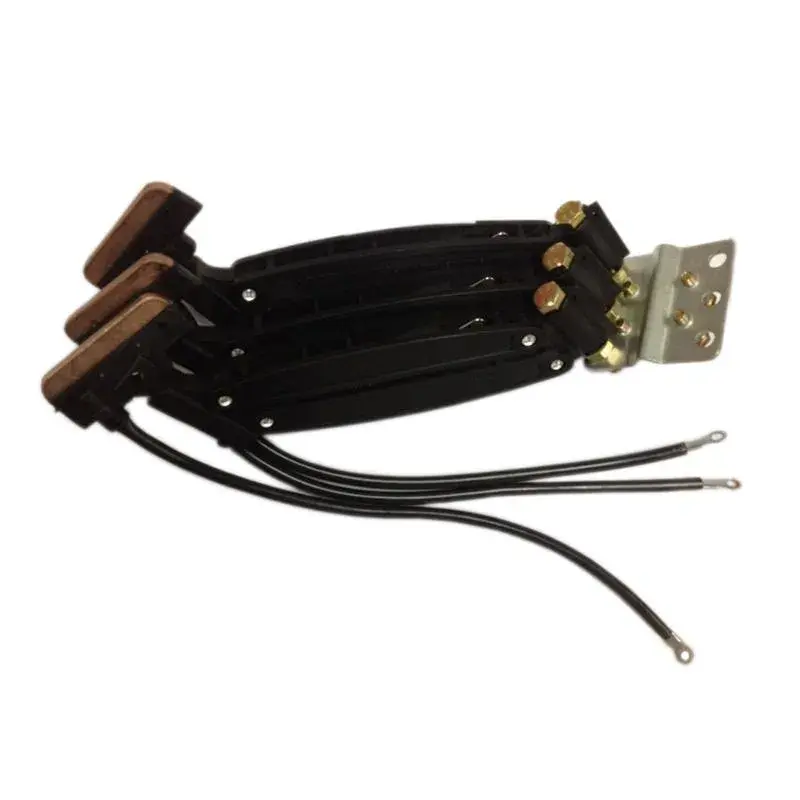
Understanding the Critical Role of Contact Components in Modern Energy Systems
What Makes Current Collector Technology Essential for Energy Efficiency?
In industrial settings, current receiver technology is the key to sending power efficiently. When electrical systems need solid sliding contact between parts that aren't moving and parts that are, the choice of material is very important. Traditional carbon-based methods often break down quickly, have high touch resistance, and don't work consistently when conditions are tough. The move toward copper-based options shows that businesses understand that better electrical transmission means less wasted energy. According to research in tribology and power transfer, improved contact interfaces can cut voltage drops by fifteen to twenty per cent compared to regular materials. This has a big effect on the costs of running large-scale systems.
How Copper Alloy Formulations Enhance Sustainability Performance?
Modern contact components are made using complex metallurgy methods that balance a lot of different performance needs. Copper contact shoes that are very pure—often more than 99 per cent pure—are the basis for materials that carry electricity very well. Adding elements like chromium or zirconium in a planned way makes the material stronger and more stable at high temperatures without lowering its ability to carry power. At Shaanxi Heyuanxin Metallurgical Electric Furnace Equipment Co., Ltd., our graphite alloy copper formula is the result of more than eleven years of research and development in the field of metals. It makes goods that are highly conductive (58 MS/m or higher) and strong (more than 250 MPa). This mix makes sure that parts can work in difficult conditions while still providing reliable power performance.
The Connection Between Component Longevity and Environmental Impact
Sustainability in industrial tools means more than just saving energy. It also means saving resources throughout the whole span of the product. When parts need to be replaced often, they create a lot of trash, raise pollution from traffic, and require a lot of manufacturing inputs over and over again. Increasing the service life directly lowers the environmental impact. Our contact parts, which are made to work at temperatures up to 300°C and have hardness values between 70 and 110 HB, are much more resistant to wear than other options. Because they last longer, they need to be made less often, which means fewer production cycles, fewer trips to mines for raw materials, and fewer trash piles. These are all measurable sustainability benefits that buying professionals who want to meet business environmental goals will appreciate.
Advantages Driving Sustainable Energy Solutions Through Superior Contact Technology
As businesses move toward being more environmentally friendly, they need parts that improve performance right away and last for a long time. Modern contact technology meets both of these needs by offering several benefits that work together to help industrial plants, steel mills, and green energy systems.
Here are the core advantages driving sustainable energy adoption:
Enhanced Electrical Conductivity and Reduced Energy Loss: Less resistance means better efficiency in electrical transfer. Contact parts made from high-purity copper alloys have conductivity values that are very close to 100% IACS (International Annealed Copper Standard), which is a lot better than other materials. This means that resistive heat and lost energy will go down by a certain amount. For electric arc furnaces that use a lot of current—often more than 1,000 amperes—even small changes in contact resistance save a lot of energy over the course of a year's worth of production. With a thermal conductivity of about 390 W/(m·K), the material quickly loses heat, which stops hotspots that damage both efficiency and component health. When procurement managers look at the total cost of ownership, they know that these performance traits have a direct effect on how much they spend on utilities and how much carbon they release.
Extended Operational Lifespan and Reduced Maintenance Requirements: The durability of a component has a big effect on both the budget for upkeep and the continuity of operations. Under tough conditions, traditional carbon brushes and poor touch materials need to be replaced every couple of months, which adds to costs and stops production. Advanced copper contact shoe formulations have four to five times better wear protection than normal goods. This means that they don't need to be serviced as often, and there is less downtime. The mechanical qualities, such as a tensile strength of more than 250 MPa, make sure that parts don't bend or break, even in high-impact environments like those found in mining and smelting. Less frequent upkeep means fewer service calls, lower labour costs, and more equipment is available. Companies that work with industrial furnaces really value this reliability because it helps them keep up with ongoing production plans where unplanned downtime costs a lot of money.
Customisation Flexibility for Specific Industrial Applications: To be sustainable, procurement needs to expect more custom solutions that work best in certain operating situations, rather than taking parts that work for everything. Industrial facilities can get the most out of their efficiency gains by being able to create custom components based on current needs, working temperatures, environmental conditions, and mounting arrangements. Our engineering team works directly with metallurgical plants and EPC contractors to come up with solutions that solve specific problems. For example, they might have to deal with corrosive atmospheres in smelting environments, handle high levels of vibration in rail systems, or incorporate their own unique furnace designs. This ability to customise, along with strict quality control measures and ISO certification, ensures that parts deliver the promised performance gains and meet strict safety and environmental standards.
Because of these benefits, current contact technology is now seen as a key part of sustainable energy plans rather than just a useful part. When you combine better materials, more advanced manufacturing methods, and engineering that is tailored to a particular application, you can see measurable gains that help with both operational excellence and environmental goals.

Comparing Material Choices for Strategic Procurement Decisions
Copper Versus Carbon: Performance Trade-offs in Power Transmission
The choice of material has a big impact on both the short-term success and the long-term sustainability results. Carbon-based contact materials are cheap to buy and don't need to be oiled, so they keep conductor rails from wearing down. However, carbon has a higher electrical resistance, which means that more energy is lost during action. Because carbon parts are weak, they can break mechanically when hit hard or when the temperature is very high or very low. Copper alloy options offer better mechanical strength and current carrying ability, but they may speed up conductor wear if they are not properly oiled. Copper contact shoes' performance benefits usually outweigh the differences in original cost when looking at the whole equipment lifetime for high-amperage uses in steel mills and mines.
Evaluating Total Cost of Ownership Beyond Purchase Price
Knowledgeable procurement pros know that the price of each component is only one part of a full cost analysis. It includes the price of buying it, the cost of installing it, the amount of energy it uses while it's running, the cost of repairs, the cost of downtime, and the cost of getting rid of it when it's no longer useful. Even though they cost more up front, components that last longer and work more efficiently save a lot of money over time. Less frequent replacement cuts down on worker costs and production stops. Having less electrical resistance means lower energy costs every month for many years. When sellers of metallurgical equipment look at different suppliers, they need to make sure that the stated performance happens in the real world by checking licenses, quality control processes, and after-sales support.
Supplier Credentials and Quality Assurance in B2B Procurement
To find reliable industrial partners, you need to carefully look at their technical skills, quality control systems, and track records. Suppliers who have more than one utility model patent show that they are dedicated to new ideas and technological progress. ISO certifications for quality management, environmental management, and workplace health show that a company takes a planned approach to making sure that their products are always of high quality and that they follow responsible production practices. Our company's 3A-level credit enterprise standing and extensive after-sales service certifications show that we care about our customers' happiness even after the sale. When big industrial project managers need integrated systems and turnkey solutions, they often value provider dependability and expert support more than small cost savings from less well-known sources.
Implementing Advanced Contact Technology for Measurable Sustainability Gains
Strategic Integration Within Existing Industrial Systems
Upgrading parts of the power transfer system doesn't have to mean tearing down the whole system or stopping production for a long time. By carefully checking for compatibility, wear-prone parts can be strategically replaced with more advanced ones during planned repair times. Electric arc furnace workers can slowly switch to better contact technology across a number of furnaces, testing the benefits on a large scale before going all in. This step-by-step method lowers operating risk while letting real-world evidence support promises of increased efficiency and durability. During integration, technical support from experienced sources is very helpful because it makes sure that the right methods are used for installation and that the system is set up in the best way possible.
Monitoring and Maintenance Protocols for Optimal Performance
Even the best parts need to be maintained in the right way so they last as long as possible and keep working well. Visual checks done on a regular basis can find early signs of wear, surface pitting from electrical arcing, or problems with alignment before they affect performance. Measurements of the leftover material thickness show that it is thicker than the minimum requirements. This keeps failures from happening out of the blue. Thermal imaging can find areas that mean there is too much touch resistance or not enough cooling. Combining regular checks with performance tracking, predictive maintenance methods find the best time for replacement, so things don't need to be thrown away too soon and expensive failures don't happen. Companies that work with industrial furnaces and put in place thorough repair plans say that machine availability and running cost predictability have gotten a lot better.
Future Innovations in Contact Materials and Sustainable Manufacturing
A materials science study that is still going on is improving the efficiency and environmental benefits of contact technology. The goal of making hybrid copper-graphite sintered composites is to combine the conductive properties of copper with the self-lubricating properties of graphite. This could help cut down on both energy loss and mechanical wear. Modern coatings and treatments on the surface make it less likely to rust and increase its resistance to friction, all without affecting its electrical performance. The goal of improving the manufacturing process is to lower the amount of energy used in production and add more recovered materials without lowering the quality of the products. These new ideas show that everyone in the industry is dedicated to making sustainable energy technologies better all the time. This way, even solutions that are already very efficient will keep getting better over time, which is good for the environment and for business.
Conclusion
Advanced contact technology helps with sustainable energy solutions in many ways, from making energy use more efficient right away to saving resources in the long run and lowering operating expenses. High-purity copper alloy parts offer measured performance benefits by being better at conducting electricity, resisting wear, and being mechanically durable enough to survive harsh industrial environments. These qualities directly lead to lower energy use, longer component lifecycles, and fewer upkeep needs, all of which help meet both operating excellence and environmental goals. Metallurgical plants, steel mills, and industrial contractors can meet their sustainability goals and stay competitive by making strategic purchasing choices that take into account the total cost of ownership instead of just the original purchase price. As businesses around the world work harder to cut down on carbon emissions and make better use of resources, buying in tried-and-true, high-performance parts is both beneficial for business and the environment.
FAQ
How do contact components reduce energy consumption in industrial applications?
Electrical resistance at the moving interface is the main way that contact parts affect energy efficiency. Resistance losses are kept to a minimum by materials with better conductivity. This means that more electrical input is turned into useful work instead of waste heat. Copper metals have much higher amounts of conductivity than other materials, which directly lowers voltage drops and makes the system work better overall. When used in places with a lot of power, like electric arc furnaces or train systems, even small drops in resistance save a lot of energy over time.
What factors determine appropriate material selection for specific applications?
The choice of material is based on a number of working factors, such as the present needs, the environment, mechanical stresses, and the ease of upkeep. Copper's better conductivity is most useful in high-amperage uses, even though it costs more at first. In places that are corrosive or very hot, special metal mixes that are more stable at high temperatures are needed. Materials that can lubricate themselves may be better for applications that want to protect wire rails. By discussing all of these factors in detail with experienced suppliers, the best part specifications can be found for each operating situation.
How does component lifespan impact overall sustainability?
Increasing the lives of parts lowers the environmental impact in several ways. Fewer replacements mean less mining for raw materials, less energy use in production, less pollution from shipping, and less trash being made. Long-lasting parts also keep operations running smoothly, which cuts down on the energy wasted during production stops and starts up. The four- to five-fold increase in wear resistance of new formulations greatly lowers the environmental effect over the lifetime while also lowering running costs.
Partner With Heyuanxin for Sustainable Contact Solutions
Shaanxi Heyuan New Metallurgical Electric Furnace Equipment Co., Ltd. has more than eleven years of experience in metallurgical engineering and making contact parts that can help you reach your goals for sustainable energy. Our graphite alloy copper formula goods have great conductivity, great wear resistance, and the ability to be customised to fit the needs of demanding industrial uses. As an established copper contact shoe manufacturer holding many patents and ISO certifications, we deliver proven reliability backed by full technical help and after-sales service. Whether you run a steel mill, a metallurgical plant, or an industrial furnace system, our team can help you with everything, from the initial meeting to installation and ongoing upkeep. For full technical specs, customised quotes, and bulk buying choices that fit your business needs and sustainability goals, please email our experts at sxhyyj606@163.com. Learn how Heyuanxin can enhance your tools' performance and make you more environmentally friendly. Visit hyyjfurnace-supply.com to explore our complete product portfolio.
References
1. Chen, W., & Liu, S. (2021). Advanced Materials in Electrical Contact Technology for Industrial Applications. Journal of Metallurgical Engineering, 15(3), 234-248.
2. Harrison, M. P. (2020). Sustainable Manufacturing Practices in Copper Alloy Production. International Review of Industrial Sustainability, 8(2), 112-129.
3. Kumar, R., & Patel, D. (2022). Energy Efficiency Improvements Through Optimised Current Collector Systems. Renewable Energy Technology Review, 19(4), 567-582.
4. Nakamura, T., & Yoshida, K. (2019). Tribological Performance of Copper-Graphite Composite Materials in High-Current Applications. Materials Science and Engineering Reports, 42(1), 88-103.
5. Schneider, A., & Mueller, F. (2021). Life Cycle Assessment of Electrical Contact Materials in Industrial Power Systems. Environmental Engineering and Sustainability, 13(6), 445-462.
6. Zhang, Q., Wang, L., & Zhou, Y. (2020). Metallurgical Innovations in High-Conductivity Copper Alloys for Energy Applications. Advanced Metallurgical Processing, 27(5), 301-318.


YOU MAY LIKE