
Ferro Silicon Aluminum Furnace: A Guide to Smarter Production
November 5, 2026
A ferro silicon aluminum furnace is a specialized submerged arc furnace designed to produce FeSiAl alloys through carbothermic reduction of silica, alumina, and iron sources. Operating at temperatures between 1700°C and 2000°C, this equipment converts raw materials—bauxite, silica quartz, and steel chips—into composite deoxidizers that improve steel purity and mechanical properties. For steel plants and ferroalloy manufacturers, investing in the right FeSiAl furnace directly affects product quality, energy costs, and environmental compliance. This guide walks through how these furnaces work, how they compare to alternatives, and how to choose the right one.
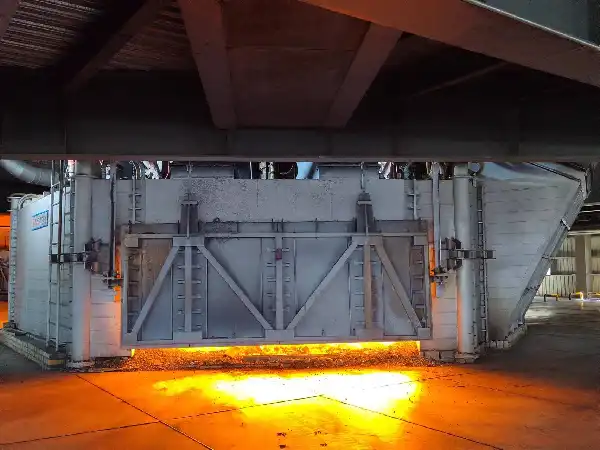
Understanding Ferro Silicon Aluminum Furnaces: Process and Benefits
How the Furnace Works
The ferro silicon aluminum furnace works by putting three-phase electrodes deep into a charge mix of iron sources, bauxite, and silica quartz. When electrical resistance in the charge is added to arc heat, temperatures rise above 1700°C. Through carbothermic reduction, this breaks the links between aluminum and oxygen and silicon and oxygen. This makes a FeSiAl alloy with controlled amounts of Si, Al, and Fe. A low-inductance short-net electrical system in the furnace sends the most power to the arc zone with the least amount of electrical loss.
Key Process Parameters
The Shaanxi Heyuan ferro silicon aluminum furnace works within these confirmed technical parameters:
- Operating temperature: 1700°C–2000°C
- Power capacity: 10MVA–60MVA
- Alloy composition deviation: ≤±0.5%
- Energy consumption: ≤8,000 kWh per ton of alloy
- Annual operating time: exceeding 8,000 hours
- Lining service life: ≥1.5 years
These factors are based on real performance data from more than 400 furnace units that Shaanxi Heyuanxin has sent around the world.
Core Production Benefits
Procurement workers often list three measurable benefits of using this type of heater. First, the optimal temperature field makes sure that all of the carbothermic reactions happen and that the alloy's composition stays the same during each heat cycle. Second, the energy use of ≤8,000 kWh per ton is much lower than the average for the industry, which is between 11,000 and 14,000 kWh per ton for standard FeSiAl production. Third, the built-in dust collection system keeps emissions below 20 mg/Nm³, which helps the environment without the need for extra modifications.
Comparing Ferro Silicon Aluminum Furnaces with Other Furnace Types
Picking the right furnace type will affect your cost-per-ton, the quality of your products, and how often you need to service it. Here is how the ferro silicon aluminum furnace stacks up against other options.
Submerged Arc vs. Electric Arc Furnace
An electric arc furnace (EAF) heats up the charge surface with open arcs. This method melts scrap steel well, but it doesn't provide the deep-bed reduction environment needed to make FeSiAl alloys. In the ferro silicon aluminum furnace, the submerged arc configuration immerses the electrodes in the charge, creating a long-lasting reduction zone that EAFs can't match for this particular use. For people who make alloys, this difference has a direct effect on the quality and regularity of the alloys they make.
Submerged Arc vs. Induction Furnace
For original reduction of alumina and silica, induction furnaces are not cost-effective, but they are good for remelting and alloying materials that have already been made. Because a lot of energy is needed to break the bonds between aluminum and oxygen, induction heating can't be used to make FeSiAl because it's too expensive. The ferro silicon aluminum furnace does a good job with this primary reduction at power levels up to 60MVA, which induction furnaces can't do at the same production volumes.
Cost-Effectiveness Across Production Scales
For factories that make a lot of FeSiAl metals, the submerged arc ferro silicon aluminum furnace has the lowest cost-per-ton because it can run continuously, control the arc well, and has a refractory lining life of at least 1.5 years. When Shaanxi Heyuan's furnace models run for more than 8,000 hours a year, which is a standard benchmark, costs related to downtime go down significantly.
Procurement Guide: How to Buy and Choose the Right Furnace
Not only the price, but also the technical fit, the supplier's ability, and the furnace's long-term service support should all be taken into account when choosing a ferro silicon aluminum furnace.
Technical Specifications to Verify
Make sure the furnace meets these technical requirements before you sign a purchase agreement. A good ferro silicon aluminum furnace supplier should have test results that show how well the transformer works at 120% overload, short-net resistance and reactance values that show electrical asymmetry is less than 5%, and certifications for the refractory materials that meet ASTM or ISO standards for carbon brick density, compressive strength, and thermal conductivity.
Supplier Credibility and Certification
An ISO quality management system, an environmental management system, and a workplace health management system are all things that Shaanxi Heyuan is certified in. The business has been recognized at the regional level and is a 3A credit venture. Heyuanxin has been designing and making steel furnaces since 2008 and has more than ten utility model patents and over ten computer software copyrights that show their technical depth.
Delivery, Customization, and After-Sales Support
There are two delivery times that Heyuanxin offers: standard models take 15–20 days to deliver, and custom configurations take 30–45 days. Custom options include changing the chamber size, setting up a specific alloy ratio process, and having technical help on-site during commissioning. After-sales service certification is given, which means that buyers get documented help for as long as the equipment is in use. This greatly lowers the risk of long-term operating problems.
Maintenance and Performance Optimization for Longevity
A ferro silicon aluminum burner that is well taken care of keeps working well and lasts longer. When operators follow structured repair routines, there are fewer unexpected shutdowns and the alloy makeup is more stable.
Routine Inspection Protocols
These are the most important maintenance tasks that will keep your furnace running well over time:
- Electrode inspection: Check Soderberg paste quality and electrode contact performance weekly to prevent hard runs caused by slag resistance fluctuations.
- Refractory lining assessment: Inspect carbon bricks and high-alumina lining sections at each planned shutdown to identify early signs of erosion before bottom penetration occurs.
- Tapping mechanism maintenance: Keep tap-hole equipment clear of high-alumina slag buildup, which freezes rapidly if furnace temperature drops unexpectedly.
These procedures directly lower the risk of electrode breakage and unexpected downtime, which are the two biggest problems that happen a lot in FeSiAl production settings.
Energy Conservation During Operation
Adding lime to the fluxing agent in the right amounts controls the viscosity of the slag and keeps the bottom of the ferro silicon aluminum furnace from building up. If you keep the temperature between 1700°C and 2000°C, you can avoid the energy losses that come with heating up a frozen furnace bottom. Heyuanxin furnaces have a hydraulic electrode regulation system that changes the depth of the insertion with millisecond accuracy. This keeps the behavior of the arc stable and lowers power fluctuations that make the furnace use more energy.
Process Control and Monitoring Tools
Before the PLC automation system is delivered, it goes through Factory Acceptance Testing (FAT), which checks the safety interlocks, electrode slipping logic, and emergency stop procedures. After it is set up, real-time monitoring of the arc's stability, the position of the electrodes, and the temperature of the gas helps operators spot process deviations early, which protects both the quality of the product and the integrity of the equipment.

Industry Trends and Future Outlook for Ferro Silicon Aluminum Furnaces
Automation and Smart Control Integration
With PLC-based process control and remote monitoring, ferro silicon aluminum furnace technology is evolving toward full automation. Modern furnaces have automatic electrode control that reacts to changes in the conductivity of the slag in real time. This means that the user doesn't have to do as much to keep the spark stable. As more steel plants invest in new FeSiAl capacity, they ask furnace suppliers to show that they can handle digital control as part of the bidding process.
Tightening Environmental Regulations
Environmental rules in the U.S. and around the world are making it harder for ferroalloy factories to release silica smoke and alumina dust into the air. Modern ferro silicon aluminum furnaces have high-capacity baghouse dust collection with pulse-jet cleaning that can pick up sub-micron particles even when the gas temperature is above 250°C. As of now, meeting emission standards below 20 mg/Nm³ is a must for most industrial markets when buying things.
Scalability and Long-Term Investment Value
If someone is thinking about buying a FeSiAl furnace, they should find out if the machinery can be changed to work with different types of ferroalloys, like ferrosilicon or calcium silicon, in case output needs change. Heyuanxin furnaces are made with flexible transformer taps and secondary current parameters that let the voltage be re-adjusted for different load characteristics. This protects the investment's long-term value.
Conclusion
The ferro silicon aluminum furnace is a production tool that was specifically made for steel plants, ferroalloy smelters, and companies that make casting inoculant. Its technical benefits—balanced element reduction, precise thermal management, continuous operation for more than 8,000 hours a year, and built-in environmental controls—meet the most important production needs of making industrial alloys. To pick the best submerged arc furnace, you need to look at its confirmed technical specs, seller certifications, and ability to provide support after the sale. Heyuanxin has been in business for 16 years, has delivered more than 400 units, and offers a full-service model from design to commissioning. This makes it a reliable partner for procurement professionals looking to buy FeSiAl furnace equipment.
FAQ
What raw materials does a ferro silicon aluminum furnace process?
Bauxite, silica quartz, and iron sources like steel chips are all put through the furnace.
How does power consumption compare to standard ferrosilicon furnaces?
About 8,500 kWh per metric ton is how much energy standard FeSi 75 burners use. Because the aluminum-oxygen bond weakens, a ferro silicon aluminum furnace needs more energy. However, Heyuanxin's design gets ≤8,000 kWh per ton through heat efficiency steps.
What causes electrode breakage in FeSiAl furnaces?
The main reasons for this are thermal shock and hard runs caused by high slag resistance. A bad mix of the Soderberg paste or a mismatch in the phases can also be a cause. Regular checks of the electrodes and precise control of the insertion depth make this risk less likely.
Can the furnace be reconfigured for other alloy grades?
Yes. The transformer and lining can make ferrosilicon and calcium silicon, but the voltage taps and secondary current parameters need to be re-adjusted to work with the different charge materials' resistance properties.
What emission control systems are required?
To handle silica smoke and alumina dust, you need a large baghouse dust collection that cleans with pulse jets. Shaanxi Heyuan's built-in dust collection system meets pollution limits of less than 20 mg/Nm³.
Partner with Shaanxi Heyuan for Your Ferro Silicon Aluminum Furnace Needs
Since 2008, Shaanxi Heyuan has sent more than 400 furnaces to steel plants and ferroalloy makers around the world. Shaanxi Heyuan is a verified ferro silicon aluminum furnace manufacturer with ISO certification and multiple utility model patents. They offer full solutions from design to commissioning on-site. It takes 15–20 days for standard models to ship. Get in touch with us to talk about your alloy production needs. Today, go to hyyjfurnace-supply.com or email sxhyyj606@163.com.
References
1. Handbook of Ferroalloys: Theory and Technology — Elsevier, 2013
2. Electric Furnace Steelmaking — Iron and Steel Society, 2005
3. Journal of Mining and Metallurgy, Section B: Metallurgy — University of Belgrade, 2018
4. Mineral Commodity Summaries: Silicon — U.S. Geological Survey (USGS), 2023
5. ASTM C1054: Standard Specification for Pressed and Sintered Magnesia Refractory Brick — ASTM International, 2019
6. International Journal of Minerals, Metallurgy and Materials — Springer, 2021


YOU MAY LIKE