
What Fuel Options Work Best in a Lime Kiln Furnace?
November 5, 2026
The fuel you choose for a lime kiln furnace directly shapes your production output, operating cost,and emission profile. If you choose the incorrect fuel, you might end up with under-burnt or dead-burnt lime, a higher energy cost or even non-compliance issues in calcination processes that operate between 900°C and 1200°C. Whether you’re running a rotary kiln or a vertical shaft kiln, selecting the proper fuel for your particular lime kiln furnace setup is the single most impactful technical choice you’ll make in lime production.
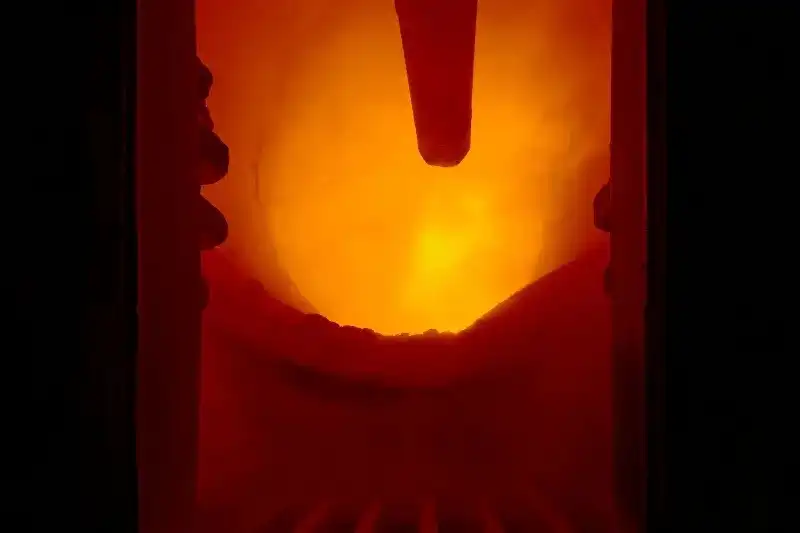
Understanding Lime Kiln Furnaces and Their Fuel Requirements
Rotary Kilns vs. Vertical Shaft Kilns
A rotary lime kiln furnace is designed to handle smaller stone gradations and needs a steady, continuous flame over the length of a long, revolving cylinder. Heat consumption is normally more than 5,000 kJ/kg of lime. In comparison, a vertical shaft kiln may reach a specific heat consumption as low as 3,600 kJ/kg due to counter-current regenerative heat exchange. This basic difference in thermal design dictates how much fuel each system requires for each tonne of quicklime produced.
Why Fuel Selection Affects Lime Quality
The kind of fuel determines the time-temperature profile in the calcination zone. Soft-burnt, highly reactive lime needs careful temperature control and equal dispersion. A fuel that is not burning uniformly or has varying calorific value might generate hot spots leaving some limestone under-calcined and over-firing the neighbouring material. The outcome is a fluctuating lime activity that damages downstream steel and chemical operations requiring constant calcium oxide reactivity.
Operating Conditions That Narrow Your Fuel Options
Plant site, local fuel supply infrastructure, and environmental permit constraints all filter your potential alternatives before you even start designing. A lime kiln furnace in a steel complex may have access to blast furnace gas or coke oven gas at an almost zero marginal cost. A stand-alone lime factory in a location without a gas connection has to consider solid fuel logistics. These site-specific parameters are as crucial as the theoretical combustion performance.
Common Fuel Types Used in Lime Kiln Furnaces
Traditional Solid Fuels: Coke and Coal
Coke and coal remain widely used in shaft lime kiln furnaces because their high energy density suits counter-current combustion. Metallurgical coke delivers a relatively clean, high-temperature flame and low ash content compared to raw coal. However, sulfur in the fuel transfers into the lime product, which is a serious issue for steelmaking applications requiring low-sulfur quicklime. Coal is cheaper but requires careful ash management to prevent ring formation inside the kiln.
Gaseous Fuels: Natural Gas and Coal Gas
The normal clean fuel for a lime kiln boiler is natural gas. It burns without solid residues, emits little SOx and enables a fine control of the calcination environment. Plants may co-fire coke oven gas or blast furnace gas with natural gas but still maintain combustion stability in an effort to decrease expense. Multi-channel burner systems are very well suited to gaseous fuels, allowing operators to modify flame shape and heat release distribution in real time.
Alternative and Emerging Fuels: Biomass and Waste-Derived Options
Environmental rules are becoming stricter, and biomass pellets, waste-derived fuels are on the rise. Biomass may lower net CO2 emissions when supplied responsibly and many European lime producers have proven effective co-firing rates exceeding 30%. Waste oils and trash generated fuels need rigorous pre-treatment to stabilise calorific value and moisture content. Hydrogen and syngas remain at the pilot stage for use in lime kilns, while a number of industrial research projects are currently investigating burner designs compatible with high-hydrogen flame characteristics.
Comparative Analysis of Fuel Options for Lime Kiln Furnaces
Energy Efficiency Metrics
Fuel type directly affects the thermal efficiency of your lime kiln furnace. Here is a practical comparison based on published industry data:
- Coke (Vertical Shaft Kiln): Specific heat consumption of approximately 3,600–4,200 kJ/kg lime; high heat density but limited combustion control.
- Natural Gas (Rotary Kiln): Specific heat consumption of approximately 5,000–6,000 kJ/kg lime; superior controllability and low residue.
- Biomass (Co-fire, Shaft Kiln): Variable by moisture content; effective calorific value drops sharply above 15% moisture, requiring pre-drying investment.
These figures show that fuel efficiency is not just about the fuel's gross calorific value — kiln type, combustion system design, and waste heat recovery all determine actual consumption per ton.
Emissions Impact and Regulatory Compliance
The NOx, SOx and CO2 limitations that define what fuels may be used at what fire rates are defined by the U.S. EPA and European BAT (Best Available Techniques) reference papers. Natural gas emits the lowest NOx and almost no SOx. Coal and coke must either use flue gas desulfurization or get low-sulfur fuel to fulfil permit limitations. Biomass co-firing may reduce net CO2 per tonne of lime as carbon pricing grows in North America.
Cost and Supply Chain Stability
U.S. natural gas prices have been very volatile, falling below $2/MMBtu and spiking beyond $9/MMBtu in single calendar years. The lime kiln furnace is built for several fuels so that you may switch between coal, natural gas, or biomass as monthly price signals dictate. That flexibility lowers the total cost of ownership and insulates your organization from single-commodity supply risk.
How to Choose the Best Fuel for Your Lime Kiln Furnace
Match Fuel to Kiln Type and Production Scale
Furnaces in excess of 500 TPD often choose solid or gaseous co-firing systems. Cleanest burning on natural gas or gas mixes is frequently seen in rotary kilns below 300 TPD. So, before choosing a fuel system, do a full audit of your limestone feed size, what lime reactivity you need (T60 value), and your burner compatibility with your current refractory lining.
Balance Efficiency Targets with Emission Limits
Operators need to set clear internal targets: What Available Lime Index (ALI) does your downstream process require? What NOx ceiling does your air permit allow? These two constraints together usually identify one or two viable fuel options. Working with an experienced lime kiln furnace manufacturer during the design phase ensures the burner staging, air-fuel ratio controls, and draft management are engineered around your chosen fuel from the start.
Engage Your Equipment Supplier Early
Fuel integration is a design choice, not a retrofit decision. Involving your kiln provider early in the design process, rather than after installation, can save you from expensive adjustments. For example, the Shaanxi Heyuan engineering team customises burner layouts and thermal insulation packages depending on stated fuel type and regional fuel supply profiles. This early-stage alignment considerably reduces commissioning time and enhances first-fire performance.

Best Practices for Optimizing Fuel Use in a Lime Kiln Furnace
Fuel Handling, Storage, and Feed Consistency
One of the most prominent reasons for lime quality fluctuation is the inconsistent input rate of fuel. Solid fuel particle size must be regulated to specification before entry into the kiln. Buffer systems or pressure regulators are required for consistent gaseous fuel delivery pressure. Solid fuels should be stored in suitable covered storage to avoid the absorption of moisture, which diminishes the effective calorific value and disturbs the air-fuel ratio established at the burner.
Burner Maintenance and Combustion Monitoring
Flame form is directly affected by the erosion of the burner tip and refractory wear surrounding the combustion zone. Quarterly examination of burner nozzles and modification of combustion air ratios is carried out to maintain the thermal efficiency of the kiln campaign. These continuous emissions monitoring systems (CEMS) installations enable the identification of combustion drift in real-time prior to the product quality being affected or the permit being exceeded.
Emission Reduction Strategies
Basic emission control methods used by lime producers to meet regulatory standards are:
- Staged combustion creates a succession of fuel-rich and air-rich zones, reducing the peak flame temperature and therefore reducing NOx generation.
- Low-NOx burners: Multi-channel designs provide separate management of main and secondary air, and may reduce NOx by 20–40% over traditional burners.
- Sorbent injection: Calcium-based sorbents are injected into the flue gas stream to absorb SOx before the gas is discharged to the stack. employed when high-sulfur solid fuels are employed.
Using these solutions from the beginning of the design stage is less expensive than retrofitting after a compliance breach. Integrated emission controls are a normal design consideration for Shaanxi Heyuan’s lime kiln furnace systems, not an afterthought.
Conclusion
Fuel selection for a lime kiln furnace is a technical and commercial decision that affects product quality, operating cost, and regulatory position concurrently. Natural gas provides the cleanest combustion profile and finest lime activity control. Shaft kilns fit coke and coal when supply logistics are solid-fuel friendly. Biomass co-firing with moisture control is an achievable route to minimise net carbon emissions. Multi-fuel capacity allows facilities to adjust to price changes and supply shortages. To ensure long-term operating success, the best way is to align your fuel strategy with your kiln type, size and permit needs during the design stage.
FAQ
What temperature range does a lime kiln furnace operate at?
Most lime calcination occurs between 900°C and 1,200°C. Below 900°C, the dissociation of calcium carbonate proceeds too slowly for commercial production. Above 1,200°C, over-burning reduces lime reactivity and produces dead-burnt lime unsuitable for steelmaking. Heyuanxin's kilns maintain precise temperature control throughout this window with automated monitoring systems.
How does fuel choice affect NOx and SOx emissions?
Natural gas produces the lowest NOx and negligible SOx. Solid fuels like coal and coke introduce sulfur that converts to SOx unless controlled by flue gas treatment. Burner staging and low-NOx burner designs reduce NOx by 20–40%. Fuel selection is the first line of defense in emissions management.
Can an existing kiln be retrofitted to run on biomass or natural gas?
Yes, retrofitting is feasible when the existing refractory lining, combustion air system, and burner mounting geometry are compatible with the new fuel. A detailed engineering review is required before committing to any fuel change. Shaanxi Heyuan provides assessment and upgrade services for existing lime kiln furnace installations.
What is the typical refractory lining lifespan?
In a well-operated vertical shaft lime kiln furnace, the working lining lasts 5–8 years. Rotary kiln burning zones typically require lining replacement every 6–12 months due to mechanical stress and thermal cycling. Fuel stability directly affects lining life — irregular combustion accelerates thermal spalling.
Partner with Shaanxi Heyuan for Your Lime Kiln Furnace Needs
Shaanxi Heyuan has been designing and manufacturing lime kiln furnace systems since 2008, with multi-fuel configurations covering coke, natural gas, coal gas, and biomass. Our kilns achieve thermal efficiency up to 75% and lime activity above 320 ml/4N-HCl. As a certified lime kiln furnace manufacturer holding ISO quality, environmental, and occupational health certifications, we deliver full-process service from design through commissioning. Contact our engineering team at sxhyyj606@163.com or visit hyyjfurnace-supply.com to discuss your project requirements today.
References
1. Oates, J. A. H. Lime and Limestone: Chemistry and Technology, Production and Uses. Wiley-VCH, 1998.
2. European Commission. Best Available Techniques (BAT) Reference Document for the Manufacture of Cement, Lime and Magnesium Oxide. Joint Research Centre, 2013.
3. U.S. Environmental Protection Agency. AP-42: Compilation of Air Emissions Factors — Section 11.17: Lime Manufacturing. EPA, 2018.
4. Hasanbeigi, A., & Price, L. A Review of Energy Use and Energy Efficiency Technologies for the Cement Industry. Renewable and Sustainable Energy Reviews, 2012.
5. Bosoaga, A., Masek, O., & Oakey, J. E. "CO2 Capture Technologies for Cement and Lime Industry." Energy Procedia, Vol. 1, Issue 1, 2009.
6. International Energy Agency (IEA). Cement Technology Roadmap 2009: Carbon Emissions Reductions up to 2050. IEA/WBCSD, 2009.


YOU MAY LIKE