
High Carbon Ferrochrome Furnace: What Should Buyers Know?
November 5, 2026
If you are evaluating a high carbon ferrochrome furnace for your facility, this guide gives you the technical grounding, procurement strategy, and supplier evaluation criteria you need before signing any purchase order. A high carbon ferrochrome furnace is a submerged arc furnace (SAF) engineered for the carbothermic reduction of chromite ore, producing ferrochrome alloy with chromium ≥60% and carbon ≥8%. It operates at temperatures between 1,900°C and 2,100°C, making it one of the most thermally demanding pieces of equipment in ferroalloy production.
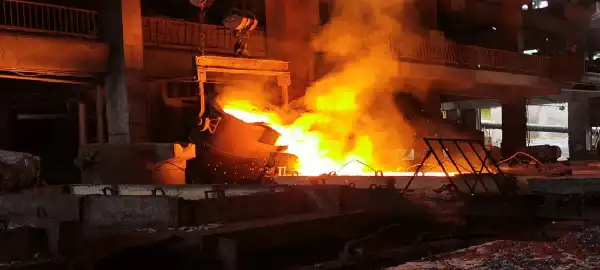
Understanding High Carbon Ferrochrome Furnace Technology
Core Operating Principles
Large Söderberg self-baking electrodes are buried deep inside the ore-coke charge bed to make a high carbon ferrochrome furnace work. The very high temperatures needed for chromite reduction are made by electrical resistance. In contrast to open electric arc furnaces, the buried arc design concentrates the reaction zone. This makes it easier to recover the metal and lowers the specific energy needed to around 3,500 to 3,000 kWh/t when everything is handled well.
Technological Evolution
Early open-top ferrochrome mining units used a lot of energy and were bad for the environment. Modern versions with a closed top get back CO-rich off-gas that has a calorific value of about 2.5 Gcal per ton of metal. This gas can be used to make electricity or heat up raw materials, turning a waste stream into a cost offset that can be measured. Real-time control of electrode positioning and power is now possible thanks to improvements in automation. This makes it easier to avoid mistakes during long production campaigns.
Environmental Compliance Standards
Regulations on chrome dust pollution are getting stricter in North America and around the world. Particulate emissions from facilities that follow ISO 14001 or EU Best Available Techniques (BAT) rules must stay at or below 10 mg/m³. Construction with a closed furnace is no longer an option in most places; it is required by law. Chrome particles that escape from the furnace are caught by dust control systems before they reach the workplace or the air.
Key Factors to Consider When Choosing a High Carbon Ferrochrome Furnace
The ferrochrome mining kiln you choose is a big investment that will have an impact on your plant's output, energy bill, and compliance with regulations for the next ten years. Before you agree, you should pay close attention to three areas.
High Carbon vs. Low Carbon Variants
When making AOD converter steel, high carbon ferrochrome (C: 6–8%) from a high carbon ferrochrome furnace is best because the oxidation of carbon during refining is exothermic, which means less energy is needed. Low carbon ferrochrome costs more to make and needs to be treated with more pressure or argon. In terms of cost, the high carbon version from a special burner is the best choice if you want to make austenitic stainless steel or high-alloy industrial steel.
Capacity and Energy Efficiency Metrics
The output volume is directly related to the transformer's capacity. Small units start at about 12.5 MVA, and big industrial furnaces can reach 75 MVA or more. Specific energy consumption above 4,000 kWh/t usually means that the raw materials were not prepared well or that the electrode depth was not set correctly. Compare any potential burner to written standards for chromium recovery. Reliable equipment should aim for recovery rates above 85%, and the best systems should achieve rates above 92%.
Maintenance and Lifecycle Planning
Campaign length is based on the integrity of the refractory lining. With the right slag chemistry control, carbon-block hearths and magnesia brick sides should last between 5 and 10 years. The quality of the electrode paste is the other important factor. If the paste recipe is bad, electrodes break, which is the most expensive type of downtime in ferrochrome operations. Before you buy from anyone, make sure you get a maintenance schedule and a promise that spare parts will be available.
Evaluating Suppliers and Brands: How to Make the Right Choice
Large European engineering firms and specialized Chinese companies with a lot of process experience are both in the ferrochrome furnace market. This is what makes a capable seller different from a basic equipment vendor.
Certifications and Quality Systems
A reliable company that makes high carbon ferrochrome furnaces has ISO 9001 quality management certification, ISO 14001 environmental certification, and ideally workplace health system qualifications as well. Patent portfolios that cover things like electrode holder design, sealed-furnace building, or slag control methods show that real engineering work has been done. Check certifications on your own instead of just believing what the brochure says.
Customization and Engineering Support
Standard furnaces from catalogs don't always work with the power source, raw materials, or size restrictions that are unique to a spot. It is measurable value that suppliers offer custom furnace design, smelting process optimization, on-site installation, and commissioning services. Ask the supplier for case studies that show how they changed the design of a furnace to fit a customer's chromite ore grade or grid voltage profile.
After-Sales Service and Spare Parts
When you have long equipment programs, you work with the same seller for years instead of months. Make sure the supplier keeps spare parts for important wear parts like electrode holders, refractory bricks, and cooling elements and can send technical staff to troubleshoot on-site. If your supplier doesn't have a formalized after-sales program, you could have expensive production gaps when parts break.

Procurement Guide: From Inquiry to Purchase
Getting a ferrochrome smelting oven is not a one-time deal, but an organized process. From the first question to the signed contract, there are several workstreams going on at the same time.
Requesting Price Quotes and Specifications
Send a thorough request for quote (RFQ) that includes the transformer capacity range (MVA), the electrode diameter needs, the goal chromium recovery rate, the site elevation, the power source voltage, and the standards for emissions compliance. A general question leads to a generic answer. Specific technical requirements force suppliers to give accurate prices and show that they really understand the process.
New vs. Used Equipment Considerations
New furnaces come with a full guarantee, use the latest refractory technology, and meet all current pollution standards. While used or restored units are cheaper up front, they need to be inspected by a third party to make sure the refractory is in good shape, the electrical system is checked, and the design is confirmed to meet current environmental standards. When uptime is a must for new projects or capacity increases, buying new equipment from a certified producer is almost always the safer option.
Negotiating Contracts and Warranty Terms
In addition to the unit price of a high carbon ferrochrome furnace, you should also talk about the length of the warranty (at least two years for major parts), the price of spare parts, commissioning milestones with penalties for missing them, and a long-term service agreement. When buying teams place bulk orders or multi-unit contracts, they have a lot of power over the prices and terms of service for each unit.
Advantages and Long-Term Value of High Carbon Ferrochrome Furnaces
Production Efficiency Gains
A well-designed ferrochrome furnace keeps the alloy's composition the same over long campaigns. Concentrated areas of high temperature ensure complete carbothermic reduction, which lowers the amount of metal lost through slag. Facilities that switch from older open-top furnaces to newer sealed submerged arc furnaces usually see a drop in the amount of energy they use and an increase in the amount of chromium they produce within the first quarter of production.
Environmental and Regulatory Benefits
Chrome particulate emissions are kept at or below 10 mg/m³ by a sealed furnace design and built-in dust collection systems. This meets U.S. EPA requirements and international environmental standards. Gas recovery systems turn waste gas into fuel that can be used, which lowers the facility's net carbon output. These features also improve corporate sustainability reporting, which has a bigger impact on how big stainless steel producers choose to buy materials.
Industry 4.0 and Smart Monitoring
Infrared thermography is used in modern ferrochrome furnaces to find shell hotspots, monitor slag basicity in real time, and control electrodes automatically. These tools change maintenance from fixing things when they break to doing things on a regular basis, which cuts down on unplanned downtime. Predictive maintenance data also increases the life of refractory campaigns, which lowers the cost of making one ton of metal over a 10-year cycle.
Conclusion
A high carbon ferrochrome furnace is an investment that will pay off over time. When buyers carefully consider technical factors like working temperature, electrode design, recovery rates, and emissions performance, along with a supplier's qualifications and promises for after-sales service, they make purchases that last for ten years or more. It mostly depends on how knowledgeable the supplier is in engineering and how good the refractory and electrode systems are that are chosen. One furnace that meets specifications on day one will not work consistently for eight years.
FAQ
What is the typical power consumption of a high carbon ferrochrome furnace?
Modern submerged arc furnaces made to melt ferrochrome use around 3,500 to 3,000 kWh per ton of metal. Using more than 4,000 kWh/t of fuel usually means that the raw materials weren't prepared properly or that the operation wasn't done efficiently, not that the furnace wasn't designed right.
Can the furnace process chromite fines?
Standard designs need lumpy ore so that gas can flow through the charge bed properly. If your feedstock has fines in it, it needs to be processed first into briquettes, pellets, or sintered material. When you feed raw fines without first treating them, charge hang-ups and dangerous gas explosions happen.
How long does a refractory lining last?
Carbon-block hearths and magnesia brick sidewalls can last between 5 and 10 years before they need to be fully relined. This is as long as the slag basicity is controlled and the temperature is managed properly.
How is phosphorus content controlled?
Phosphorus reacts with the metal while it's melting and can't be taken out of the furnace without spending a lot of money. Getting low-phosphorus coke and chromite ore from the start is important for quality control.
What emissions standards does a closed-top furnace meet?
Particulate emissions are kept at or below 10 mg/m³ with closed-top designs that have dust collection built in. This meets U.S. EPA standards and ISO 14001 environmental requirements.
Partner with Heyuanxin for Your High Carbon Ferrochrome Furnace Project
Over ten utility model patents and full ISO quality, environmental, and workplace health certifications are held by Shaanxi Heyuan New Metallurgical Electric Furnace Equipment Co., Ltd., which has been delivering approved ferrochrome furnace systems since 2008. Our 25MVA–80MVA high carbon ferrochrome furnace maker can recover more than 92% of the chromium with pollution below 10 mg/m³. For a personalized technical proposal, please email our engineering team at sxhyyj606@163.com or visit hyyjfurnace-supply.com right now.
References
1. INFACON XV: International Ferro-Alloys Congress Proceedings — 2018
2. Journal of the Southern African Institute of Mining and Metallurgy — 2020
3. Minerals Engineering — 2019
4. Steel Research International — 2021
5. ASTM A101: Standard Specification for Ferrochromium — ASTM International, 2017
6. ISO 5448: Ferrochromium — Specifications and Methods of Test — International Organization for Standardization, 2015


YOU MAY LIKE