
Can an Industrial Air Sealing Valve Reduce Energy Loss?
October 14, 2026
An industrial air sealing valve can directly reduce energy loss in metallurgical and industrial gas systems. When gas media like coal gas or natural gas escape through poorly sealed joints or worn components, your system works harder to maintain pressure, burning more energy in the process. A properly engineered gas sealing valve stops leakage at the source, stabilizes system pressure, and keeps your equipment running at peak efficiency. For steel mills, mining operations, and chemical processing plants, this translates into real, measurable cost reductions across every production shift.
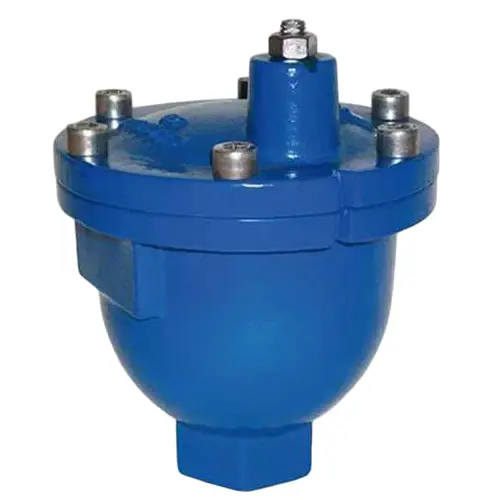
Understanding Industrial Air Sealing Valves and Energy Loss
What Is an Industrial Air Sealing Valve?
A gas isolation valve, also known as an industrial air sealing valve, is a precise control device that keeps gas media separate and sealed in industrial pipe systems. It blocks air from moving between pressure zones so that coal gas, natural gas, or inert gas can't escape. When furnaces work around the clock in industrial settings, even small leaks can add up to big energy losses that put a strain on both your budget and your environmental goals.
Common Leakage Points in Industrial Gas Systems
Leaking gas doesn't always make itself known. The most common places for failure in high-temperature furnace lines and smelting systems are worn seal faces, packing materials that have broken down, flange connections that aren't tight, and valve seats that have worn down from thermal cycling. The U.S. Department of Energy says that industrial plants can lose 20–30% of their total energy use because of compressed air and gas leaks. When you find these points and seal them, a good gas cutoff valve pays for itself very fast.
How Sealing Valves Work to Prevent Loss
A good sealing valve has two metal seals on opposite sides that work together to make a seal that doesn't leak, even when there is a big difference in pressure. When the valve is closed, the seal assembly physically stops the flow of gas. This keeps the system pressure stable. Heyuanxin's industrial air closing valve can work in temperatures ranging from -40°C to 600°C and pressures ranging from 0.1 MPa to 4.0 MPa. This means it can be used in even the toughest furnace and smelter situations.
How Industrial Air Sealing Valves Reduce Energy Loss
Seal Integrity as the First Line of Defense
Seal integrity is the main way that energy is saved. If the industrial air sealing valve does not leak at all when the pressure is high, your system doesn't need to make up for the lost gas volume. When furnace heaters keep the right amounts of fuel to air, heating efficiency stays the same, and your energy meters show the difference. People who work in plants that switch to precision-sealed valves usually say that they save 20 to 30 percent on gas costs.
Pressure Retention Across the System
Not only does the performance of each valve count, but so does the pressure holding across the whole network of pipes. One broken valve can cause a chain reaction of pressure drops that make fans and motors work extra hard. Heyuanxin's valves, which come in nominal sizes from DN50 to DN1000, are precisely made to meet the needs of the system. This way, pressure losses between parts stay within the limits set by the designers. This accuracy in sizing stops the waste of energy that happens when valves are too big or too small.
Fast Response for Automated Process Control
The gas closing valve from Heyuanxin can open and close in less than 5 seconds, which is very important for automatic control systems. Gas supply sequences must be able to quickly meet the needs of the electric arc furnace (EAF) and ladle furnace (LF). It loses gas during transition times when valves respond slowly. Because these valves can be opened and closed quickly, the flow of gas is perfectly timed with the process. This cuts down on waste during every heating cycle.
Comparing Industrial Air Sealing Valves to Regular Valves for Energy Efficiency
Sealing Performance Gap
Most isolation valves have a single seat and elastomeric seals that break down at high temperatures. An industrial sealing valve, on the other hand, is made with metal-to-metal seating that doesn't change shape at temperatures above 400°C. According to ANSI/FCI 70-2 leakage ratings, precision gas valves have Class VI (bubble-tight) performance, which means they let almost no volumetric leakage through. Class IV valves, on the other hand, allow measurable flow-through. This difference in how well the seals work directly leads to lower energy use.
When it comes to performance, specialty gas valves are different from normal ones in the following ways:
- Leakage rate: Industrial gas sealing valves target Class VI or metal-seat equivalent performance, while standard valves typically achieve Class III or IV, allowing measurable gas bypass even when "closed."
- Temperature tolerance: Standard valves with rubber seals fail above 200°C. Corrosion-resistant metal-seat valves handle up to 600°C, maintaining seal integrity throughout the full furnace operating range.
- Cycle speed: Standard manual valves require 30–60 seconds to operate. Purpose-built automated sealing valves complete a full cycle in under 5 seconds, reducing gas waste during process transitions.
Because of these performance gaps, steel mills and smelting plants that use regular valves in high-temperature gas lines see their seals fail faster, leak more, and have higher energy bills.
Automatic vs. Manual Valve Control
When automatic gas valve systems are linked to PLC or SCADA controls, they can react right away to changes in the process. When the industrial air sealing valve detects that the furnace's demand drops, it closes right away to stop the flow of gas that isn't needed. With manual valves, the response time depends on the operator, which can cause delays and mistakes. There is a clear payback calculation that shows that automatic valve control is a good way to manage energy for large EPC projects and continuous production facilities.
Material Compatibility and Corrosion Resistance
Chemicals are very harsh on the valves that handle coal gas in steel production. Standard carbon steel parts rust, pit, and leak over time. Heyuanxin's gas isolation valves are made of materials that don't rust and are rated for both the chemistry of gases and the thermal cycling of metalworking processes. This choice of material stops the seals from breaking down over time, which makes older valve systems less energy-efficient over time.
Selecting the Right Industrial Air Sealing Valve to Optimize Energy Savings
Matching Valve Parameters to Your Process
To find the right gas flow control valve, you need to know exactly what the process is. You need to know the range of temperatures that will be used, the working pressure, the pipe diameter, and the type of gas that will be used. Shaanxi Heyuan has a wide range of products, from DN50 to DN1000, that can handle pressures from 0.1 MPa to 4.0 MPa and temperatures from -40°C to 600°C. If you match these parameters perfectly, you can avoid both over-specification (more expensive and slower response) and under-specification (seal failure, leakage, and energy loss).
Certifications and Supplier Track Record
Buying choices for important parts of gas systems should be based on qualifications that have been checked out. Heyuanxin is a 3A-level credit enterprise and has ISO quality management system certification, environmental management system certification, and certification for its quality management system. It has been in business since 2008 and has more than 10 utility model patents. You can lower the technical risk of buying an industrial air sealing valve from a certified manufacturer with proven metallurgical expertise. This is because untested suppliers pose a greater risk.
Customization and After-Sales Support
Not all gas lines are the same. Heyuanxin lets you make changes based on the type of gas, the range of pressures, and the temperature. This is important for metalworking tools that aren't standard or old furnace systems that don't fit standard sizes. In addition to delivery, the company offers skilled technical advice and maintenance services after the sale. These are backed by a 400-person team that includes 11 top technical experts.
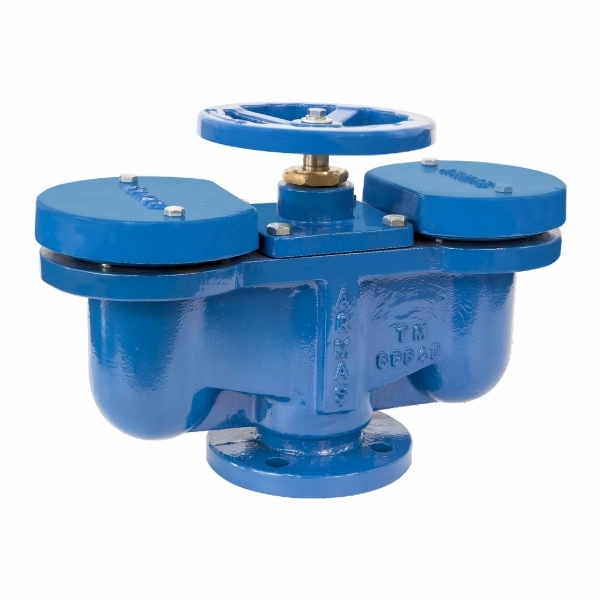
Maintaining Industrial Air Sealing Valves to Sustain Energy Efficiency
Inspection and Seal Replacement Schedules
Valve performance degrades gradually. In high-cycle or abrasive gas applications, monthly visual inspections catch seal wear before leakage develops. In cleaner environments, quarterly checks suffice. The key inspection items include seal face condition, actuator response time, and any visible corrosion at the valve body or flange connections. Replacing seals at scheduled intervals costs far less than the energy losses caused by a leaking valve running through an entire production quarter.
Predictive Maintenance Strategies
Modern gas valve maintenance goes beyond scheduled checks. Vibration analysis, acoustic leak detection, and cycle time monitoring can flag deteriorating performance before failure occurs. Facilities that adopt condition-based monitoring for their gas isolation valves report measurable reductions in unplanned downtime. Given that unplanned furnace shutdowns in steel production can cost tens of thousands of dollars per hour, early detection through predictive maintenance is a strong financial argument on its own.
Staff Training and Operational Protocols
Equipment reliability depends on the people operating it. Operators trained to recognize early warning signs — unusual valve travel times, abnormal sounds during actuation, pressure gauge fluctuations — catch problems before they become costly failures. Heyuanxin supports customers with technical training and consultation as part of its after-sales service commitment, helping plant teams build the operational knowledge needed to sustain long-term energy efficiency.
Conclusion
In industrial and metal heating systems, gas leaks are one of the most common ways that energy is wasted. If you choose the right gas closing valve and keep it in good shape, it will stop leaks at their source, keep system pressure stable, and save you money on your energy bills. Shaanxi Heyuan's industrial air sealing valve can handle temperatures up to 600°C and pressures up to 4.0 MPa. It comes in sizes DN50 to DN1000 and is a reliable way for steel mills, smelting operations, and furnace engineering companies to cut costs and be more environmentally friendly.
FAQ
How much energy can a gas sealing valve save?
Studies and field reports consistently show that eliminating gas leakage in industrial systems can reduce energy consumption by 20–30%. The actual savings depend on your current leakage rate, system pressure, and gas type. In high-volume metallurgical operations, even a 10% reduction in gas waste represents a substantial annual cost saving.
What materials work best for high-temperature gas applications?
For applications above 400°C, metal-to-metal seat designs outperform elastomeric seals. Corrosion-resistant steel alloys handle the chemical environment of coal gas and natural gas lines. Heyuanxin's valves are built for continuous service across the full -40°C to 600°C operating range, which covers virtually all metallurgical furnace and smelting applications.
Why choose automatic valves over manual ones?
Automatic valves respond to process changes in real time, preventing the gas waste that occurs during manual operation delays. For EAF and LF operations running automated control sequences, a valve with under 5-second actuation keeps gas supply synchronized with process demand, reducing waste during every heating cycle.
How often should seals be inspected?
In abrasive or high-cycle applications, monthly inspections are recommended. In standard industrial gas systems, quarterly checks are typically sufficient. Predictive monitoring tools extend inspection intervals by detecting wear patterns early.
Contact Shaanxi Heyuan — Your Industrial Air Sealing Valve Supplier
For more than 15 years, Shaanxi Heyuan has been designing gas separation solutions for steel mills, smelting operations, and industrial furnace projects in harsh work settings. Our industrial air sealing valve line includes valves from DN50 to DN1000 that seal completely and have no leaks. You can fully customize them, be sure that they are made to the highest standards, and get dedicated help after the sale. Get in touch with our technical team right away to talk about your gas system needs and get a quote. You can email us at sxhyyj606@163.com or go to hyyjfurnace-supply.com.
References
1. U.S. Department of Energy, Office of Industrial Technologies. Improving Compressed Air System Performance: A Sourcebook for Industry. 2003.
2. American Society of Mechanical Engineers. ASME B16.34: Valves — Flanged, Threaded, and Welding End. 2017.
3. Fluid Controls Institute. ANSI/FCI 70-2: Control Valve Seat Leakage. 2013.
4. International Organization for Standardization. ISO 5208: Industrial Valves — Pressure Testing of Metallic Valves. 2015.
5. Electric Power Research Institute. Energy Efficiency in Electric Arc Furnace Steelmaking Operations. 2019.
6. World Steel Association. Energy Use in the Steel Industry. 2021.


YOU MAY LIKE