What Makes a Movable Ladle Transfer Car Highly Safe and Reliable?
July 9, 2026
For ladle transfer processes to be safe and reliable, engineers have to make choices that take into account the high demands of working with molten metal. A Movable Ladle Transfer Car is very safe because it has a strong structure made of heat-resistant, high-strength materials; precise PLC control systems that make sure the movement is smooth to avoid spills; and extra safety features like emergency braking and overload protection. Reliability comes from having two motor drive systems that work in case one stops working, thermal protection that keeps critical parts safe from direct heat up to 1600°C, and precise placement technologies that keep the accuracy within 5mm. These vehicles have advanced Variable Frequency Drives (VFDs) that allow for soft-starting and wireless communication with plant control systems. This makes them a fail-safe way to move things in steel and continuous casting environments where accidents or downtime can have terrible results.
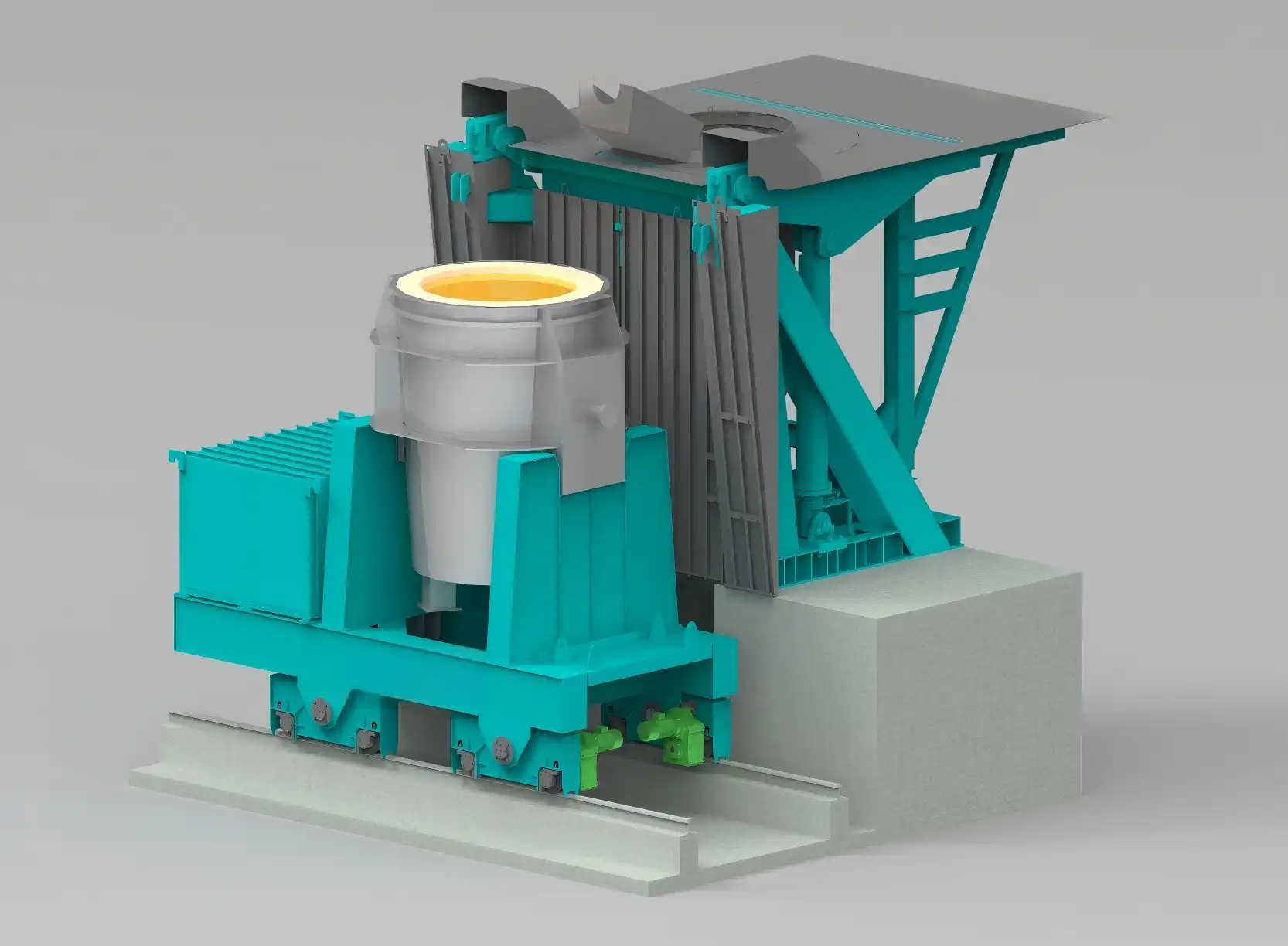
Understanding the Safety and Reliability Challenges of Movable Ladle Transfer Cars
The Harsh Operating Environment
In steel mills and foundries, no other business setting can solve these problems. When moving ladles full of up to 300 tonnes of molten metal at temperatures of up to 1600°C, the equipment has to deal with constant thermal radiation, abrasive dust, and mechanical stress that would destroy most material handling systems in no time. Every day, these problems are worsened by things in the environment, like changes in humidity, electromagnetic interference from nearby furnaces, and uneven floor surfaces.
Common Failure Points and Their Consequences
There are several major weaknesses in traditional transfer methods that have caused them to fail in the past. Outdated mechanical designs that don't have the right thermal safety can cause heat damage to electrical parts too quickly. If the user doesn't get enough training, quick acceleration or stopping can cause molten metal to splash, which is immediately dangerous. When repair plans don't include regular check times, problems like brake and bearing wear aren't noticed until they break down badly while the machine is running. Each event not only puts workers' safety at risk, but it also throws off production schedules and causes expensive delays in steelmaking processes that need to be done quickly because managing metal temperature is what decides the quality of the finished product.
Why B2B Buyers Prioritize Safety Standards?
Metallurgical companies that are looking at ladle transport tools know that safety has a direct effect on their ability to keep running and obey the rules. One accident can shut down production for days, lead to probes by regulators, and hurt the company's image, which can hurt its relationships with customers. Now, procurement teams want equipment that meets strict international safety standards and provides performance data from real-world setups that they can check. This change shows how the industry is moving toward "zero tolerance" safety cultures, where choosing the right Movable Ladle Transfer Cars is more important than just how much they cost at first.
Key Safety Features Ensuring High Reliability in Movable Ladle Transfer Cars
Advanced Structural Engineering
Modern Movable Ladle Transfer Cars are made with a box-girder frame made of Q345B high-strength steel that was designed with safety factors of 1.25 to handle both concentrated loads and heat expansion pressures. This way of building structures spreads the weight evenly across the body and makes it less likely to bend in harsh circumstances. The deck's surface is made of heat-resistant materials. It has multi-layer insulation systems with nano-aerogel pads and firebrick walls that protect motors, gears, and control electronics from damage caused by radiant heat. If a ladle leaks while being moved, the spill control tubes in the deck design will direct the molten metal away from important mechanical parts.
Integrated Safety Mechanisms
These cars' safety features work through multiple paths, so there is no single point of failure. Emergency brake systems feature both mechanical and electromagnetic action, allowing users to halt movement quickly even during power loss. Anti-derailment systems constantly check the balance of the wheels and resolve any small problems before they become dangerous. Overload safety sensors are built into the PLC processor and stop operation when the cargo exceeds the rated capacity. This keeps both the equipment and the people using it safe from failures caused by overloading.
Precision Control Technologies
The use of PLC control systems with soft-start Variable Frequency Drives (VFD) has made a big difference in improving operating safety. These systems figure out the best acceleration curves to keep the surface of the molten metal solid during start-up. This gets rid of the sudden jolts that older mechanical drive systems use to make splashing happen. When workers have remote controls, they can stay away from high-temperature loads while still having full working control. Wireless connectivity with plant MES and SCADA systems lets you check on the state of equipment, its speed, and its exact location in real time. This gives you a full picture of operations, which helps with proactive safety management.
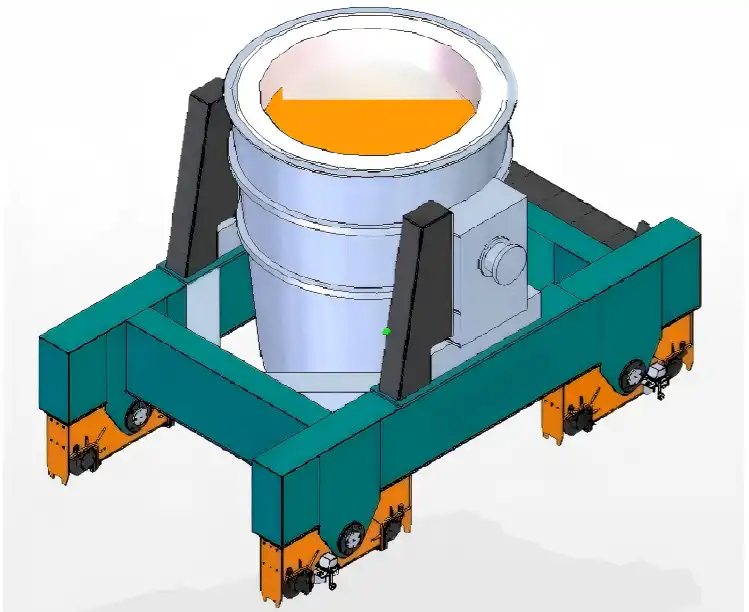
Types of Movable Ladle Transfer Cars and Their Impact on Safety and Reliability
Power Supply Configuration Options
Choosing between battery-operated, rail-powered, and cable reel-powered systems has a big impact on both how flexible they are and how safe they are. Low-voltage rail systems (KPD configuration) provide constant power for 24 hours a day, seven days a week, without the need for charging breaks. This makes them perfect for high-frequency transfer tasks in electric arc furnace operations. Cable reel systems (KPJ configuration) are good for shorter transport lengths where installing rails isn't possible. However, they need careful handling to keep the cables from getting tangled or damaged by heat. High-temperature battery pack systems (KPX configuration) give you the most route options for cross-bay transport in places that overhead cranes can't go. They also let you move around workplace floors without tracks and with differential steering for trackless Movable Ladle Transfer Cars.
Load Capacity and Structural Design Variations
Transfer cars made for different load ranges have safety systems and structural parts that are made to fit those load ranges. Units that can hold 100 to 150 tonnes usually have single-motor drives that work well for smaller foundries. Vehicles that can hold 200 to 300 tonnes have dual-motor configurations that provide practical support. If one motor stops working, the second motor can move the car to a safe place on its own, which keeps the liquid metal inside the ladle from solidifying during long stops. This extra safety measure is very helpful for keeping production going when a part fails.
Customization for Specific Metallurgical Processes
For automated filling operations, continuous casting lines need transfer cars that can precisely place themselves. These cars usually have rotary encoders and limit switches that can achieve an accuracy of ±5mm. For handling slag pots, better sealing is needed to keep coarse dust from getting into bearing systems and drive mechanisms. Installations in aluminium smelters benefit from surfaces that don't rust and can handle different levels of chemical exposure than those in steel mills. At Heyuanxin, we create custom configurations that meet these exact operational needs. We make sure that the safety features are perfectly in line with the production challenges and work patterns of each facility.
Maintenance Best Practices to Maximize Safety and Reliability
Systematic Inspection Protocols
Putting in place structured maintenance plans changes the reliability of tools from needing repairs all the time to being cared for before they break. Visual inspections should be done once a week to check the wheel surfaces for heat cracks, brake pad thickness, clamp stability, and damage to cables or connections that can be seen. Monthly thorough inspections include lubrication system checks, motor temperature tracking, and control system tests. Non-destructive testing (NDT) of important structural parts and wheel units once a year finds internal wear before it leads to failure. This is especially important because Movable Ladle Transfer Cars go through a lot of thermal cycling.
Critical Component Care
Wheels made from 42CrMo forged steel can handle heavy loads, but they need extra care when they're in hot places. Greasing the bearings with high-temperature grease every 300 hours of use keeps them from seizing up, and measuring the width of the wheels on a regular basis shows how much they're wearing down and tells you when to replace them. Brake systems need extra care because friction materials can break down faster when exposed to heat than when they are used at room temperature. To keep the damping effect that stops moves from jarring when starting up and stopping, hydraulic shock absorption devices need to have their fluids checked and their seals replaced on a regular basis.
Personnel Training and Emergency Preparedness
Maintenance technicians who work on Movable Ladle Transfer Cars need more training than just general repair skills. Understanding how thermal stress affects mechanical parts, spotting early signs of failure, and following the right lockout/tagout methods for high-voltage systems are all ways to keep technicians safe and make sure that work is done correctly. Teams that have been trained in emergency reaction are ready for situations like when the power goes out during an operation is full, and backup power systems must be used to move vehicles to emergency dump places before the metal hardens. Regular maintenance simulation drills show that teams can complete important tasks quickly and correctly, which builds trust and skills that can be used in real emergencies.
Procurement Considerations for Safe and Reliable Movable Ladle Transfer Cars
Evaluating Manufacturer Credentials
When choosing a Movable Ladle Transfer Car provider, it's important to look closely at their manufacturing skills and quality control systems. Getting ISO 9001 certification shows that you handle quality in a planned way, and getting environmental and workplace health certifications shows that you follow strict rules for running your business. Companies that have more than one utility model patent show that they are always coming up with new tech ideas that make things safer and better. Enterprise recognition at the provincial level and 3A credit scores are independent proof of a business's image and stability.
Balancing Cost with Total Value
The initial purchase price is only one part of the total costs of owning a transfer car over its useful life. Long-term running costs are greatly affected by comprehensive after-sales support, which includes guarantee coverage, spare parts availability, and quick expert help. Maintenance-friendly equipment with flexible design and easy-to-reach parts saves time and money on parts compared to systems that need to be taken apart into large pieces for regular upkeep. The energy economy has a direct effect on the costs of running a business with multiple jobs. Electric drive systems that use the right motors and are controlled by a VFD use a lot less power than systems that are too big or are controlled by a motor.
Strategic Supplier Partnerships
Metallurgical plants see equipment suppliers less as short-term vendors and more as long-term partners. Suppliers who offer full turnkey solutions, from design to completion and ongoing expert support, make it easier to keep track of projects and make sure everyone is responsible for their work. Customisation features that let standard designs be changed to fit the needs of a particular building without long lead times or high costs give businesses an edge in markets where production needs are always changing. Having access to engineering experts during the procurement part ensures that the specifications of the tools fit the needs of the business.
Conclusion
Engineers make choices about how to handle heat, keep the structure strong, make sure the controls work precisely, and make sure there are backup systems in place to make sure the hot metal transport equipment is safe and reliable. Modern Movable Ladle Transfer Cars combine these features with heat-resistant materials, PLC automation, dual-motor drives, and a wide range of safety features that protect workers and keep production going. Regular repair based on set procedures increases the life of equipment and stops it from breaking down without warning, which can cause problems with operations. Long-term happiness and operational success in challenging metallurgical settings are ensured by making purchasing choices that balance initial costs with total ownership value, manufacturer credentials, and customisation options.
FAQ
How does soft-start technology prevent molten metal spillage?
Soft-start systems use programmable logic controllers to handle Variable Frequency Drives and figure out the best acceleration rates based on the weight and spread of the load. Instead of a sudden mechanical contact that causes movement, VFDs slowly increase motor speed over several seconds. This keeps surfaces made of liquid metal steady. This controlled movement gets rid of the jolting that causes dripping, which is especially important when moving almost full ladles.
What happens during power failures while carrying molten steel?
Rail-powered Movable Ladle Transfer Cars have backup power systems that use either UPS units or supercapacitor banks to provide enough energy to release the brakes and move the car to marked emergency dumping points. Battery-powered types store enough extra power above and beyond what normal operation requires, just in case of an emergency. When these systems sense a loss of main power, they turn on automatically to make sure the car is in a safe place before the metal temperature drops too low.
How often should wheel assemblies undergo inspection in high-temperature applications?
Visual checks once a week to look for surface cracks and deformation can help you spot problems before they get too serious. Every 300 hours of use, wheels need to be oiled with high-temperature grease to keep the bearings in good shape. Ultrasonic or magnetic particle screening methods used once a year can find internal wear that can't be seen with the naked eye. This is especially important because temperature changes and heavy loads affect these parts throughout their service life.
Shaanxi Heyuan: Your Trusted Movable Ladle Transfer Car Manufacturer
Shaanxi Heyuan has all the options that metallurgical facilities looking for a trusted Movable Ladle Transfer Car provider could need; contact sxhyyj606@163.com. Since our founding in 2008, we have specialized in designing and manufacturing high-performance material handling systems designed especially for the demanding requirements of steel mills, foundries, and smelting operations. Our transfer cars can move loads weighing up to 300 tonnes and can go at speeds ranging from 0 to 60 m/min. They are powered by AC 380V/50Hz systems that work with the plant's current infrastructure. Each car has PLC control that can be used from a distance, emergency stopping systems, and thermal protection that can handle temperatures up to 1600°C. We have more than ten utility model patents that show our dedication to innovation, along with ISO 9001 recognition and qualifications for our environmental and occupational health management systems. Our products stand out in competitive markets because they can be customised to fit your unique metallurgical processes, come with full after-sales support, and use energy-efficient designs that lower running costs.
References
1. American Society of Mechanical Engineers (2019). "Safety Standards for Material Handling Equipment in High-Temperature Industrial Applications." ASME Technical Publication Series B-456.
2. International Iron and Steel Institute (2020). "Best Practices for Molten Metal Transport Systems in Modern Steel Mills." IISI Operational Guidelines, Volume 12.
3. National Fire Protection Association (2021). "Thermal Management and Fire Prevention in Metallurgical Material Handling." NFPA Industrial Safety Standards, Chapter 8.
4. Society of Manufacturing Engineers (2018). "Precision Control Systems for Heavy-Duty Industrial Transport Equipment." SME Engineering Handbook, Third Edition.
5. World Steel Association (2022). "Equipment Reliability and Maintenance Protocols for Continuous Casting Operations." WSA Technical Report Series 2022-03.
6. Occupational Safety and Health Administration (2020). "Guidelines for Safe Operation of Ladle Transfer Systems in Steel Production Facilities." OSHA Industrial Safety Publication 3371.


YOU MAY LIKE