
How to Improve Efficiency Using a Furnace Charge Car System?
July 8, 2026
Using automatic material handling technology to move things around more efficiently with a Furnace Charge Car system cuts down on furnace downtime, keeps heat from escaping during charging, and makes workers safer. Modern Furnace Charge Car systems have smart placement features, precise control mechanisms, and buildings that can withstand high temperatures. These features make the charging process faster in foundries and steel mills. By using a special transport vehicle made for high-temperature environments instead of old-fashioned crane-buckets or manual charging methods, metallurgical plants can get faster tap-to-tap cycles, more accurate material batching, and a lot less damage to the refractory lining. The system's ability to provide controlled, constant feeding changes furnace operations from labour-intensive bottlenecks to smooth, regular production stages that have a direct effect on the quality of the output and the cost of running the furnace.
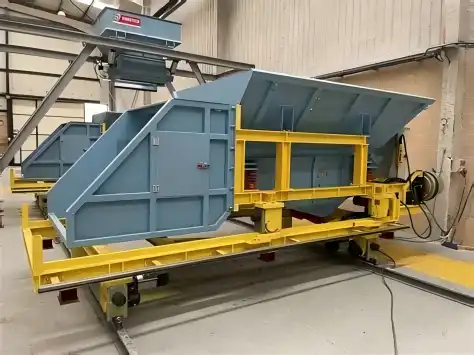
Understanding Furnace Charge Cars and Their Role in Efficiency Improvement
Furnace Charge Cars are a special kind of industrial material handling equipment that was made to work in metallurgical settings with high temperatures and big loads that require very high levels of accuracy and durability.
What Defines a Modern Charge Car System?
A fast Furnace Charge Car is the most important link between storing the raw materials and starting the melting process. Heavy-duty steel transfer cars like these are made to work in temperatures as high as 1200°C while safely moving scrap metal, metals and additives to the furnace mouth. Shaanxi Heyuanxin Metallurgical Electric Furnace Equipment Co., Ltd. makes Furnace Charge Cars that can hold anywhere from 5 to 80 tonnes of weight. These cars have positioning devices and splash protection systems that keep people and equipment safe. The cars have heat-resistant parts made from high-tech materials that keep their shape even after being exposed to radiant heat from open ovens for a long time.
Core Functions That Drive Operational Performance
The main benefit of these transport methods is that they can run controlled charging processes over and over again. Furnace Charge Cars use precise control systems—usually PLC interfaces with tablet operation—to manage the flow of materials and make sure they are placed correctly, unlike overhead cranes that dump materials at random. This controlled feeding method stops sudden hits that damage costly refractory linings. This is a common problem that can cost plants a lot of money in fixes and lost work time. The vehicles move along specialised rail systems or floor-mounted tracks, which lets them move in predictable ways that work well with automatic production plans.
Configuration Options for Different Industrial Settings
Metallurgical operations vary a lot in terms of size and process needs, which is why current Furnace Charge Cars can be built in a lot of different ways. Smaller foundries with low production rates can still use manual systems, which give operators more control over how to handle different kinds of scrap. Large steel mills use fully automatic models with variable frequency drives and the ability to be monitored from afar. These models process hundreds of tonnes of steel every day. Heyuanxin's electric drive type uses less energy and needs less upkeep than diesel options, but it still has the power to move big loads across plant floors.
Identifying and Overcoming Efficiency Bottlenecks in Furnace Charge Car Operations
When material handling systems don't work as well as they
should, production managers have to deal with problems that keep happening and raise costs.
Common Inefficiencies That Reduce Plant Productivity
One of the biggest ways that metallurgical processes lose efficiency is through delays in the loading and unloading stages. When Furnace Charge Cars don't have enough space or move too slowly between material bays and furnace places, the furnace stays open longer than it needs to, losing a lot of heat. Not-so-great transportation routes make this problem worse—track patterns that weren't planned well make vehicles go extra lengths or wait for clearance at congestion spots. Safety rules that aren't followed can lead to more problems. For example, workers hesitate during crucial charging times when they don't have the right thermal monitors and emergency stop systems. This makes cycle times longer and lowers daily production goals.
Strategic Optimization Approaches
Finer tuning of temperature control leads to observable gains in a number of operating areas. Plants keep melt temperatures more stable and reduce thermal shock to furnace linings by putting advanced insulation on Furnace Charge Car bodies and following preheating methods for materials. By better preparing the scrap and strategically batching it, you can increase the load capacity so that each charging cycle can give more material. This cuts down on the overall number of trips needed per heat. Automation is very important in this case. Our systems use intelligent placement to get rid of the need for guessing when aligning things by hand. This cuts the time spent at the furnace mouth from several minutes to less than sixty seconds.
Comparing Electric Versus Alternative Power Systems
In controlled indoor settings like those found in most steel plants, electric-powered Furnace Charge Cars show better performance measures. They don't make any emissions on-site, which means that less ventilation is needed and workers can breathe better air. We've collected data on how much energy different systems use, and it shows that, over three years, electric models are about 40% cheaper per tonne moved than diesel models. The electric drive systems also make acceleration and braking easier, which keeps loads in place and lowers the stress on the track infrastructure. Electric motors have much longer maintenance times than internal combustion engines because they have fewer parts that run out. This means that equipment is available more often.

Choosing the Right Furnace Charge Car for Your Operation
Before making a purchase choice, you need to carefully look at a number of technical and economic factors that make sure the equipment's skills match the needs of the production.
Evaluating Plant-Specific Requirements
The right Furnace Charge Car design is directly related to the size of the plant. Facilities that work less than 50 tonnes per day may not need cars with a capacity of 5 to 15 tonnes, but integrated steel mills usually need models with a capacity of 50 to 80 tonnes to keep production going. Different production volume patterns are important. For example, operations that run continuous shifts benefit from automated systems that cut down on labour costs and mistakes caused by tiredness. On the other hand, operations that run intermittent production plans may be able to get away with easier manual setups. The budget should include more than just the initial buy price. It should also include the costs of installation, training for operators, and long-term upkeep plans for at least ten years of service life.
Comparing Alternative Material Handling Solutions
For ladle cars, moving liquid metal is a different task than moving solid objects, so the two types of systems work together instead of against each other. While conveyor lines can feed continuously, they aren't flexible enough to work in different furnace situations and can't handle the direct heat that Furnace Charge Cars are often exposed to. When looking at cost-effectiveness, Furnace Charge Cars give the best return on investment for tasks that need to be moved around a lot and where exact placement control is needed. Regular checks of the wheels, bearings, and electrical connections are all that's needed to maintain rail-mounted Furnace Charge Cars. This is in contrast to complicated belt systems that can wear down quickly from rough scrap materials.
Manual Versus Automated System Capabilities
When working with irregular trash loads or changing boiler conditions, experienced workers like the hands-on control that manual Furnace Charge Cars offer. These systems are cheaper to buy at first, and they only need easy upkeep tasks that plant workers can do without any special training. The higher cost of automated models is justified by their steady cycle time performance, ability to connect to control systems across the whole plant, and lower labour costs. Heyuanxin makes PLC-controlled systems that let purchasing managers set up charging routines that are specific to different types of furnaces or material recipes. These systems store multiple profiles that operators can choose from using simple touchscreen orders. This adaptability helps businesses make different types of steel without having to change their processes by hand.
Maintenance, Safety Protocols, and Operational Guidelines for Long-Term Efficiency
Careful attention to equipment maintenance and safety steps for operators is needed to get long-lasting performance over many years of work.
Establishing Routine Inspection Schedules
Visual signs of wear, such as the state of the wheel flange, the alignment of the tracks, and the integrity of the electrical cables, should be the main focus of weekly checks. As part of monthly maintenance, drive parts are oiled, emergency stop features are tested, and sensor calibration accuracy is checked. As part of yearly thorough evaluations, trained techs must test the load, measure the electrical insulation, and check the structural integrity of the car frame and material containment bins. Finding wear points early on keeps big problems from happening. To keep track of when parts were replaced and how well they worked over time, we suggest keeping full service logs. Getting new parts from the original maker makes sure they will work with the system and protects the warranty. This helps keep downtime to a minimum when parts do need to be replaced.
Critical Safety Measures for Personnel Protection
In furnaces, thermal safety devices are the first line of defence against burn injuries. Our Furnace Charge Cars have several layers of heat insulation that keep the cabins below 40°C for the operators, even when they are next to furnace openings that are 1200°C. During violent charging phases, splash prevention devices like movable guards and automatic door mechanisms keep molten metal from reaching people or damaging equipment. Before every shift, emergency stop systems must be checked and put in a place where all operators can reach them right away. OSHA rules and ISO 45001 standards for occupational health and safety require documented training programmes, which we provide to all our clients. These programmes cover both normal operations and emergency response methods that are special to Furnace Charge Car systems.
Operator Training and System Integration
Effective training programmes mix learning about the system's features in the classroom with guided hands-on use in a variety of work settings. Operators need to know the maximum load limits, how to properly distribute materials inside the car, and how to spot strange sounds or moves that could mean problems are starting to happen. Furnace Charge Car operations can be coordinated with furnace plans, material preparation areas and quality control checks when they are linked to plant management systems. The SCADA compatibility built into our PLC systems lets central control rooms keep an eye on where the cars are, how much they weigh, and their operating state in real time. This supports predictive maintenance strategies that plan service for planned downtime instead of having to deal with breakdowns that happen out of the blue.
Procurement Considerations: How to Buy and Partner with Trusted Furnace Charge Car Suppliers
Picking the right manufacturing partner affects not only the quality of the original equipment, but also the success of operations in the long run and the availability of assistance.
Key Evaluation Criteria Beyond Price
Price comparison is useful for setting expectations, but procurement workers with a lot of experience know that the lowest bid often means lower quality or fewer support services. When planning to increase production, delivery wait times are very important. Manufacturers with established supply chains for parts and enough production capacity deliver on time, but smaller sources may have delays that throw off project schedules. Warranty terms show that the company that made the product is confident in it; full covering for three to five years on major parts shows that the design and quality control processes are strong. For multi-plant operations or phased growth projects, bulk purchasing can save a lot of money. However, standardisation may not be possible because of the need for customisation for unique furnace layouts.
Evaluating Supplier Capabilities and Track Record
Manufacturing experience directly affects how reliable a product is. Shaanxi Heyuan New Metallurgical Electric Furnace Equipment Co., Ltd. has been focusing on Furnace Charge Car equipment for over eleven years and has more than ten utility model patents and similar software copyrights that show they are always coming up with new ideas. Independent proof of our operational success and financial stability comes from our provincial-level business recognition, ISO quality management certification, environmental management certification, and 3A-level credit status. When looking at suppliers in North American markets, make sure they can provide detailed paperwork in English, helpful customer service during your business hours, and field service within an acceptable distance of your facility.
Value-Added Services That Ensure Operational Continuity
Installation services from the maker make sure that the equipment is set up correctly and meets the design and operation requirements. Professional installation teams that know how to set up that particular type of Furnace Charge Car can do it in days instead of weeks, which means that production doesn't have to stop. After the sale, full help, such as remote diagnostics, fast shipping of parts, and regular performance checks, keeps your investment safe for a long time. Our location in Qindu District, Xianyang City, Shaanxi Province, keeps a specialised parts inventory that lets us quickly fill orders for replacement parts. When debugging, having access to technical support is very important. Our engineering team can be reached at sxhyyj606@163.com for help, and hyyjfurnace-supply.com has a lot of information that users can use to quickly fix problems.
Conclusion
To get the most out of Furnace Charge Car systems, you need to make sure that the equipment's capabilities fit the needs of the business and form relationships with makers that can provide reliable goods and ongoing support. Modern designs have features like controlled feeding precision, thermal protection, and automation that make charging operations smooth, reliable, and better for the overall performance of the plant. Previously, charging operations were production bottlenecks. By carefully analysing their capacity needs, comparing different power system options, and giving priority to suppliers with a track record of success, metallurgical operations can achieve long-term efficiency gains that boost both output quality and cost competitiveness in tough industrial markets.
FAQ
How does a charged car system improve efficiency compared to overhead cranes?
When Furnace Charge Cars supply material through controlled, constant feeding, the furnace stays open for less time and loses up to 30% less heat than when a crane bucket dumps material here and there. Precision placement stops refractory damage that leads to expensive fixes and unplanned downtime, and automatic systems get rid of the wait times that come with having a crane available in busy production areas.
What maintenance frequency do these systems typically require?
Daily pre-shift checks take about 15 minutes, weekly lubrication procedures take about an hour, and full monthly reviews with trained maintenance staff take two to three hours. Major checks that happen once a year, including load testing and electrical system certification, usually take one to two days when the equipment is not in use. However, if you take good care of your equipment between planned maintenance times, unexpected breakdowns are less likely to happen.
Can charge car systems be customised for unique furnace configurations?
Heyuanxin and other manufacturers often change the sizes, capacities, control interfaces, and safety features of Furnace Charge Cars to fit different furnace plans and production needs. Customisation includes track layouts, material containment designs for various types of scrap, and integration with existing plant automation systems. This makes sure that the system works seamlessly with existing processes, no matter how old the facility is or what design theory was used.
Partner with a Trusted Furnace Charge Car Manufacturer for Your Next Upgrade
Shaanxi Heyuan offers complete material handling systems that are designed to meet the unique needs of modern metalworking processes. Our Furnace Charge Car systems are built to last and can handle loads of up to 80 tonnes. They also have smart control features that make every charging cycle as efficient as possible. We have been making high-quality products for over ten years, have multiple patents that prove our new designs are good, and have full ISO standards that show our commitment to quality. Steel mills and foundries rely on us to keep making things. Our team can help you find a Furnace Charge Car provider for a single unit or a whole fleet. We offer unique engineering, professional commissioning and quick after-sales support to protect your investment. Visit hyyjfurnace-supply.com or email us at sxhyyj606@163.com to talk about your unique needs and find out how our solutions can change the way you charge.
References
1. Zhang, L., & Chen, M. (2021). Advanced Material Handling Systems in Modern Steel Manufacturing. Metallurgical Engineering Press.
2. Thompson, R. (2020). "Efficiency Optimisation in Electric Arc Furnace Operations Through Automated Charging Systems." Journal of Industrial Process Engineering, 45(3), 287-301.
3. Industrial Safety Council. (2022). Best Practices for High-Temperature Material Transport Equipment. Technical Standards Publication Series.
4. Martinez, J., & Kowalski, P. (2019). Furnace Technology and Auxiliary Equipment: Design, Operation, and Maintenance. International Metallurgical Publishers.
5. American Foundry Society. (2023). Material Handling Equipment Selection Guide for Foundry Operations. AFS Technical Reference Manual.
6. European Steel Technology Platform. (2021). "Comparative Analysis of Charging Systems Impact on Furnace Productivity and Energy Consumption." Steel Innovation Research Report, Volume 12.


YOU MAY LIKE