
What industries rely on electric submerged arc furnace Technology?
July 10, 2026
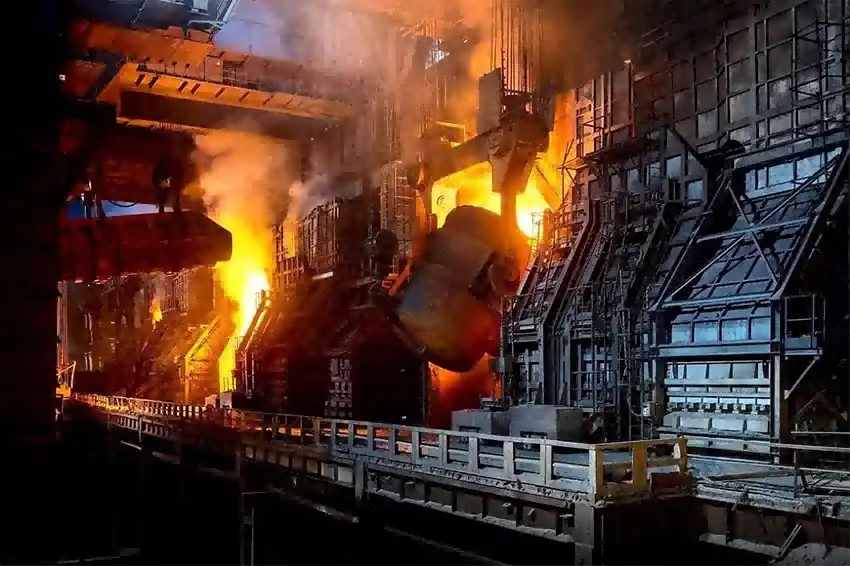
Electric submerged arc furnace technology powers some of the world's most difficult industrial processes. Chemical synthesis, ferroalloy production, and steel making are all industries that depend on this specialised equipment, as it can reach and maintain high temperatures while losing as little energy as possible. The buried arc design keeps heat in the charge material, which makes the perfect reducing conditions needed to turn raw ores into high-purity metals and alloys that modern industry can't work without.

Understanding Electric Submerged Arc Furnace Technology
Core Operating Principles
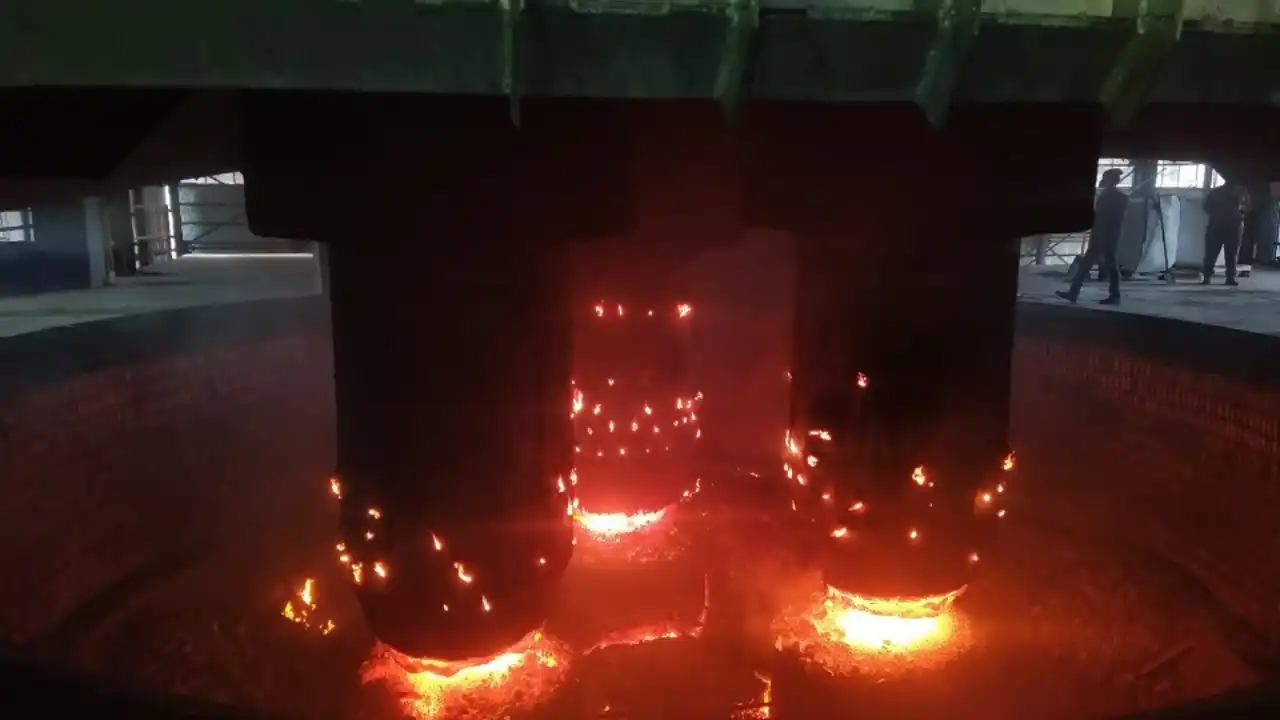
The way this technology works is what makes it unique. In open-arc systems, the electrodes are above the charge. In electric submerged arc furnaces, the carbon electrodes are buried deep inside the raw material. Two processes happen at the same time that create heat: electrical resistance heating occurs as current flows through the conductive slag and charge layers, and there is also localised micro-arcing at the electrode tips. This hidden arrangement makes an insulating blanket effect, where rising process gases warm up falling raw materials, and the charge on top of them catches radiant heat that would otherwise escape. This leads to thermal efficiency rates that are much higher than those found in regular open-arc or blast furnace processes.
Technical Architecture and Design Features
Shaanxi Heyuan designs its systems with power ranges from 6300kVA to 72000kVA so that they can be used by a wide range of production sizes, from small-scale speciality metal makers to large-scale industrial operations. The architecture's electrical systems usually work with low voltages of 100V to 1000V and can handle very large current loads of tens of thousands of amps. In order to keep reactive power losses to a minimum, this calls for special transformer designs and short copper busbar net systems. In our ovens, we use either Söderberg self-baking electrodes or pre-baked carbon electrodes. They are controlled by precise hydraulic slipping devices that keep the right depth of exposure. The water-cooled shell and roof design, along with refractory linings made of carbon block or magnesia materials, keeps the structure strong even when it's being used at high temperatures all the time. Every system combines PLC controls with a SCADA interface, which lets you watch the process in real time and plan repairs ahead of time, which cuts down on unplanned downtime.
Energy and Environmental Performance
Modern electric submerged arc furnace systems have power factors higher than 0.92, which indicates that they pay close attention to how efficiently they use electricity, which directly leads to lower running costs. Modern designs offer closed or semi-closed setups that collect process fumes, mostly carbon monoxide, which can then be used for chemical feedstock or energy recovery. That heavy industry is under more and more pressure to meet tighter environmental rules without hurting production costs can be helped by the dual benefit of lower emissions and restored energy value. Integrated dust collection systems improve workplace safety and reduce environmental impact. This advantage means that these burners can be used in places with strict air quality rules.
Key Industries That Depend on Electric Submerged Arc Furnace Technology
Ferroalloy Manufacturing Sector
The ferroalloy business is the main group of people who use electric submerged-arc furnace technology. To make ferrosilicon, ferrochrome, ferromanganese, and silicomanganese, temperatures must stay above 1800°C for a long time, and silicate and chromite ores must be exposed to strong reducing atmospheres that can remove oxygen. This kind of metalworking setting is exactly what electric submerged arc furnace devices do best. Every year, millions of tonnes of ferrosilicon are made. It is an important deoxidiser and alloying element in steelmaking. Ferrochrome production for making stainless steel is another giant use, and how cost-effectively you can process low-grade chromite ores sets your place in the market. The production of silica, manganese and ferromanganese also depends on this technology's ability to deal with complicated rock chemicals while still meeting product standards. The stable thermal profile and continuous operation of electric submerged arc furnace systems directly meet the needs of the ferroalloy sector for reliable product chemistry and little change from batch to batch.
Silicon Metal and Industrial Silicon Production
Electric submerged arc furnace technology is almost the only way that silicon metal is made for aluminium alloying, chemical synthesis, and semiconductor-grade polysilicon material. To reduce quartz with carbonaceous reductants, the process needs temperatures higher than 2000°C. Semi-closed furnace designs let workers balance the need to control process gases with the need to be able to get to the load surface for silicon tapping tasks. Industrial silicon must be very pure, especially types that will be used in electronics. To do this, electric submerged arc furnace systems, which are contained, make it easier to tightly control contamination sources. In North America and Europe, factories use this technology to serve the growing solar photovoltaic industry, as well as companies that make aluminium for cars and rubber.
Chemical Industry Applications
Making calcium carbide is one of the main chemical uses for electric submerged arc furnace technology. At temperatures above 2000°C, turning lime and coke into calcium carbide is possible. The product is a building block for making acetylene gas and other chemicals. Fully closed furnace designs collect the carbon monoxide waste so that energy can be recovered. This approach makes the process much more cost-effective. In addition to calcium carbide, phosphorus production is another new use for the technology. Its ability to work with complicated ore mixtures and keep exact temperature levels makes extraction cost-effective. The chemical uses shown here demonstrate that electric submerged arc furnace systems can do more than just metalworking.
Steel Industry Support Functions
In traditional steelmaking, different types of furnaces are used. However, the steel industry relies heavily on ferroalloys and silicon products made in electric submerged arc furnaces. To make one tonne of stainless steel, ferrochrome has to be added. Ferrosilicon and ferromanganese are used to remove oxygen and mix metals to make carbon steel. Because of this indirect dependence, electric submerged arc furnace technology is an important part of steel supply lines, even when it's not used directly in steel plants. Some combined operations use electric submerged arc furnace units to make their own ferroalloy sources, which ensures that steelmakers can always obtain what they need and monitor the chemistry.
Comparing Electric Submerged Arc Furnaces with Other Furnace Technologies
Performance Versus Electric Arc Furnaces
Electric submerged arc furnace systems and electric arc furnaces used to make steel work in very different ways. EAFs use open arcs above the metal charge to send out intense radiation that melts scrap steel or straight reduced iron. This open-arc setup works well for melting, but not so well for reduction smelting, where careful control of the atmosphere is important. When used for reduction, electric submerged arc furnace systems are more thermally efficient because they keep heat in the charge and use the weight on top as shielding. When making ferroalloys or using pyrometallurgical reduction methods, electric submerged arc furnace designs are usually better because they use less power per tonne of product.
Advantages Over Blast Furnace Technology
Traditional blast furnaces need a lot of money to be put into them, have to be run all the time to keep the refractory in good shape, and give off a lot of pollution. With shorter campaign life needs, easier servicing access, and better emissions control through built-in gas capture systems, electric submerged arc furnaces give operators more options for how they run their businesses. Electric submerged arc furnace technology is appealing to companies that make speciality alloys and sell them in markets where demand changes often because it lets them start and stop activities with less economic damage. When it comes to choosing raw materials, production freedom also includes electric submerged arc furnace systems, which can handle bigger and better differences in ore quality and size than preparing the burden for a blast furnace.
Differentiation From Induction Furnace Systems
Induction furnaces are particularly effective for melting things where the charge material is already electrically conductive. They don't work as well for reduction smelting from oxide ores because they start out as insulators and need resistance and spark heating to get going. This change is handled smoothly by electric submerged arc furnace technology, which gradually heats the charge until slag forms, which provides the electrical medium needed for long-term operation. Scale also works in favour of electric submerged arc furnace systems; in ferroalloy production, units with more than 70 MVA of power are common, while at those sizes, induction systems aren't cost-effective.
Procurement Considerations for Electric Submerged Arc Furnaces in Industrial Applications
Evaluating Capacity and Scale Requirements
To make sure that the capacity of your furnace matches your production goals, you need to carefully look at how much material you're processing, how much energy you're using, and how efficient your operations are. Our electric submerged arc furnace systems, which range from 6300 kVA to 72000 kVA, can handle production levels ranging from small speciality shops that handle a few thousand tonnes a year to large industrial plants that handle over 100,000 tonnes a year. Undersizing leads to production delays and unprofitable working conditions; oversizing raises capital costs for no reason and can cause poor partial-load operation. We help our customers determine the best furnace size by modelling their unique material chemistries, production numbers, and plans.
Electrode System Selection
When deciding between Söderberg self-baking electrodes and pre-baked carbon electrodes, you have to weigh the costs of capital, the difficulty of operation, and the impact on the environment. The Söderberg systems have lower starting electrode costs and easier handling because the working electrode is made of paste all the time. But you need to manage them carefully in the baking zone, and they give off stray emissions while they bake. Pre-baked electrodes work better and produce fewer fumes, but they cost more up front and need more complex handling systems. The environmental permit requirements at your location, the available technical knowledge, and the regional electrode supply chains all affect this choice.
Supplier Assessment and Partnership Evaluation
When choosing an electric submerged arc furnace provider, you need to look at their manufacturing skills, engineering knowledge, and long-term support infrastructure. We have over fifteen years of specialised experience in mining electric furnace equipment and hold more than ten utility model patents and software copyrights, which demonstrate that we are always coming up with new ideas. Our ISO 9001, ISO 14001, and OHSAS 18001 certifications provide third-party approval of our quality control, environmental responsibility, and safety at work processes. When looking at possible providers, check how many of their products are already installed in the application you want to use, ask for client examples from production settings that are similar to yours, and see how quickly their technical support teams are. Because the relationship lasts decades after the first commissioning, provider security and dedication to the metallurgical industry are important factors in the selection process.
Building Trust: Leading Electric Submerged Arc Furnace Suppliers and Brands
Global Manufacturing Footprint and Local Support
Reliable providers have both advanced manufacturing skills and service networks that are easy to access. Our cutting-edge factory in Xianyang City, Shaanxi, Heyuanxin Metallurgical Electric Furnace Equipment Co., Ltd., offers precise engineering and full quality control at all stages of production. From South Korea to Paraguay, foreign markets use our electric submerged arc furnace equipment. This indicates that it can adapt to different governing settings, power grid features, and operating practices. This large installed base around the world gives us a lot of information about applications and ideas that have been used before, which lowers the technical risk for new installations. When it comes to maintenance needs or resolving work problems, the availability of local help is very important. Check to see if possible providers have local service centres, keep important spare parts in stock in the United States, and hire field service engineers who know how to fix your furnace's particular setup.
Technological Innovation and Product Development
Automation, process control, and materials science are all making progress in the metallurgical equipment business. Our modern electric submerged arc furnace electrode control systems make the best use of the three-phase electrical setup to distribute energy evenly. This keeps the loads from being too uneven, which speeds up the wear of the refractory and lowers efficiency. Innovative designs for furnace shells keep heat in longer and make upkeep easier. Integrated dust collection devices make the workplace safer by collecting small particles where they come from. Real-time tracking and predictive maintenance tools help find problems before they cause shutdowns that weren't planned. When looking at providers, you should look at how much they spend on research and development, how many patents they have, and how willing they are to make ideas fit specific needs. The best partnerships allow both parties to work together to solve problems, using the supplier's experience and your practical knowledge to get the best results.
After-Sales Support and Lifecycle Services
Maintenance quality and the supply of parts have a big impact on how long equipment lasts and how reliably it can be used in production. We offer full after-sales support for every electric submerged arc furnace, including advice on regular upkeep, expert help in an emergency, and the supply of genuine extra parts. To keep the design working, important supplies like electrode contact systems, water-cooled parts, and refractory materials must meet the original equipment specs. When you buy cheap replacement parts that don't last long, they cause earlier breakdowns and damage to systems nearby. Our flexible design philosophy makes it easy to add on to or change things as your production needs change or as new technology comes out. This lifecycle method saves your capital investment by making the furnace useful for a lot longer than the average campaign length.
Conclusion
Electric submerged arc furnace technology is used in many important industries, such as making ferroalloys, silicon metals, calcium carbide, and other related metalworking processes. This equipment is necessary for current metallurgical processes because it is thermally efficient, can reduce materials, and can be used in a variety of ways. Understanding the specific needs of the application and carefully checking the capabilities of the seller are important for a good execution that gives long-lasting practical value. The technology has been used successfully in many different situations and places around the world, showing that it is reliable and flexible enough for harsh industrial settings.
FAQ
What maintenance requirements should we expect?
As part of regular upkeep, the electrodes are managed, the refractory is inspected, and the cooling system works well. To keep the right submerging level, electrode slipping rates need to be checked every day. Water-cooled parts need to be checked from time to time for rust or scale growth that makes them less effective at cooling. During planned downtime, the state of the refractory lining is checked, and wear spots are fixed locally before they become a threat to the shell's stability. Fluid analysis and seal cleaning must be done regularly on hydraulic systems. Carbon-based linings can last more than five years with the right care, and well-kept furnace shells can be relined many times over the course of decades.
How do energy costs compare to alternative technologies?
Specific energy use depends on the type of output and raw material, but for ferroalloy production, it usually falls between 8,500 and 11,500 kWh per tonne. The hidden arc structure cuts down on the radiant heat losses that happen with open-arc systems. This means that 15 to 25 per cent less energy is used than with older furnace designs. Optimising the power factor and compensating for reactive power both lower the cost of electricity even more. When looking at the total energy costs, you should think about the leftover gas capture options that come with closed furnaces. These can offset 10 to 15 per cent of the energy that is put in by recovering waste heat.
What safety protocols are essential for operation?
Because of the high currents involved, workers must always be aware of the electrical risks. To keep dangerous possible differences from happening, grounding systems need to be checked and tested on a regular basis. Handling molten metal and slag requires a lot of training and the right safety gear for each person. Process gas management is very important. For example, carbon monoxide created during reduction processes can be fatal, so the atmosphere must be constantly monitored, and ventilation must be controlled. Because hydraulic systems work at high pressures, they need to be maintained using the right lockout/tagout methods. Setting up clear operational processes and making sure that employees are properly trained is the first step to making sure that operations are safe.
Partner with Shaanxi Heyuan for Your Electric Submerged Arc Furnace Needs
Shaanxi Heyuan New Metallurgical Electric Furnace Equipment Co., Ltd. is ready to use our many years of experience to help you solve your problems with metal output. As a well-known company that has installed electric submerged arc furnaces in several countries, we can make solutions that are tailored to your unique capacity needs, material properties, and operational limitations. From the first idea to completion and ongoing optimisation, our engineering team works closely with clients. Contact us right away at sxhyyj606@163.com to talk about your project needs and find out how our technology can help you make more things while spending less. You can look at all of our products and download full technical specs by going to hyyjfurnace-supply.com. We have the knowledge and help to make sure your investment pays off in the long run, whether you're joining new markets, replacing old tools, or increasing the capacity of what you already have.
References
1. Gasik, M. (2013). "Technology of Electrometallurgy of Ferroalloys." In Handbook of Ferroalloys: Theory and Technology, Butterworth-Heinemann, Oxford.
2.Riekkola-Vanhanen, M. (2010). "Finnish Expert Report on Best Available Techniques in Ferrochromium Production." Finnish Environment Institute, Helsinki.
3. Tangstad, M., Calvert, P., Brun, H., and Lindseth, A.G. (2018). "Metal Production in Norway." Norwegian University of Science and Technology, Department of Materials Science and Engineering, Trondheim.
4. Olsen, S.E., Tangstad, M., and Lindstad, T. (2007). "Production of Manganese Ferroalloys." Tapir Academic Press, Trondheim.
5. International Chromium Development Association. (2015). "Statistical Bulletin 2015: Ferrochrome Production and Consumption Trends." ICDA, Paris.
6. Saevarsdottir, G., Magnusson, T., and Kvande, H. (2020). "Reducing the Carbon Footprint: Primary Production of Aluminum and Silicon with Changing Energy Systems." Journal of Sustainable Metallurgy, Vol. 6, Issue 2, pp. 316-327.


YOU MAY LIKE