
What Features Define a Reliable Furnace Storage Silo?
November 2, 2026
A reliable furnace storage silo is a heavy-duty intermediate containment vessel designed to store and regulate bulk feedstock materials—such as metal ores, additives, and processing agents—directly before they enter thermal processing units. In metallurgical operations, this equipment must withstand operating temperatures up to 1,500°C, prevent material bridging, and deliver a consistent, uninterrupted feed to the furnace. When the silo fails, the entire smelting rhythm collapses. Choosing a unit with the right structural design, lining material, and discharge geometry is the difference between smooth production and costly downtime.
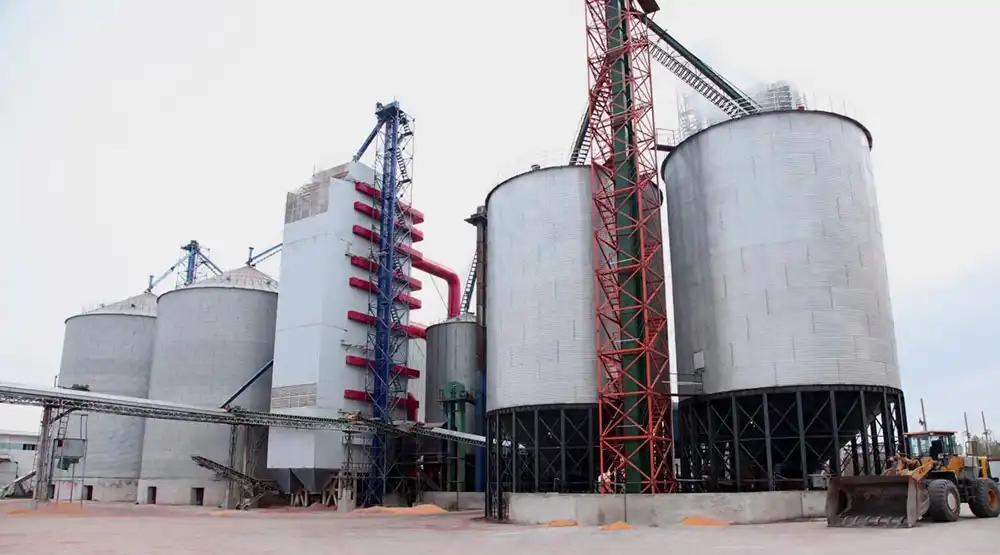
Understanding Furnace Storage Silos: Core Concepts and Functions
It's helpful to know what a furnace store bin does on the plant floor and why its design is so important before comparing specs.
What a Furnace Storage Silo Does
A furnace storage bin briefly stores raw materials like ores, alloy additives, or processing agents inside and outside the furnace area. These materials are released when needed to keep the melting process running smoothly. This cuts down on how often the heater is charged and keeps it going at its most efficient level. You can store things in Shaanxi Heyuan's units that range in size from 5 to 50 m³ and fit furnace chambers that are 2 m to 10 m wide.
Silo vs. Hopper vs. Tank: Key Differences
A silo holds a lot of stuff for a long time and controls gravity flow through a cone-shaped outlet. A hopper is a short-term cushion with a smaller volume. It is usually put right under a conveyor. A tank is made to hold liquids or slurries. If you need to keep sending large amounts of solids to an electric arc furnace or a submerged arc furnace, you should use a purpose-built material storage bin instead of a hopper or a tank.
Design Principles That Matter
Two rules determine how reliable a furnace storage silo is: the structure must be able to handle big loads, and the material must be compatible with the feedstock that is being kept. The vessel has to be able to withstand deformation from bulk densities higher than 1.5 t/m³ and thermal stress from being close to the hot zone of the furnace. The type of interior covering you choose—refractory castable, Hardox® wear plates, or fused basalt—must match the material being kept in terms of how it wears and how hot it gets.
Key Features That Define Reliability in Furnace Storage Silos
Reliability is not just one thing. The choice of material, the size of the capacity, the integration of safety features, and the ease of maintenance all play a role in this. Here are the main things that set a reliable silo apart from one that causes production issues:
- High-temperature refractory lining (100–300 mm thickness): Protects the steel shell from radiant heat and stored material from thermal degradation. Shaanxi Heyuan's refractory linings provide a service life exceeding three years under continuous operation up to 1,500°C.
- Anti-bridging discharge geometry: Steep hopper angles (60°–75°) combined with mass-flow design prevent rat-holing and bridging of cohesive materials, ensuring first-in-first-out material movement through discharge ports sized φ300–φ800 mm.
- Certified construction standards: Structural welds should comply with ISO 3834-2 or equivalent. Non-destructive weld testing—ultrasonic or radiographic—verifies joint integrity before commissioning.
- Integrated safety systems: Pressure relief valves, explosion venting panels (per NFPA 68 for combustible dusts), and heat shields for furnace-adjacent installations protect both equipment and personnel.
- Accurate capacity sizing: Over-sizing ties up capital; under-sizing starves the furnace. Shaanxi Heyuan engineers calculate the correct storage volume by matching feed rate to furnace demand cycle.
These features work together to stop the two most annoying problems that can happen in a silo: the feed stopping and the structure giving way under load. Taking care of both during the planning part saves a lot more money than fixing them after the fact.
Material Selection: Steel vs. Concrete
Astm A36 carbon steel is the standard for metallurgical silos because it can be used to make complex shapes and replace the lining inside. Grades 304 or 316 of stainless steel work well with acidic materials. Concrete isn't often used in silos next to furnaces because it cracks easily when heated and cooled, and it doesn't let liner inspections happen.
Capacity Calculation Best Practices
A solid furnace storage silo is built from the start to be the right size. Engineers figure out how much space is needed for storage by looking at how fast the furnace burns (t/h), how often it will be charged, and the bulk density of the material. Heyuanxin's 5–50 m³ range covers most EAF and submerged arc furnace tasks, and unique sizes can be made for production cycles that aren't standard.
Safety and Compliance Standards
Silos that store flammable dusts, like coal fines or biomass, need to meet ATEX or NFPA standards. The main risks for metallurgical ore silos are structural overload and thermal damage. Heyuanxin is certified in ISO quality management, environmental management, and occupational health management system. This makes sure that all of their units meet international safety standards.
Comparing Furnace Storage Silos: Choosing the Best Fit for Your Operation
Choosing the right material storage silo requires matching the unit's engineering to your specific feedstock, temperature environment, and furnace type.
Furnace Storage Silo vs. Hopper: When Size Matters
Hoppers work well for short-duration buffering under conveyors. When your operation requires hours of uninterrupted feed to an electric arc furnace or ladle furnace, a full-capacity silo is the appropriate solution. The larger vessel volume also reduces the mechanical stress on feeding equipment by lowering discharge frequency.
Steel vs. Concrete: A Practical Comparison
Steel silos offer faster installation, easier internal liner access, and better compatibility with refractory lining systems. Concrete structures have longer construction lead times and make liner inspection difficult. For furnace-side applications where thermal conditions change rapidly, steel fabrication with a 100–300 mm refractory inner wall is the dominant industry choice.
Energy-Saving Design Considerations
A well-insulated furnace-side silo reduces heat loss from stored materials, which means less reheating energy when those materials enter the furnace. Shaanxi Heyuan's thermal insulation design minimizes heat dissipation, contributing directly to lower fuel consumption per heat and more consistent furnace temperatures.
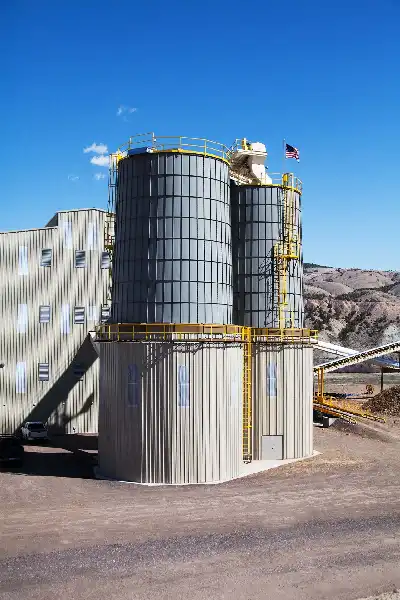
Procurement and Installation: Ensuring You Select and Set Up a Reliable Furnace Storage Silo
When choosing a furnace storage silo maker, you should look at more than just the price. You should look at certifications, after-sales help, and the ability to make changes.
How to Evaluate a Manufacturer
Look for suppliers who have quality certifications (ISO 9001), records of welded inspections, and installation references that you can check. Shaanxi Heyuan has done more than 400 installations around the world in the past 11 years, has more than ten utility model patents, and is a 3A-level credit business.
Customization and Bulk Order Advantages
Standard bin sizes don't always work with the way a plant is set up. Shaanxi Heyuan engineers make sure that the structure and storage space of each furnace storage silo are set up in a way that works with the furnace type and production schedule. Buying in bulk for multi-furnace plants lowers the cost per unit and makes sure that the dimensions are the same all over the site.
Installation Best Practices
The base must be properly designed and the support bolts must be installed. To avoid flow bias, the discharge flange's planarity should be checked with a laser before it is connected to the feeding equipment. Heyuanxin offers full commissioning support, which includes aligning the equipment, refractory cure cycles, and initial feed trials.
Maintaining Operational Reliability: Tips and Safety Guidelines
A silo that is well taken care of will last much longer and cost much less than one that fails for reasons that could have been avoided.
Routine Inspection Schedule
Every six months, you should look at the outside for corrosion and make sure the anchor bolts are tight. Ultrasonic measurements of wall thickness in the lower hopper section are done once a year to keep an eye on liner wear rates before they get too high. Early spotting stops shutdowns that weren't planned.
Safety Protocols and Emergency Preparedness
During repair, people working near silos that are close to furnaces must follow lockout/tagout processes. Regular tests should be done on explosion releasing panels and spark monitoring systems. Heyuanxin offers upkeep and replacement services for refractories to keep the lining within safe working limits for as long as the equipment lasts.
Maintenance in Practice
A ferroalloy company with two submerged arc furnaces running 24 hours a day did checks on the refractory thickness of their material storage tanks every three months. By finding liner erosion at 20% depletion instead of failure, the plant avoided one unexpected shutdown per year, which saved about 48 hours of production time each year.
Conclusion
A reliable furnace storage silo is made of the right materials, has the right volume, has an anti-bridging discharge system, and is approved to include safety features. These improvements are required for continuous metalworking, so you can't choose not to have them. Every dimension, from the thickness of the refractory lining to the shape of the discharge port, affects whether your furnace runs on time or not. Buying the right storage vessel from a qualified, experienced manufacturer saves production, lowers upkeep costs, and increases the life of all tools used in the business.
FAQ
What operating temperature can a furnace storage silo handle?
Shaanxi Heyuan's furnace storage silos are designed to work continuously at temperatures of up to 1,500°C. They have a refractory lining thickness of 100–300 mm that supports the steel shell and keeps the quality of the stored material.
How do I prevent material bridging in my silo?
The best solution is a mass-flow hopper shape with steep cone angles (60°–75°). You can add air guns or buzzing bin activators to break up bridges of cohesive material and get the flow going again without having to do it by hand.
What storage capacities are available?
Heyuanxin's furnace storage silos come in sizes ranging from 5 to 50 m³, and they can be made to fit the needs of any furnace and production cycle.
How often should the silo lining be inspected?
Ultrasonic gages should be used to check the thickness of the internal walls once a year in high-wear areas, especially in the lower hopper section. In addition, Shaanxi Heyuan offers regular repair services for refractories.
Can an existing silo be retrofitted for improved safety compliance?
Yes, flange-mounted reverse-jet dust collectors can be put on the roof, and NFPA 68-compliant explosion releasing panels can be put in place when the stored material changes to a flammable dust classification.
Partner with Shaanxi Heyuan for Your Next Furnace Storage Silo Project
Shaanxi Heyuan is a qualified furnace storage silo maker that has more than 400 installations in metalworking businesses around the world. Our engineering team creates custom capacity plans, helps with full commissioning, and provides long-term refractory maintenance services. Get in touch with us right away to talk about your specific production needs and ask for a technical proposal. To get in touch with our experts, go to hyyjfurnace-supply.com or email sxhyyj606@163.com.
References
1. Schulze, D. Powders and Bulk Solids: Behavior, Characterization, Storage and Flow. Springer, 2008.
2. Carson, J. W., & Marinelli, J. "Characterize Bulk Solids to Ensure Smooth Flow." Chemical Engineering Progress, 1994.
3. British Materials Handling Board. Silos: Design, Monitoring and Assessment of Industrial Storage. BMHB, 1998.
4. National Fire Protection Association. NFPA 68: Standard on Explosion Protection by Deflagration Venting. NFPA, 2018.
5. American Society of Mechanical Engineers. ASME Section VIII: Rules for Construction of Pressure Vessels. ASME, 2021.
6. European Committee for Standardization. EN 1991-4: Eurocode 1 — Actions on Structures: Silos and Tanks. CEN, 2006.


YOU MAY LIKE