
Industrial Resistance Furnace Design Features You Should Know?
July 9, 2026
Understanding Industrial resistance furnace design is essential for making wise purchase decisions when looking at electric heating equipment for metallurgical uses. Through resistance elements, these systems turn electrical energy into controlled heat. The temperature is kept the same within ±5°C across the working room, which is very important for processes like melting metal, sintering ceramics, and treating aircraft parts. Resistance heating is better than combustion-based options because it doesn't use flue fumes to clean the air. It also has much higher thermal efficiencies, between 70 and 90%, compared to gas-fired systems that usually only work at 30 to 50% efficiency. Because they are so accurate and clean, resistance furnaces are necessary for making valuable things where the purity of the materials cannot be compromised.
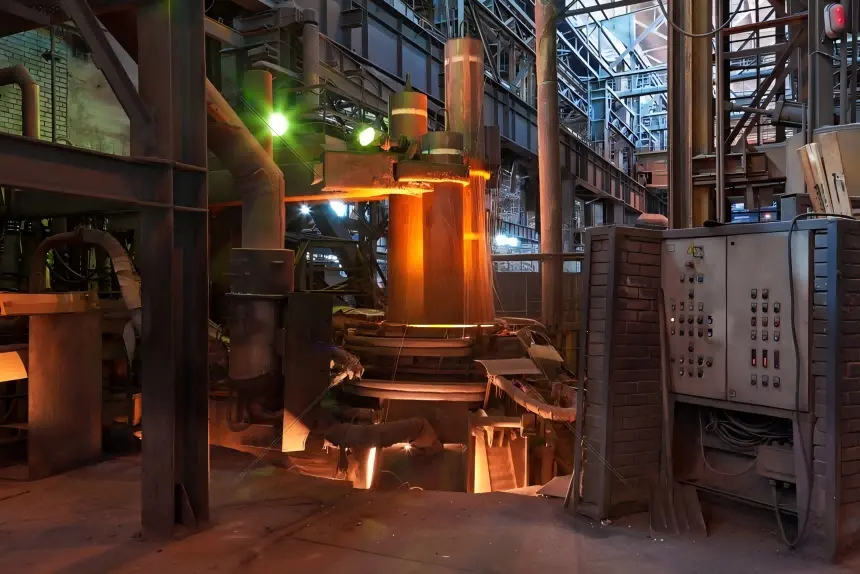
Understanding Industrial Resistance Furnace Design Principles
How Resistance Heating Works?
The basic process depends on Joule heating (Q = I²Rt), which happens when an electric current flows through resistive materials like FeCrAl alloys, MoSi₂, or silicon carbide, creating heat in a room that is sealed and resistant to heat. The heating elements are placed in a way that makes sure the heat is spread evenly across the desk. Shaanxi Heyuanxin Metallurgical Electric Furnace Equipment Co., Ltd makes furnaces with modern element arrangements that can heat up to 20°C per minute and keep the temperature stable from 200°C to 1800°C. In steel mills and other metal production facilities, this feature meets the exact temperature cycle needs of hardening, tempering, and stress-relieving tasks.
Core Components That Define Performance
The heating assembly, the insulation design, and the control infrastructure are the three interconnected systems that decide how well the furnace works. Instead of traditional firebrick insulation, modern units use low-thermal-mass ceramic fibre insulation, which speeds up cycle times and reduces the amount of heat that is stored. The control system, which is usually a PLC with a tablet display, uses SCR power regulation to change the voltage without steps. This keeps the elements from getting too hot. Temperature monitors placed in different parts of the chamber send information to PID controls, which keep the setpoints accurate. Type-K thermocouples that are calibrated to AMS 2750G standards are used in our manufacturing. This ensures measurement accuracy, which is very important for aircraft and automobile uses that need to keep records of thermal processes.
Comparison with Alternative Heating Technologies
When buying teams, look at heating options in an Industrial resistance furnace, they need to know the differences between resistance, induction, gas, and vacuum heaters. Induction systems in an Industrial resistance furnace setup are great at quickly heating the surface of conductive materials, but they don't have the ability to control the atmosphere to keep materials from oxidizing during long soak times. Gas-fired kilns used in an Industrial resistance furnace comparison use less energy per BTU, but they produce combustion fumes that can't be used in clean rooms to make ceramics or semiconductor parts. Even though Hoover furnaces in an Industrial resistance furnace context have cleaner air, they need more complicated closing systems and longer pump-down times. Resistance heating in an Industrial resistance furnace strikes the perfect balance by allowing for a variety of atmospheres, clean operation, and simple upkeep procedures that keep production running as smoothly as possible.
Key Industrial Resistance Furnace Design Features and Their Advantages
Types and Their Industrial Applications
The process needs are directly linked to the chamber design. Box-style furnaces with front-loading doors are good for processing large parts in batches, like turbine housings. Tube furnaces with horizontal work zones are better for processing wire, strip, or small parts continuously on conveyor systems. When technical ceramics or powder metallurgy parts are being sintered, muffle designs keep the workpieces from getting dirty by isolating them from the heating elements inside a safe room. Our customizable chamber sizes, which range from 0.1m³ to 10m³, let makers fit furnace capacity with production volumes. This way, they can avoid the wasteful problems that come with systems that are too big or too small.
The adaptability covers a wide range of fields. In the auto industry, these ovens are used to precisely control the carbon potential while sintering powder metal gears. They are used in aerospace for solution heating of superalloys because even small changes in temperature can damage the material's qualities. Alumina and zirconia separators are fired in the same way by ceramic makers. This flexibility comes from design features that let process-specific customization happen instead of one-size-fits-all answers.
Safety-Critical Design Elements
For operational safety in hot places, you need more than one layer of protection. Over-temperature limit controllers keep an eye on things without relying on the main control system. If certain limits are crossed, they turn off the power immediately. Emergency stop circuits allow the building to be shut down right away from multiple places. Ventilation systems built to NFPA 86 standards make sure that enough air flows through, which keeps potentially dangerous atmospheres from building up when handling materials that release gases when heated. Door interlocks keep people from getting into the room while it's hot, keeping them from getting burnt. All of these features lower the risk of liability and make the workplace safer for workers.
Maintenance-Friendly Architecture
Serviceability is an important design factor because downtime has a direct effect on how profitable production is. With modular element mounting systems, broken heating parts can be replaced without taking the furnace apart completely. This used to take days to do with older welded-element designs, but now it only takes hours. Swing-away control panels make it easy for techs to get to the wires and controllers when they are fixing problems. Insulation pieces that can be taken off make it easier to check the soundness of the refractory without having to take the whole chamber apart. These features make tools last longer and lower the total cost of ownership by cutting down on upkeep work and repair times.
Heyuanxin's tech philosophy puts user-friendliness first. Our stoves have thermocouple links that can be quickly disconnected and clearly labelled terminal strips that make it easier to check the electricity. Standardizing spare parts across all product lines means that repair teams don't have to keep as many unique parts on hand. Documentation packages come with thorough wiring diagrams and troubleshooting flowcharts, which allow building staff to fix common problems without having to wait for provider help.
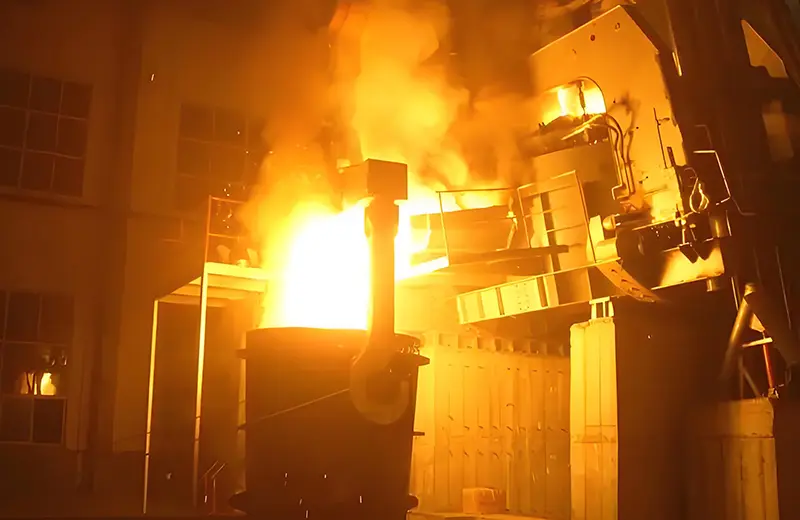
Comparing Industrial Resistance Furnaces to Other Furnace Technologies
Energy Consumption and Operational Economics
When you do a total cost study, you look at more than just the buying price. You also look at the running costs over the equipment's 15 to 20-year life. Even though electricity costs more per unit than natural gas, total costs are often cheaper for Industrial resistance furnaces because they are better at using heat. At $0.12/kWh, a standard 100kW resistance unit that runs 16 hours a day costs about $70,000 a year in energy costs. A similar gas heater that only works 40% of the time might use $85,000 worth of fuel and make emissions that need expensive cleaning before they can be released into the air. Electric systems have lower maintenance costs because there are no burner nozzles to clean, combustion air fans that don't need bearing replacement, and fewer refractory fixes needed. After all, heating elements don't directly hit chamber walls with flames.
Environmental compliance is becoming a bigger factor in purchasing choices. Resistance heating doesn't release any direct pollution, which makes getting permits easier in places with strict air quality rules. Companies that care about their carbon impact like being able to get energy from renewable sources, which makes it possible to use a heat treatment process with no emissions that would not be possible with fossil fuels.
Brand Differentiation in the Global Market
Well-known brands like Nabertherm and Ipsen charge higher prices because their products have unique qualities. For example, Nabertherm's high-temperature molybdenum disilicide elements allow them to work at 1800°C, and Ipsen's vacuum-tight design is used in aircraft applications. Kanthal makes element forging better with its own metals, which makes things last longer. Siemens adds connectivity to Industry 4.0 so that tracking and preventative repair can be done from afar. These new ideas meet specific needs, but they might be better than what's needed for many industrial uses.
Heyuanxin competes by offering important performance specifications at reasonable prices, such as accurate temperature control, strong building, and reliable operation. This helps regional steel mills, mining operations, and equipment distributors make more money on their projects. We have over ten utility patents that back up our ten years of experience turning customer needs into practical designs. This shows that we are technically competent without the high cost of old brands. ISO recognition and a 3A credit rating give buyers peace of mind about the quality of the goods they buy and the security of the business.
How to Choose the Right Industrial Resistance Furnace for Your Business?
Assessing Your Operational Requirements
Keeping track of process factors is the first step to effective choosing. How hot does the heater have to get before it breaks? The amount of production affects whether batch processing or continuous processing is cheaper. The type of material affects the environment that is needed. For example, endothermic gas is often used for heat treatment of carbon steel, while hydrogen-nitrogen mixes or vacuum may be needed for processing stainless steel. The expected cycle time affects the surface loading specs of the heating element. Fast heating needs a higher watt density, but it may shorten the life of the element. The size of your workspace needs to be big enough to fit your biggest parts, with enough room for fixtures and easy access for loading and dumping.
Critical Selection Criteria
Check the compatibility of the power grid in addition to the thermal requirements. A 500kW heater needs a lot of electricity, so check to see how big your building's transformer is and if installation needs any changes to the utilities. When putting heavy equipment in place, you need to think about how the structure will hold up. The floor's load capacity must be able to hold the furnace's weight plus the refractory mass, which for bigger units is often more than 10,000 kg. Delivery is affected by size restrictions; can the fully completed unit fit through building doors, or does it need to be put together in the field?
Scalability makes Industrial resistance furnace purchases safe for the future. As knowledge grows in an Industrial resistance furnace, modular control systems that can accept more thermocouple inputs enable process improvements. Adding sections to Industrial resistance furnace chambers that can be expanded makes them suitable for growing businesses. Integrating an Industrial resistance furnace with current production management systems makes it easier to collect data for process optimization and quality tracking.
Importance of Supplier Partnership
Equipment is only half of the value equation; long-term happiness depends on how well the provider supports the business. Commissioning risks are lower when service agreements cover installation guidance, operator training, and preventative maintenance plans. When operational problems happen, responsive technology helps cut down on downtime as much as possible. When spare parts are available with acceptable lead times, long outages while waiting for new parts are avoided. Customization skills let you deal with unique process problems that normal catalogue goods can't handle.
Heyuanxin offers complete solutions that include design advice, making tools at our factory in Shaanxi Province, installation, commissioning, and ongoing expert support. When our engineering team creates specifications, they work with customers to make sure that the tools they buy exactly meet the needs of the application. Support after the sale includes regular checks on the tuning and performance that make sure the system is still in line with quality control systems.
Practical Tips for Operating and Maintaining Industrial Resistance Furnaces
Routine Maintenance Protocols
Setting up routines for preventative maintenance increases the life of machinery and keeps processes consistent. Heating elements should be looked at visually once a month for signs of sinking, corrosion, or oxide scale growth that could mean they are about to break. Using standardized standards to check the accuracy of thermocouples finds sensor drift before it changes the quality of the product. Checks on the control system to make sure the PID reaction is correct, stop temperature overshoots that waste energy and put stress on the refractories. An annual check of the insulation finds any damage that needs to be fixed; damaged insulation causes heat loss and surface temperatures higher outside.
Troubleshooting Common Issues
Temperature differences usually happen when parts fail and leave cold spots or when thermocouples get clogged up and give wrong readings. Problem areas can be found with thermal scans that use multiple test monitors placed around the work area. Uneven heating can also happen if the load is placed incorrectly, blocking the flow of convective air. Making sure there is enough space between the parts and the room walls helps heat be distributed evenly.
Energy Efficiency and Safety Optimization
How operations are run has a big effect on how much energy is used. Keeping the door open as little as possible while loading keeps the room warm, which means less energy is needed to get the temperature back to normal. Running full loads instead of partial loads, which is known as batch consolidation, spreads the set cost of energy across more output pieces. When time-of-use pricing is in place, running the business during off-peak power rate times lowers the cost of energy.
Safety compliance means following set processes very carefully. Do not get around safety interlocks—they keep accidents from happening that could seriously hurt someone. Make sure you have the right safety gear, like heat-resistant gloves and face shields, when opening doors where leftover heat can cause burns. Keep the exits around the tools clear so that people can quickly leave if an emergency happens. Safety training that is done on a regular basis promotes good work habits that keep people safe.
Conclusion
To choose the right resistance heating equipment, you need to know the design principles that affect performance, the features that make the equipment safer and easier to keep, and the operating factors that affect the long-term costs. These furnaces offer exact temperature control, clean working conditions, and operating freedom that no other technology can match. The best results will be achieved when furnace specs are matched to the needs of the application, whether you are heat treating metal, making ceramics, or processing aircraft parts. Partnering with experienced makers who offer full support from the initial design phase through ongoing upkeep increases the worth of equipment and lowers operating risks. When you buy resistance heating equipment that is properly sized, it pays for itself in the form of stable product quality, less downtime, and meeting ever-tougher quality standards.
FAQ
What determines element lifespan in resistance furnaces?
The surface loading (watts per square centimetre), working environment, and thermal cycle frequency all affect how long a heating element lasts. High watt density speeds up oxidation, and working in the wrong atmospheres hurts the protective oxide layers. These factors affect how long most things last, which is usually between 3,000 and 10,000 hours. Service life is greatly increased by regular upkeep, such as oxidation runs and proper oxygen control.
How does resistance heating compare to induction for energy efficiency?
Resistance systems heat the whole room evenly, which makes them great for batch processes or long soak times. They achieve 70–90% thermal efficiency. Induction heating quickly heats the surface of materials that carry electricity, but it only heats certain areas. Resistance heating works better when the warmth needs to be spread out evenly or when working with non-conductive materials like pottery.
Can furnaces be customized for specific processes?
One of the best things about resistance furnace technology is that it can be customized. The chamber's size, atmosphere control systems, heating element arrangements, and control settings can all be changed to meet the needs of a particular process. Whether you need temperature profiling across multiple zones, fast cooling, or integration with automatic material handling, experienced makers can come up with solutions that will work for your specific metallurgical needs.
Partner with Shaanxi Heyuan for Superior Resistance Heating Solutions
Shaanxi Heyuan New Metallurgical Electric Furnace Equipment Co., Ltd. can help you with your thermal processing needs by providing you with resistance heating systems that can be customized and are designed to work well in tough metallurgical settings. Our experience includes full turnkey solutions, from the initial design advice to making the equipment, commissioning it after installation, and providing ongoing technical support. We have more than ten useful patents and an ISO certification, and have been serving steel mills, mining companies, and industrial furnace builders for more than ten years. We provide reliable equipment that meets international quality standards and makes production more efficient. Get in touch with our team at sxhyyj606@163.com to talk about your needs with an Industrial resistance furnace maker that cares about your business's growth. You can look at our whole line of products at hyyjfurnace-supply.com and learn how our solutions can help you improve the way you do heat treatment.
References
1. Johnson, R.M. (2019). Industrial Furnace Design: Principles and Applications. McGraw-Hill Education.
2. Peterson, L.K. & Chen, W. (2021). "Comparative Energy Analysis of Electric Resistance and Gas-Fired Heat Treatment Furnaces." Journal of Manufacturing Processes, 68, 245-258.
3. Thermal Processing Alliance (2020). Best Practices for Resistance Furnace Operation and Maintenance. TPA Technical Publication Series.
4. Anderson, H.T. (2018). "Advances in Heating Element Technology for High-Temperature Industrial Applications." Materials Science and Engineering, 142, 89-103.
5. International Organization for Standardization (2022). ISO 9001:2015 Quality Management Systems for Furnace Manufacturing. ISO Standards Catalogue.
6. Williams, D.S. & Kumar, P. (2023). "Temperature Uniformity Survey Methodology for AMS 2750G Compliance in Industrial Furnaces." Heat Treatment Technology Quarterly, 31(2), 112-128.


YOU MAY LIKE