
Ferrosilicon Furnace Buying Guide: What Should You Know First?
July 9, 2026
When considering buying a Ferrosilicon furnace, it's very important to know what your production needs are and what the furnace can do technically. To make ferrosilicon, a Ferrosilicon furnace uses carbothermic reduction of quartzite and iron sources at very high temperatures. The power of these systems ranges from 6,300 kVA to 72,000 kVA. To keep them stable, they use self-baking electrodes and water-cooled shells. To choose the right tools, you need to carefully look at how much energy it uses, what mechanical features it has, and how well it meets international metallurgical standards. This guide walks you through important things to think about that will make the buying process easier and help you make sure that the tools you buy fit your working goals and your budget.
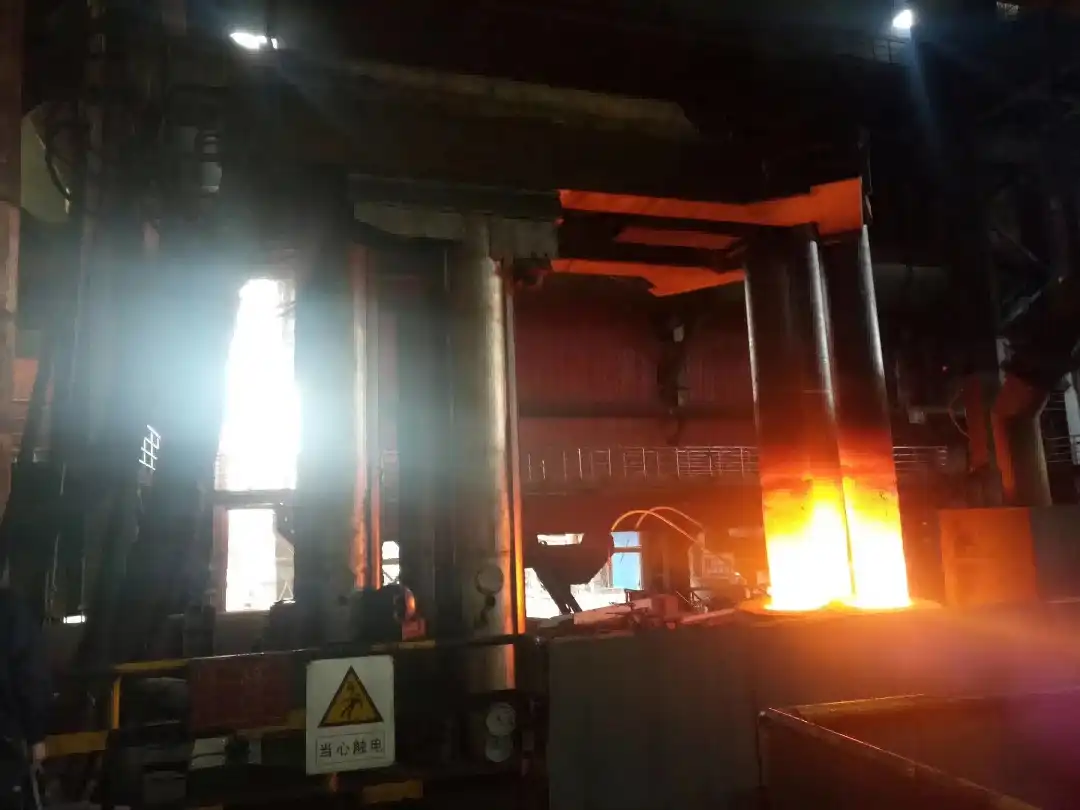

Understanding Ferrosilicon Furnaces: Basics and Key Components
How do Ferrosilicon Furnaces Operate?
For the production process to work, the temperatures inside these unique furnaces must stay between 1,500°C and 2,000°C so that high-purity silica, coke, and iron sources can be chemically reduced. Deep inside the charge material, the electrodes make a resistance heating zone where the reduction processes keep going. This buried design makes ferrosilicon production different from regular steelmaking because it needs precise electrical control and long-term thermal stability to keep the right silicon-to-iron ratio in the end alloy.
Modern systems use PLC-based technology to monitor the placement of the electrodes, the amount of power being used, and the temperature distribution across the hearth. The water-cooled furnace shell protects the structure and allows heat recovery devices to capture heat energy that would otherwise be lost. This closed-loop system lowers the specific energy used, which is critical because it takes about 8,000 to 8,800 kWh of electricity to make one metric tonne of FeSi75.
Essential Raw Materials and Their Impact
Material quality impacts energy efficiency and product accuracy. Pure quartzite without much aluminium prevents slag and contamination of the ferrosilicon. How reactive the metallurgical coke is determines how rapidly and fully it reduces. Iron sources, whether ore or steel scrap, must have the proper size to allow gas to flow through the charge load.
Systems that crush, screen, and blend raw materials to specific standards are crucial to furnace performance. Operating instability, greater electrode usage, and alloy grade variations result from inconsistent feed composition. Buyers should ensure their provider can advise them on the correct material standards for their furnace design.
Common Furnace Types and Their Applications
Submerged arc furnaces are the most common way to make ferrosilicon because they can run continuously and use heat efficiently. These methods keep the electrodes below the charge surface, which makes an arc zone that is steady and reduces heat loss as much as possible. Bridging is when hardened material blocks gas flow and throws off the thermal balance. The furnace shell usually has a rotating device that stops this from happening.
Electric arc furnaces are usually used to make steel, but they can also be used to make ferroalloys. However, electric arc furnaces usually don't have the right hearth design and electrode setup for ferrosilicon chemistry. Induction furnaces are particularly suitable for making very pure silicon grades for specific uses, but they aren't as cost-effective for making a lot of ferrosilicon. When procurement teams know these differences, they can better match furnace technology to their budget, output rate, and quality needs.
Comparison and Selection Criteria: Choosing the Right Ferrosilicon Furnace
Evaluating Energy Efficiency and Operating Costs
Power is the biggest changing expense in ferrosilicon production. Equipment with power factors above 0.92 from enhanced electrode control and transformer tap settings will save money during the furnace's lifetime. Energy-efficient designs use low-reactance secondary busbar devices to reduce transformer-wire losses.
Stove lining composition impacts energy use. Carbon block linings that carry heat well maintain temperature and resist liquid ferrosilicon damage. The proper refractory layer balances heat retention and thermal stress, making campaigns last up to ten years when used normally. Buyers should request detailed breakdowns of energy use per tonne of product in various operational scenarios when comparing offers.
Energy prices, maintenance, and electrode usage in a Ferrosilicon furnace constitute the total cost of ownership. Self-baking Soderberg electrodes in a Ferrosilicon furnace eliminates the need to acquire pre-baked electrodes, but they require precise paste quality and slip rate control to avoid breakage. Understanding these practical details during Ferrosilicon furnace selection prevents production cost overruns.
Automation Benefits and Control System Sophistication
PLC-based automation solutions change furnace operation from a laborious human procedure into data-driven manufacturing. Real-time electrical, temperature, and material feed rate monitoring helps workers improve performance. Advanced systems use predictive algorithms to reposition electrodes before heating. Fires are prevented, and floor heat is appropriately distributed.
Automation protects workers from electrical and high-temperature locations. Remote tracking lets technical teams resolve issues without entering unsafe regions. Automated alarm systems warn of equipment damage or production stops. These characteristics are useful for businesses with multiple furnaces or in areas with a shortage of trained people.
Control systems from different companies vary in complexity. Basic automation may merely track power and electrodes. Advanced production management systems track raw material, energy, and quality parameters across production runs. Compare the increased initial cost to the long-term operational benefits and how well it fits with the facility's digital infrastructure before buying.
Environmental Compliance and Emission Control
Amorphous silica fume is made during modern ferrosilicon production. This is a tiny particle that needs to be collected to follow environmental rules. Emission levels below 50 mg/Nm³ can be reached with off-gas collection systems that use baghouse filter technology. This meets the rules in most places. The microsilica that is collected is a useful leftover for making concrete, which could help pay for the costs of compliance.
Furnace designs with partially or fully closed hoods catch fumes more efficiently and recover heat more efficiently, making the furnace more thermally efficient. These arrangements need less cold air, which makes dust collection devices work less hard and lowers fugitive emissions. Buyers who do business in places with strict environmental rules should give more weight to suppliers who can show that their emission control systems work by getting third-party tests and government approvals.
When installing dust cleaning systems, they need to be carefully coordinated with the furnace's operation. Offering full turnkey solutions that include furnace equipment, off-gas handling systems, and filter systems speeds up setup and makes sure that all the parts work together. This all-around method makes it easier for the buyer to coordinate and speeds up the process of becoming legal.
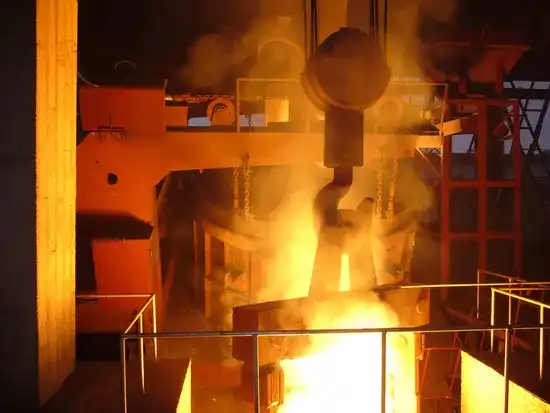
Procurement Essentials: What to Look for When Buying a Ferrosilicon Furnace?
Selecting Reputable Manufacturers and Verifying Credentials
Experienced mining equipment designers ensure reliability and performance. Buyers should consider Shaanxi Heyuanxin Metallurgical Electric Furnace Equipment Co., Ltd. After ten years in the industry, they have installed over 400 furnaces worldwide and have many utility model patents. These signs demonstrate your technical skills and long-term ingenuity.
Quality and safety are further verified by certification badges. ISO 9001 quality management approval shows that a corporation uses systematic controls and continuous improvement in its manufacturing processes. Company certifications in occupational health and environmental management (ISO 14001) demonstrate a commitment to responsible product production. Third-party verification of after-sales service capabilities, such as 3A credit enterprise standing, gives clients confidence in long-term assistance.
Case studies and client examples can show real-world performance. Buyers should request proof of systems with similar production and regulatory environments. Current customers can tell you when to order equipment, how fast technical assistance responds, and how reliable the equipment is over time, but brochures can't.
Understanding Pricing Structures and Customisation Options
The size, automation, and other systems of a Ferrosilicon furnace determine its pricing. Base setups include furnace shell, electrode system, and transformer. Prices rise with autonomous features, complex refractory packages, and built-in dust collection systems. Open and honest suppliers provide itemised bids, allowing purchasers to compare part prices and make wise feature choices.
Customisation is crucial when site or process constraints prevent standard configurations. Some facilities need furnaces that operate with their electrical systems or space, while others need electrodes calibrated for their raw materials. Manufacturers with their own engineering teams can make product adjustments more accurately than those using standard designs.
Payment terms and finance affect project profitability and prevent the use of standard installs. Instalment plans based on project milestones like design approval, manufacturing finish, delivery, and commissioning enable customers and sellers to manage cash flow and working capital. Buyers who want to keep their cash can use some manufacturers' connections to equipment lending businesses.
Installation Support and After-Sales Service Commitments
Turnkey solutions that include planning, manufacturing, installation, and testing make projects easier to understand and keep track of. Having one provider handle the whole execution makes sure that all the parts work together and makes it easier to fix problems when they happen. This method works especially well for buyers who don't have a lot of in-house mechanical engineering tools or who are building their first ferrosilicon factory.
Support for commissioning goes beyond the original startup phase and includes teaching operators and improving the process during the ramp-up phase. Suppliers with a lot of experience send expert teams that stay on site during the early stages of production to deal with any problems that come up and teach the regular staff what they've learned. This hands-on help speeds up the process of getting to stable, efficient production and keeps people from having to learn the hard way, which can be expensive.
Long-term service agreements that cover preventative upkeep, emergency reaction, and the availability of spare parts protect the buyer's investment over the lifecycle of the equipment. Technical support hotlines that are open 24 hours a day give you instant access to expert advice when operating problems happen, reducing the length of downtime. Suppliers with regional service centres or partnerships with local technical service providers can get someone to the spot faster than those who need to send a foreign technician for every service call.
Maintenance, Troubleshooting, and Operational Best Practices
Routine Maintenance Schedules and Critical Components
Because the quality of the paste, how rapidly it slips, and how much power it requires affect furnace security and electrode integrity, the electrode system must be maintained. To maintain baking qualities, operators should monitor the paste's flexibility and volatile matter level daily and adjust recipes as needed. To maintain pressure and prevent soft brakes, the hydraulic locking system must be checked regularly.
Thermal imaging and built-in thermocouples detect erosion and structural degradation in refractory linings. You can compare regular checks to typical temperature profiles set up in the first few hours of running. Before these indicators appear, replace or repair the liner to avoid serious failures that require lengthier shutdown durations and emergency repairs.
Dissolved gas analysis of insulating oil detects electrical issues before they ruin transformers. Resistance testing ensures current flows uniformly throughout secondary busbar systems. Inconsistencies reduce system efficiency and accelerate part wear. Comprehensive repair programs that incorporate these specific tests keep equipment running as intended for longer.
Troubleshooting Common Operational Challenges
Overheating frequently results from poor cooling water flow, material bridges that hinder gas penetration, or electrode positioning errors that create hot spots. Operators should test the cooling system, modify the furnace's spin frequency to break up surface crusts, and recalibrate the electrode control parameters depending on current usage. These measures may not eliminate the overheating, which may indicate that the problem needs further inspection and repair.
Busbar links and electrode use often produce electrical issues such as phase shifts and power factor degradation. Regularly monitoring electrical parameters detects issues early so they can be rectified before production stops. Suppliers with remote diagnostic tools can review functioning data and offer solutions without visiting the problem, speeding up settlement.
Changes in raw materials or process parameters frequently generate product quality issues like uneven silicon content or high contaminants. Workers maintain high-quality requirements by monitoring material ratios, electrode depth, and power input using statistical process control. Use suppliers' experience from past projects to swiftly uncover root reasons during troubleshooting.
Operator Training and Safety Protocol Implementation
For safe and effective furnace operation, comprehensive operator training programmes are necessary and should cover both normal operations and emergency measures. Because of the high voltages involved, training should cover electrical safety rules, heat hazards for people who work near hot equipment, and how to properly use personal protective equipment. Simulation-based training lets workers practise what to do in an emergency without hurting themselves or damaging the equipment.
Lockout-tagout methods for maintenance work keep equipment from turning on by mistake while service work is being done. Electrical accidents are less likely to happen when rules are clearly written down and include isolation spots and verification steps. As the makeup of the workforce changes over time, regular safety checks and repeated training keep everyone aware and in line.
Final Recommendations and Strategic Considerations for Buyers
Aligning Furnace Selection with Production Scale and Business Goals
Furnaces between 6,300 kVA and 25,000 kVA may benefit small to medium-sized firms that produce fewer than 20,000 tonnes of commodities. Business success requires automation and efficiency, which these technologies offer at low startup costs. Large integrated steel mills or ferroalloy producers can employ 40,000 kVA to 72,000 kVA systems to reduce tonnage costs.
The original cost of capital must be balanced with its overall cost over its useful life due to limited funds. Cheaper equipment without modern technology or high-quality refractory materials may look enticing, but it requires more maintenance and energy, costing more over time. Instead of just looking at the buying price, evaluate the total cost of ownership after 10–15 years.
Flexibility in production affects furnace requirements. Equipment that makes different ferrosilicon or switches between it and related metals needs versatile tools. Transformer tap arrangements that allow voltage changes and hearth designs that manage varying loads enable this versatility. This happens without impacting any working mode's efficiency.
Scalability and Future Technology Integration
Uncertainty about future demand can be avoided by designing equipment that can handle small capacity increases. Modular electricity systems that let you upgrade transformers or add parallel furnaces are a way to grow without having to throw away investments you've already made. If a buyer plans to grow, they should talk about scalability choices during the initial negotiations for the purchase. That way, they won't be surprised by limits when they need to grow.
New technologies, such as AI-based process optimisation and improved sensor systems for real-time load composition analysis, could make things better in the future. If buyers choose providers that are committed to continuing research and development, they will be able to use these new ideas as they become more mature. Open communication methods in equipment designs make it easier to add third-party tracking and control systems without being limited by vendor lock-in.
Building Partnerships with Strategic Suppliers
Long-term partnerships with suppliers that go beyond just delivering tools create value through ongoing expert support, help with process optimisation, and early access to new technology. When manufacturers treat customers like partners instead of one-time transactions, they show their loyalty by talking to them about operating best practices, letting them know before a part goes obsolete, and working with them on projects to make things run more smoothly.
Transferring technical knowledge through training programmes, paperwork, and ongoing consultations builds up internal skills that make the company less reliant on outside help over time. Suppliers who are ready to put money into these educational programmes to help their customers succeed show that they believe in their tools and want their customers to be happy. This partnership strategy works especially well for buyers who are new to ferrosilicon production and don't have a lot of experience.
Conclusion
Buying a Ferrosilicon furnace is a big financial decision that needs to be carefully thought out in terms of technical specs, provider skills, and long-term operating issues. Successful buyers weigh their immediate budget constraints against the costs that will come up over the course of the product's lifetime. They also choose manufacturers that have a history of experience by offering a wide range of installation services and support options. Because modern ferrosilicon production is so complicated, it needs technology that is reliable, efficient, and good for the environment, as well as having the ability to change with the times in the market. Strategic relationships with suppliers based on a shared dedication to operational quality give buyers a long-term edge in the tough mining market.
FAQ
What raw materials does a ferrosilicon furnace require?
These systems need high-purity quartzite (with a silica content of more than 98%), metallurgical coke (which acts as a reducing agent), and iron sources like iron ore or steel scrap. The quality of the materials directly impacts how much energy is used and how pure the final product is. For this reason, it is important to have stable relationships with suppliers.
How much energy does ferrosilicon production consume?
In ideal conditions, it takes between 8,000 and 8,800 kWh per metric tonne to make FeSi75, which is the most frequent grade. Because energy efficiency changes depending on the type of furnace used, the quality of the raw materials, and how the business is run, power costs are the most variable cost in production economics.
What maintenance frequency should operators expect?
Electrode systems need to check the quality of the paste and the rate of slipping every day. Thermal imaging technology is used every three months to check the refractory lining. Every year, full checks of electrical systems are done, which include testing the resistance of busbars and analysing transformer oil. When certain working problems happen, emergency repair fixes them right away.
Can one furnace produce multiple ferrosilicon grades?
Changing the voltage on the transformer and the makeup of the load makes it possible to make different grades, from FeSi45 to FeSi75. Changing grades causes process stabilisation periods and creates transitional material that needs to be reprocessed, so making changes too often lowers total output. For high-volume output, dedicated furnace setups that are optimised for certain grades work better.
Partner with Heyuan: Your Trusted Ferrosilicon Furnace Supplier
The Shaanxi Heyuan New Metallurgy Electric Furnace Equipment Co., Ltd. has over 400 successful sites around the world that show how good they are at designing and making metallurgical equipment. Through improved electrode control systems and new heat management designs, our Ferrosilicon furnaces can save up to 95% of the energy they use. We offer full turnkey solutions that include planning, production, installation, and commissioning. Our quality management is ISO-certified, and we offer expert help 24 hours a day, 7 days a week. Our engineering team works closely with customers to create unique solutions that meet their specific budget, output needs, and capacity limitations. Whether you're an industrial contractor building new facilities or a steel mill adding more ferroalloy production, our all-inclusive service method guarantees a smooth project completion and a quick production ramp-up. You can email our technical advisors at sxhyyj606@163.com or visit hyyjfurnace-supply.com to talk about your needs and get a full plan that fits your business.
References
1. International Ferroalloys Congress. (2022). "Energy Efficiency in Submerged Arc Furnace Operations for Ferrosilicon Production." Proceedings of the 15th International Ferroalloys Congress, Johannesburg, South Africa.
2. Gasik, M. (2021). "Handbook of Ferroalloys: Theory and Technology." Butterworth-Heinemann Publishers, Oxford, United Kingdom.
3. Kononov, R., Ostrovski, O., & Ganguly, S. (2020). "Carbothermic Reduction of Metal Oxides in Submerged Arc Furnaces." Metallurgical and Materials Transactions B, Volume 51, Issue 3.
4. American Society for Testing and Materials. (2019). "ASTM A100-04: Standard Specification for Ferrosilicon. "ASTM International Standards, West Conshohocken, Pennsylvania.
5. Zhang, Y., & Li, H. (2023). "Advanced Control Systems for Electric Arc Furnaces in Ferroalloy Production." Journal of Iron and Steel Research International, Volume 30, Issue 7.
6. International Organisation for Standardisation. (2021). "ISO 5445: Steel and Iron—Determination of Silicon Content—Gravimetric Method." ISO Technical Standards Documentation, Geneva, Switzerland.


YOU MAY LIKE