How to Select the Best High Carbon Ferrochrome Furnace?
October 12, 2026
Selecting the right high carbon ferrochrome furnace is one of the most consequential decisions a metallurgical plant or ferroalloy smelter will make. The furnace you choose directly affects your chromium recovery rate, energy bill, environmental compliance record, and long-term production costs. A well-matched submerged arc furnace for ferrochrome smelting typically delivers chromium recovery above 85%, while a poorly specified unit can waste significant energy and raw materials every single campaign. This guide walks procurement managers, plant engineers, and EPC contractors through the key technical and commercial factors that separate an average purchase from a genuinely sound investment in high carbon ferrochrome production.
Understanding High Carbon Ferrochrome Furnaces: Basics and Technology
What Is a High Carbon Ferrochrome Furnace?
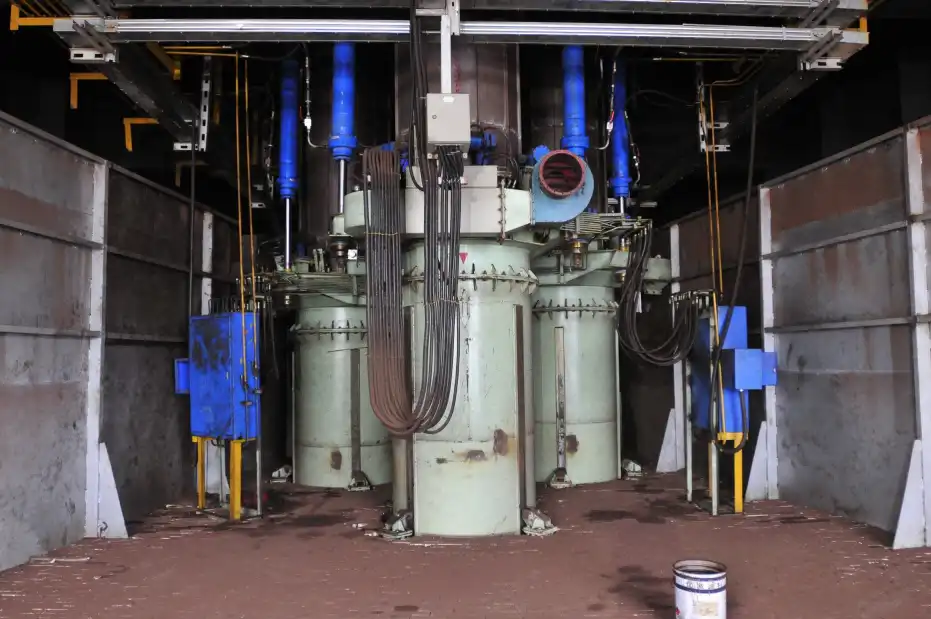
The carbothermic reduction of chromite ore is done in a high carbon ferrochrome furnace, which is a type of submerged arc furnace (SAF). It makes HC FeCr metal, which has between 6 and 8 percent carbon and 60 to 70 percent chromium. The electrodes in a SAF are buried deep within the charge mix, which is different from a normal electric arc furnace. Resistance heating keeps the temperature above 1,600°C, which is the point at which the chemical reduction reaction can happen thermodynamically.
Submerged Arc Furnace vs. Electric Arc Furnace
When people talk about ferrochrome, they talk about both types of furnaces, but they are used for different things. The submerged arc furnace is the most common way for businesses to make high carbon ferrochrome. This is because it keeps the arc steady and deeply underground, which helps the charge transfer energy better. An open electric arc furnace works better for refining steel than for reducing the size of ore. In the case of chromite smelting, the SAF's ability to keep electrodes submerged in the burden is what makes metal recovery reliable and slag chemistry doable.
Key Process Parameters to Understand
Before looking at any ferrochrome smelting furnace, buyers need to know three basic things: the transformer's capacity (usually 12.5 MVA to 75+ MVA), the tapping temperature (1,650°C–1,700°C for standard operations, up to 2,100°C in advanced designs), and the furnace's specific energy consumption (3,000–3,500 kWh per ton of alloy). Units using more than 4,000 kWh/t usually mean that the raw materials were not prepared properly or that the furnace was not controlled properly.
Key Criteria to Consider When Selecting a High Carbon Ferrochrome Furnace
Production Efficiency and Energy Consumption
The highest cost of making high carbon ferrochrome is the energy used. A closed-top high carbon ferrochrome furnace collects CO-rich off-gas that has a calorific value of about 2.5 Gcal per ton of alloy. This gas can be used to heat up raw materials or make extra power. When compared to open-top designs, this one feature can cut net energy costs by 15–20%. When looking over technical proposals, you should always ask for the guaranteed specific energy consumption number for a given set of raw materials.
Capital Cost vs. Total Lifecycle Cost
On the first day, the capital costs for a ferroalloy submerged arc furnace look high, but the operating costs (OpEx) are what really matter. Over the course of a campaign, these costs are the most important:
- Refractory lining: A correctly specified carbon-block hearth with magnesia brick sidewalls lasts 5–10 years. Choosing cheaper refractories can cut that to 2–3 years, erasing any initial savings many times over.
- Electrode consumption: Söderberg self-baking electrodes must be managed at the correct current density (3–6 A/cm²). An oversized or undersized electrode diameter relative to the transformer capacity drives up paste consumption and increases the risk of costly electrode breaks.
- Dust control compliance: U.S. EPA and international environmental regulators require particulate emissions well below 20 mg/m³. Furnaces without integrated bag-filter or wet-scrubber systems create hidden compliance costs after installation.
When using Söderberg self-baking electrodes, they need to be handled at the right current density (3–6 A/cm²). Too big or too small an electrode width compared to the transformer's capacity causes more paste to be used and raises the risk of expensive electrode breaks.
Environmental Compliance and Regulatory Standards
Most places no longer let you choose not to build with sealed furnaces. A closed-top high carbon ferrochrome furnace keeps chrome dust from leaking, keeps workers healthy, and lets gas be recovered. People in the US who want to buy something should make sure that it meets the EPA National Emission Standards and OSHA hexavalent chromium exposure limits. It is normal practice to ask the manufacturer for third-party emissions test results before buying something.

Comparing High Carbon Ferrochrome Furnaces: Making an Informed Choice
High Carbon vs. Low Carbon Ferrochrome Furnaces
There are different markets for high carbon ferrochrome (HC FeCr) and low carbon ferrochrome. HC FeCr is best for making AOD converter steel because the carbon content helps remove heat during oxygen blowing, which lowers the amount of energy needed for refining. Low carbon ferrochrome costs more to make and is only used in situations where leaving carbon in the metal would make it weak. Most likely, a high carbon ferrochrome furnace is the right choice if most of your customers are stainless steel mills or foundries.
Evaluating Price-Performance Ratios Across Models
The single best way to predict production output is to look at the capacity of the transformer. In ideal conditions, a 25 MVA unit can make between 8,000 and 12,000 tons of HC FeCr per year, while an 80 MVA unit can make more than 35,000 tons per year. On the other hand, you shouldn't just compare raw MVA scores. How much of that transformer's capacity is turned into usable metal instead of heat loss depends on the diameter of the electrode, the shape of the furnace shell, and the quality of the parts that carry the current. When comparing different proposals, make sure you get written proof of the chromium recovery rates (the goal is >85%, and the best equipment can reach >92%).
ROI Benchmarking for Procurement Teams
To find a good ROI, split the value of the alloy produced each year by the total cost of running the machine each year, which includes energy, labor, supplies, and depreciation on repairs. There are published reviews of ferroalloy plants that say furnaces with gas recovery, improved slag basicity control, and a tried-and-true electrode management system consistently show 12–18% better ROI than baseline designs over a five-year period.
Procuring Your High Carbon Ferrochrome Furnace: Best Practices and Supplier Insights
How to Evaluate a Manufacturer
In the ferrochrome furnace market, a supplier's trustworthiness is based on three things that can be checked: their patent collection, their quality certifications, and the number of installations they have done in the field. A company that has ISO 9001 quality management certification, ISO 14001 environmental management certification, and multiple utility model patents has shown that they are technically knowledgeable and follow strict process guidelines. Ask for plant reference links and, if you can, set up a visit to an installation that is already up and running.
New Furnace vs. Refurbished Equipment
New equipment comes with a full manufacturer's guarantee, a current refractory lining, and the ability to use the newest electrode control systems. Upfront CapEx can be cut by 30–40% with refurbished units, but buyers must get an independent refractory inspection and make sure the remaining electrode column integrity is good before committing. The original price benefit of used ferrochrome smelting ovens can quickly be lost due to hidden relining costs.
After-Sales Support and Commissioning Services
On-site commissioning support is not a nice-to-have; it's a technical must. The plant's high carbon ferrochrome furnace slag basicity standard, electrode baking routine, and tap-to-tap cycle were all set in the first few weeks of operation. These will be used for years to come. Early campaign failures are much less likely if the supplier has engineers on hand to help with setup and a written maintenance contract.
Maximizing Value: Operational Tips and Future-Proofing Your Investment
Routine Inspection Protocols
Every month, infrared thermography should be used on the furnace shell to find hot spots that show refractory wear before they become dangerous. Every time a lot is delivered, tests for volatile matter and flexibility must be done on electric paste. At each tap, the slag basicity (MgO+CaO/SiO₂) should be checked so that flux changes can be made in real time.
Integrating Digital Monitoring
These days, ferrochrome submerged arc furnaces can come with systems that automatically slip the electrodes and measure the current density all the time. These tools cut down on mistakes made by people, keep the arc depth at the right level, and show up any strange resistance patterns that happen before electrode breaks, which are the most expensive single event in the plant that causes downtime.
Scaling for Future Production Growth
When you specify the capacity of the transformer, you might want to order one that is rated one step higher than your current production goal. The extra cost of a 50 MVA transformer over a 40 MVA unit is small when you compare it to the cost of replacing the transformer shell when demand rises after five years. Check to see if the furnace shell width and electrode layout can be used with a new transformer in the future.
Conclusion
To pick the best high carbon ferrochrome furnace, you need to carefully consider how much energy it uses, the quality of the refractory, the design of the electrodes, how well they protect the environment, and how reliable the supplier is. Transformer capacity, tapping temperature, electrode diameter, and chromium recovery rate are some of the technical factors that you need to know in order to make a good purchasing choice. In addition to the numbers, the supplier's ability to provide on-site commissioning, long-term maintenance support, and custom engineering means that generic equipment can be tailored to your ore chemistry and output plan. A well-designed ferrochrome smelting furnace is a valuable asset that pays off over a ten-year campaign.
FAQ
What is a realistic chromium recovery rate for a modern ferrochrome furnace?
Commercial installations have shown that high-end equipment with improved slag basicity control and sealed construction can reach over 92%.
How do I handle chromite ore fines in a submerged arc furnace?
Standard SAF designs need lumpy ore to maintain the burden's gas permeability. If the rock you're using has a lot of fines in it, the feed needs to be made first into briquettes, pellets, or sintered agglomerates. When you use raw fines, you run the risk of charge hang-ups and dangerous gas explosions.
How long does a refractory lining last?
If you manage the slag chemistry correctly and keep the tapping temperatures low, a carbon-block hearth with magnesia brick sidewalls should last between 5 and 10 years before it needs a major reline.
Why choose a closed-top furnace over an open-top design?
Closed-top designs keep chrome dust in and collect CO2-rich off-gas for energy recovery, which meets today's environmental standards. Open-top furnaces are cheaper at first, but they cost more in the long run in terms of compliance and energy.
Can phosphorus be removed during high carbon ferrochrome smelting?
Phosphorus moves almost totally to the metal phase during carbothermic reduction, and the furnace is not a good way to get rid of it. From the start, quality control must focus on getting low-phosphorus chromite ore and reductants.
Partner with Shaanxi Heyuan for Your High Carbon Ferrochrome Furnace
Since 2008, Shaanxi Heyuan New Metallurgical Electric Furnace Equipment Co., Ltd. has designed and put in service ferrochrome furnace systems. They have more than ten utility model patents and are fully ISO certified. The 25 MVA to 80 MVA range of our high carbon ferrochrome furnaces can recover more than 92% of the energy they use and keep emissions below 10 mg/m³. As a reliable high carbon ferrochrome furnace manufacturer, we offer custom design, on-site commissioning, and support for a long time after the sale. To get a detailed plan, email our engineering team at sxhyyj606@163.com.
References
1. Gasik, M. (Ed.). Handbook of Ferroalloys: Theory and Technology. Butterworth-Heinemann, 2013.
2. Tangstad, M. (Ed.). Metal Production in Norway: Submerged Arc Furnace Technology. NTNU Press, 2012.
3. Seetharaman, S. (Ed.). Treatise on Process Metallurgy, Volume 3: Industrial Processes. Elsevier, 2014.
4. International Chromium Development Association (ICDA). Statistical Bulletin on Chromite and Ferrochrome Production. ICDA, 2022.
5. ASTM International. ASTM A101: Standard Specification for Ferrochromium. ASTM, 2018.
6. Pretorius, E. B., & Nunnington, R. C. "Stainless Steel Slag Fundamentals: From Furnace to Tundish." Ironmaking & Steelmaking, Vol. 29, No. 2, 2002.


YOU MAY LIKE