
Furnace Dust Removal Chamber for Advanced Emission Control
September 17, 2026
Modern metallurgical operations face mounting pressure to reduce particulate emissions while maintaining production efficiency. A Furnace Dust removal chamber addresses this challenge by capturing dust and fumes directly at the source—inside or adjacent to high-temperature furnaces. This specialized equipment prevents pollutants from spreading throughout your facility, protecting both personnel health and environmental compliance. Unlike traditional exhaust systems that struggle with extreme heat and abrasive particles, advanced dust removal chambers maintain performance even at temperatures reaching 1200°C, making them indispensable for steel mills, mining operations, and industrial furnace engineering companies seeking reliable emission control solutions.
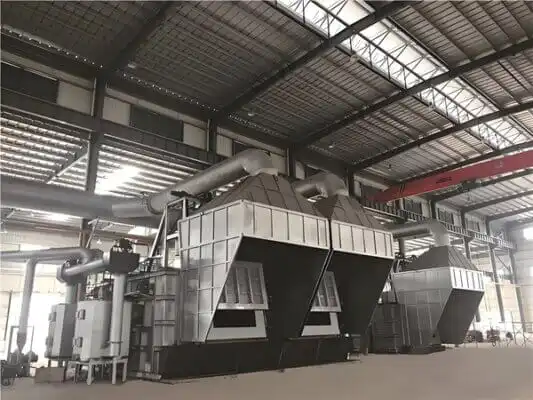
Understanding Furnace Dust Removal Chambers: Design, Function, and Benefits
Core Purpose and Fundamental Design
During the smelting, refining, and combustion processes, industrial furnaces produce large amounts of particulate matter. Most of the time, traditional filtration systems further downstream can't handle the high temperatures and corrosive gases that are produced during these processes. This problem is solved by the Furnace Dust Removal Chamber's clever placement. These chambers catch pollutants before they get into the main exhaust system because they work directly with electric arc furnaces (EAF), ladle furnaces (LF), intermediate frequency furnaces, and boilers. Because it is close to the source of the dust, it is possible to catch more than 80% of the initial furnace emissions. This makes the job of the secondary filtering equipment much easier.
The engineers who made these rooms put thermal stability and material sturdiness at the top of their list of priorities. High-quality refractory materials can be exposed to temperatures of up to 1200°C for a long time without losing their shape. Construction that doesn't rust protects against the acidic flue gases that are common in metalworking processes. The design of the chamber uses gravity, cyclonic separation, and smart flow redirection to collect as many particles as possible while keeping the furnace pressure stable, which is important for maintaining consistent production quality[1].
Operational Mechanisms Tailored to Industrial Demands
Different industrial processes need different ways to keep dust from getting into the air. During the melting phase, electric arc furnaces give off very high temperatures and metal oxide fumes. For these uses, dust-removal rooms have stronger sealing systems that keep their purity even when the temperature changes quickly. The useful volume can be changed from 0.5 m³ to 50 m³, depending on the size of the furnace and the amount of production. Smaller intermediate-frequency furnaces have small chambers that take up less floor space. On the other hand, large steel mills use large systems that can handle huge amounts of dust from continuous operations.
The practical benefit goes beyond just catching particles. Modern chambers have online ash-cleaning features that let the furnace run continuously without stopping production. This reverse air cleaning technology removes dust from inside surfaces while the heater is still running. This is a big improvement over older systems that had to be shut down for repair every so often. This leads to higher productivity and lower downtime costs, which is especially helpful for businesses that work multiple shifts or have continuous production schedules[2].
Key Benefits Driving Procurement Decisions
When dust is collected at its source, it makes the workplace much safer. Lower levels of particulates in the air protect workers' lungs from the dangers of metal fumes and burning leftovers. When initial capture rates are higher than 80%, environmental compliance is easier to handle because later systems don't have to work as hard to process the data. Many businesses find that they can meet strict emission standards without spending a lot of money on new secondary filter equipment if they can control primary dust well.
There are many ways to save money in the long run. Abrasive particles don't wear down equipment farther away from the Furnace Dust removal chamber as much, so it lasts longer and doesn't need to be replaced as often. Metal oxides and other valuable materials that have been recovered can be reused in production processes. This creates income streams that cover the cost of buying new equipment. Less dust in the air means that exhaust systems use less energy because the fans and blowers work more efficiently with less dust in the air.
Common Challenges and Maintenance Tips for Optimal Performance
Identifying Operational Issues Before They Escalate
Furnace dust removal rooms work in tough situations that slowly hurt their performance. Having too much stuff on the inside surfaces makes them smaller and messes up the flow of air, which makes them less effective at capturing. Being exposed to high temperatures causes rounds of thermal expansion and contraction that put stress on seals and joints and could lead to leaks. Over time, corrosive gases break down building materials, especially in places where changes in temperature cause condensation. By noticing early warning signs, you can stop small problems from getting worse and leading to expensive failures.
Keeping an eye on the difference in pressure inside the chamber gives you useful information about what's going on inside. Gradual increases in pressure are usually a sign that dust is building up and needs to be cleaned up. Sudden drops in pressure could mean that a seal has failed or that there are cracks in the structure that let gas escape. Discoloration patterns on the outside surfaces suggest that there are hot spots inside or that the insulation is breaking down. Taking care of these signs right away keeps performance at its best and stops unnecessary downtime.
Establishing Effective Maintenance Protocols
Schedules for routine inspections should match the amount of time the stove is used. Facilities that make a lot of steel and run nonstop can benefit from visual checks once a week and thorough reviews once a month. Lower-volume businesses can increase the time between checks to once a month for visual checks and once every three months for full reviews. Inspection procedures should check the integrity of the seals, the condition of the refractory, the amount of ash buildup, and the strength of the structure. Writing down what was found makes historical records that show patterns in performance and help with planning preventative maintenance.
Cleaning schedules are based on the type of dust and the amount of production. Online ash cleaning systems take care of normal buildup during normal operations, but manual cleaning every so often gets rid of tough deposits and lets you check all the parts inside carefully. Building partnerships with suppliers that can quickly send high-temperature wear parts like refractory panels, sealing gaskets, and cleaning system parts cuts down on downtime when replacements are needed. Professional installation and commissioning services make sure that the systems work well together, which lowers the chance that mistakes during installation will cause problems with how the systems work.
Professional Support and Safety Compliance
Following international safety standards saves both people and the money you spend on tools. To do the job right, you need to know a lot about high-temperature systems, designing pressure vessels, and working with industrial gases. Companies like Heyuanxin bring specialized knowledge that they've gained from installing more than 400 systems successfully around the world. They make sure that systems meet ISO quality management standards and environmental compliance requirements. Their group of 11 senior engineers and almost 400 professionals offers a full range of services, from on-site surveys to design, installation, and testing. Depending on the complexity of the system, these tasks are usually finished within 15 to 45 days.
Safety rules say that systems that deal with flammable dusts or dangerous atmospheres must have certain features built in. Explosion venting, spark detection systems, and emergency bypass dampers that are ATEX-certified keep buildings safe from disasters. Regular training makes sure that workers know how to use the system correctly and can spot problems that need instant attention. Keeping detailed records of all maintenance tasks, performance data, and changes makes it easier to follow the rules and figure out what's wrong when problems happen.
Comparing Furnace Dust Removal Chambers with Alternative Solutions
Technical Differences in Filtration Approaches
Cyclone separators use centrifugal force to separate particles from gas streams. They are easy to build and don't need much maintenance. These tools are great at getting rid of bigger particles, but they have trouble with smaller ones that are less than 10 microns in size. Their ability to collect dust from industrial processes is usually between 50 and 70%, which means they work well as pre-cleaners but not as complete solutions on their own. Because they don't have any working parts or filter media that need to be replaced, they have very low operating costs. However, because they aren't very efficient, they often need extra equipment further downstream.
Through fabric filtration media, baghouse filters achieve capture rates that are higher than 99%. These methods work well with small particles, but they have trouble with high temperatures. When heated above 260°C, standard filter bags quickly break down, so expensive special materials like PTFE or fiberglass are needed for furnace use. When compared to Furnace Dust removal chambers, maintenance requirements go up a lot because bags need to be replaced more often, and cleaning systems make the machines more complicated. When dealing with hot, rough dust streams, the initial costs and ongoing costs are often higher than those of properly built dust removal tanks.
Placed at the furnace, dust removal chambers take the best parts of both approaches while also addressing their flaws. Chambers get rid of the need for expensive high-temperature filter media by collecting dust at very high temperatures before gas cooling. Larger particles are efficiently removed by gravity settling and flow optimization, while impingement and turbulence control are used in strategic design to catch smaller particles. This combined method achieves catch rates higher than 80% with less upkeep and lower initial costs compared to similar baghouse systems.
Evaluating Cost Structures and Return on Investment
The initial costs of buying different pollution control methods are very different. Basic cyclone separators require the least amount of money to buy, usually 30 to 50 percent less than chamber systems with the same capacity. Baghouse filters are more expensive than chamber filters, usually 50–80% more expensive when set up for high-temperature uses. When you look at the total cost of ownership over the life of the tools, these price gaps become much smaller.
The real picture of the economy can be seen in operating costs. Chambers don't need a lot of power because they mostly use pressure differences in the vent system instead of dedicated fans. Pulse-jet cleaning systems in baghouses use a lot of electricity, and the filter bags need to be replaced on a regular basis, usually every two to four years, which costs a lot of money. Cyclones have low operating costs, but they need expensive equipment further down the line to work, which takes away their original price edge.
Long-term worth is directly linked to how long a material lasts. When high-grade refractory is used in good chambers, the service life is more than three years of constant use in harsh circumstances. When designed correctly for the area they will be used in, carbon steel or stainless steel structure parts don't rust. By comparing these features to how often other systems need maintenance and replacement parts, it's easy to see why many industrial operations think chambers are the best choice for performance, dependability, and cost-effectiveness[3].
How to Choose and Procure the Best Furnace Dust Removal Chamber for Your Industrial Needs
Essential Selection Criteria for Technical Performance
The best performance is achieved by matching the chamber specifications to the features of your furnace. Operating temperature values must be higher than the highest temperature that the furnace can exhaust by a safety margin. For most electric arc and ladle furnace uses, systems rated to 1200°C are sufficient, but lower-temperature processes may be able to use equipment with lower thermal specs. The best volume choice depends on the size of the furnace, the level of production, and the rate at which dust is produced. Undersized rooms have trouble keeping up their capture effectiveness when production is at its highest, while oversized units cost more than they need to.
Specifications for how well dust is removed should be carefully reviewed. The 80% minimum capture rate is the standard for primary chambers that are placed near the source of the dust. Better flow control, longer residence times, and improved internal systems can all lead to higher efficiencies. Environmental laws in your area say how well the whole system needs to work. For example, if the first chambers can catch 80% of the pollutants, it will be much easier for the equipment further down the line to hit its end emission goals of 99% or more.
Fugitive fumes that hurt the quality of the air in the workplace and make it harder to follow the rules are stopped by good sealing performance. Very low leakage rates, less than 0.3%, show that the engineering and manufacturing quality is very high. This standard is especially important in places where air quality needs to be very good or where valuable dust materials need to be recovered as much as possible. Integration features are very important. For example, tanks that are made to fit your furnace type and mouth size avoid expensive custom changes and installation problems.
Evaluating Manufacturers and Quality Assurance
Established manufacturers with a lot of completed projects show that they can do what they say they can do. Companies that have done hundreds of setups know a lot about the different needs and difficulties of different industries. This amount of knowledge is shown by Shaanxi Heyuan New Metallurgical Electric Furnace Equipment Co., Ltd., which has over 400 successful installations around the world since it was founded in 2008. Their range of electric arc furnaces, ladle furnaces, and full dust removal systems for mining and industrial uses gives you confidence in their technical know-how.
Certifications prove the quality of the manufacturing process and the proper way it is run. Certification as an ISO quality management system shows that the design, production, and quality control processes are structured. Getting certified as an environmental management system shows that you are committed to using sustainable production methods. Occupational health management system approval shows that worker safety is a top priority in all aspects of activities. 3A-level credit company standing shows that the business is financially stable and honest, which are important things to look for in a supplier.
Having intellectual property shows that you can come up with new ideas and are good with technology. Patent portfolios that include utility models and design improvements show that money is still being spent on product development. Shaanxi Heyuan is dedicated to improving furnace emission control technology, as shown by the fact that they own over ten utility model patents and more than ten computer software copyrights. The quality of after-sales service should be carefully examined. Suppliers who offer full support, including on-site surveys, design, installation, commissioning, and ongoing technical support, are worth a lot more than just the price of the equipment they sell. When maintenance needs to be done, output is interrupted as little as possible because of a quick supply of high-temperature wear parts and helpful expert support [4].
Practical Procurement Considerations
The channels of purchase affect both prices and the level of help. Direct ties with manufacturers usually have lower costs than networks of distributors, and they also give you access to engineering knowledge when you're making specifications. It's easier to make sense of comparisons when you get detailed quotes from more than one manufacturer. However, you should look at more than just the unit price; you should also look at delivery times, warranty terms, and services that are included.
Delivery dates affect how projects are planned and how output keeps going. Standard chamber designs usually ship between 4 and 6 weeks, but based on how complicated they are, custom setups may take 8 to 12 weeks. Delays that cost a lot of money can be avoided by planning deliveries around times when furnaces are shut down or when buildings are being built. Installation times depend on the size of the system and the conditions of the site. However, experienced suppliers like Heyuanxin can usually finish installation and commissioning within 15 to 45 days, which keeps production running as smoothly as possible.
Warranty coverage saves your investment and shows that the company that made the product is sure of its quality. For 12 to 24 months, guarantees that cover building stability, refractory materials, and mechanical parts are a good way to protect yourself. For important applications where downtime costs a lot of money, you may be able to get extended warranty options or service agreements. Making warranty terms clear about things like replacement parts, upkeep needs, and situations that might void coverage helps avoid arguments and keeps expectations reasonable.
Enhancing Furnace Dust Removal Chamber Efficiency: Practical Optimization Strategies
Identifying Performance Bottlenecks Through KPI Monitoring
Systematic performance measurement shows areas that can be improved. Tracking the effectiveness of capture over time shows that it is slowly going down, which needs to be fixed. By measuring the amount of dust at the chamber's entry and exit points, you can figure out how well the system works in different production settings. By comparing the real results to the design specs, you can tell if the system is working as it should or if it has problems that need to be fixed.
Differential pressure monitoring lets you see what's going on inside in real time. Stable pressure drops mean that air is flowing smoothly and the ash is being removed properly. Increasing pressure could mean that there is a buildup that needs to be cleaned up or that the seal is wearing down, which would let gas pass through. By connecting changes in pressure to levels of production and maintenance work, it is possible to find the best times to clean and spot problems before they have a big effect on performance.
Analysis of energy use shows ways to be more efficient. Baseline performance is set by keeping an eye on how much electricity fans and cleaning systems use. Increases that don't make sense could mean that the system is having too much resistance because of dust buildup or mechanical problems in rotating equipment. Using variable speed drives or better controls to make fans work better can cut down on energy costs while still collecting enough dust.
Technological Upgrades and Retrofitting Opportunities
Most of the time, focused changes can make existing chambers better. Adding or improving insulation stops heat loss and stops condensation, which forms ash caking on the inside of surfaces. Using more modern materials in closing systems improves control and cuts down on fugitive emissions. By adding automated ash removal systems to old systems, the need for human cleaning and the downtime that comes with it are eliminated.
Equipment upgrades go hand in hand with process improvements. Improving how the furnace is charged lowers the amount of dust that is made at the source, which makes it easier to load the chamber. Changing the exhaust flow rates ensures that the capture velocity is right without causing the chamber pressure drop to be too high. Using chambers for primary capture followed by high-efficiency polishing filters in a staged filtration approach achieves strict emission limits while extending the life of equipment and lowering operating costs.
Real-time monitoring tools let managers see what's going on in the background, which helps them be more effective. Temperature sensors placed all over the room find hot spots that show refractory breakdown or strange dust buildup. Pressure sensors let cleaning processes be controlled automatically based on real-time conditions instead of set schedules. Patterns can be found through data logging and trend analysis, which help with planning maintenance and improving processes.
Demonstrating Return on Investment Through Case Studies
A steel mill in the area put dust-removal tanks inside its electric arc furnaces, which caught 85% of the metal oxide fumes at the start. Because of less particulate matter, the downstream baghouse filter bag life increased from 18 months to 36 months, which cut the cost of replacement by over 40%. The value of the recovered iron oxide that was put back into production was more than $50,000 per year. The savings brought back the chamber's investment in just 26 months.
In the western United States, mining companies modified old smelting furnaces by adding custom-designed chambers that were the right size to handle different production rates. Better dust collection cut down on noticeable pollution during busy production times, which resolved community concerns and stopped any possible regulatory action. The time it took to maintain induced draft fans went down by 60% because they needed less service, as they didn't wear out as quickly. The plant's management estimated that the savings over three years would be about $180,000, compared to the $95,000 spent on the chamber.
After failing several times to meet air quality standards, an intermediate frequency furnace operation that served an automobile casting plant added chambers. The right-sized cells gave them an 82% capture rate, which meant that their current baghouse system could keep outlet emissions below 10 mg/Nm³ all the time. Avoiding fines from regulators and keeping up with production schedules without having to replace the expensive baghouse saved the company money right away and set it up for future capacity growth[5].
Conclusion
Advanced emission control through properly designed dust removal rooms has measurable benefits for all metalworking processes. By catching particles at very high temperatures right at the furnace source, these systems protect equipment further down the line, make the air quality in the workplace better, and make sure that rules are followed. Making the smart choice to buy a high-performance Furnace Dust removal chamber as the main dust-control device has operational benefits that go far beyond just lowering pollution. A strong return on investment is achieved by making tools last longer, recovering valuable materials, lowering the need for upkeep, and using less energy. If you choose makers with a lot of experience and good customer service, you can be sure that your emission control systems will work reliably for the whole time they are supposed to, supporting long-term industry production for years to come.
FAQ
1. How often does a dust removal chamber require maintenance?
How often maintenance needs to be done depends a lot on how hard the heater is working and what kind of dust it makes. Continuous shifts of high-volume steel production usually need detailed checks every month and full repairs every three months. For businesses with less work, the time between inspections can be shortened to three times a year, with major upkeep once a year. With online ash cleaning tools, you don't have to do as much by hand. Monitoring differential pressure is the most reliable way to tell when cleaning is needed, since a large drop in pressure means that too much material has built up and needs to be removed at regular intervals.
2. What distinguishes dust removal chambers from standard baghouse filters?
Instead of fabric filtration, chambers use gravity settling and flow optimization to collect dust at very high temperatures right in the furnace. This method works with temperatures up to 1200°C and doesn't need expensive special filter media. Baghouses have higher final efficiencies, but they need gas cooling and filters to be changed often. As main capture devices that protect equipment further down the line, chambers work well, and baghouses are usually used for final cleaning and filtration. A staged approach that uses both technologies together is often the best way to solve the problem.
3. Can existing furnaces be retrofitted with dust removal chambers?
Of course. Many facilities upgrade their emission control systems to meet stricter rules or make the workplace better, which is a common use of retrofitting. With custom engineering, chambers can be made to fit perfectly with current furnace designs and mouth shapes. On-site studies look at how much room is available, how much structural support is needed, and how the ductwork is connected. Suppliers with a lot of experience do retrofits during planned maintenance breaks, which keeps production as smooth as possible. The important thing is to work with furnace makers that offer full design, installation, and testing services that are customized to your furnace's configuration.
Partner with Shaanxi Heyuan for Advanced Emission Control Solutions
Long-term business success depends on choosing the right Furnace Dust removal chamber supplier. Shaanxi Heyuan offers complete solutions backed by years of experience in many industrial fields. Our specially designed chambers are used in electric arc furnaces, ladle furnaces, intermediate frequency furnaces, and mining operations. They can capture more than 80% of the heat at temperatures up to 1200°C. If you need a trusted dust removal chamber manufacturer for new installations or retrofits, our team can help you from the first site studies to design, manufacturing, installation, and commissioning. This process can usually be finished in 15 to 45 days. Get in touch with our technical experts at sxhyyj606@163.com to talk about your unique emission control needs and find out how our patented technologies, ISO certifications, and committed after-sales support can help your facility be better for the environment while also cutting costs.
References
1. Environmental Protection Agency. (2021). Control Technologies for Hazardous Air Pollutants: Handbook. EPA-625/6-91/014. Available at: https://www.epa.gov/air-emissions-monitoring-knowledge-base/control-technologies-hazardous-air-pollutants
2. American Society of Mechanical Engineers. (2020). Industrial Ventilation Systems: Design, Installation, and Maintenance Standards. ASME PTC 38-2020. Available at: https://www.asme.org/codes-standards/find-codes-standards/ptc-38-operation-maintenance-exhaust-systems
3. Institute of Clean Air Companies. (2022). Comparison of Particulate Control Technologies for Industrial Applications. ICAC White Paper Series. Available at: https://www.icac.com/resource-library/white-papers
4. International Organization for Standardization. (2019). Quality Management Systems — Requirements. ISO 9001:2015. Available at: https://www.iso.org/standard/62085.html
5. Steel Manufacturers Association. (2021). Best Practices for Electric Arc Furnace Emission Control Systems. SMA Technical Report 2021-07. Available at: https://www.steelnet.org/resources/technical-reports
6. For more information about our complete range of metallurgical equipment and emission control solutions, visit hyyjfurnace-supply.com or reach out to our engineering team directly.


YOU MAY LIKE