
Electric submerged arc furnace: innovative systems for lower emissions
June 24, 2026
Electric submerged arc furnace technology is a completely new way to do industrial processes. It reduces emissions by a large amount through clever engineering. These special systems use both resistance and arc heating to make ferrosilicon, ferromanganese, and other important metals quickly and effectively. They do this by immersing electrodes under the charge material. When compared to open-arc options, buried-arc operations naturally keep process gases inside, reducing heat loss and making the melting environment cleaner. This design theory directly addresses problems with the environment while keeping the high-temperature conditions that are needed to turn refractory ores into high-purity products.
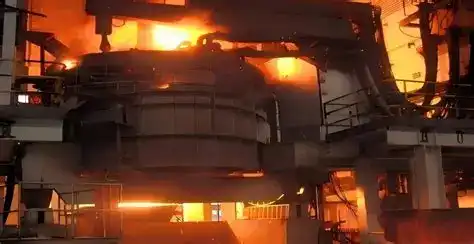
Understanding Electric Submerged Arc Furnace Technology
Core Operational Principles
The buried arc design is very different from the usual electric submerged arc furnace burners used to make steel. Instead of putting the spark out in the open air, the electrodes go deep into the furnace burden. The main heating is provided by the electrical resistance in the slag and charge material. At the tips of the electrodes, micro-arcs form, which raise the temperature above 2,000°C while the charge on top works as a blanket to keep the heat in. This arrangement keeps heat inside the furnace, which greatly lowers the radiant energy losses that happen in open-arc systems.
Key Technical Components
Modern underwater arc systems are made up of several important parts that work together. Power with low voltage and high current comes from the transformer and short network. Typical voltages range from 100V to 1000V, and currents can reach hundreds of kiloamperes. Electrode systems use either Söderberg electrodes that bake themselves or carbon electrodes that have already been baked. Hydraulic slipping mechanisms keep the right soaking level. Copper busbars that are cooled by water keep reactive power losses to a minimum, and the furnace shell has strong refractory linings and good cooling circuits. Modern PLC control systems with SCADA connections allow exact changes to be made in real time, which makes the best use of energy during every smelting cycle.
As the load moves down through the burner, it hits higher and higher temperatures, which warms up the raw materials with rising process gases. This countercurrent heat exchange makes the thermal performance a lot better—often above 85% compared to 60–75% in regular open furnaces. The melting alloy gathers at the bottom of the pit, separated from the lighter slag by differences in density. This lets tapping happen on a regular basis without stopping the ongoing operation.
Versatile Metallurgical Applications
Submerged arc technology works great in a lot of different production situations. The most common use is in ferroalloy processing, which includes ferrosilicon, ferrochrome, and silicomanganese. These are important alloying elements for making stainless steel and carbon steel. The furnace's ability to reach very high temperatures is used to make calcium carbide while also collecting CO as a waste product for use as chemical fuel or for energy recovery. For matte smelting, non-ferrous businesses use these methods to get copper, nickel, and platinum group metals out of complicated polymetallic concentrates. The stable temperature and exact control of the gas are good for making silicon metal. Each use shows how the submerged arc concept can be changed to meet the needs of different metals while still working well in the surroundings.
Innovations Driving Lower Emissions in Electric Submerged Arc Furnaces
Advanced Automation and Control Systems
Precision operations control is the first step in lowering emissions. Modern electric submerged arc furnaces have complex PLC systems that keep an eye on the position of the electrodes, the amount of power being sent, the load level, and the atmosphere inside the furnace at all times. Real-time data analytics allow for instant changes, which stops the operational errors that usually lead to emission jumps. Automated load distribution systems make sure that the charge layers are all the same. This keeps the permeability for process gas flow constant and stops areas from getting too hot.
Predictive algorithms look at past performance data along with current monitor readings to figure out what repairs need to be done before the equipment breaks down. This proactive method stops unexpected downtime and the emission spikes that come with starting up and shutting down. Automated electrode slipping keeps the electrodes fully immersed, which stops surface arc exposure, which greatly increases particulate pollution and energy loss.
Closed and Semi-Closed Furnace Configurations
New engineering techniques for closing furnaces have changed the way emissions are managed in a big way. Closed furnaces have sealed tops that keep almost all process gases, mostly carbon monoxide, inside and stop them from escaping into the air. Before going to energy recovery boilers or chemical synthesis plants, these systems send the gases they collect through cleaning equipment. Waste heat recovery systems take heat from off-gases and turn it into steam that can be used to make electricity or heat processes. This makes the whole building 15–25% more efficient.
Semi-closed configurations balance gas capture with operating freedom, letting more work be done while still controlling emissions well. Integrated dust collection systems have electrostatic precipitators or baghouse screens that get rid of particles before the gas is released. The most stringent international standards for air quality are met by these filter devices, which regularly remove 99.5% of particles.
Optimised Furnace Geometry and Material Science
Recent changes to designs focus on the shape of the furnace shell to better retain heat and lower the need for cooling. New refractory materials that are better at resisting heat shock have made linings last longer, from 3 to 5 years to 8 to 10 years. This means that maintenance-related emissions are lower. High-conductivity anode materials improve the spread of current density, reducing hot spots that speed up the breakdown of refractory materials and raise the frequency of maintenance.
A better cooling circuit design exactly targets heat extraction zones, keeping structural parts safe while letting freeze-lining form on the inside walls of the furnace, which is a good thing. This skull layer covers the refractories below and adds to the heat protection. This helps the system stay stable over time with little impact on the environment.
Comparing Electric Submerged Arc Furnace with Alternative Furnace Types
Efficiency and Environmental Performance
When looking at different burning technologies, the electric submerged arc furnace clearly stands out in some situations. For smaller amounts, induction furnaces are great for controlling the melting process, but they don't have the volume or reducing atmosphere needed to make ferroalloys from oxide ores. Blast furnaces can handle a lot of work, but they need coke as both a fuel and a reducing agent. This means they release a lot of CO2 and need a lot of complicated equipment to clean the gas.
When reducing atmosphere creation is taken into account, submerged arc technology uses 2,800 to 3,500 kWh per ton of ferrosilicon, which is 20 to 30 per cent less energy than other ways. Carbon is only used as a reducing agent and not as a main fuel, so emission patterns show a lot less CO2 density. Particulate emissions stay well below 50 mg/Nm³ when dust is collected properly. This is in contrast to 100–200 mg/Nm³ for options that are not managed well.
Capital Investment and Operational Economics
The initial investment for submerged arc installations is usually between $800 and $1,500 per kVA of fixed capacity. This depends on how complicated the design is and what other systems are needed. Even though the price is higher than basic induction units, the investment pays off in better productivity for high-volume processes that run all the time. Maintenance needs are smaller for systems that are properly run, so they are available 90–95% of the time compared to 80–85% for blast furnace routes.
Energy costs make up 40 to 50 per cent of direct output costs, so the 20 to 30 per cent efficiency edge is important from a business point of view. Facilities that are close to hydropower or cheap green power sources have an edge in the market. Total cost of ownership analysis over typical equipment lifespans of 15 to 20 years constantly prefers submerged arc systems for making more than 20,000 tons of ferroalloys per year.
Strategic Supplier Landscape
Different companies around the world use different technologies to make submerged arc devices. Well-known European sellers stress modular designs that let you add more power and improve technology as the equipment wears out. Asian companies focus on making products that are both cheap and reliable in emerging markets. Regional equipment providers, such as Heyuanxin, offer custom engineering that takes into account the properties of the raw materials and the rules and regulations in the area. They also offer a range of flexible power levels, from 6,300 kVA to 72,000 kVA, as well as full operating support.
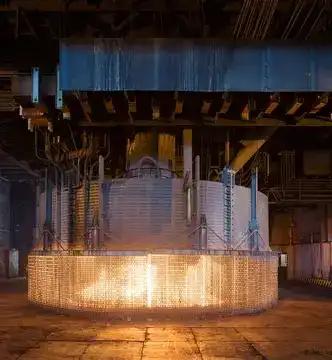
Procurement and Implementation Guide for Electric Submerged Arc Furnaces
Critical Purchasing Considerations
Accurate capacity planning that is in line with output goals and the power infrastructure that is accessible is the first step to successful procurement. When choosing the right size transformer, you need to think about the power factor (the best systems keep it at 0.92) and the needs for grid safety. Choosing between self-baking and pre-baked electrode setups relies on the supply of graphite in the area, the practical skills of the team, and the environmental permits. Electric submerged arc furnaces using self-baking systems have lower consumable costs but need careful management of the baking zone.
Specifications for cooling systems should be carefully looked over. For shell and roof designs that use water cooling, they need a steady flow of water at a temperature between 15°C and 25°C, with closed-loop recycling to reduce the amount that is used. Hydraulic tilting devices (usually in the 0–12° range) make it easy to tap and do repairs, but the specs should match the loads and clearance limits on the building floor.
Service options after the sale have a big effect on lifelong costs. Support packages that cover everything should include help with setup, training for operators, predictive maintenance programs, and ensured supply of spare parts. Startup risk is greatly reduced when suppliers offer 24-month warranties and on-site technical help during the first few months of business.
Installation and Commissioning Best Practices
To prepare a site, you need strong supports that can hold 500 to 2,000 tonnes of tools and molten charge weight. To protect the quality of the grid, the electrical infrastructure needs to provide clean, stable power with noise filters. Installing a refractory requires expert workers who have worked with carbon block or magnesia linings before. The long-term performance of the lining depends on the right curing processes.
Before turning on the power, the commissioning procedures should include thorough electrical testing, such as checking the insulation resistance, the contact resistance across all busbar joints, and the transformer turns ratio. Controlled temperature jumps happen over 10 to 15 days after the initial heat-up. This lets refractory systems settle without damage from thermal shock. The first charge makeup uses carefully sized materials to set up stable electrical resistance. Power is slowly increased until the maximum capacity is reached.
Operational Excellence and Maintenance
Disciplined operational methods are needed for long-term success. Managing the burden keeps the particle size distribution and carbon-to-ore ratios stable. This stops changes in resistance that could make the electrode position unstable. Monitoring electrode usage compares wear rates to known standards, finding deviations that point to process issues before they become big problems.
As part of routine maintenance, the quality of the cooling water is checked, the hydraulic fluid is analysed, and the thickness of the refractory is measured by infrared cameras or by poking by hand during planned downtimes. The contact areas of the electrode holder and clamp need to be checked and cleaned on a regular basis to avoid localised heating and failure before their time. Trending data from SCADA systems shows that performance is slowly getting worse. This lets condition-based maintenance figure out the best time to replace a part.
Future Trends and Strategic Recommendations for ESAF Adoption
Digital Transformation and Industry 4.0 Integration
In the next version of electric submerged arc furnace systems, there will be huge networks of sensors that will record hundreds of process factors millisecond by millisecond. Machine learning algorithms will find small trends that point to coming operational problems. This will allow for quick fixes that stop quality problems or unplanned outages. Digital twin technology will let operators try operational situations online before they happen, which will help them make the best production plans without putting people in danger.
With remote tracking, equipment providers will be able to offer proactive support by looking at performance data and suggesting changes before customers even notice problems. Cloud-based benchmarking tools will let you compare the anonymous performance of similar setups, helping you find the best ways to do things and find ways to make things better. Within five years, these digital advances should make things 5–8% more efficient and cut down on repair costs 30–40%.
Evolving Regulatory Landscape
Around the world, rules about the environment are getting stricter, especially when it comes to greenhouse gas pollution and air quality. The Carbon Border Adjustment Mechanism in the European Union and similar policies in other places will punish production routes that use a lot of carbon, which will help efficient technologies make more money. More and more places in North America require the best control technology, which means that for new installs, furnaces must be stopped and the gas must be cleaned thoroughly.
Facilities that use low-emission technologies ahead of time are better prepared to follow the rules and can take advantage of current reward programs. Many places offer faster depreciation, tax credits, or direct funding for equipment updates that show they cut emissions by a large amount. Capital investments that are timed to coincide with the availability of reward programs can boost the economics of a project by 10 to 15 per cent.
Investment Strategy and Supplier Partnerships
To stay competitive in the long term, you need to find a balance between short-term cash restrictions and lifecycle value. Facilities with running horizons of 10 to 15 years should put energy efficiency and emission performance ahead of lowering startup costs. Better designs usually pay for themselves in practical savings within 3 to 5 years. Modular designs that let you add more capacity in the future protect you from unclear demand while letting you make small investments.
Choosing a supplier should focus on how committed they are to technology innovation and how well they can provide long-term help. Partners who give continued engineering teamwork, performance optimisation services, and ways to upgrade technology are more valuable than partners who just sell tools. When it comes to facilities in developing markets, regional providers that know about the local raw materials and rules are often more responsive than global businesses that are far away.
Conclusion
Electric submerged arc furnace technology has been shown to lower emissions while keeping up the quality and efficiency standards needed for modern metalworking. Automation, burner design, and emissions collection improvements have turned these systems into production tools that are good for the environment and meet the highest international standards. Due to their better energy economy, lower emissions, and operating flexibility compared to other technologies, submerged arc systems are the best choice for making ferroalloys and calcium carbides and working with non-ferrous materials in specific ways. Strategic procurement that focuses on source knowledge, full support, and design that is ready for the future makes sure that projects work at a competitive level for many years while also adapting to changing environmental standards.
FAQ
What causes electrode breakage and how can it be prevented?
Electrodes usually break because of thermal shock when temperatures change quickly, bad paste quality in self-baking electrodes, or too much mechanical stress from fast drops in charge. Some ways to stop this from happening are to keep the heating rates in the baking zone under control, make power changes slowly instead of quickly, and make sure that the load is spread out evenly so that holes don't form around the electrodes. Monitoring slipping rates and contact pressure on a regular basis can also find problems before they become too big to fix.
How does electrode immersion depth affect emissions?
The electric submerged arc furnace principle, which describes low-emission function, stays in place when the electrodes are properly immersed. Too much immersion can damage the fire and make the system unstable. Not enough depth leaves the arcs open to the air, which greatly increases the loss of radiant heat and particle emissions. Advanced electrode control systems constantly change their position based on electrical factors and burden level sensors. This keeps the electrodes immersed in the right way so that they heat up efficiently while also being stable and having little effect on the surroundings.
What power factor levels indicate optimal operation?
Power factors of 0.92 or higher are reached by well-designed submerged arc systems that use a secondary busbar shape that reduces inductive reactance. Lower power factors mean that too much reactive power is being used, which lowers the transformer's capacity usage and raises the cost of energy. Facilities with a low power factor should check the quality of the busbar contacts and the placement of the electrodes. They should also think about installing a capacitor bank to make up for the lost reactive power. This will increase the total electrical efficiency by 5 to 10 per cent.
Partner with Heyuanxin for Advanced Submerged Arc Solutions
Shaanxi Heyuan New Metallurgical Electric Furnace Equipment Co., Ltd. offers fully total submerged arc systems that are designed to be as efficient as possible while having as little of an effect on the environment as possible. We have more than ten utility model patents and ISO 9001, ISO 14001, and OHSAS 18001 certifications to back up our wide range of services, from the initial design phase to the completion phase. Our electric submerged arc furnaces can handle a wide range of production needs in ferroalloy, silicon metal, and speciality metallurgical areas, with capacities ranging from 6,300 kVA to 72,000 kVA.
If you choose Heyuanxin as your provider, you can get unique engineering that takes into account your specific raw materials, power infrastructure, and regulatory environment. Our advanced PLC control with SCADA interfaces, energy-efficient shell designs, and integrated dust collection systems all work together to lower running costs and meet international environmental standards. Your investment will be safe for decades to come thanks to full after-sales support, such as spare parts available, user training, and predictive maintenance services.
Get in touch with our expert team at sxhyyj606@163.com to talk about how our tried-and-true buried arc technology can help you meet your emission reduction goals while also increasing your production. You can look at detailed specs and learn why mining companies from South Korea to Paraguay trust Heyuanxin to provide them with reliable and cutting-edge furnace solutions by going to hyyjfurnace-supply.com.
References
1. Tangstad, M. (2013). Ferroalloy Production: Principles and Technologies. Academic Press Metallurgy Series.
2. Gasik, M. (2018). Handbook of Ferroalloys: Theory and Technology. Butterworth-Heinemann Technical Publications.
3. International Energy Agency. (2020). Energy Technology Perspectives: Clean Energy Technology for Industrial Processes. IEA Publications.
4. European Commission Joint Research Centre. (2019). Best Available Techniques Reference Document for the Non-Ferrous Metals Industries. EU Publications Office.
5. Olsen, S.E., Tangstad, M., and Lindstad, T. (2017). Production of Manganese Ferroalloys. Tapir Academic Press.
6. World Steel Association. (2021). Steel Statistical Yearbook: Sustainability and Environmental Performance Metrics. WorldSteel Publications.


YOU MAY LIKE