
Calcium Silicon Furnace: efficient smelting with smart energy management
June 23, 2026
Precision, dependability, and cost-effectiveness are all important in today's metal production. A calcium silicon furnace is a special kind of furnace that makes silicon-calcium alloys (Ca 28–31%, Si 55–65%), which are mostly used to remove oxygen and sulphur from high-grade steel. Advanced thermodynamic design and smart energy systems work together in these burners to make uniform output while keeping costs low. As steel mills and industrial plants look for equipment that is both efficient and long-lasting, they need to know how these furnaces use smart energy management to make smart purchasing decisions that help them meet their production goals and be good to the environment.
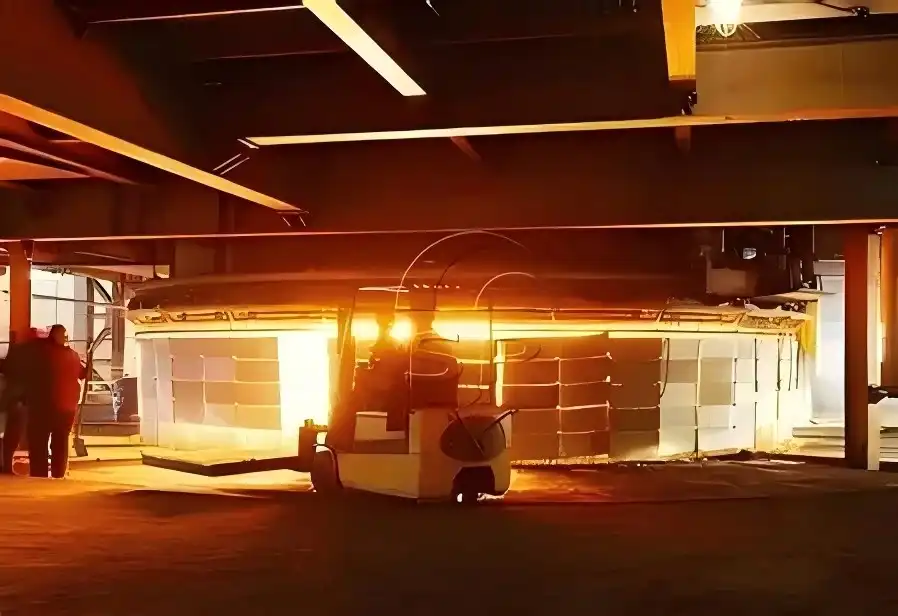
Understanding Calcium Silicon Furnaces and Their Operation
Fundamental Design and Raw Material Requirements
These days, furnaces are built around a submerged arc furnace arrangement that works best for carbothermic reduction processes. In contrast to regular ferroalloy furnaces, these systems need to keep temperatures between 1,700°C and 2,000°C, which is much higher than what is needed to break through the thermodynamic stability of calcium oxide. Specialised carbon block hearths or carbon ramming paste with better thermal conductivity are built into the structure of the furnace. This makes it resistant to the acidic effects of molten calcium and high-basicity slags.
High-purity silica (quartz), lime (calcium oxide), and carbonaceous reducing agents like coke, charcoal, and sometimes wood chips are used as raw materials. The wood chips do more than just lower the calcium; they also keep the load porous, which stops dangerous gas explosions from happening when calcium is reduced, which is common. This method of managing burdens solves one of the biggest safety problems in the business while also making reactions more efficient.
Key Chemical Reactions and Operating Temperatures
A controlled set of events make up the smelting process. When silica mixes with carbon, silicon is made. At the same time, calcium oxide is reduced in the hot spots near the electrode tips. Keeping the carbon balance just right stops electrode tip silicification, which is a typical way for things to break down and costs more to remedy. To get through the deep, highly resistant load, the calcium silicon furnace uses secondary voltages that are higher than those used in most ferroalloy units.
Temperature control systems keep an eye on several areas of the furnace all the time and change the power input to keep the reaction conditions at their best. This accuracy makes sure that the metal always has the same make-up and meets strict standards like Ca31Si60 or Ca28Si60 grades with a carbon content below 1% and very few sulphur and phosphorus flaws, which are necessary for making clean steel.
Integration of Smart Energy Management
Optimising the electricity setup is the first step in smart energy management. When compared to normal ferroalloy units, these furnaces usually have a lower power factor (0.65-0.75), which means that the high-voltage side needs strong series capacitor adjustment. Modern control systems keep an eye on electrical factors in real time and use On-Load Tap Changers (OLTC) to instantly change the positions of transformer taps to keep the best power delivery even when conditions change.
When off-gases and cooling circuits give off heat, energy recovery systems take it and use it to heat up raw materials or make steam for other processes. This closed-loop method can raise the total energy efficiency rate to 95% or higher, which will greatly lower the cost of making one tonne of alloy. Real-time data analytics platforms gather operating measures that allow for planned preventative maintenance that keeps equipment from breaking down without warning and increases its useful life beyond ten years.
These unified methods have many advantages in different areas. Lowering the cost of power, which is the biggest running cost in alloy production, is directly linked to better energy efficiency. When automatic systems take over process control, human error goes down, and product consistency goes up. Some of the environmental benefits are lower greenhouse gas emissions per tonne of output and lower particle emissions from better off-gas control. These changes make procurement managers and engineers more confident when they are looking for furnace technologies that meet strict environmental and industry standards and give a steady return on investment.
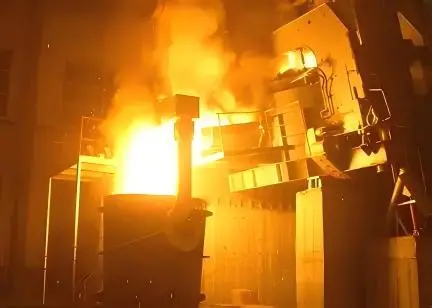
Comparing Calcium Silicon Furnaces with Alternative Smelting Technologies
Energy Consumption and Operating Cost Analysis
The main cost factor when looking at mining methods is the amount of energy used. Standard submerged arc furnaces used to make ferrosilicon use around 8,000 to 9,000 kWh per tonne of product. Specialised Calcium Silicon Furnaces, on the other hand, need around 9,500 to 11,000 kWh per tonne because they need more energy to reduce calcium. But this comparison gets more complicated when you look at how fast the electrodes wear out and how the refractory wears.
Although electric arc furnaces can be used for many different metallurgical tasks, they are not stable at high temperatures for long periods of time, which is needed for calcium-bearing metals. Their batch-based process causes heat cycles, which speeds up the breakdown of refractory and raises the electrode consumption. Continuous operation types are more cost-effective because they keep the heat levels steady and protect the linings from thermal shock.
Output Quality and Industrial Applications
Specialised furnaces are different from general-purpose ones because of the uniformity of the alloy makeup. When making calcium silicide, the calcium level has to be closely monitored because changes of just 2% to 3% can have a big impact on how well the metal works in steelmaking. Specialised furnace designs keep reaction zones steady so that batches of the same makeup are made, which cuts down on the need for expensive reblending.
Controlling impurities is part of the mechanical quality. To make clean steel, you need silicon and calcium with very little aluminium, sulphur, and phosphorus. These requirements can be met effectively by furnace designs that use protected tapping systems and controlled atmospheric conditions. Open-bath technologies, on the other hand, have problems with contamination that lower the quality of the final steel.
Performance Metrics and Capacity Considerations
When B2B clients are planning building growth or new projects, production capacity is one of the most important things they look at. Modern Calcium Silicon Furnaces with power ratings between 15 and 25 MVA can produce more than 10,000 tons of steel each year, which makes them good for supporting combined steel mill operations or serving area steel businesses. Smaller units, between 5 and 10 MVA, give special metal makers or places with limited electricity infrastructure more options.
Scalability research needs to look at things like the availability of power supplies, the handling of raw materials, and the trends of market demand. When you figure out your return on investment (ROI), you should include not only the cost of the capital equipment but also the cost of investments in infrastructure like transformer substations, cooling water systems, and dust collection facilities. Facilities that have used a submerged arc furnace before usually find it easy to transfer technology, using their operating understanding to make changes that meet the needs of making calcium-bearing alloys. This fair evaluation system helps purchasing teams and their OEM partners make sure that the furnaces they choose meet both short-term business needs and long-term strategic placement in competitive markets.
Smart Energy Management: Optimising Furnace Performance and Costs
Identifying Common Energy Inefficiencies
A lot of the time, practical problems that can be avoided cause alloy casting to lose energy. Gas permeability occurs when the load isn't properly prepared, so operators have to put in more power to make up for the uneven heat distribution. When the electrodes are not placed correctly, the spark becomes unstable. This turns the electrical energy into heat that is not useful instead of chemical reduction work. Outdated control systems react too slowly to changes in the process, letting temperatures rise or fall too much, which wastes energy and makes material that doesn't meet specifications and needs to be reprocessed.
These losses are made worse by transformer errors. Older units that don't use modern core materials and winding designs can lose 2 to 3 per cent of the energy they receive as heat before it even gets to the furnace. Facilities have to pay demand charges for low power factor because they don't have enough reactive power correction. This adds thousands of dollars to their monthly electricity bills without making any more product.
Advanced Technologies for Waste Reduction
Automation systems change the way energy is managed from being reactive to being proactive. In modern electrode regulation systems, hydraulic or air controls with millimetre-level placement keep the ideal arc length even when the load settles in different ways. This accuracy stops electrodes from breaking, which would stop production, and gets rid of the carbon inclusions in the metal that happen when electrodes are buried.
Multiple data streams are used by real-time sensor networks to keep an eye on the conditions inside the oven. Gas monitors check the amount of carbon monoxide in off-gas streams, while thermocouples keep track of changes in temperature across the load. At millisecond intervals, electrical instruments record voltage, current, and power factor. Machine learning systems look through these streams of data and find small changes in patterns that happen before equipment breaks down or processes get messed up. Operators get signs ahead of time, which lets them fix problems before they affect production or the energy economy.
Maintenance Best Practices for Peak Performance
Maintaining energy efficiency requires following strict upkeep rules. Weekly checks of the electrode positions make sure that the arc shape stays the same, and monthly checks of the load permeability find problems with compaction before they affect the calcium silicon furnace performance. Measurements of the refractory thickness every three months help with making repairs. This keeps areas from getting too thin, which would let too much heat escape and cause run-out events where molten metal escapes containment.
Maintenance on electrical systems is just as important. An annual study of the transformer oil can find insulation that is starting to break down, which stops problems that stop production for weeks. Regular checks of the capacitor banks make sure that the reactive power adjustment works well, keeping the power factor above 0.95 to keep energy demand charges as low as possible. By using less energy, making tools last longer, and making operations more reliable, these methodical methods save real money. More and more, engineering managers and procurement specialists are realising that smart energy solutions give businesses competitive benefits that go far beyond the initial investments in capital equipment. This sets up businesses to make money in markets where energy is limited.
Procurement Guide: Choosing and Buying the Right Calcium Silicon Furnace
Essential Technical and Commercial Criteria
The amount of operational capacity that is needed should match up with actual market assessments and the supply of raw materials. Oversizing equipment costs more and makes operations less flexible, while undersizing it limits the company's ability to grow. Making the right size choices is based on a careful demand forecast that takes into account area steel industry trends, competitor capacity, and customer contract commitments.
Details about the energy economy should be looked at more closely than just the top numbers. Not just optimal steady-state numbers, but also specific details on how much power is used in a range of operational situations. Total cost of ownership is affected by how much the electrodes are used, how long the refractory lasts, and how much extra power is needed. Suppliers should showcase studies from similar sites that show how the Calcium Silicon Furnace actually worked over long periods of time.
Supplier image goes beyond what's written in marketing papers. Referrals from current users in the same industry can tell you a lot about how reliable the technology is, how good the commissioning support is, and how quickly the company can respond to problems during operations. Site visits to sites that are already up and running show how the equipment really is and let you talk to plant staff directly about their experiences with both the equipment and the manufacturer's support organisation.
Certifications and Support Services
Quality badges give unbiased proof of how well a company can make things and run its operations. ISO 9001 certification shows that quality methods are recorded, and ISO 14001 certification shows that a company cares about environmental management. Certifications that are specific to an industry, like ASME pressure tank rules for building transformers or CE marking for European markets, make sure that all regulations are followed.
After-sales service deals from different sellers are very different. Comprehensive deals should include reaction times for technical questions, emergency help options, such as the details of spare parts, and regular visits to improve performance. Training programs for operations and repair staff make sure that information is shared so that equipment keeps working well after it has been put into use. Some makers offer performance warranties that are based on how much energy is used or how much is made. This gives buyers who don't like taking risks extra peace of mind.
Practical Sourcing and Installation Considerations
Standardised comparison models are needed to evaluate quotes. Ask for bids that include the full scope, which should include extra systems like transformers, cooling circuits, tools for collecting dust, and control systems. Make it clear who is responsible for what in terms of civil works, electricity infrastructure, and methods for moving raw materials so that there are no cost surprises as the project is being carried out.
When negotiating prices, the starting cost of the capital should be weighed against its total value. The financial risk of a project is lower when payment terms are extended or payment goals are based on performance. When you commit to a certain amount of volume across various furnaces or facilities, you can often get better prices and faster technical help.
Delivery times and fitting services have a big effect on project plans. It can take 6 to 12 months to get speciality parts like big transformers or custom refractory forms. Manufacturers that offer "turnkey" installation services make project planning easier, but buyers should check the skills of the installation team and look at examples of similar projects that have already been finished. Commissioning help during the initial startup is very important because experienced techs can quickly find and fix problems, which speeds up the process of getting to stable production. This all-inclusive framework for purchasing allows businesses to easily find equipment that meets their needs, their budgets, and the capabilities of their supply chains. It also helps them build relationships with suppliers that will support their long-term operational success.
Safety and Compliance in Calcium Silicon Furnace Operations
Essential Operational Protocols
Metallurgical processes that happen at high temperatures are inherently dangerous and need strict safety rules. When charging a calcium silicon furnace, the amount of water in the raw materials must be taken into account, since water vapor expanding can cause intense burden explosions that shoot molten material into the air. These problems can be avoided by using standard methods for drying materials and checking for moisture before charging. People who work with tapping are exposed to molten metal and slag at temperatures higher than 1,600°C. They need to wear a lot of protective gear, like aluminised heat-resistant suits, face shields, and respirators to protect their lungs from the fumes.
Gas control systems keep carbon monoxide from building up in closed areas. Continuous gas tracking, automatic ventilation, and warning systems for workers all work together to make sure that the workplace is safe. Emergency reaction plans cover all the possible situations that could happen, such as power outages during tapping operations, electrode breaks, and refractory breakouts. Regular safety drills keep workers ready, and processes for investigating incidents find the root causes and take appropriate actions that stop them from happening again.
Environmental Sustainability and Emission Standards
Modern facilities have multistage dust collection systems that keep particulate emissions below 20 mg/Nm³. This meets the strict EPA standards set out in 40 CFR Part 60 Subpart Z for facilities that make ferroalloys. Amorphous silica dust is made when calcium silicate is made. Bag-house filter systems collect this dust, protecting both the environment and the health of workers' lungs. Scrubbers may be part of off-gas treatment devices to get rid of acid gas when sulphur-containing materials join the process.
Increasing energy efficiency helps reach goals for reducing climate gases in a direct way. For every 5% increase in furnace energy efficiency, carbon dioxide emissions drop by about 50–75 kg per tonne of metal made, based on the average carbon intensity of the U.S. power grid. This benefit for the environment goes along with lower running costs. It helps companies keep their green promises, which are becoming more important to customers and stakeholders.
Not breaking OSHA rules about safety at work is still not an option. This includes following 29 CFR 1910.132 for PPE and 29 CFR 1910.147 for lockout/tagout processes during maintenance. Regular compliance checks make sure that standards are being followed, and management systems keep track of corrective actions and efforts to keep getting better. Facilities protect worker safety, meet corporate responsibility goals, and keep the working permits they need to keep their businesses running by combining realistic risk management with regulatory compliance best practices. Engineers and purchasing managers are becoming more aware that safety and environmental performance have a direct effect on a company's ability to compete. This is because both customers and officials expect companies to show that they are committed to responsible manufacturing practices.
Conclusion
To choose the right smelting tools, you have to find a balance between professional performance, energy efficiency, and dependability over the long term. Modern calcium silicon furnaces with smart energy management systems have real benefits, such as lower operating costs, more consistent products, and better environmental performance. Metallurgical businesses are under more and more pressure to become more environmentally friendly while keeping production costs low. Integrated solutions that reduce energy use during the mining process are a way for them to stand out. Careful consideration of supplier skills, full lifecycle cost analysis, and safety and compliance issues makes sure that buying choices support both short-term operating needs and long-term strategic goals in global markets that are becoming more competitive.
FAQ
What temperature range is optimal for calcium silicon alloy production?
In the reaction zones near the electrode tips, production needs temperatures between 1,700°C and 2,000°C, which is a lot higher than normal ferrosilicon production. This high temperature breaks down the thermodynamic stability of calcium oxide, which makes calcium reduction work well. Modern control systems keep these conditions exactly the same by changing the power supply based on real-time tracking to keep the alloy's composition stable and lose as little energy as possible.
How does smart energy management impact operational costs?
Advanced energy management systems cut power use by 8–12% by improving power supply, recovering waste heat, and planning for preventative maintenance that stops equipment from breaking down in ways that waste energy. These changes will save a lot of money, since energy costs about 40 to 50 per cent of the total cost of making an alloy. Some other perks are longer machine life and less unplanned downtime.
What repair plan guarantees the best performance?
Maintenance that works well includes daily operating checks with planned repairs. Verifying the position of the electrodes once a week and checking the burden permeability once a month stops frequent efficiency losses. Every three months, refractory checks help with planning repairs. Power delivery efficiency is kept up by checking the electrical system once a year, which includes testing the capacitor banks and analysing the oil in the transformers. This methodical technique makes the most of the equipment's access while keeping energy efficiency high throughout its life.
Partner with a Trusted Calcium Silicon Furnace Manufacturer
Heyuan has more than 11 years of experience designing, building, and starting up metallurgy equipment. Our full range of services covers the whole project lifetime, from the original planning to installation, startup support, and ongoing technical maintenance. We have more than ten utility model patents and are certified by ISO 9001, ISO 14001, and ISO 45001, which show that we care about quality, the environment, and safety at work. Our calcium silicon furnace systems have energy efficiency rates of 95% while still being able to make more than 10,000 tonnes of steel and alloys every year, helping steel mills and alloy producers with a wide range of challenging tasks.
Customisation options make sure that the equipment fits your exact working needs, whether you need to make changes because of limited electrical infrastructure, to connect to current material handling systems, or to meet specific alloy composition standards. Our after-sales support includes thorough training programs, quick technical help, and the efficient shipping of genuine extra parts to reduce the risk of downtime. Email our team at sxhyyj606@163.com to talk about your project needs and get full technical specs. Visit hyyjfurnace-supply.com to see our full line of products and learn how our turnkey solutions can improve your metallurgical processes with dependable, energy-efficient calcium silicon furnace systems backed by quick maker support.
References
1. Chen, W. and Zhang, L. (2021). "Advanced Energy Management in Submerged Arc Furnace Operations for Ferroalloy Production." Journal of Metallurgical Engineering, 45(3), 287-301.
2. International Ferro Alloys Association. (2020). "Safety Guidelines for Calcium Silicon Alloy Production Facilities." IFAA Technical Report Series, Report No. 2020-07.
3. Morrison, R.D. and Bristow, N.J. (2019). "Comparative Analysis of Smelting Technologies for Speciality Ferroalloy Production." Minerals and Metallurgical Processing, 36(2), 112-128.
4. United States Environmental Protection Agency. (2022). "Emission Standards for Ferroalloy Production: Compliance Strategies and Best Available Control Technology." EPA Technical Guidance Document 450-R-22-003.
5. Wang, H., Liu, S., and Kumar, P. (2023). "Smart Manufacturing in Metallurgical Furnace Operations: Predictive Maintenance and Energy Optimisation." International Journal of Advanced Manufacturing Technology, 124(5-6), 1847-1863.
6. Zhou, Q. and Anderson, M. (2020). "Calcium Silicon Alloys in Modern Steelmaking: Applications, Specifications, and Production Technologies." Steel Research International, 91(8), Article 2000156.


YOU MAY LIKE