
Automatic Vibratory Feeder: enhancing automation in production lines
June 22, 2026
Precision, speed, and dependability are all important in modern industry. To achieve these goals in production settings ranging from mining plants to electronics assembly facilities, an Automatic vibratory feeder serves as the cornerstone solution. Controlled vibration systems, either electromagnetic or motor-driven, move materials regularly and correctly along production paths in these high-tech machines. By getting rid of bottlenecks in physical handling and making sure that materials always move, they directly solve the problems with efficiency that steel mills, metallurgical plants, and industrial contractors face every day. These systems are essential for ongoing smelting, chemical processing, and assembly operations, where downtime means lost income right away, because they allow you to precisely control the speed of charge conveying while preventing materials from getting stuck.

Understanding Automatic Vibratory Feeders: Principles and Applications
How Does Vibratory Feeding Technology Work?
One way that these systems work is by using electromagnetic coils or mechanical motors to create controlled vibrations. When electricity flows through the coil, it forms a magnetic field that reacts with the base structure of the Automatic vibratory feeder and makes it move back and forth quickly. The shaking moves through the feeding box or track, moving the materials forward in a controlled way. The frequency is usually between 30 and 60 Hz, which is the same as most industrial power supplies and is best for resonance efficiency. During the upward vibration phase, the material moves forward by push, and during the downward cycle, there is only minor backward slip. Engineers can change the vibration's strength and frequency to work with a range of materials, from fine dust to large chunks. This ability to shift is especially useful in the metalworking industry, where the stability of the material may change from one batch of production to the next.
Core Design Features for Industrial Environments
Industrial-grade automatic vibratory feeders differ from simpler business types because they are built to last. Heavy-duty steel frames can withstand 24-hour-a-day, seven-day-a-week use in tough places like steel mills and mines. Anti-blocking material designs have bigger outlet holes and carefully placed flow guides that keep material from building up. This feature is very important when working with sticky or cohesive materials that are common in smelting processes. Getting rid of noise is another important planning factor. The latest models feature shaking systems and materials that maintain the noise level below 70 decibels, ensuring they meet workplace safety standards without compromising feeding performance. The hopper can hold between 10 and 500 litres of material, so it can work for a long time without needing to be refilled. This reduces the need for operator involvement and supports lean production concepts.
Versatile Applications Across Industrial Sectors
These Automatic vibratory feeders help automotive assembly lines move screws, brackets, and other small metal parts that need to be positioned correctly before they can be installed by robots. The steady feed rate makes sure that assembly robots keep their cycle times at the best level, so materials don't run out or pile up too much. Automatic vibratory feeders are used in electronics manufacturing to handle delicate parts. They move slowly and continuously, which prevents damage to sensitive parts while still meeting flow requirements. When used in metallurgical processes, these Automatic vibratory feeders are great at controlling the flow of flux materials, additives, and charge components into electric arc furnaces and ladle furnaces. With exact control over the feed rate, which can be anywhere from 1 to 100 cubic metres per hour, workers can keep the furnace's chemistry and temperature profiles at their best. Chemical processing plants also use Automatic vibratory feeders to load catalysts and add reactants. Accurate dosing has a direct effect on the quality of the product and the safety of the process.
Comparing Automatic Vibratory Feeders with Other Feeding Solutions
Advantages Over Manual Feeding Systems
Handling materials by hand can be inconsistent, lead to mistakes due to tiredness, and pose safety risks that are eliminated by Automatic vibratory feeders. Human workers can't match the accuracy of mechanical feeding, especially when working long shifts or doing the same jobs over and over again. The cost of labour is another reason why automation is better. One Automatic vibratory feeder that works all the time can replace several shift workers while still being more accurate. Safety changes go beyond those that are good for ergonomics. Keeping people away from stoves, chemical labs, and fast-moving machines lowers their risk of accidents. Modern automatic vibratory feeder designs keep dust and material spills to a minimum because they are covered. This helps make production areas cleaner and more compliant.
Performance Comparison with Rotary and Belt Feeders
Rotary feeders work by moving large amounts of material, which makes them great for closing air transportation systems but not so great for moving irregular materials. It's easy for belt conveyors to move large amounts of material over long lengths, but it's harder to precisely measure and control the direction of the materials. Automatic vibratory feeders are in the middle. They can better align individual parts while still letting bulk materials move through at an acceptable rate. Patterns of energy use are very different. Automatic vibratory feeders that use 0.25 to 5 kW work well at partial loads, but belt systems need constant motor power no matter how fast the material is moving. This edge in efficiency grows over ongoing operation cycles that are common in mines and metallurgical plants. There are also fewer moving parts and wear surfaces in automatic vibratory feeder designs compared to belt tracking systems or rotary valve seals, which means lower lifecycle costs. By knowing these differences, procurement managers can match feeding technology with the needs of a particular process instead of using general solutions. Automatic vibratory feeders work best when precise control, orientation, and moderate flow are all needed at the same time. This is especially true in places that need to be reliable and require little upkeep.
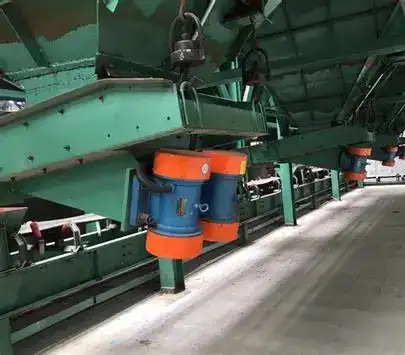
Selecting the Right Automatic Vibratory Feeder for Your Production Line
Critical Performance Metrics to Evaluate
Load capacity tells you how much stuff the machine can handle at once without losing its accuracy. For metallurgical uses that involve thick materials like metal powders or mineral concentrates, Automatic vibratory feeders need to be built to handle more weight than for lighter uses. Feeding speed has a direct effect on production efficiency. To avoid bottlenecks and keep the process running smoothly, the output capacity of the automatic vibratory feeder should be matched to downstream equipment consumption rates. When material cost or process sensitivity calls for tight control, accuracy standards become very important. In pharmaceutical and speciality chemical uses, feed rate tolerances may need to be within ±2%. However, in mining operations, larger ranges are acceptable for moving heavy materials. Noise levels should be thought about not only for legal reasons, but also for the pleasure of operators who work in closed spaces for long amounts of time.
Industry-Specific Considerations
When working with small, fragile parts like electronic components, you need track surfaces that are cushioned and have low shaking levels to keep the parts from breaking while keeping the position accurate. In contrast, applications that work with large amounts of material, like feeding ore, value high throughput and strong building over careful handling. When materials are fed into furnace systems, temperature resistance is very important—parts must be able to handle radiating heat without breaking down or losing their performance. The properties of the material affect the choice of automatic vibratory feeder arrangement. Standard trough designs work well for powders that don't stick together, but special shapes with air-assist features or changeable amplitude zones work better for materials that stick together or bridge. Adjustable vibration models give you options when your production plan calls for more than one type of material. This way, you don't have to buy separate automatic vibratory feeders for each type of material.
Supplier Reliability and Brand Reputation
Established makers have a lot of technical knowledge that shows in the way they improve designs to solve problems that come up in real life. This method is used by Shaanxi Heyuanxin Metallurgical Electric Furnace Equipment Co., Ltd, which combines more than fifteen years of experience specialising in metallurgical equipment with new ideas specifically designed to meet the needs of smelting and chemical processing. Our engineering team has several utility model patents that cover feeding problems in harsh, high-temperature settings where regular commercial feeders don't work. When a supplier responds to technical questions and requests for customisation, it's a sign of a possible long-term relationship. As production lines change, so does the equipment that goes with them. When compared to sellers who only sell standard catalogue items, manufacturers who offer modification services, extra parts availability, and field support have lower total ownership costs. Clearances, such as an ISO quality management system and workplace health clearances, show that a company is committed to making consistent and reliable products.
Heyuan New Automatic Vibratory Feeder: Precision Engineering for Metallurgical Excellence
Product Specifications and Capabilities
Our automatic vibratory feeder uses electromagnetic drive technology to give you exact control over the speed of the charge conveying—essential for keeping electric arc and ladle furnace systems running at their best. The form of the anti-blocking material keeps production from stopping, which can happen when working with flux materials and chemicals that tend to build up or bridge. This engineering solves the specific problems that mining plants have when they are smelting all the time. The technical standards are based on what is needed for real-world applications. Both test operations and full-scale production furnaces can use feed rates ranging from 1 to 100 cubic metres per hour. The 30 to 60 Hz vibration frequency range makes sure that it works with normal industrial power sources and improves the way materials move. Power usage efficiency, which needs only 0.25 to 5 kW, keeps costs low during ongoing duty cycles. Material compatibility includes a wide range of powders, granules, and small parts that are widely found in mining, chemical, and industrial processes. Hopper capacities ranging from 10 to 500 litres offer operating freedom, letting configurations be tailored to installation space limitations and preferred refill intervals. Keep the noise level below 70 dB to make the area around furnace activities safer and more comfortable to work in.
Why Do Metallurgical Operations Choose Our Solutions?
Customisable options take into account the fact that no two factories work the same way. Together with our customers, our engineering team sets up the automatic vibratory feeder's shape, vibration levels, and material touch areas so that they meet the needs of each application. This customised method gets rid of the trade-offs that come with off-the-shelf solutions, which make the process adapt to the limits of the tools instead of the other way around. During the long job cycles that are common in metallurgical processes, energy-efficient design lowers running costs. Less power use adds up to savings over years of ongoing use, which makes figuring out the return on investment easier. Integration with current production lines that is easy reduces disruptions during installation and commissioning time, which are important factors to consider when retrofitting running facilities where downtime directly affects income. Strong construction lets it work reliably 24 hours a day, seven days a week in industrial settings with changing temperatures, flying particles, and vibrations from nearby equipment. Our automatic vibratory feeders can handle these tough conditions and still feed accurately, which cuts down on unplanned repairs that delay production plans. When you know that you can get expert help whenever you need it, whether you have a question or an unexpected problem, responsive customer support and technical assistance can give you peace of mind.
Technological Advantages Driving Performance
Modern vibration control systems make feeding exact by changing the drive settings on the fly in reaction to changes in the load. This smart adaptation keeps output constant even when the properties of the material change from batch to batch. Adjustable amplitude and frequency settings let you work with a variety of materials without having to change any gear. Operators just need to set the right parameters for the current production run. Self-cleaning design features keep material from building up in feeding tracks and release areas, which cuts down on repair downtime. Choosing the right shape and treating the surface in the right way can help materials flow instead of sticking together. This is especially helpful when working with sticky materials or materials that tend to soak up water. Intelligent feed rate tracking lets workers see how the system is working in real time, so they can make changes before they affect processes further down the line. Precision balance and damping material integration, not just sound enclosures, are what make work quiet. This basic engineering method lowers the vibrations that reach supporting structures, making the workplace better generally, not just near the feeder. The result helps operators stay in line with regulations while also making them more comfortable during long shifts.
Pricing, Ordering, and After-Sales Considerations for B2B Buyers
Understanding Cost Structures and Value
Industrial automatic vibratory feeders are priced based on how much tailoring is needed, how much capability is needed, and what features are needed to solve specific application problems. Standard stock units are cheaper and work well for most uses. Engineered solutions, on the other hand, cost more but offer better performance and lower operational risk. They do this by using special materials, better controls, or integration features. Cost is directly related to capacity, since bigger hoppers, better throughput rates, and stronger drive systems need more engineering and materials. For example, noise reduction improvements, buildings that can withstand high temperatures for placement near furnaces, or explosion-proof electrical systems for dangerous areas cost more but are necessary for certain tasks. Figuring out which features are truly useful for operations and which are just nice-to-haves can help buying budgets work better.
Procurement Logistics and Terms
When planning building growth or multi-site standardisation projects, volume is important for business-to-business buyers. Bulk order savings are given to people who make bigger promises. Standardising equipment also makes it easier to keep track of spare parts. Lead times depend on how customised the product is. Standard setups may ship within weeks, but solutions that are highly customised need longer manufacturing plans to allow for design validation and the acquisition of specialised parts. Flexible shipping choices meet the needs of installation schedules and transportation preferences. International deliveries work best with containers, while local freight arrangements can put speed or cost-effectiveness first, depending on how quickly the job needs to be done. Misunderstandings that cause projects to take longer to finish can be avoided by being clear about shipping terms, installation support, and finishing help.
Warranty and After-Sales Support
The terms of a warranty show that the maker trusts the stability of the equipment and protects you financially in case it breaks down too soon. Covering both parts and work for a fair amount of time, usually between one and three years, shows that the company cares about the quality of the product. Understanding what the guarantee doesn't cover, especially when it comes to improper operation or lack of upkeep, helps buyers set up the right operating procedures. After the sale, service that is easy to get makes sure that the equipment keeps working well for decades. Quick answers from technical support staff to practical questions, and the availability of spare parts to reduce downtime during final component replacement. Our company offers ongoing expert support backed by ISO-certified quality management systems and 3A-level credit enterprise standing, which guarantees a trustworthy relationship throughout the life of the equipment. Cost breakdowns that are clear make it easier to make smart buying choices by showing where investment dollars bring the most value to the business. Shaanxi Heyuanxin is happy to have in-depth conversations about the needs of your project and give you quotes based on your specific needs instead of general prices. Email our team at sxhyyj606@163.com to talk about your unique feeding problems and get personalised advice.
Future Trends and Innovations in Automatic Vibratory Feeders
Energy Efficiency and Environmental Impact
As the market changes, reducing operating energy use and leaving as little of an impact on the earth as possible become more important. Through better electromagnetic designs and resonance tuning, new automatic vibratory feeder drive technologies get more mechanical work out of electrical input. New materials have made automatic vibratory feeders lighter without affecting their structural stability. This means that less energy is needed to keep shaking amplitudes the same. Environmental concerns go beyond how much energy a building uses. Enclosed designs cut down on stray dust pollution, which helps meet the stricter air quality rules that affect mining and metalworking industries. The choice of materials is based on how easily they can be recycled and how little energy they use, which is in line with environmental reporting standards and business sustainability efforts.
Industry 4.0 Integration
When sensors are added to automatic vibratory feeders, they go from being inactive material workers to being smart system parts that give real-time operating data. Embedded shaking sensors find problems with performance before they happen, which lets repair plans plan ahead and avoid unplanned downtime. Monitoring the feed rate gives feedback to the process control system for closed-loop optimisation. Upstream or downstream equipment is instantly changed in reaction to changes in the flow of materials. IoT connection makes it possible to diagnose and track performance from afar, which is especially helpful for businesses with multiple sites or setups in remote areas. When the health data for all of a facility's equipment is put together, it shows performance trends that help with planning repairs and finding the best ways to run the business. Cloud-based analytics use everyone's operational knowledge to find optimisation chances that separate site teams might miss.
Expanding Application Frontiers
Traditional manufacturing sectors keep improving the ways that automatic vibratory feeders can be used, while newer businesses find new ways to use them. When making batteries for electric cars, electrode materials and separation films need to be carefully fed into the cells. This requires more care and control over pollution than is normally required in industry. Automatic vibratory feeder technology allows metal 3D printers to release materials in a controlled way, which is another area of growth for additive manufacturing powder handling. Staying up to date on changes in technology and applications allows buying teams to use new ideas that give them a competitive edge. When you buy equipment today, it should be able to adapt to your needs tomorrow by having flexible designs and update options that make the equipment last longer.
Conclusion
Automatic vibratory feeders are a tried-and-true technology that has been shown to improve production automation, material handling efficiency, and the dependability of operations. Their adaptability means they can be used in a wide range of industries, from metalworking plants to electronics factories, to solve common problems and meet the needs of each application. To choose the right feeding options, you need to know what your business needs are, look at the technical specs, and work with makers who can provide engineering support and ongoing help. Heyuanxin and other companies like it have specialised understanding in metals and can customise tools to make them work better for production. As manufacturing moves toward more automatic, data-driven processes, automatic vibratory feeder technology will still be useful because better, more efficient systems are always being improved.
FAQ
How often should vibratory feeders undergo maintenance?
In ongoing industrial processes, the best performance is kept up by regular inspections every three to six months. As part of maintenance, you should check that the fasteners are tight, the sound isolators are not worn, and the electrical connections are still secure. Cleaning the tracks and hoppers of built-up material stops growth that affects the accuracy of feeds. Operations that happen in very tough settings with a lot of dust or extreme temperatures may need more frequent attention.
What criteria determine the appropriate feeder type for my production needs?
The choice of arrangement is based on the properties of the material. Standard designs work for free-flowing materials, but they need special shapes for cohesive materials. The throughput needs to be the same as or a little higher than the usage rates of downstream equipment. The actual measurements are limited by the installation room that is available, and the temperature and contamination in the air affect the choice of material and the sealing requirements. Consulting with skilled sources like Heyuanxin is a good way to handle these issues.
Can vibratory feeders handle fragile or irregularly shaped parts without damage?
When systems are set up correctly, they can handle delicate parts with padded track surfaces and controlled shaking levels. Lower amplitude settings make it easier on fragile items by reducing mechanical stress, and custom track layout cana custom track layout can handle odd forms that need to be orientated. Protective coatings can be added to material touch areas to keep them from getting scratched or marred. Talking to makers about specific part qualities during specification development makes sure that the right design features are used.
Partner with a Trusted Automatic Vibratory Feeder Supplier
As a company with over fifteen years of experience in metallurgical tools, Heyuan New offers designed feeding options. Our automatic vibratory feeders are built to last and are controlled with great accuracy, meeting the specific needs of steel mills, mines, and industrial process plants. We have several patents covering new designs we developed by using them in real life. This way, you can be sure you'll be getting tested technology instead of new ideas that haven't been tried yet. Manufacturing methods that are ISO-certified and full after-sales support help give customers trust throughout the life of their equipment. You can look at all of our products at hyyjfurnace-supply.com or email our tech team at sxhyyj606@163.com. We encourage metallurgical companies, EPC contractors, and equipment dealers looking for dependable automatic vibratory feeder makers to get in touch with us. We are in No. 01, Chenjiatai Village, Maquan Sub-district Office, Qindu District, Xianyang City, Shaanxi Province, China, and we serve clients all over the world with custom solutions, low prices, and quick expert help.
References
1. Thompson, R.J. (2022). Industrial Material Handling Systems: Design and Optimisation. Manufacturing Technology Press.
2. Chen, L., & Martinez, S.A. (2023). "Vibratory Feeding Technology in Modern Production Lines," Journal of Manufacturing Engineering, Vol. 48, No. 3, pp. 112-128.
3. Industrial Automation Institute (2024). Comparative Analysis of Automated Feeding Systems in Metallurgical Operations. Technical Report Series.
4. Williams, K.D. (2021). Energy Efficiency in Industrial Processing Equipment. Sustainable Manufacturing Publications.
5. Zhang, H., & Anderson, P.L. (2023). "Integration of Smart Sensors in Vibratory Conveying Systems," International Journal of Industrial Automation, Vol. 15, No. 2, pp. 67-82.
6. National Association of Manufacturers (2024). Best Practices for Material Handling Equipment Selection and Procurement. Industry Guidelines Edition 7.


YOU MAY LIKE