
Top Industrial Vacuum Heat Treatment Furnace Manufacturer in China
August 25, 2026
When searching for a top industrial vacuum heat treatment furnace manufacturer in China, Shaanxi Heyuan New Metallurgical Electric Furnace Equipment Co., Ltd. stands out as a trusted partner. Since 2003, we have delivered over 400 furnace systems worldwide, combining advanced vacuum heat treatment technology with comprehensive metallurgical expertise. Our vacuum furnaces operate at temperatures reaching 1300°C with vacuum levels achieving ≤6.7×10⁻²Pa, ensuring contamination-free processing for precision components across aerospace, automotive, and medical device industries. This guide helps global B2B procurement managers, engineers, and distributors make informed decisions when sourcing high-performance vacuum heat treatment equipment from Chinese manufacturers.
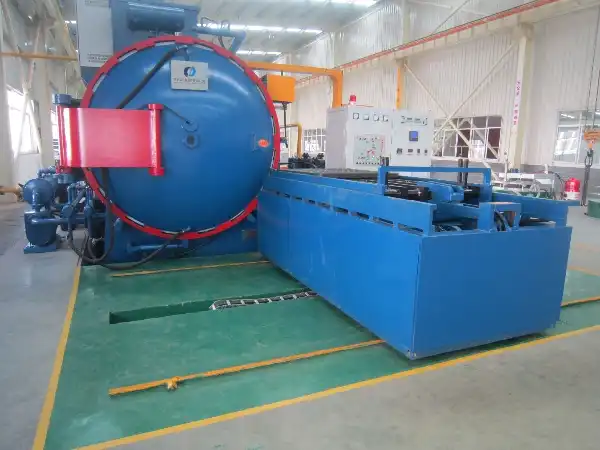

Introduction
Modern manufacturing needs materials with very specific properties and exact measurements. Vacuum heat treatment is now needed in many fields where the quality of the surface and the purity of the metal can't be compromised. These specialized Industrial Vacuum Heat Treatment Furnaces work in controlled low-pressure environments that get rid of the risks of oxidation and decarburization that come with normal atmospheric processing.
China has become a world leader in vacuum furnace making by blending decades of experience in metalworking with low production costs. This strategic placement brings in procurement workers who want reliable equipment that doesn't skimp on quality. In this guide, we talk about the specific issues that engineers looking at technical specs, distributors looking at long-term partnerships, and project managers planning turnkey installations need to think about.
Finding makers that meet practical needs is easier when buyers know about the whole buying process, from technical skills to after-sales support. We look at the main technologies, use cases, and selection factors that make vacuum heat treatment investments worthwhile.
Understanding Industrial Vacuum Heat Treatment Furnaces
Core Operating Principles and Components
Industrial Vacuum Heat Treatment Furnaces represent a fundamental shift from how furnaces have been used in the past. To start the process, the workpieces are locked inside a chamber that can't be opened. Air is then sucked out to make a sub-atmospheric environment. During high-temperature processes, this controlled atmosphere keeps reacting gases from coming into contact with metal surfaces.
Resistive heating elements made of molybdenum or graphite are important parts because they spread heat evenly across the work area. Modern vacuum pumping systems keep the pressure below 6.7×10⁻²Pa, which gets rid of the oxygen molecules that break down surfaces. Temperature control systems keep an eye on and change the heating settings to within ±1°C of the truth. This makes sure that the microstructural changes are the same across all production runs.
Metals can reach high temperatures without scaling or changing colour when there are no oxidising atmospheres around. When working with reactive materials like titanium alloys, this feature comes in very handy because normal methods would damage the surface integrity. When workpieces are finished, they are bright and clean, so they don't need to be cleaned again.
Comparative Advantages Over Traditional Methods
To keep metal surfaces from oxidising, atmospheric furnaces need protective gases or salt baths. These methods add factors that make it harder to control the process and make getting rid of waste harder. By taking out reactive elements from the processing environment, vacuum technology gets around these problems completely.
Better insulation and focused heating patterns show that energy efficiency gains have been made. The vacuum environment lowers the loss of heat through convection, which lets systems keep temperatures stable while using less energy. This means that the furnace will cost less to run over its lifetime.
There are more environmental perks than just saving energy. When you use vacuum heat treatment, the dangerous waste streams that come from cooling oils and salt bath removal are taken away. Facilities are lowering their impact on the environment while still meeting stricter government rules. Closed-loop cooling systems that use harmless gases like argon allow for controlled quenching without producing any harmful effects.
Real-World Applications Across Industries
Aerospace companies use vacuum processing to make turbine blades. This is where nickel-based superalloys go through cycles of solution treatment and ageing. Stopping the formation of alpha-case, a brittle oxygen-rich surface layer, makes sure that parts keep their wear resistance even when they are under a lot of working stress. Parts of jet engines that are processed in vacuum furnaces have better performance characteristics that have a direct effect on flight safety margins.
When strengthening complicated injection moulds and precision dies, tool and die shops gain a lot. High-speed steels and hot-work tool steels are the strongest types of steel that don't change much in size. Being able to work with complicated shapes without having to grind them down first saves a lot of time and money on cutting, especially when it comes to buying expensive tools.
Manufacturers of medical devices use vacuum brazing and heat treatment to make sure that the surfaces of surgery tools and orthopaedic implants are clean and germ-free. Because of biocompatibility rules that require complete cleanliness, vacuum processing is the best way to make parts that will be implanted in people. When medical devices are properly vacuum heated, they become resistant to rust, which makes them last longer.
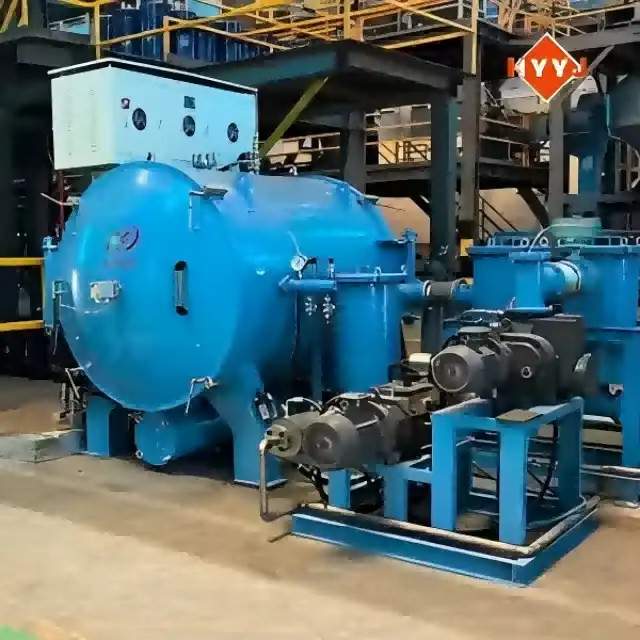
Types of Industrial Vacuum Heat Treatment Furnaces and Their Features
Vacuum Hardening Furnaces
Most of the time, Industrial Vacuum Heat Treatment Furnaces are used for hardening, which raises the hardness of materials by controlling the heating and cooling cycles. When working with tool steels, die steels, and wear-resistant stainless steel parts, these methods work great. Temperatures from room temperature to 1300°C can be used to meet a variety of mechanical change needs.
Parts are heated above their critical transformation temperature during the hardening process. This lets carbon atoms dissolve into the steel matrix. After that, high-pressure inert gases are used to quickly cool the material, trapping carbon in a supersaturated solution that makes the hard martensitic structure. Our systems can handle chambers that are 400×400×600mm up to 1200×1200×1800mm, so they can be used for a range of output sizes.
Operators can find the best balance between achieving hardness and minimising distortion by changing the cooling rate. Controlled gas quenching keeps parts that need to be precise and within very small tolerances from warping, which can happen with traditional oil quenching methods. This feature cuts down on the need for post-treatment cutting and makes it easier to keep the same dimensions across production runs.
Vacuum Annealing and Stress-Relieving Systems
Lower temperatures are used in annealing furnaces to soften materials, relieve internal stresses, or smooth out grain structures. When leftover stresses are introduced during cold working or welding, this process is necessary to remove them. The vacuum environment stops oxidation during long heating cycles, so the quality of the surface finish stays the same during the treatment.
When it comes to large structures or precision parts that need to stay the same size, stress-relieving treatments are especially important. For example, stress-relieving is done on automotive gearbox parts to make sure that they stay geometrically correct under working loads. Vacuum systems provide even heating, which relieves stress in even the most complicated shapes.
Vacuum Brazing Equipment
Brazing ovens join metals that are not the same type or make hermetic covers without melting the base materials. Because there is no need for chemical fluxes in a vacuum environment, the joints are clean and have better strength. This technology is used a lot in the production of heat exchangers, the packaging of electronics, and the building of spacecraft.
When brazing, precise temperature control is very important because filler metals need to be able to flow and wet the joint surfaces without heating up the base materials too much. Our control systems keep setpoints within very small ranges, which makes sure that the quality of the joints is the same from one production batch to the next. Since there are no flux residues, there is no need to clean up after brazing, which speeds up the production process.
Maintenance and Longevity Considerations
Proper maintenance schedules keep processing consistent and extend the life of equipment. To keep their pressure powers, vacuum pumping systems need to have their oil changed and their seals checked on a regular basis. Temperature uniformity and energy efficiency are affected by the state of the heating element, so it should be visually checked for signs of wear and tear on a frequent basis.
Monitoring leak rates lets you know early on when a seal is failing so that processing quality doesn't suffer. Our systems have automatic processes for checking for leaks that let workers know when maintenance is due. Setting up preventative maintenance schedules based on operational hours helps businesses avoid unplanned downtime and stick to their production schedules. Our furnaces are built to last, and they have easy-to-reach design features that make them easier to service and replace parts when they break.
Why Choose a Top Industrial Vacuum Heat Treatment Furnace Manufacturer in China?
Technological Innovation and Manufacturing Excellence
Chinese companies that make Industrial Vacuum Heat Treatment Furnaces have put a lot of money into research and development, which has led to equipment that meets quality standards around the world. Our collection of over ten utility model patents and multiple software copyrights shows how committed Shaanxi Heyuan is to this goal. These new ideas solve problems that our engineering team has seen in the real world during the 20 years they have been making metallurgical equipment.
Our quality management systems are certified by ISO to meet standards for quality, the environment, and worker health. These approvals show that production control is done in a methodical way that makes sure equipment always works right. The fact that our business was recognised at the provincial level shows that the government recognises our technological skills and contributions to the industry.
China has well-established supply lines for high-temperature metals, vacuum pumps, and control systems, which help factories make better products. This infrastructure allows for reasonable prices without lowering the quality of the parts. A lot of experts in metalworking are concentrated in China's industrial areas. This makes it easier for everyone in the field to share their knowledge and keep getting better.
Cost-Effectiveness Without Quality Compromise
When purchasing from Chinese manufacturers, procurement managers always say that the biggest benefit is lower costs. Because of lower labour costs and more efficient operations, equipment prices are usually 30–40% lower than those from similar Western European or North American sources. These saves are especially important for vacuum furnace systems that need a lot of capital, since the starting costs have a big effect on project budgets.
It's not true that lower prices mean less functionality. Our vacuum heat treatment equipment can reach the same levels of vacuum, keep temperatures uniform and be controlled precisely as systems made anywhere in the world. The metallurgical results—surface finish quality, dimensional stability, and mechanical property achievement—meet the same performance standards no matter where the metal was made.
Budget allocation flexibility lets buyers choose better features or bigger chambers while staying within the same budget limits. This value proposition makes it possible to improve facilities in ways that would normally be too expensive with available capital budgets. This speeds up the process of making production better and positioning the company more competitively.
Customization Capabilities for Specific Requirements
Standardised furnace designs work well for most uses, but for specialised tasks, custom solutions are often needed. Chinese producers are very good at making changes to tech that meet specific production needs. Our design team works with customers to find the best chamber sizes, heating zone layouts, and control system programming for each metallurgical process.
Specialised hot zone designs are sometimes needed because of concerns about material suitability. To avoid carbon pollution risks when working with reactive metals like titanium, all-metal building is needed. Our technical skills cover both graphite and molybdenum hot zone setups, so we can make the right choice based on the materials we have on hand and the needs of the process.
Estimates of production volumes affect choices about the amount of automation. Automated filling systems, integrated quenching modules, and process tracking software that requires little human input are all good for high-volume operations. When it makes sense for throughput, our turnkey solutions include these parts, so you get integrated systems instead of separate furnace units.
Comprehensive After-Sales Support Infrastructure
The quality of manufacturer support has a big impact on how well equipment works over its long service life. As part of our after-sales service, we have skilled expert teams that can quickly find and fix problems. We have deep knowledge bases that cover all kinds of operating problems because nearly 400 of our employees have over 11 years of experience with metallurgical tools.
Warranty terms protect initial investments and show that the manufacturer trusts the reliability of the equipment. Our basic guarantees cover the most important parts and promise to fix problems quickly if they happen. Buyers who don't want to take risks and want extra safety during equipment payback times should look into extended warranty choices.
Having spare parts on hand keeps downtime to a minimum when a part needs to be replaced. We keep key wear items in stock and can speed up shipping to keep production running as smoothly as possible. Each system comes with detailed technical paperwork that includes full maintenance instructions, repair guides, and specs for new parts that facility maintenance teams need to take good care of equipment.
How to Choose the Right Industrial Vacuum Heat Treatment Furnace?
Defining Your Processing Requirements
Choosing the right Industrial Vacuum Heat Treatment Furnace starts with being clear about what you need. Estimates of the production amount help choose the right chamber size and flow. When factories make small batches of high-value parts, they put precision temperature control and material compatibility ahead of optimising cycle time. For activities with a lot of items, automatic handling systems and fast cycle times are needed to get the most out of the tools.
The specifications of the materials directly affect the design needs of the furnace. Stainless steels, tool steels, and superalloys all have different working needs when it comes to temperature ranges, pressure levels, and cooling rates. To keep things clean, titanium metals need ultra-high vacuums and special materials for the hot zone. By knowing your material portfolio, you can make sure that your furnace's powers match your mechanical needs.
The heater element and insulation specs you need for your uses are based on the temperature requirements. For processes that can only handle 1000°C, furnace designs are more cost-effective than for systems that need to be able to handle 1300°C. Over-specifying temperature ranges raises both the starting cost and the amount of energy used during operation. On the other hand, under-specifying limits the freedom of the process and the ability to add new applications in the future.
Evaluating Energy Efficiency and Operating Costs
The full cost of ownership includes many years of operating costs in addition to the purchase price. A big part of the ongoing costs of a furnace is how much energy it uses, which changes a lot between models. Using modern insulation materials and heating elements in the best way possible lowers the amount of power needed, which means lower utility bills over the life of the equipment.
Cycle time efficiency affects both the amount of energy used and the amount that can be made. Faster rates of heating and cooling increase throughput, but they may need more powerful heating systems and the ability to use high-pressure gas to quench. To find the right balance between cycle speed and energy use, you need to know about production costs and how to project capacity utilisation.
Maintenance needs affect operations costs by affecting the cost of parts replacement and the division of labour. Designs that stress ease of access and flexible part replacement cut down on the time needed for upkeep. How long a heating element lasts depends on the material used and the temperature ranges it can handle. This affects how often it needs to be replaced and how much it costs. Knowing about these things during the selection process keeps bad shocks from happening after the equipment is put into use.
Supplier Evaluation Criteria
The reputation of the manufacturer tells you a lot about how reliable the equipment is and how good the support is. Industry references from current customers give honest opinions on claims of performance and responsiveness after the sale. With over 400 systems installed around the world, we have a history of long-term customer satisfaction and repeat business that proves our abilities.
How well manufacturers can handle difficult processing problems or needs that are specific to an application depends on how much technical knowledge they have. Our 11 senior engineers bring a lot of metallurgical knowledge to customer consultations to make sure that suggestions are based on real processing needs and not just pushing standard products. This consultative method finds the best solutions, which might not be obvious to buyers who aren't as familiar with the details of vacuum heat treatment.
When professional help is needed, reaction times are affected by how accessible the service network is. Even though Shaanxi Heyuanxin's main office is in Xianyang City, we offer services all over the world through relationships we've built and trained technicians we send to key areas. Understanding the manufacturer's support system helps buyers set realistic goals for the amount of help that will be available during the equipment's useful life.
Procurement Process and After-Sales Support
Supplier Verification and Due Diligence
To protect buying assets, suppliers must be carefully checked out before they are committed. ISO certifications show that quality management is done in an organised way, and industry-specific certifications show that specialised skills are up to par. Our ISO certifications for quality, the environment, and worker health and safety show that we follow strict rules when making tools.
Patent portfolios show how innovative a company is and what proprietary technologies it has that set it apart from others. We have more than ten utility model patents that cover ideas for vacuum systems, heating elements and control systems that make things work better. These intellectual property assets are real engineering accomplishments, not just marketing claims.
Financial stability tests make sure that manufacturers can keep their warranty promises and keep parts available for as long as the equipment is in use. Our 3A-level credit enterprise status shows that we are good at managing money and have a low chance of failure. This financial strength gives buyers faith that we will still be able to work with them after the initial delivery of goods.
Understanding Lead Times and Logistics
The engineering, procurement, and fabrication steps that go into making a custom Industrial Vacuum Heat Treatment Furnace take a long time. Standard setups usually take 3–4 months from the time an order is confirmed until it is ready to be shipped, but systems that are highly customised may take 6 months or longer. Knowing how long realistic deadlines are helps buyers plan how to prepare the facility and make changes to the production schedule.
Delivery planning is affected by the size of the chamber and how it will be transported. For foreign transfers, bigger systems may need special shipping containers and route planning. Our logistics team works with freight forwarders to find the best ways to ship items and cut down on transit times. When export paperwork and customs clearance procedures are done correctly, there are no delays at international borders.
Payment terms are usually based on milestones, with deposits holding production slots, progress payments paying for materials, and final payments freeing up equipment to be shipped. When doing business across borders, letter of credit agreements protect both sides. Knowing how much money they need and when they need it helps buyers organise internal approval processes and budget allocations.
Installation, Commissioning, and Training Support
Professional installation makes sure that the equipment works as expected from the first time it is turned on. Our technical teams offer on-site commissioning services that include checking the connections to the utilities, checking for leaks in the vacuum system and conditioning the heating elements. Temperature consistency checks make sure that the work zone is doing its job before the customer accepts it.
Operator training gives people the skills they need to use equipment effectively. We provide thorough training that covers how things should be used normally, how to do basic repairs, and how to avoid problems. This sharing of information gives facility staff the power to get the most out of their equipment and spot problems before they get worse.
Documentation packages have the electrical blueprints, mechanical sketches, and control system programming information that repair teams need to take care of equipment for a long time. Process setting suggestions based on common materials give producers a place to start when they want to improve their production. This complete sharing of information helps properly add new equipment to current processes.
Long-Term Partnership Benefits
Ongoing technical support includes consultation services and help with process optimisation well after the warranty period is over. Our engineering team helps you build process parameters and evaluate your capabilities as your production needs change or as new materials come on the market. This long-term relationship makes the most of the money spent on equipment.
Long periods of downtime caused by obsolete parts can be avoided by making sure that parts are available throughout the operational lives of equipment. We keep production records and part specs for all systems we give, so replacement parts can be found years after the system was first installed. This promise to be able to keep going for a long time saves your interests.
As technologies improve or production needs change, upgrade paths let equipment become more up-to-date. Updating the control system, adding automation, or changing the chamber's capacity can make tools last longer and delay the need for new capital. Our readiness to go back and improve installations that we've already done shows that we care about our customers' success more than just selling new tools.
Conclusion
To choose the best Industrial Vacuum Heat Treatment Furnace maker, you need to think about their technical skills, costs, and pledges to long-term support. Chinese companies like Shaanxi Heyuanxin offer cutting-edge vacuum processing technology at prices that are hard to beat, without sacrificing quality or performance. Our 20 years of experience with metallurgical tools, large collection of patents, and large number of installations around the world show that we are consistently the best in this specialised field. Knowing exactly what processing you need, carefully researching makers, and putting after-sales support infrastructure at the top of your list will help your purchasing choice last for a long time. The right partnership will not only give you equipment, but also ongoing technical support that will help you run your heat treatment business more efficiently for years to come.
FAQ
How does vacuum heat treatment enhance material quality compared to traditional methods?
By taking harmful gases out of the hot environment, vacuum processing stops oxidation and decarburization. This lack of air stops surface scale from forming, leaving behind bright finishes that don't need to be cleaned after treatment. The controlled oxygen also stops the steel surfaces from losing carbon, which keeps the case hardness in areas that are likely to wear out quickly. When compared to atmospheric processing methods, materials treated in vacuum furnaces have better surface consistency, better mechanical qualities, and more stable dimensions.
What factors influence vacuum furnace pricing?
Industrial Vacuum Heat Treatment Furnace pricing is primarily influenced by the size of the chamber, since bigger work areas need more heating elements, insulation, and building materials. The specifications of the heating elements and the amount of insulation needed depend on the temperature range. Systems that can handle higher temperatures cost more. The vacuum level specs affect how complicated and expensive the pumping system is. Depending on the needs of the output, automation features, complex control systems, and the ability to cool add extra costs. Customisation needs that go beyond standard configurations raise the cost of engineering and production.
What are typical delivery and installation timelines for custom furnaces from China?
Standard vacuum furnace configurations usually need three to four months from the time the order is confirmed until they are ready to ship. It could take 5 to 6 months for custom designs with unique features or room sizes that aren't common. Depending on the location and the logistics route, international shipping can take an extra 4 to 6 weeks. Installation and commissioning on-site usually take two to three weeks, which includes connecting utilities, testing the system, and training operators. For international purchases, the whole project takes about 5 to 7 months, from the time the purchase order is made until the product is ready for production.
Partner with Shaanxi Heyuan for Advanced Vacuum Heat Treatment Solutions
Getting the right Industrial Vacuum Heat Treatment Furnace provider is the first step to improving your metalworking skills. Heyuanxin combines years of experience making high-quality products with full technical support to give you equipment that meets all of your strict needs. Our flexible room layouts, accurate temperature control systems, and top-notch vacuum technology make sure that the best processing results are achieved for parts made of stainless steel, die steel, titanium alloys, and superalloys. Email our engineering team at sxhyyj606@163.com to talk about your specific needs and get detailed technical proposals. You can see our whole selection of products at hyyjfurnace-supply.com, and that's why makers around the world choose Heyuanxin as their vacuum furnace manufacturer of choice.
References
1. Davis, J.R. (2002). Surface Hardening of Steels: Understanding the Basics. ASM International, Materials Park, Ohio.
2. Chandler, H. (1995). Heat Treater's Guide: Practices and Procedures for Irons and Steels. ASM International, Materials Park, Ohio.
3. Herring, D.H. (2012). Vacuum Heat Treatment. BNP Media Group, Troy, Michigan.
4. Totten, G.E. (2006). Steel Heat Treatment: Metallurgy and Technologies. CRC Press, Boca Raton, Florida.
5. Brooks, C.R. (1996). Principles of the Heat Treatment of Plain Carbon and Low Alloy Steels. ASM International, Materials Park, Ohio.
6. Semiatin, S.L. (2003). Metalworking: Bulk Forming (ASM Handbook Volume 14A). ASM International, Materials Park, Ohio.


YOU MAY LIKE