
Energy-Efficient High temperature heat treatment furnace Solutions
August 21, 2026
Energy-efficient high-temperature heat treatment furnace solutions represent a transformative approach to industrial thermal processing, combining advanced engineering with sustainable operation principles. These specialized systems enable metallurgical plants, aerospace manufacturers, and specialty alloy producers to achieve precise material transformation at temperatures ranging from 1200°C to 1800°C while minimizing energy consumption and operational costs. Modern thermal processing equipment integrates intelligent control systems, superior insulation technology, and optimised heating elements to deliver consistent results across demanding applications. By selecting appropriately engineered thermal systems, manufacturers reduce energy waste, enhance production throughput, and maintain compliance with increasingly stringent environmental regulations.
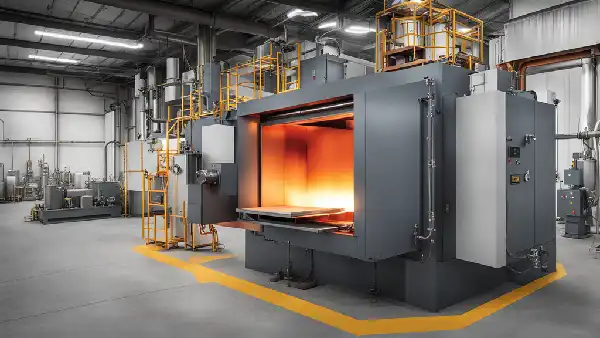
Comparing Popular Types of High-Temperature Heat Treatment Furnaces for Energy Efficiency
Electric vs. Gas-Fired Systems: Performance Analysis
Choosing between electric and gas-fired heating systems has a big effect on the costs of running a business in the long run. Electric resistance heating is a more accurate way to control temperature because the heating elements respond quickly to changes made by the controller. This responsiveness means that the process can be controlled better and less energy is wasted during the ramp and soak cycles. Electric systems also get rid of the waste products of combustion, which makes controlling the temperature inside working rooms easier.
Gas-fired systems have historically been cheaper to run in places where natural gas is cheap. Recent changes in the energy market have made this edge much smaller. Gas systems need more complicated ways to handle exhaust and control combustion air, which makes installation and upkeep more difficult. Modern electric systems are becoming more and more popular for precision applications because they use less energy and are easier to use.
Environmental factors are becoming more and more important in choosing tools. Electric systems don't give off any direct pollution, which makes following the rules easier and smaller the environmental impact of buildings. As the use of renewable energy grows across North American power grids, the amount of carbon released by electric thermal processing keeps going down. This is in line with companies' sustainability pledges.
Specialized Furnace Technologies and Their Efficiency Profiles
Vacuum systems create conditions with very little pressure, which stops oxidation and lets reacting materials be processed. These units are very good at keeping heat in because they have metal heat shields that reflect heat back toward the work area. Vacuum processing also lets you fix things at lower temperatures than air processing, which saves even more energy.
Systems that control the atmosphere keep certain gas compositions constant during working processes. Using nitrogen or argon to create an inert atmosphere stops materials from breaking down and uses less energy than creating a vacuum. Using reducing atmospheres with hydrogen to control decarburisation for certain types of steel is possible. The sealed room design that comes with atmosphere control makes it much more thermally efficient by stopping heat from escaping through convection.
Continuous processing systems are very good at getting a lot of work done quickly and efficiently. Using a mesh belt or a roller hearth keeps the flow of material steady through temperature-controlled areas. Even though the initial cost of the equipment is higher than the cost of a batch system, the higher cost is often worth it for operations that make more than a certain amount of product.
How to Choose the Best Energy-Efficient High-Temperature Heat Treatment Furnace for Your Industry?
Matching Equipment Specifications to Production Requirements
The right size and design of tools are directly related to the amount of production. Batch processing systems work well for businesses that have changing production schedules or many product lines that need different temperature profiles. The chamber should be big enough to fit your biggest pieces of work while still leaving enough space for air flow and even warmth. Heyuanxin lets you change the chamber's size from 300x300x300mm to 1500x1500x2000mm, so it can fit a wide range of industrial needs.
The required temperature range and atmospheric control features depend on the properties of the material. Specialty superalloys may need temperatures close to 1800°C and protective atmospheres to keep the surface from wearing away. Ceramic sintering often needs long soak times at high temperatures, so strong insulation systems are needed to keep energy consumption low during long cycles. Tool steel processing may be able to be done at lower temperatures, but precise quenching is needed to get the hardness profiles that are wanted.
When integrating a workspace, you need to think about more than just the tool size. The electrical service must be able to handle power needs that range from 30kW for small reductions to 300kW for large production systems. Ensuring there is enough space for repair access keeps operations running smoothly and increases the life of equipment. Making the loading device work with current material handling systems speeds up production and cuts down on the amount of work that needs to be done by hand.
Essential Evaluation Metrics for Procurement Decisions
Specifications for temperature regularity have a direct effect on how consistent the product is and how often it is rejected. Work zone consistency within ±5°C makes sure that all parts get the same amount of heat treatment, so there are no soft spots or areas that are over-treated. Certification to AMS 2750 standards shows that a product meets the needs of the aerospace business, which can lead to chances in high-value market areas.
Long-term operational costs go beyond the initial purchase price and depend on how easy it is to do maintenance. It should be possible to change the heating element, calibrate the thermocouple, and check the insulation without taking the whole machine apart. Manufacturers who offer full maintenance training and spare parts that are easy to find keep production running smoothly and extend the life of their equipment.
Building Confidence Through Manufacturer Credentials
Established manufacturers with a lot of installations can show that their products are reliable in a wide range of situations. Shaanxi Heyuan has more than 400 sites around the world in the defence, aircraft, and speciality materials industries. This operating experience leads to better equipment designsairflowlve output problems in the real world.
Intellectual property portfolios show that engineers are still working on new projects and making technology better. Shaanxi Heyuan has more than ten utility model patents that cover new furnace designs and better ways to run the control system. When it comes to energy efficiency, process control accuracy, and operational dependability, these proprietary technologies give you a competitive edge.
Quality management certifications make sure that the standards for manufacturing are always met. Getting ISO 9001 approval shows that you have organised quality control during the whole process of designing, making, and testing. Occupational health and environmental licenses show that a company cares about protecting workers' health and the environment, which is a value that shows up in the way products are designed.

Optimizing Performance & Maintenance for Energy-Efficient Operation
Preventive Maintenance Protocols for Sustained Efficiency
Checking the insulation on a regular basis keeps it from losing its heat efficiency over the life of the equipment. Chemical contact and changing temperatures break down refractory materials over time. Cracks, spalling, or material loss that needs to be fixed before they cause big energy losses can be seen visually. Thermal imaging scans show hot spots that mean the insulation is failing or the heating element isn't working right before the whole system breaks down.
How well a heating element works directly impacts how much energy it uses and how evenly the temperature is distributed. Resistance measurements show which parts are breaking down, so they can be replaced before they break during planned maintenance windows. Oxidation or material movement at high temperatures slowly lowers the efficiency of the element, making it need more power to keep the setpoint temperature. Unexpected problems during production runs can be avoided by replacing elements based on how many hours they have been used.
The temperature accuracy of equipment lasts as long as the control system is calibrated. Thermocouple drift can happen because of thermal cycling and material ageing, which can make the visible temperatures not match the temperatures in the box. Calibration against NIST-traceable standards once a year makes sure that the process stays accurate and the product stays the same. Checking the parameters of the controller makes sure that the safety interlocks and alarms that keep people and machinery safe are working correctly.
Safety Standards and Risk Mitigation Strategies
Working with high temperatures comes with its own risks that need to be covered by strict safety rules. During and after processing cycles, thermal barriers keep people from touching hot surfaces by accident. Interlock systems keep people from getting into the room while it's hot inside, keeping them from getting burnt. Emergency stop features let the system be turned off quickly if something goes wrong with the equipment or there are safety issues.
Off-gassing from processed materials and insulation parts can be stopped by making sure there is enough ventilation. Exhaust systems keep the negative pressure inside boiler shelters so that dangerous atmospheres don't leak into the building. Gas monitoring systems check fuel-fired devices for carbon monoxide and other byproducts of combustion. If dangerous levels are found, alarms go off, and the system shuts down automatically.
Advanced Strategies for Reducing Energy Consumption
Thermal profile research is the first step in process optimisation. A lot of businesses still use heating plans that were made by trial and error instead of being optimised in a planned way. Modern control systems can log data, which lets you look at cycles in great detail. This can help you find ways to shorten soak times, lower peak temperatures, or get rid of heating steps that aren't needed without affecting the quality of the product.
Heat recovery systems use the heat from cooling cycles or exhaust streams to heat buildings or get processes ready to start. In fuel-fired plants, recuperative systems move heat from exhaust gases to incoming combustion air. This lowers the amount of fuel that is used. Regenerative systems store heat during cooling cycles so that it can be used in later heating processes. This works especially well in setups that do ongoing processing.
When older equipment is retrofitted with newer insulation materials, a lot of energy is saved. Compared to traditional firebrick constructions, modern ceramic fibre and microporous insulation products offer better thermal resistance with less thickness. Because there is less thermal mass, less heating energy is needed, and temperatures can change more quickly. This makes production more flexible and saves energy.
Future Trends and Innovations in Energy-Efficient Heat Treatment Furnaces
Smart Control Systems and IoT Integration
Connected equipment platforms let you monitor and analyse performance from afar across multiple installation sites. Real-time data transmission lets maintenance staff know about problems that are starting to happen before the equipment breaks down. Historical trend analysis shows that performance is gradually getting worse, which helps with planning preventative maintenance that increases uptime and extends the life of equipment.
Predictive maintenance algorithms look at trends in working data to figure out when parts will need to be replaced. Machine learning models that have been trained on a lot of operational records can spot small changes that mean something is about to go wrong. With this feature, maintenance tasks can be planned to happen during planned breaks in production, instead of having to be done when unexpected breakdowns happen and throw off production schedules.
Process optimisation software changes temperature profiles automatically based on how much work needs to be done and how much energy it costs. When demand-response pricing structures are available, dynamic schedule algorithms move processes that use a lot of energy to times when electricity rates are lower. Adaptive control strategies change the heating rates and soak times based on how the workpiece actually reacts to heat, instead of following set schedules.
Advanced Materials Improving Thermal Performance
New insulation materials have thermal resistance values that have never been seen before. This means that a lot less heat is lost through room walls. Aerogel-enhanced insulation products offer great thermal performance with very little thickness, which lets designers make equipment that is smaller or improves the efficiency of installations that are already in place. These materials keep working well after thousands of heat cycles, so the tools will keep working well for their whole life.
New developments in heating elements make them last longer and convert energy more efficiently. Silicon carbide and molybdenum disilicide elements work well at very high temperatures and don't react to oxidation or thermal shock. When compared to regular resistance wire elements, these new materials allow for faster heating rates and more even temperatures.
Advanced ceramics and composite structures are used in refractory materials that can withstand harsh chemical environments and have great thermal properties. These special linings make it possible to process things that couldn't be done with regular equipment before. This means that they can be used in more areas of new material technologies and advanced manufacturing processes.
Regulatory Landscape and Sustainability Incentives
Tougher rules on the energy economy are being put in place across North America, and industrial heat processing equipment has to follow them. ENERGY STAR certification programs and other similar programs set minimum standards for how efficient new installations must be. Standardised testing methods are used by manufacturers to show how well their equipment works. This gives buying professionals a way to compare the efficiency of different goods.
Putting a price on carbon and trading pollution make energy-efficient tools more valuable in the market. When facilities in places with carbon taxes or cap-and-trade programs use less energy, they directly save money on costs. These financial benefits often make it worth it to spend more on high-efficiency tools that might not be cost-effective just because it saves money on energy costs.
Green manufacturing incentives and provisions for accelerated depreciation make it more cost-effective to make projects more energy-efficient. For purchases of certain types of tools, federal and state programs offer tax credits, grants, or better financial terms. These reward programs know that making factories use less energy is an easy and cheap way to reach regional goals for lowering emissions while keeping factories competitive.
Conclusion
Choosing the right High-temperature heat treatment furnace equipment is a smart choice that affects how much can be produced, how much it costs to run, and how competitive the company is. Manufacturers can meet strict quality standards while reducing their impact on the environment by using energy-efficient systems that provide accurate temperature control and reliable operation. Heyuanxin's engineering skills are shown by the large number of installations and constant improvements. They offer manufacturers tried-and-true solutions backed by full technical support. To get the most out of this important financial investment over the long term, you need to know what your application needs and compare the equipment's skills to performance standards that can be measured.
FAQ
What temperature ranges do industrial thermal processing systems typically cover?
Depending on the needs of the product, industrial tools can work in a wide range of temperatures. For general heat-treating tasks like annealing, normalising, and tempering, standard systems work from 400°C to 1200°C. Specialised high-temperature units can reach temperatures of up to 1800°C and are used to work with superalloys, sinter ceramics, and treat refractory metals. Ultra-high temperature vacuum systems can reach temperatures above 2000°C and are used to study special materials and make advanced ceramics. The highest temperatures that can be reached while still keeping the system reliable and saving energy are determined by the chamber's atmosphere and the materials used for the heating elements.
How do energy costs compare between electric and gas-fired heating systems?
Comparing energy costs depends on the rates charged by utilities in the area, how efficient the equipment is, and how it is used. Most electric systems turn 85 to 95 per cent of the energy they receive into heat that can be used in the processing room. Between 40 and 60% of the thermal efficiency of gas-fired systems is lost through exhaust gases. In many areas, the costs of running an industrial business are about the same because natural gas costs about $8 to $12 per million BTU and electricity costs about $0.07 to $0.12 per kWh. Electric systems don't need to be maintained like combustion systems do, and they can control temperatures more precisely. This can often make up for slightly higher energy costs by improving product quality and lowering rejection rates.
What maintenance intervals should manufacturers expect for thermal processing equipment?
The amount of routine repair needed depends on how often and how badly the machine is used. Safety interlocks, temperature signs, and atmosphere control systems are checked every day to make sure they are working properly. As part of the weekly checks, the heating element's resistance is measured and the thermocouple's alignment is confirmed. Maintenance is done once a month and includes checking the insulation, the condition of the door seals, and the control system. Comprehensive servicing once a year includes replacing the thermocouple, checking the heating element, and doing a full insulation survey. Installations that are used a lot and have multiple shifts may need maintenance more often to keep them running at their best and avoid breakdowns that come up out of the blue.
Partner with Shaanxi Heyuan for Superior Thermal Processing Solutions
The Shaanxi Heyuan New Metallurgical Electric Furnace Equipment Co., Ltd. creates custom thermal processing systems that meet the strict needs of manufacturers of aerospace, defence, and speciality materials. Our flexible chamber layouts, which include small 300mm lab units and large 1500 × 1500 × 2000 mm systems for production, can meet a wide range of processing needs while still being very energy-efficient. Our equipment can handle temperatures up to 1800°C and power ranges from 30kW to 300kW. It gives your important uses the exact thermal control they need. With ISO quality certifications, multiple utility patents, and more than 400 successful placements around the world, Heyuanxin is a reputable high-temperature heat treatment furnace manufacturer that wants your business to succeed. Get in touch with our technical team at sxhyyj606@163.com to talk about your unique needs and find out how our solutions can help your production processes in a way that you can measure. Visit hyyjfurnace-supply.com to explore our complete product portfolio and request detailed specifications tailored to your application.
References
1. Davis, J.R. (2016). Heat Treating of Steel: Principles and Practices. ASM International, Materials Park, Ohio.
2. Chandler, H. (2018). Energy Efficiency in Industrial Heat Treatment Operations. Industrial Heating Magazine Technical Series, Volume 12.
3. American Society for Metals (2019). AMS 2750G: Pyrometry Standard for Heat Treating. SAE International Aerospace Standards.
4. Trinks, W., Mawhinney, M.H., Shannon, R.A., Reed, R.J., & Garvey, J.R. (2017). Industrial Furnaces: Sixth Edition. John Wiley & Sons, Hoboken, New Jersey.
5. National Institute of Standards and Technology (2020). Advanced Manufacturing Series: Energy Efficiency in Thermal Processing Systems. U.S. Department of Commerce Publication 300-08.
6. European Industrial Furnace Association (2021). Best Practice Guidelines for Energy-Efficient Furnace Operation and Maintenance. EIFA Technical Report Series, Brussels, Belgium.


YOU MAY LIKE